باختصار: اكتشف تأثير الإرهاق فيที่ العمل على الإنتاجية والتكاليف. وتعرف على كيفية معالجة هذا التحدي الخفي في مؤسستك.
Free self-check: the governance self-audit gives a quick check of governance, controls and accountability, in about 10 minutes.
The Hidden Cost of Workplace Fatigue: What Your Budget Isn’t Telling You
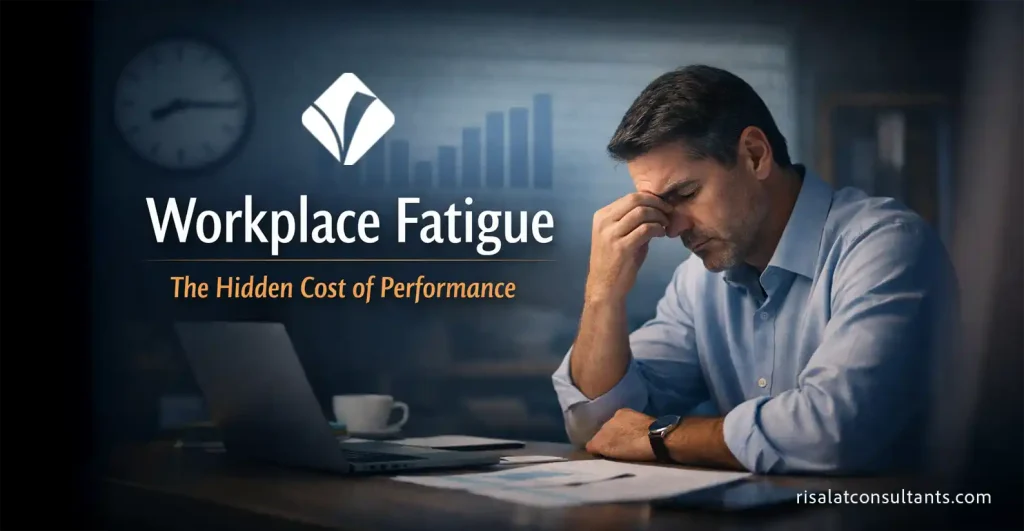
Workplace fatigue quietly erodes an organization’s performance. Studies show that 76% of employees feel fatigued during work hours, which reduces productivity by 20%. Each tired employee costs their employer around $2,000 yearly in lost productivity. Most companies don’t factor fatigue into their budget forecasts and operational plans.
Workplace fatigue extends far beyond simple tiredness. Workers struggle when they face long hours, uneven workload distribution, and insufficient recovery time. Research shows that 7 out of 10 employees are either struggling or suffering, leading to presenteeism, disengagement, and rising health costs. Employees who sleep less than six hours per night face a 2.9 times higher risk of workplace injury. With only 35% of the workforce driving the majority of performance outcomes, fatigue becomes a structural business risk. Managing human energy is therefore not optional, it is a strategic necessity.
التكلفة الحقيقية لإرهاق مكان العمل
“The calculator demonstrates that doing nothing to address fatigue costs employers a lot more than they think.” – Deborah A.P. Hersman, President and CEO of the National Safety Council, leader in workplace safety and health initiatives
تستخف معظم المؤسسات بالأثر المالي الحقيقي لإرهاق مكان العمل. أكثر من ثلث الأمريكيين ينامون أقل من سبع ساعات كل ليلة، وأكثر من 10% ينامون أقل من ست ساعات. تخلق أزمة نقص النوم المزمن هذه أزمة أداء خفية تؤثر بشكل مباشر على إنتاجية مكان العمل، السلامة، جودة صنع القرار.
The loss in productivity from fatigue shows up in ways that companies rarely track. Employees who sleep fewer than six hours per night cost employers approximately six workdays annually in lost productivity. Those who sleep six to seven hours still cost 3.7 workdays yearly. This drain happens through poor concentration, slower reactions, and reduced brain function.
نشرت مجلة الطب المهني والبيئي أبحاثاً تظهر أن الإرهاق يمكن أن يقلل الإنتاجية بنسبة 20%. يغير حرمان النوم مناطق الدماغ التي تتحكم في التفكير. ول هذا تأثير كبير على اتخاذ القرارات، والبقاء مركزاً، والتركيز.
Night and rotating shift workers miss work twice as often as day shift workers. The problem gets worse with physical and mental exhaustion building up over time. Workers on shifts lasting 10 hours or longer face higher injury risks. Their performance keeps getting worse throughout these long shifts.
الأثر المالي الذي يتجاوز أيام المرض
تصل الأموال المفقودة بسبب الإرهاق فيที่ العمل إلى مبالغ مذهلة. عادة ما تفقد الشركة التي تضم 1,000 موظف حوالي 2.5 مليون دولار كل عام بسبب النفقات المتعلقة بالإرهاق. ويشمل ذلك 671,000 دولار من العمال الغائبين و1.9 مليون دولار من الموظفين الحاضرين ولكنهم دون المستوى المطلوب.
Healthcare costs add another big expense to fatigue-related problems. Companies could save an extra $1.3 million in healthcare spending by helping employees sleep better. Some specific health issues cost even more – one employee with untreated sleep apnea can cost their employer over $7,400 extra in healthcare every year.
The financial impact scales dramatically with organizational size. Research shows that an average Fortune 500 company with approximately 52,000 employees loses nearly $198 million annually due to fatigue-related productivity loss and safety risks. In high-risk sectors such as transportation, a 1,000-employee operation can lose over $1.5 million per year due to fatigue-driven inefficiencies.
Why traditional budgets miss the fatigue factor
Regular budgeting methods can’t catch fatigue-related costs for several reasons. The usual approach takes last year’s numbers as a starting point. It then makes standard changes based on company goals and economic factors like inflation. This creates a fixed picture that doesn’t match the changing nature of human performance.
Rigid budgets cause another big problem. Making these budgets takes three to four months and uses up 20-30% of senior executives’ and financial managers’ time. Once set, these budgets become fixed reference points instead of flexible tools.
Real-world results highlight this disconnect. A study of planning and forecasting found that 55% of people thought their budget assumptions became useless within six months. This happens because standard budgeting systems can’t account for human factors like fatigue that change throughout the year.
What Causes Workplace Fatigue?
Root causes of workplace fatigue stem from organizational structures and personal factors that lead to worker exhaustion. Workplace fatigue happens due to long working hours, poor shift designs, or when workers can’t recover between work periods. This complex issue affects about 20% of US workers who work shifts or alternate their schedules to keep up with our 24-hour society.
Long hours and poor workload design
Long working hours are major contributors to workplace fatigue. Almost a quarter of American workers put in more than 40 hours each week. Both very high and low workload levels can cause fatigue. High-pressure situations force people to concentrate intensely for too long, while boring, repetitive tasks make workers lose focus and become less alert. Work schedules with long shifts, night work, and little recovery time make fatigue worse. Jobs with rotating shifts often give workers little control but high pressure, which creates an exhausting environment.
نقص وقت التعافي وثقافة الراحة
Workers need proper recovery time to avoid fatigue. Irregular shift patterns, especially night work, disrupt the body’s natural sleep cycle and lead to poor sleep quality with frequent interruptions. Shift workers usually get lighter, shorter sleep during the day, and noise often wakes them up. Sleep debt builds up over several workdays when there isn’t enough time between shifts. Short breaks with relaxation activities help reduce job stress and fatigue. However, many organizational cultures implicitly discourage proper recovery periods, as shown by expectations to stay connected outside work hours.
This pattern reflects broader structural shifts in how work is organized and digitized, a transformation examined in our work on Digital Workplace Evolution, where modern workplace design and constant connectivity reshape human performance and energy dynamics.
Emotional exhaustion and mental overload
تلعب العوامل النفسية دوراً كبيراً في إرهاق مكان العمل بطرق مختلفة. يعاني الأشخاص من الحمل الزائد المعرفي عندما لا يتمكنون من معالجة المعلومات واتخاذ القرارات بفعالية. تقول منظمة الصحة العالمية إن الإرهاق يحدث نتيجة الإجهاد طويل الأمد في مكان العمل مع ثلاث علامات رئيسية: انعدام الطاقة، والشعور بالانفصال عن العمل، والأداء الوظيفي المتدني. الوظائف التي تتطلب جهداً عاطفياً -حيث يجب على الأفراد التحكم في مشاعرهم أثناء العمل مع الآخرين- تجعل العمال عرضة بشكل خاص للإرهاق. بعض المجالات تكون أسوأ من غيرها. على سبيل المثال، وجدت إحدى الدراسات أن 71.2% من العاملين في الرعاية الصحية تعاملوا مع الإرهاق المرتبط بالعمل.
الضغوط النظامية خارج بيئة العمل
Outside factors make workplace fatigue worse in ways that traditional management often misses. Personal life issues like childcare, working multiple jobs, and home situations affect how tired workers become. Sleep problems from health conditions, medicines, and lifestyle choices add to workplace fatigue. Things like nicotine, caffeine, and alcohol affect sleep quality. The spillover-crossover model shows how work experiences affect home life and family members. This creates a cycle where family responsibilities prevent proper rest and increase workplace fatigue. Temp workers face unique challenges and report more fatigue along with longer, irregular, and unpredictable hours compared to permanent staff.
How Workplace Fatigue Undermines Organizational Capacity
“تمت برمجة الكثير منا على مواصلة العمل رغم التعب، لكن صحة العمال وسلامتهم في العمل تتعرض للخطر عندما لا نحصل على قسط النوم الذي نحتاجه.” – ديبورا أ. ب. هيرسمان، الرئيس والمدير التنفيذي لمجلس السلامة الوطني، رائدة في مبادرات سلامة وصحة مكان العمل
Fatigue reduces an organization’s ability to operate well and creates ripple effects across systems. Research shows that fatigue works like alcohol in our bodies – being awake for 17 hours equals a blood alcohol content of 0.05. After 21 hours without sleep, it matches the legal limit of 0.08.
انخفاض صنع القرار والابتكار
الإرهاق يضر بقدرتنا على التفكير والتخطيط للمهام المعقدة. يتخذ العمال خيارات أسوأ عندما يكونون متعبين، مما يؤدي إلى ضعف الأداء في مكان العمل. تظهر العلامات الأولى في تأجيل القرارات والتأخير. وإذا تركت دون علاج، يصبح الناس أقل رغبة في خوض مخاطر ذكية ويتوقفون عن تقديم أفكار جديدة. شهدت شركات التقنية الأكثر تضرراً من إرهاق التغيير انخفاضاً في هوامش تشغيلها بمقدار 7.2 نقطة مئوية. وانخفض إجمالي عوائد المساهمين لديها بنسبة 12.4 نقطة مئوية على مدى ثلاث سنوات مقارنة بالشركات التي تعاملت مع الأمر بشكل أفضل.
Increased errors and safety risks
مشاكل السلامة الناتجة عن إرهاق مكان العمل خطيرة. العمال المرهقون يتفاعلون بشكل أبطأ، ويعالجون المعلومات بشكل سيء, وينسون الأشياء، ويبقون أقل يقظة. في الواقع، لعب الإرهاق دوراً في الكوارث الكبرى مثل حادث تشيرنوبيل النووي، وحادث تكساس سيتي، وتسرب النفط من سفينة إكسون فالديز. يواجه عمال النوردية (الورديات الليلية) حوادث عمل بنسبة 30% أكثر من عمال ورديات الصباح. يتسبب الإرهاق في 20% من حوادث الطرق الكبرى، مما تكلف ما بين 115 إلى 240 مليون جنيه إسترليني سنوياً في حوادث العمل.
الأثر على تسليم المشاريع والجداول الزمنية
إدارة المشاريع takes a big hit from fatigue. Teams dealing with ongoing change fatigue see 45% fewer suggestions from employees and 38% less experimental work. Project fatigue damages project management offices and their goals, especially when wrapping up projects. Teams lose most project managers during the execution phase, which creates uncertainty.
Presenteeism vs absenteeism: the hidden drain
Presenteeism (coming to work sick) hurts organizations more than absenteeism, though both damage workplace morale and productivity. Money lost from presenteeism can be 1.5 times more than losses from absenteeism. Studies confirm that presenteeism, not absenteeism, makes workers more likely to face moderate or severe exhaustion. Both issues hurt work performance, even when accounting for health status and other factors. This hidden problem leads to more mistakes, lower quality work, and reduces team productivity.
Managing Workplace Fatigue at the Organizational Level
Organizations must approach workplace fatigue as a systemic operational risk rather than an individual weakness. Sustainable performance requires redesigning work structures, leadership practices, and recovery systems. A structured fatigue management framework strengthens institutional resilience, reduces safety incidents, and protects long-term productivity.
لذلك فإن إدارة الإرهاق ليست فقط مصدر قلق للإنتاجية بل ضرورة للسلامة. كان هذا الارتباط بين طاقة العمال، والامتثال التنظيمي، والمخاطر التشغيلية مركزياً لعملنا في برنامج إدارة السلامة والصحة المهنية في أمستردام، حيث تم استكشاف أطر حوكمة السلامة المنظمة للتخفيف من المخاطر المرتبطة بالإرهاق.
Redesigning schedules and workload distribution
تعمل جداول المناوبات من النهار إلى المساء إلى الليل بشكل أفضل من أنماط المناوبات العكسية لأنها تتوافق مع إيقاعات أجسامنا الطبيعية. الحفاظ على المناوبات أقل من 12 ساعة يساعد في منع تراكم الإرهاق. يجب على المنظمات تحديد حدود واضحة لساعات العمل مع فترات راحة مطلوبة: 15 دقيقة كل 2.5 ساعة، و30 دقيقة بعد 5 ساعات، و30 دقيقة أخرى بعد 10 ساعات. يمكن للفرق تقليل الإجهاد البدني والذهني من خلال مشاركة المهام بين الأعضاء.
Embedding rest and recovery into operations
Recovery isn’t just nice to have – it’s a skill that needs planning and boundaries. Work design must include recovery through:
- Proper sleep facilities when needed
- Recovery areas with quiet zones and green spaces
- Regular no-meeting times in calendars
- Short breaks that boost thinking ability and energy
Studies show that good recovery leads to better sleep, stronger resilience, higher job satisfaction, and less emotional exhaustion.
Training managers to recognize and respond to fatigue
Supervisors play a crucial role in spotting employee fatigue. Manager training should show how energy affects problem-solving, listening, critical thinking, and patience, essential leadership skills. Low energy brings irritability, negativity, lack of interest, and poor focus. Training must cover early fatigue signs, company policies to handle issues, and regular reviews to keep improving.
Effective performance systems are a cornerstone of sustainable workforce energy and organizational success. Our Effective Performance Management Training in Goa helps leaders align performance expectations, coaching practices, and energy-aware evaluation approaches to reduce fatigue-related productivity loss and build resilient teams.
Creating feedback loops to monitor energy levels
تساعد أنظمة التغذية الراجعة الجيدة في تتبع مستويات الإرهاق عبر المنظمة. تساعد تدقيقات الطاقة المديرين على اكتشاف أنماط الطاقة لديهم والعمل في "منطقة المساعدة". هذا يساعد الأفراد على مراقبة طاقتهم طوال اليوم وجدولة المهام الصعبة عندما يكونون في أقصى درجات اليقظة. توفر الأدوات مثل الأجهزة القابلة للارتداء برامج الأداء والتقارير الذاتية معلومات مفيدة لإدارة الإرهاق.
تعتبر أنظمة المتابعة والتقييم الاستراتيجية ضرورية لتحويل البيانات إلى تحسين في الأداء. ومن خلال عملنا في مجال المتابعة والتقييم للأداء الاستراتيجي في إسبانيا، تتعلم المؤسسات كيفية تقييم أنماط طاقة القوى العاملة، ودمج مؤشرات الرفاهية في لوحات متابعة الأداء، وترسيخ التحسين المستمر في أنظمة العمل.
Building a Culture of Sustainable Energy to Reduce Workplace Fatigue
Organizations that prioritize sustainable human energy outperform those that rely on endurance and overextension. When employees perceive that wellbeing is genuinely valued, engagement, creativity, and retention improve significantly. Building an energy-aware culture shifts performance management from pressure-driven output to long-term productivity sustainability.
Leadership practices that prioritize well-being
Leaders build the foundation for organizational energy sustainability through their daily actions. Leaders affect workplace mental health more than doctors or therapists, according to research. Good leaders show empathy, create psychological safety, and set an example for wellbeing behaviors. They take real breaks during vacations, set clear email boundaries, and hold walking meetings.
Shifting from grind culture to performance sustainability
The traditional grind culture celebrates constant hustle and long hours. This leads to burnout, poor work-life balance, and high turnover rates. Performance sustainability focuses on energy clarity rather than constant intensity. Leadership becomes about sustainability rather than endurance after age 40. Leaders who practice sustainability make better decisions under pressure and communicate better.
Institutionalizing energy management policies
Organizations need clear policies with principles and specific targets to manage energy effectively. These policies should offer flexibility, which helps boost employee participation, loyalty and retention. Companies should reward sustainable behaviors to show they value energy management. Your organization might need to rethink capacity building if it faces productivity loss, delivery delays, or staff burnout. Risalat’s global learning and development programs can strengthen organizational resilience, boost workforce performance, and embed green energy management into your governance and operations.
إرهاق مكان العمل ليس ضعفاً شخصياً، بل هو خطر حوكمة هيكلي. المؤسسات التي تقيس وتدير وتصمم حول طاقة الإنسان تفوق باستمرار تلك التي تتجاهلها. إذا كانت مؤسستك تشهد انخفاضاً في الإنتاجية، أو تأخراً في تسليم المشاريع، أو تزايداً في الإرهاق، فالحل ليس زيادة الضغط، بل هو تصميم عمل أكثر ذكاءً.
يتطلب تضمين هذه المبادئ في أنظمة القوى العاملة استراتيجيات موارد بشرية هيكلية. تدعم مبادرات تدريب الموارد البشرية المستدامة لدينا المؤسسات في مطابقة الرفاهية والإنتاجية والأداء طويل الأجل من خلال تصميم القوى العاملة المستدامة.
Using technology to track and support energy levels
Employees welcome on-the-job data collection to improve their performance and wellbeing – 90% support this approach. However, companies must avoid stealth monitoring as it hurts trust and morale. The right technology helps managers spot early signs of burnout and optimize workflows. This enables them to provide customized support.
Aligning human energy with strategic goals
Organizations achieve measurable strategic gains when human energy management aligns with corporate objectives. Companies in the top 20% for employee wellbeing outperform the S&P 500 by approximately 520 basis points in stock performance. The data is clear: investing in workforce energy is not a wellness initiative, it is a competitive advantage.
شاهد

Know people who should read this? Become an Ambassador or write with Risalat.
شركاء في نجاح المشاريع منذ 2011، نقدم التشخيص والدعم الاستشاري والتعلم التطبيقي للوزارات والهيئات العامة وفرق المشاريع.
هل تحتاج إلى مساعدة في تطبيق ذلك عملياً؟
ابدأ بتشخيص مجاني مدته 10 دقائق أو تحدث إلى خبرائنا.