Principais conclusões
- The Role of Capacity Building in Africas Sustainable Development. Capacity building in Africa is recognized as a pivotal lever for sustainable development, directly referenced in Goal 17 of SDGs, which emphasizes enhancing global support for building…
- Impact of Capacity Building on Socio-Economic Development. The transformative impact of capacity building on Africa’s socio-economic development is multifaceted and profound.
- The African Development Banks Contributions. The African Development Bank (AfDB) has been at the forefront of capacity building in Africa, with a focus on enhancing the continent’s ability to address development challenges effectively.
- Innovative Approaches to Capacity Building. Innovative approaches to capacity building in Africa are leveraging technology and strategic partnerships to enhance the effectiveness and sustainability of educational and training…
- Application for public agencies and donor-funded projects. To effectively address the capacity gaps in Africa, a multi-faceted approach that leverages strategic alliances, partnerships, and innovative strategies is essential.
In short: Africa’s Capacity Building requires practical choices about resources, evidence and implementation. This guide explains the main opportunities and constraints, and how organisations can turn the underlying ideas into measurable decisions.
The Role of Capacity Building in Africas Sustainable Development
The Role of Capacity Building in Africas Sustainable Development
Capacity building in Africa is recognized as a pivotal lever for sustainable development, directly referenced in Goal 17 of SDGs, which emphasizes enhancing global support for building capacities in developing countries.
O reforço de capacidades promove a inovação, aumenta a apropriação local, fomenta a autossuficiência e melhora a governação, a responsabilização e a transparência, capacitando as comunidades para gerir eficazmente os seus recursos e participar nos processos de tomada de decisão. Os esforços conjuntos de todas as partes interessadas, incluindo governos, organizações sem fins lucrativos, empresas e parceiros internacionais, são cruciais para criar capacidades sustentáveis e adaptadas ao contexto que respondam às diversas necessidades e desafios do continente.
O processo de reforço de capacidades deve ser estratégico e compreender as seguintes etapas:
Assessment and Planning: Conducting a thorough assessment of current capacities and developing a tailored capacity building plan.
Engagement and Training: Involving employees in the capacity building process and initiating training and education programs.
Institutional Strengthening: Focusing on institutional strengthening, infrastructure development, and policy reform.
Desafios que o reforço de capacidades enfrenta em África
Apesar do papel fundamental do reforço de capacidades no percurso de África rumo ao desenvolvimento sustentável, persistem lacunas em vários domínios, incluindo:
Integração e acessibilidade tecnológicas:
Colmatar a desigualdade de género no setor das TIC é crucial para um desenvolvimento inclusivo.
É essencial adaptar os programas às pessoas com necessidades especiais e aos grupos vulneráveis.
É necessário superar questões culturais, a diversidade de recursos e os desafios dos múltiplos fusos horários na formação tecnológica.
Barreiras à investigação e institucionais:
A qualidade da orientação e as dinâmicas de poder podem dificultar a investigação, causando desmotivação e atrasos.
A ausência de líderes inspiradores e as fragilidades das infraestruturas institucionais, como laboratórios inadequados e o acesso limitado a materiais de investigação, dificultam gravemente o progresso.
Os atrasos burocráticos no processamento de bolsas e na aquisição de equipamento perturbam as atividades de investigação.
Limitações financeiras e estruturais:
A escassez de financiamento local para a investigação e a falta de bolsas para estudantes de investigação não doutorandos criam um ambiente de investigação insatisfatório.
Colmatar as lacunas de capacidade exige identificar necessidades específicas e desenvolver intervenções direcionadas para reforçar as competências no combate à corrupção e aos crimes económicos.
For africa’s capacity building, a useful implementation plan should explicitly consider learning outcomes, institutional roles and the time available for implementation. A responsible decision starts by identifying who experiences the problem, who has authority to respond, and what information would change the proposed action. These questions help separate an attractive concept from a feasible intervention.
For example, an organisation considering a new initiative can document the existing process, consult the people who use it, select a manageable pilot and record its baseline. The pilot should have a named owner, a delivery timetable, a complaints route and a realistic operating budget. Progress should be judged against observed results rather than the number of meetings, workshops or announcements completed.
Impacto do reforço de capacidades no desenvolvimento socioeconómico
Impacto do reforço de capacidades no desenvolvimento socioeconómico
The transformative impact of capacity building on Africa’s socio-economic development is multifaceted and profound. It affects almost all areas of development including but not limited to:
Infraestruturas e crescimento económico:
The World Bank’s revised approach emphasizes strengthening public institutions and fostering demand for public service improvements, with a focus on infrastructure developmentin transportation, energy, and digital sectors to spur economic growth and attract foreign investment.
Instrumentos financeiros inovadores, como as trocas de dívida por ação climática ou por natureza, oferecem vias promissoras para financiar atividades que reforçam a resiliência aos impactos das alterações climáticas, reduzindo assim o risco físico e promovendo o desenvolvimento sustentável.
Educationand Workforce Development:
A educação de qualidade e a formação profissional são fundamentais para dotar os jovens africanos das competências necessárias para participar na economia mundial, e o Banco está a introduzir novas ferramentas de diagnóstico e instrumentos de financiamento para apoiar estas iniciativas.
Os programas de requalificação são cruciais para criar uma força de trabalho competitiva, preparar as pessoas para novas indústrias ou áreas especializadas e, em última análise, contribuir para uma maior estabilidade económica.
Governanceand Climate Resilience:
O reforço da governação através de maior transparência e responsabilização cria um ambiente empresarial mais favorável, atraindo investimento e promovendo o crescimento económico.
Investment in sustainable technologies and practices, alongside articulating investment-ready National Adaptation Plans, is essential for addressing climate change and environmental degradation, thus ensuring long-term socio-economic development.
Operational choices and constraints
For africa’s capacity building, a useful implementation plan should explicitly consider costs, procurement options, stakeholder incentives and the risks of premature scaling. A responsible decision starts by identifying who experiences the problem, who has authority to respond, and what information would change the proposed action. These questions help separate an attractive concept from a feasible intervention.
For example, an organisation considering a new initiative can document the existing process, consult the people who use it, select a manageable pilot and record its baseline. The pilot should have a named owner, a delivery timetable, a complaints route and a realistic operating budget. Progress should be judged against observed results rather than the number of meetings, workshops or announcements completed.
The African Development Banks Contributions
The African Development Banks Contributions
The African Development Bank (AfDB) has been at the forefront of capacity building in Africa, with a focus on enhancing the continent’s ability to address development challenges effectively. The AfDB’s African Development Institute (ADI) spearheads these efforts through a comprehensive approach that encompasses:
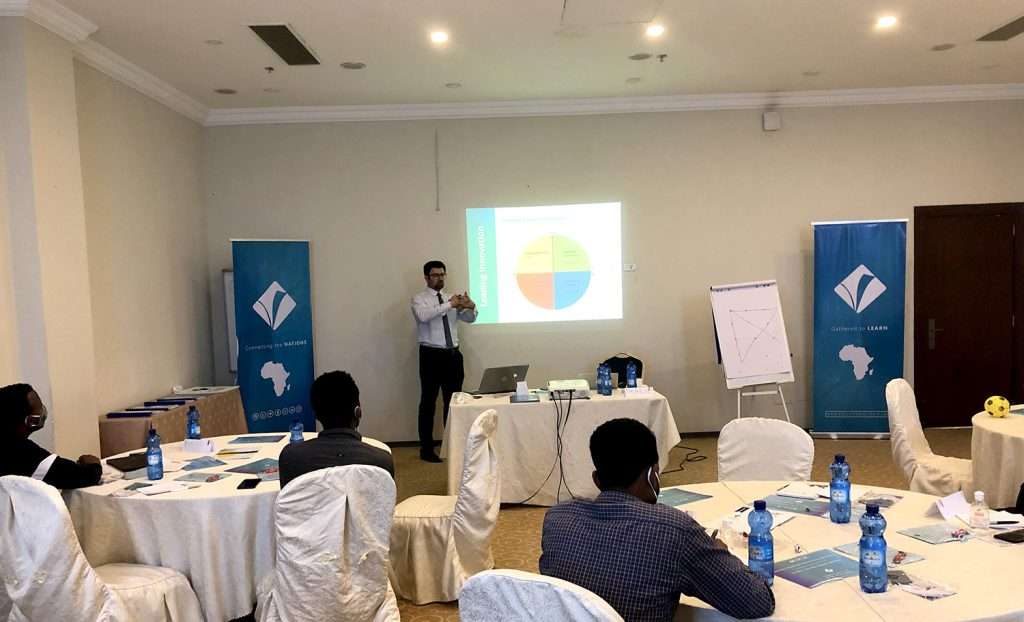
Training and Workshops:ADI conducts around 20 training sessions annually across Africa in languages including French, English, and Portuguese. These sessions are developed to improve the design and implementation of Bank-financed operations, with topics ranging from Bank procurement and disbursement procedures to project cycle management and debt sustainability.
Partnerships and Seminars:Collaborating with the Joint Partnership for Africa (JPA), ADI organizes seminars on critical sector issues such as rural development, integrated water management, and governance. These seminars serve as platforms for knowledge exchange and sector-specific capacity building.
Além disso, o BAfD fez avançar significativamente o reforço das capacidades estatísticas, centrando-se na melhoria da qualidade e da disponibilidade dos dados. Tal é conseguido através de:
Statistical Capacity Building:Initiatives include the development of databases on economic and social statistics, support for the Poverty Reduction Strategy Papers (PRSP) process, and the International Comparison Program for Africa (ICP-Africa). These efforts aim to strengthen national statistical systems and enhance cross-country comparisons of economic aggregates in real terms.
National Strategies for Development Statistics (NSDSs):The AfDB supports African countries in developing or updating their NSDSs, which is pivotal for improving statistical capacities and adhering to international standards.
These contributions by the AfDB underscore its commitment to building a resilient and sustainable future for Africa, aligning with the broader objectives of promoting economic development and citizen inclusion.
Implementation and accountability
For africa’s capacity building, a useful implementation plan should explicitly consider quality assurance, privacy or environmental safeguards where relevant, and transparent reporting. A responsible decision starts by identifying who experiences the problem, who has authority to respond, and what information would change the proposed action. These questions help separate an attractive concept from a feasible intervention.
For example, an organisation considering a new initiative can document the existing process, consult the people who use it, select a manageable pilot and record its baseline. The pilot should have a named owner, a delivery timetable, a complaints route and a realistic operating budget. Progress should be judged against observed results rather than the number of meetings, workshops or announcements completed.
Abordagens inovadoras ao reforço de capacidades
Abordagens inovadoras ao reforço de capacidades
Abordagens inovadoras ao reforço de capacidades em África estão a tirar partido da tecnologia e de parcerias estratégicas para aumentar a eficácia e a sustentabilidade dos programas de educação e formação:
Aprendizagem baseada na tecnologia:
As iniciativas centradas no desenvolvimento tecnológico estão a revolucionar a formação ao proporcionar acesso a materiais interativos, aumentando significativamente o envolvimento dos formandos e maximizando os resultados educativos.
Parcerias estratégicas para um crescimento abrangente:
As colaborações entre governos, organizações sem fins lucrativos, empreendedores e comunidades estão a criar estratégias inovadoras de criação de valor, nomeadamente no apoio aos jovens africanos através de cursos de empreendedorismo e de tecnologias digitais.
Public-private partnerships, along with regional cooperation, underscore the importance of a united approach in addressing the continent’s capacity building needs, emphasizing technology and innovation as pivotal strategies.
Enfoque nas políticas e na adaptação climática:
Os seminários sobre a formulação de políticas de formação e a inclusão das ciências da decisão nos currículos universitários evidenciam a necessidade de uma gestão pública de qualidade na elaboração de políticas.
O consórcio UMFULA da FCFA e o programa CapCET do ACTS são pioneiros em modelos de coprodução e na educação sobre as alterações climáticas, com o objetivo de colmatar lacunas de capacidade e promover a resiliência face aos desafios ambientais.
A practical institutional example
For africa’s capacity building, a useful implementation plan should explicitly consider the difference between a pilot that works once and a process that an institution can sustain. A responsible decision starts by identifying who experiences the problem, who has authority to respond, and what information would change the proposed action. These questions help separate an attractive concept from a feasible intervention.
For example, an organisation considering a new initiative can document the existing process, consult the people who use it, select a manageable pilot and record its baseline. The pilot should have a named owner, a delivery timetable, a complaints route and a realistic operating budget. Progress should be judged against observed results rather than the number of meetings, workshops or announcements completed.
Application for public agencies and donor-funded projects
Colmatar as lacunas de capacidade
Para responder eficazmente às lacunas de capacidade em África, é essencial uma abordagem multifacetada que tire partido de alianças estratégicas, parcerias e estratégias inovadoras. Esta abordagem deve abranger:
Alianças estratégicas e parcerias:
Participar em esforços conjuntos com organizações sem fins lucrativos, governos, empresas e outras partes interessadas para promover o desenvolvimento do capital humano e a inovação tecnológica.
Implementar iniciativas de requalificação e prestar apoio ao desenvolvimento pessoal, garantindo uma estratégia abrangente de reforço de capacidades.
Programas adaptados para a inclusão:
Dar prioridade à redução da desigualdade de género no setor das TIC e adaptar os programas às pessoas com necessidades especiais e aos grupos vulneráveis, garantindo que ninguém fica excluído dos esforços de reforço de capacidades.
Reforma e implementação de políticas:
Encourage African governments to accelerate reform programs, remove bureaucratic impediments, and enhance public administration
What project teams should do next
For africa’s capacity building, a useful implementation plan should explicitly consider the needs of implementing agencies, suppliers, community representatives and development partners. A responsible decision starts by identifying who experiences the problem, who has authority to respond, and what information would change the proposed action. These questions help separate an attractive concept from a feasible intervention.
For example, an organisation considering a new initiative can document the existing process, consult the people who use it, select a manageable pilot and record its baseline. The pilot should have a named owner, a delivery timetable, a complaints route and a realistic operating budget. Progress should be judged against observed results rather than the number of meetings, workshops or announcements completed.
For a ministry or project implementation unit, the practical sequence is to agree the public purpose, map responsibilities across agencies, identify procurement and safeguard requirements, and record the evidence needed for approval. Where a donor finances the work, the project team should use the applicable financing agreement, procurement framework and environmental and social commitments rather than assuming that one generic procedure applies to every project.
Consider a hypothetical donor-funded programme with a limited implementation period. The project manager could commission a baseline assessment, involve local stakeholders in defining service standards, test the proposed intervention in a small number of sites and evaluate performance before expansion. An independent review of expenditure and outcomes can reveal whether the programme is reaching intended beneficiaries and whether the implementing agency can maintain it after external financing ends.
Implementation checklist
- Define the decision and intended beneficiaries.
- Confirm legal, financial and operational constraints.
- Set a baseline and measurable indicators.
- Assign owners and establish stakeholder feedback.
- Pilot, evaluate and revise before scaling.
Perguntas frequentes
What is the main practical benefit?
It helps decision-makers connect the topic to defined needs, realistic resources and observable outcomes.
What should an organisation assess first?
Start with a baseline, stakeholder needs, delivery responsibilities and applicable legal requirements.
Which implementation risks deserve attention?
Pay attention to affordability, institutional capacity, inclusion, data quality and ongoing maintenance.
How can progress be measured?
Use a small set of baseline-linked indicators, user feedback and periodic independent review.
How does this apply to donor-funded projects?
Apply the project financing agreement and relevant procurement, safeguard, monitoring and reporting obligations.
Conhece pessoas que deveriam ler isto? Torne-se Embaixador da Risalat ou escreva um artigo com a Risalat em seu próprio nome.
Parceiros no sucesso dos projetos desde 2011: diagnósticos, apoio consultivo e aprendizagem aplicada para ministérios, organismos públicos e equipas de projeto.
Precisa de ajuda para pôr isto em prática?
Comece com um diagnóstico gratuito de 10 minutos ou fale com os nossos especialistas.