要点总结
- The Role of Capacity Building in Africas Sustainable Development. Capacity building in Africa is recognized as a pivotal lever for sustainable development, directly referenced in Goal 17 of SDGs, which emphasizes enhancing global support for building…
- Impact of Capacity Building on Socio-Economic Development. The transformative impact of capacity building on Africa’s socio-economic development is multifaceted and profound.
- The African Development Banks Contributions. The African Development Bank (AfDB) has been at the forefront of capacity building in Africa, with a focus on enhancing the continent’s ability to address development challenges effectively.
- Innovative Approaches to Capacity Building. Innovative approaches to capacity building in Africa are leveraging technology and strategic partnerships to enhance the effectiveness and sustainability of educational and training…
- Application for public agencies and donor-funded projects. To effectively address the capacity gaps in Africa, a multi-faceted approach that leverages strategic alliances, partnerships, and innovative strategies is essential.
In short: Africa’s Capacity Building requires practical choices about resources, evidence and implementation. This guide explains the main opportunities and constraints, and how organisations can turn the underlying ideas into measurable decisions.
The Role of Capacity Building in Africas Sustainable Development
The Role of Capacity Building in Africas Sustainable Development
Capacity building in Africa is recognized as a pivotal lever for sustainable development, directly referenced in Goal 17 of SDGs, which emphasizes enhancing global support for building capacities in developing countries.
能力建设能够促进创新、增强本地自主权、提升自力更生能力,并改善治理、问责和透明度,从而使社区能够有效管理自身资源并参与决策过程。包括政府、非营利组织、企业和国际合作伙伴在内的所有利益相关方的协同努力,对于建设能够应对非洲大陆多样化需求和挑战、切合当地实际的可持续能力至关重要。
能力建设过程必须具有战略性,包括以下步骤:
Assessment and Planning: Conducting a thorough assessment of current capacities and developing a tailored capacity building plan.
Engagement and Training: Involving employees in the capacity building process and initiating training and education programs.
Institutional Strengthening: Focusing on institutional strengthening, infrastructure development, and policy reform.
非洲能力建设面临的挑战
尽管能力建设在非洲迈向可持续发展的进程中发挥着关键作用,但各个领域仍存在差距,包括:
技术融合与可及性:
弥合信息通信技术领域的性别差距对于包容性发展至关重要。
为有特殊需要的人群和弱势群体量身定制项目至关重要。
在技术培训中,需要克服文化差异、资源参差不齐以及多时区带来的挑战。
研究与机构障碍:
指导质量和权力关系可能阻碍研究,导致积极性下降和进度延误。
缺乏有感召力的领导者以及机构基础设施薄弱(如实验室不足、研究资料获取渠道有限),严重阻碍了发展进程。
津贴发放和设备采购中的官僚拖延扰乱了研究活动。
资金与结构性限制:
本地研究经费匮乏,非博士研究生缺少助学金,导致研究环境不尽如人意。
弥合能力差距需要明确具体需求,并制定有针对性的干预措施,提升打击腐败和经济犯罪的技能。
For africa’s capacity building, a useful implementation plan should explicitly consider learning outcomes, institutional roles and the time available for implementation. A responsible decision starts by identifying who experiences the problem, who has authority to respond, and what information would change the proposed action. These questions help separate an attractive concept from a feasible intervention.
For example, an organisation considering a new initiative can document the existing process, consult the people who use it, select a manageable pilot and record its baseline. The pilot should have a named owner, a delivery timetable, a complaints route and a realistic operating budget. Progress should be judged against observed results rather than the number of meetings, workshops or announcements completed.
能力建设对社会经济发展的影响
能力建设对社会经济发展的影响
The transformative impact of capacity building on Africa’s socio-economic development is multifaceted and profound. It affects almost all areas of development including but not limited to:
基础设施与经济增长:
The World Bank’s revised approach emphasizes strengthening public institutions and fostering demand for public service improvements, with a focus on infrastructure developmentin transportation, energy, and digital sectors to spur economic growth and attract foreign investment.
债务换气候或债务换自然等创新金融工具,为资助增强气候变化影响韧性的活动提供了有前景的途径,从而降低实体风险并促进可持续发展。
Educationand Workforce Development:
优质教育和职业培训对于使非洲青年掌握参与全球经济所需的技能至关重要,非洲开发银行为此推出了新的诊断工具和贷款工具来支持这些举措。
技能提升项目对于打造有竞争力的劳动力队伍、帮助个人进入新兴行业或专业领域至关重要,最终有助于增强经济稳定。
Governanceand Climate Resilience:
通过提高透明度和问责来加强治理,可营造更有利的营商环境,吸引投资并促进经济增长。
Investment in sustainable technologies and practices, alongside articulating investment-ready National Adaptation Plans, is essential for addressing climate change and environmental degradation, thus ensuring long-term socio-economic development.
Operational choices and constraints
For africa’s capacity building, a useful implementation plan should explicitly consider costs, procurement options, stakeholder incentives and the risks of premature scaling. A responsible decision starts by identifying who experiences the problem, who has authority to respond, and what information would change the proposed action. These questions help separate an attractive concept from a feasible intervention.
For example, an organisation considering a new initiative can document the existing process, consult the people who use it, select a manageable pilot and record its baseline. The pilot should have a named owner, a delivery timetable, a complaints route and a realistic operating budget. Progress should be judged against observed results rather than the number of meetings, workshops or announcements completed.
The African Development Banks Contributions
The African Development Banks Contributions
The African Development Bank (AfDB) has been at the forefront of capacity building in Africa, with a focus on enhancing the continent’s ability to address development challenges effectively. The AfDB’s African Development Institute (ADI) spearheads these efforts through a comprehensive approach that encompasses:
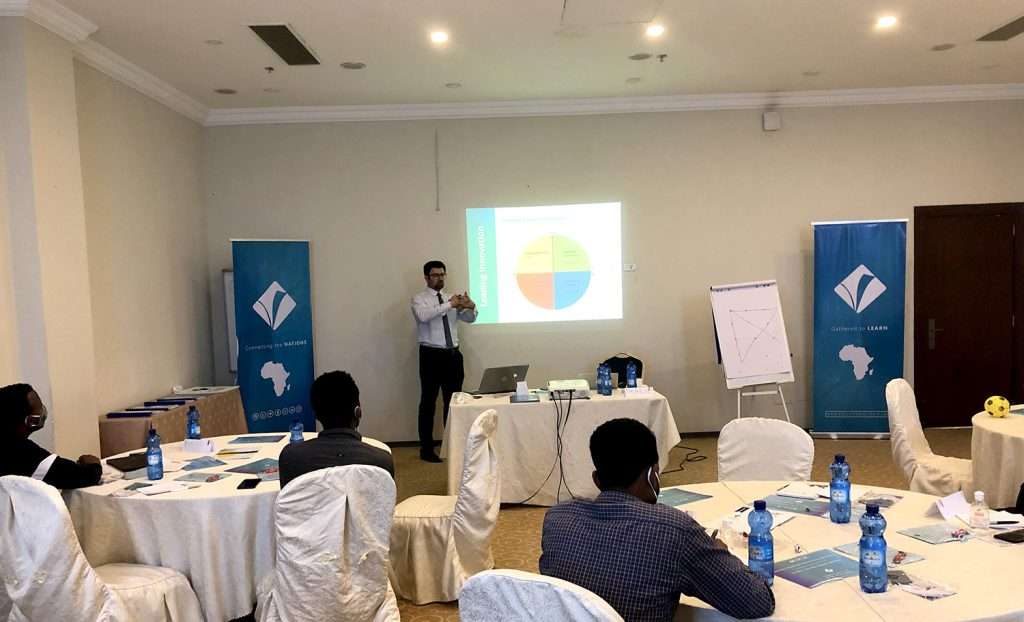
Training and Workshops:ADI conducts around 20 training sessions annually across Africa in languages including French, English, and Portuguese. These sessions are developed to improve the design and implementation of Bank-financed operations, with topics ranging from Bank procurement and disbursement procedures to project cycle management and debt sustainability.
Partnerships and Seminars:Collaborating with the Joint Partnership for Africa (JPA), ADI organizes seminars on critical sector issues such as rural development, integrated water management, and governance. These seminars serve as platforms for knowledge exchange and sector-specific capacity building.
此外,非洲开发银行大力推进统计能力建设,着重提高数据质量和可获得性。具体通过以下方式实现:
Statistical Capacity Building:Initiatives include the development of databases on economic and social statistics, support for the Poverty Reduction Strategy Papers (PRSP) process, and the International Comparison Program for Africa (ICP-Africa). These efforts aim to strengthen national statistical systems and enhance cross-country comparisons of economic aggregates in real terms.
National Strategies for Development Statistics (NSDSs):The AfDB supports African countries in developing or updating their NSDSs, which is pivotal for improving statistical capacities and adhering to international standards.
These contributions by the AfDB underscore its commitment to building a resilient and sustainable future for Africa, aligning with the broader objectives of promoting economic development and citizen inclusion.
Implementation and accountability
For africa’s capacity building, a useful implementation plan should explicitly consider quality assurance, privacy or environmental safeguards where relevant, and transparent reporting. A responsible decision starts by identifying who experiences the problem, who has authority to respond, and what information would change the proposed action. These questions help separate an attractive concept from a feasible intervention.
For example, an organisation considering a new initiative can document the existing process, consult the people who use it, select a manageable pilot and record its baseline. The pilot should have a named owner, a delivery timetable, a complaints route and a realistic operating budget. Progress should be judged against observed results rather than the number of meetings, workshops or announcements completed.
能力建设的创新方法
能力建设的创新方法
非洲的能力建设创新方法正借助技术和战略伙伴关系,提升教育和培训项目的成效与可持续性:
技术驱动的学习:
以技术开发为重点的举措正在变革培训方式,通过提供互动式学习材料,显著提高学员参与度,最大限度地提升教育成果。
促进全面增长的战略伙伴关系:
政府、非营利组织、企业家和社区之间的合作正在制定创新的价值创造战略,特别是通过创业和数字技术课程培养非洲青年。
Public-private partnerships, along with regional cooperation, underscore the importance of a united approach in addressing the continent’s capacity building needs, emphasizing technology and innovation as pivotal strategies.
聚焦政策与气候适应:
关于培训政策制定以及将决策科学纳入大学课程的研讨会,凸显了在政策制定中实施高质量公共管理的必要性。
“非洲未来气候”(FCFA)计划的UMFULA联盟和非洲技术研究中心(ACTS)的CapCET项目在共同生产模式和气候变化教育方面开拓创新,旨在弥合能力差距,增强应对环境挑战的韧性。
A practical institutional example
For africa’s capacity building, a useful implementation plan should explicitly consider the difference between a pilot that works once and a process that an institution can sustain. A responsible decision starts by identifying who experiences the problem, who has authority to respond, and what information would change the proposed action. These questions help separate an attractive concept from a feasible intervention.
For example, an organisation considering a new initiative can document the existing process, consult the people who use it, select a manageable pilot and record its baseline. The pilot should have a named owner, a delivery timetable, a complaints route and a realistic operating budget. Progress should be judged against observed results rather than the number of meetings, workshops or announcements completed.
Application for public agencies and donor-funded projects
弥合能力差距
要有效弥合非洲的能力差距,必须采取借助战略联盟、伙伴关系和创新战略的多管齐下方针。这一方针应包括:
战略联盟与伙伴关系:
与非营利组织、政府、企业及其他利益相关方开展合作,促进人力资本开发和技术创新。
实施技能提升举措并提供个人发展支持,确保形成全面的能力建设战略。
面向包容性的定制项目:
优先弥合信息通信技术领域的性别差距,并为有特殊需要的人群和弱势群体量身定制项目,确保没有人被排除在能力建设工作之外。
改革与政策实施:
Encourage African governments to accelerate reform programs, remove bureaucratic impediments, and enhance public administration
What project teams should do next
For africa’s capacity building, a useful implementation plan should explicitly consider the needs of implementing agencies, suppliers, community representatives and development partners. A responsible decision starts by identifying who experiences the problem, who has authority to respond, and what information would change the proposed action. These questions help separate an attractive concept from a feasible intervention.
For example, an organisation considering a new initiative can document the existing process, consult the people who use it, select a manageable pilot and record its baseline. The pilot should have a named owner, a delivery timetable, a complaints route and a realistic operating budget. Progress should be judged against observed results rather than the number of meetings, workshops or announcements completed.
For a ministry or project implementation unit, the practical sequence is to agree the public purpose, map responsibilities across agencies, identify procurement and safeguard requirements, and record the evidence needed for approval. Where a donor finances the work, the project team should use the applicable financing agreement, procurement framework and environmental and social commitments rather than assuming that one generic procedure applies to every project.
Consider a hypothetical donor-funded programme with a limited implementation period. The project manager could commission a baseline assessment, involve local stakeholders in defining service standards, test the proposed intervention in a small number of sites and evaluate performance before expansion. An independent review of expenditure and outcomes can reveal whether the programme is reaching intended beneficiaries and whether the implementing agency can maintain it after external financing ends.
Implementation checklist
- Define the decision and intended beneficiaries.
- Confirm legal, financial and operational constraints.
- Set a baseline and measurable indicators.
- Assign owners and establish stakeholder feedback.
- Pilot, evaluate and revise before scaling.
常见问题
What is the main practical benefit?
It helps decision-makers connect the topic to defined needs, realistic resources and observable outcomes.
What should an organisation assess first?
Start with a baseline, stakeholder needs, delivery responsibilities and applicable legal requirements.
Which implementation risks deserve attention?
Pay attention to affordability, institutional capacity, inclusion, data quality and ongoing maintenance.
How can progress be measured?
Use a small set of baseline-linked indicators, user feedback and periodic independent review.
How does this apply to donor-funded projects?
Apply the project financing agreement and relevant procurement, safeguard, monitoring and reporting obligations.
认识应该阅读本文的人?成为Risalat大使,或以您本人名义与Risalat合作撰写文章。
自2011年以来始终是项目成功的合作伙伴,为政府部委、公共机构和项目团队提供诊断评估、咨询支持与应用型学习。