Ключевые выводы
- The Role of Capacity Building in Africas Sustainable Development. Capacity building in Africa is recognized as a pivotal lever for sustainable development, directly referenced in Goal 17 of SDGs, which emphasizes enhancing global support for building…
- Impact of Capacity Building on Socio-Economic Development. The transformative impact of capacity building on Africa’s socio-economic development is multifaceted and profound.
- The African Development Banks Contributions. The African Development Bank (AfDB) has been at the forefront of capacity building in Africa, with a focus on enhancing the continent’s ability to address development challenges effectively.
- Innovative Approaches to Capacity Building. Innovative approaches to capacity building in Africa are leveraging technology and strategic partnerships to enhance the effectiveness and sustainability of educational and training…
- Application for public agencies and donor-funded projects. To effectively address the capacity gaps in Africa, a multi-faceted approach that leverages strategic alliances, partnerships, and innovative strategies is essential.
In short: Africa’s Capacity Building requires practical choices about resources, evidence and implementation. This guide explains the main opportunities and constraints, and how organisations can turn the underlying ideas into measurable decisions.
The Role of Capacity Building in Africas Sustainable Development
The Role of Capacity Building in Africas Sustainable Development
Capacity building in Africa is recognized as a pivotal lever for sustainable development, directly referenced in Goal 17 of SDGs, which emphasizes enhancing global support for building capacities in developing countries.
Развитие потенциала стимулирует инновации, укрепляет местную ответственность, способствует самостоятельности и совершенствует управление, подотчетность и прозрачность, позволяя сообществам эффективно управлять своими ресурсами и участвовать в процессах принятия решений. Совместные усилия всех заинтересованных сторон, включая правительства, некоммерческие организации, бизнес и международных партнеров, крайне важны для создания устойчивого потенциала с учетом местных условий, отвечающего разнообразным потребностям и вызовам континента.
Процесс развития потенциала должен быть стратегическим и включать следующие шаги:
Assessment and Planning: Conducting a thorough assessment of current capacities and developing a tailored capacity building plan.
Engagement and Training: Involving employees in the capacity building process and initiating training and education programs.
Institutional Strengthening: Focusing on institutional strengthening, infrastructure development, and policy reform.
Проблемы развития потенциала в Африке
Несмотря на ключевую роль развития потенциала на пути Африки к устойчивому развитию, пробелы сохраняются в различных областях, в том числе:
Технологическая интеграция и доступность:
Сокращение гендерного разрыва в секторе ИКТ крайне важно для инклюзивного развития.
Необходимо адаптировать программы для людей с особыми потребностями и уязвимых групп.
Необходимо преодолевать культурные различия, неравенство ресурсов и трудности, связанные с разными часовыми поясами при обучении с применением технологий.
Исследовательские и институциональные барьеры:
Качество научного руководства и иерархические отношения могут тормозить исследования, вызывая демотивацию и задержки.
Отсутствие вдохновляющих лидеров и слабая институциональная инфраструктура, например недостаточно оснащенные лаборатории и ограниченный доступ к исследовательским материалам, серьезно тормозят прогресс.
Бюрократические задержки с выплатой стипендий и закупкой оборудования нарушают ход исследований.
Финансовые и структурные ограничения:
Нехватка местного финансирования исследований и отсутствие стипендий для исследователей, не обучающихся в докторантуре, создают неблагоприятную исследовательскую среду.
Устранение пробелов в потенциале требует выявления конкретных потребностей и разработки целевых мер по развитию навыков противодействия коррупции и экономическим преступлениям.
For africa’s capacity building, a useful implementation plan should explicitly consider learning outcomes, institutional roles and the time available for implementation. A responsible decision starts by identifying who experiences the problem, who has authority to respond, and what information would change the proposed action. These questions help separate an attractive concept from a feasible intervention.
For example, an organisation considering a new initiative can document the existing process, consult the people who use it, select a manageable pilot and record its baseline. The pilot should have a named owner, a delivery timetable, a complaints route and a realistic operating budget. Progress should be judged against observed results rather than the number of meetings, workshops or announcements completed.
Влияние развития потенциала на социально-экономическое развитие
Влияние развития потенциала на социально-экономическое развитие
The transformative impact of capacity building on Africa’s socio-economic development is multifaceted and profound. It affects almost all areas of development including but not limited to:
Инфраструктура и экономический рост:
The World Bank’s revised approach emphasizes strengthening public institutions and fostering demand for public service improvements, with a focus on infrastructure developmentin transportation, energy, and digital sectors to spur economic growth and attract foreign investment.
Инновационные финансовые инструменты, такие как обмен долга на климатические или природоохранные обязательства, открывают перспективные возможности для финансирования мер по повышению устойчивости к последствиям изменения климата, снижая физические риски и способствуя устойчивому развитию.
Educationand Workforce Development:
Качественное образование и профессиональная подготовка играют ключевую роль в обеспечении африканской молодежи навыками, необходимыми для участия в глобальной экономике, и Банк внедряет новые диагностические инструменты и кредитные инструменты для поддержки этих инициатив.
Программы повышения квалификации крайне важны для формирования конкурентоспособной рабочей силы, подготовки людей к работе в новых отраслях или специализированных областях и в конечном счете для большей экономической стабильности.
Governanceand Climate Resilience:
Укрепление государственного управления за счет повышения прозрачности и подотчетности создает более благоприятную деловую среду, привлекая инвестиции и способствуя экономическому росту.
Investment in sustainable technologies and practices, alongside articulating investment-ready National Adaptation Plans, is essential for addressing climate change and environmental degradation, thus ensuring long-term socio-economic development.
Operational choices and constraints
For africa’s capacity building, a useful implementation plan should explicitly consider costs, procurement options, stakeholder incentives and the risks of premature scaling. A responsible decision starts by identifying who experiences the problem, who has authority to respond, and what information would change the proposed action. These questions help separate an attractive concept from a feasible intervention.
For example, an organisation considering a new initiative can document the existing process, consult the people who use it, select a manageable pilot and record its baseline. The pilot should have a named owner, a delivery timetable, a complaints route and a realistic operating budget. Progress should be judged against observed results rather than the number of meetings, workshops or announcements completed.
The African Development Banks Contributions
The African Development Banks Contributions
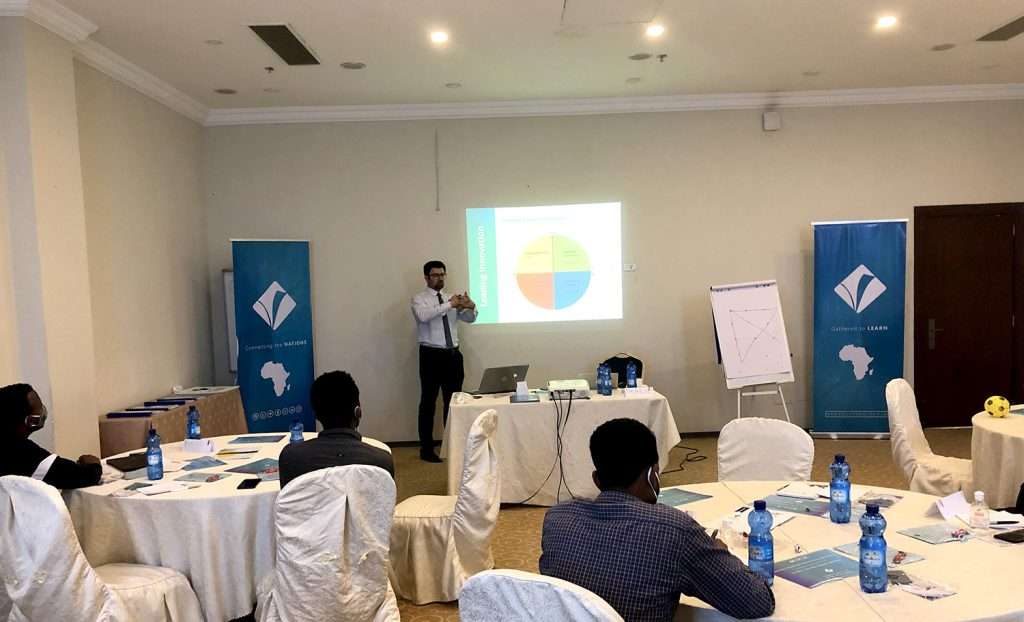
The African Development Bank (AfDB) has been at the forefront of capacity building in Africa, with a focus on enhancing the continent’s ability to address development challenges effectively. The AfDB’s African Development Institute (ADI) spearheads these efforts through a comprehensive approach that encompasses:
Training and Workshops:ADI conducts around 20 training sessions annually across Africa in languages including French, English, and Portuguese. These sessions are developed to improve the design and implementation of Bank-financed operations, with topics ranging from Bank procurement and disbursement procedures to project cycle management and debt sustainability.
Partnerships and Seminars:Collaborating with the Joint Partnership for Africa (JPA), ADI organizes seminars on critical sector issues such as rural development, integrated water management, and governance. These seminars serve as platforms for knowledge exchange and sector-specific capacity building.
Кроме того, АфБР существенно продвинул развитие статистического потенциала, уделяя основное внимание повышению качества и доступности данных. Это достигается за счет:
Statistical Capacity Building:Initiatives include the development of databases on economic and social statistics, support for the Poverty Reduction Strategy Papers (PRSP) process, and the International Comparison Program for Africa (ICP-Africa). These efforts aim to strengthen national statistical systems and enhance cross-country comparisons of economic aggregates in real terms.
National Strategies for Development Statistics (NSDSs):The AfDB supports African countries in developing or updating their NSDSs, which is pivotal for improving statistical capacities and adhering to international standards.
These contributions by the AfDB underscore its commitment to building a resilient and sustainable future for Africa, aligning with the broader objectives of promoting economic development and citizen inclusion.
Implementation and accountability
For africa’s capacity building, a useful implementation plan should explicitly consider quality assurance, privacy or environmental safeguards where relevant, and transparent reporting. A responsible decision starts by identifying who experiences the problem, who has authority to respond, and what information would change the proposed action. These questions help separate an attractive concept from a feasible intervention.
For example, an organisation considering a new initiative can document the existing process, consult the people who use it, select a manageable pilot and record its baseline. The pilot should have a named owner, a delivery timetable, a complaints route and a realistic operating budget. Progress should be judged against observed results rather than the number of meetings, workshops or announcements completed.
Инновационные подходы к развитию потенциала
Инновационные подходы к развитию потенциала
Инновационные подходы к развитию потенциала в Африке используют технологии и стратегические партнерства для повышения эффективности и устойчивости образовательных и учебных программ:
Обучение на основе технологий:
Инициативы в области развития технологий преображают обучение, обеспечивая доступ к интерактивным материалам, что значительно повышает вовлеченность учащихся и результаты обучения.
Стратегические партнерства для всестороннего роста:
Сотрудничество правительств, некоммерческих организаций, предпринимателей и сообществ формирует инновационные стратегии создания ценности, особенно в поддержке африканской молодежи через курсы по предпринимательству и цифровым технологиям.
Public-private partnerships, along with regional cooperation, underscore the importance of a united approach in addressing the continent’s capacity building needs, emphasizing technology and innovation as pivotal strategies.
Акцент на политике и адаптации к изменению климата:
Семинары по разработке политики в области обучения и включение науки о принятии решений в университетские программы подчеркивают необходимость качественного государственного управления при разработке политики.
Консорциум UMFULA программы FCFA и программа CapCET организации ACTS являются первопроходцами в моделях совместного производства знаний и климатическом образовании, стремясь устранить пробелы в потенциале и повысить устойчивость к экологическим вызовам.
A practical institutional example
For africa’s capacity building, a useful implementation plan should explicitly consider the difference between a pilot that works once and a process that an institution can sustain. A responsible decision starts by identifying who experiences the problem, who has authority to respond, and what information would change the proposed action. These questions help separate an attractive concept from a feasible intervention.
For example, an organisation considering a new initiative can document the existing process, consult the people who use it, select a manageable pilot and record its baseline. The pilot should have a named owner, a delivery timetable, a complaints route and a realistic operating budget. Progress should be judged against observed results rather than the number of meetings, workshops or announcements completed.
Application for public agencies and donor-funded projects
Устранение пробелов в потенциале
Для эффективного устранения пробелов в потенциале в Африке необходим многоплановый подход, использующий стратегические альянсы, партнерства и инновационные стратегии. Такой подход должен включать:
Стратегические альянсы и партнерства:
Участвовать в совместных усилиях с некоммерческими организациями, правительствами, бизнесом и другими заинтересованными сторонами для развития человеческого капитала и технологических инноваций.
Реализуйте инициативы по повышению квалификации и оказывайте поддержку личностному развитию, обеспечивая комплексную стратегию развития потенциала.
Адаптированные программы для инклюзивности:
Уделять приоритетное внимание сокращению гендерного разрыва в секторе ИКТ и адаптировать программы для людей с особыми потребностями и уязвимых групп, чтобы никто не оставался за рамками усилий по развитию потенциала.
Реформы и реализация политики:
Encourage African governments to accelerate reform programs, remove bureaucratic impediments, and enhance public administration
What project teams should do next
For africa’s capacity building, a useful implementation plan should explicitly consider the needs of implementing agencies, suppliers, community representatives and development partners. A responsible decision starts by identifying who experiences the problem, who has authority to respond, and what information would change the proposed action. These questions help separate an attractive concept from a feasible intervention.
For example, an organisation considering a new initiative can document the existing process, consult the people who use it, select a manageable pilot and record its baseline. The pilot should have a named owner, a delivery timetable, a complaints route and a realistic operating budget. Progress should be judged against observed results rather than the number of meetings, workshops or announcements completed.
For a ministry or project implementation unit, the practical sequence is to agree the public purpose, map responsibilities across agencies, identify procurement and safeguard requirements, and record the evidence needed for approval. Where a donor finances the work, the project team should use the applicable financing agreement, procurement framework and environmental and social commitments rather than assuming that one generic procedure applies to every project.
Consider a hypothetical donor-funded programme with a limited implementation period. The project manager could commission a baseline assessment, involve local stakeholders in defining service standards, test the proposed intervention in a small number of sites and evaluate performance before expansion. An independent review of expenditure and outcomes can reveal whether the programme is reaching intended beneficiaries and whether the implementing agency can maintain it after external financing ends.
Implementation checklist
- Define the decision and intended beneficiaries.
- Confirm legal, financial and operational constraints.
- Set a baseline and measurable indicators.
- Assign owners and establish stakeholder feedback.
- Pilot, evaluate and revise before scaling.
Часто задаваемые вопросы
What is the main practical benefit?
It helps decision-makers connect the topic to defined needs, realistic resources and observable outcomes.
What should an organisation assess first?
Start with a baseline, stakeholder needs, delivery responsibilities and applicable legal requirements.
Which implementation risks deserve attention?
Pay attention to affordability, institutional capacity, inclusion, data quality and ongoing maintenance.
How can progress be measured?
Use a small set of baseline-linked indicators, user feedback and periodic independent review.
How does this apply to donor-funded projects?
Apply the project financing agreement and relevant procurement, safeguard, monitoring and reporting obligations.
Знаете тех, кому стоит это прочитать? Станьте амбассадором Risalat или напишите статью вместе с Risalat под своим именем.
Партнеры в успехе проектов с 2011 года: диагностика, консультационная поддержка и прикладное обучение для министерств, государственных ведомств и проектных команд.
Нужна помощь, чтобы применить это на практике?
Начните с бесплатной 10-минутной диагностики или обратитесь к нашим экспертам.