Points essentiels
- The Role of Capacity Building in Africas Sustainable Development. Capacity building in Africa is recognized as a pivotal lever for sustainable development, directly referenced in Goal 17 of SDGs, which emphasizes enhancing global support for building…
- Impact of Capacity Building on Socio-Economic Development. The transformative impact of capacity building on Africa’s socio-economic development is multifaceted and profound.
- The African Development Banks Contributions. The African Development Bank (AfDB) has been at the forefront of capacity building in Africa, with a focus on enhancing the continent’s ability to address development challenges effectively.
- Innovative Approaches to Capacity Building. Innovative approaches to capacity building in Africa are leveraging technology and strategic partnerships to enhance the effectiveness and sustainability of educational and training…
- Application for public agencies and donor-funded projects. To effectively address the capacity gaps in Africa, a multi-faceted approach that leverages strategic alliances, partnerships, and innovative strategies is essential.
In short: Africa’s Capacity Building requires practical choices about resources, evidence and implementation. This guide explains the main opportunities and constraints, and how organisations can turn the underlying ideas into measurable decisions.
The Role of Capacity Building in Africas Sustainable Development
The Role of Capacity Building in Africas Sustainable Development
Capacity building in Africa is recognized as a pivotal lever for sustainable development, directly referenced in Goal 17 of SDGs, which emphasizes enhancing global support for building capacities in developing countries.
Le renforcement des capacités favorise l'innovation, renforce l'appropriation locale, encourage l'autonomie et améliore la gouvernance, la redevabilité et la transparence, donnant ainsi aux communautés les moyens de gérer efficacement leurs ressources et de participer aux processus de décision. Les efforts concertés de toutes les parties prenantes, y compris les gouvernements, les organisations à but non lucratif, les entreprises et les partenaires internationaux, sont indispensables pour bâtir des capacités durables et adaptées au contexte, qui répondent à la diversité des besoins et des défis du continent.
Le processus de renforcement des capacités doit être stratégique et comprendre les étapes suivantes :
Assessment and Planning: Conducting a thorough assessment of current capacities and developing a tailored capacity building plan.
Engagement and Training: Involving employees in the capacity building process and initiating training and education programs.
Institutional Strengthening: Focusing on institutional strengthening, infrastructure development, and policy reform.
Les défis du renforcement des capacités en Afrique
Malgré le rôle essentiel du renforcement des capacités dans la marche de l'Afrique vers le développement durable, des lacunes persistent dans divers domaines, notamment :
Intégration et accessibilité des technologies :
Réduire l'écart entre les femmes et les hommes dans le secteur des TIC est essentiel pour un développement inclusif.
Il est essentiel d'adapter les programmes aux personnes ayant des besoins particuliers et aux groupes vulnérables.
Il est nécessaire de surmonter les questions culturelles, la diversité des ressources et les difficultés liées aux multiples fuseaux horaires dans les formations aux technologies.
Obstacles liés à la recherche et aux institutions :
La qualité de l'encadrement et les rapports de pouvoir peuvent entraver la recherche et provoquer démotivation et retards.
L'absence de leaders inspirants et la faiblesse des infrastructures institutionnelles, comme des laboratoires insuffisants et un accès limité aux ressources de recherche, freinent fortement les progrès.
Les lenteurs bureaucratiques dans le versement des allocations et l'achat d'équipements perturbent les activités de recherche.
Contraintes financières et structurelles :
La rareté des financements locaux de la recherche et l'absence de bourses pour les étudiants-chercheurs non doctorants créent un environnement de recherche insatisfaisant.
Combler les lacunes de capacités suppose d'identifier les besoins précis et de concevoir des interventions ciblées pour renforcer les compétences en matière de lutte contre la corruption et la criminalité économique.
For africa’s capacity building, a useful implementation plan should explicitly consider learning outcomes, institutional roles and the time available for implementation. A responsible decision starts by identifying who experiences the problem, who has authority to respond, and what information would change the proposed action. These questions help separate an attractive concept from a feasible intervention.
For example, an organisation considering a new initiative can document the existing process, consult the people who use it, select a manageable pilot and record its baseline. The pilot should have a named owner, a delivery timetable, a complaints route and a realistic operating budget. Progress should be judged against observed results rather than the number of meetings, workshops or announcements completed.
L'impact du renforcement des capacités sur le développement socio-économique
L'impact du renforcement des capacités sur le développement socio-économique
The transformative impact of capacity building on Africa’s socio-economic development is multifaceted and profound. It affects almost all areas of development including but not limited to:
Infrastructures et croissance économique :
The World Bank’s revised approach emphasizes strengthening public institutions and fostering demand for public service improvements, with a focus on infrastructure developmentin transportation, energy, and digital sectors to spur economic growth and attract foreign investment.
Des instruments financiers innovants, comme les échanges dette-climat ou dette-nature, offrent des pistes prometteuses pour financer des activités qui renforcent la résilience face aux effets du changement climatique, réduisant ainsi les risques physiques et favorisant le développement durable.
Educationand Workforce Development:
Une éducation de qualité et la formation professionnelle sont essentielles pour doter la jeunesse africaine des compétences nécessaires pour participer à l'économie mondiale, la Banque mettant en place de nouveaux outils de diagnostic et instruments de prêt pour soutenir ces initiatives.
Les programmes de montée en compétences sont essentiels pour former une main-d'œuvre compétitive, préparer les personnes à de nouveaux secteurs ou à des domaines spécialisés et contribuer en définitive à une plus grande stabilité économique.
Governanceand Climate Resilience:
Renforcer la gouvernance par une transparence et une redevabilité accrues crée un environnement des affaires plus favorable, qui attire les investissements et stimule la croissance économique.
Investment in sustainable technologies and practices, alongside articulating investment-ready National Adaptation Plans, is essential for addressing climate change and environmental degradation, thus ensuring long-term socio-economic development.
Operational choices and constraints
For africa’s capacity building, a useful implementation plan should explicitly consider costs, procurement options, stakeholder incentives and the risks of premature scaling. A responsible decision starts by identifying who experiences the problem, who has authority to respond, and what information would change the proposed action. These questions help separate an attractive concept from a feasible intervention.
For example, an organisation considering a new initiative can document the existing process, consult the people who use it, select a manageable pilot and record its baseline. The pilot should have a named owner, a delivery timetable, a complaints route and a realistic operating budget. Progress should be judged against observed results rather than the number of meetings, workshops or announcements completed.
The African Development Banks Contributions
The African Development Banks Contributions
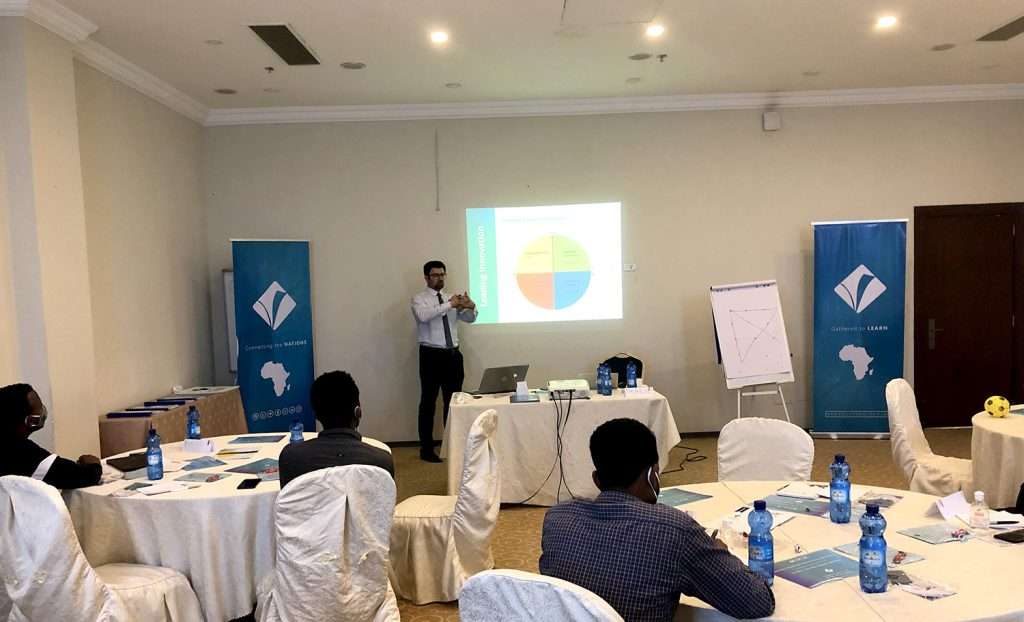
The African Development Bank (AfDB) has been at the forefront of capacity building in Africa, with a focus on enhancing the continent’s ability to address development challenges effectively. The AfDB’s African Development Institute (ADI) spearheads these efforts through a comprehensive approach that encompasses:
Training and Workshops:ADI conducts around 20 training sessions annually across Africa in languages including French, English, and Portuguese. These sessions are developed to improve the design and implementation of Bank-financed operations, with topics ranging from Bank procurement and disbursement procedures to project cycle management and debt sustainability.
Partnerships and Seminars:Collaborating with the Joint Partnership for Africa (JPA), ADI organizes seminars on critical sector issues such as rural development, integrated water management, and governance. These seminars serve as platforms for knowledge exchange and sector-specific capacity building.
En outre, la BAD a considérablement fait progresser le renforcement des capacités statistiques, en mettant l'accent sur l'amélioration de la qualité et de la disponibilité des données. Elle y parvient grâce à :
Statistical Capacity Building:Initiatives include the development of databases on economic and social statistics, support for the Poverty Reduction Strategy Papers (PRSP) process, and the International Comparison Program for Africa (ICP-Africa). These efforts aim to strengthen national statistical systems and enhance cross-country comparisons of economic aggregates in real terms.
National Strategies for Development Statistics (NSDSs):The AfDB supports African countries in developing or updating their NSDSs, which is pivotal for improving statistical capacities and adhering to international standards.
These contributions by the AfDB underscore its commitment to building a resilient and sustainable future for Africa, aligning with the broader objectives of promoting economic development and citizen inclusion.
Implementation and accountability
For africa’s capacity building, a useful implementation plan should explicitly consider quality assurance, privacy or environmental safeguards where relevant, and transparent reporting. A responsible decision starts by identifying who experiences the problem, who has authority to respond, and what information would change the proposed action. These questions help separate an attractive concept from a feasible intervention.
For example, an organisation considering a new initiative can document the existing process, consult the people who use it, select a manageable pilot and record its baseline. The pilot should have a named owner, a delivery timetable, a complaints route and a realistic operating budget. Progress should be judged against observed results rather than the number of meetings, workshops or announcements completed.
Approches innovantes du renforcement des capacités
Approches innovantes du renforcement des capacités
Des approches innovantes du renforcement des capacités en Afrique s'appuient sur la technologie et sur des partenariats stratégiques pour améliorer l'efficacité et la pérennité des programmes d'éducation et de formation :
Apprentissage fondé sur la technologie :
Les initiatives axées sur le développement technologique révolutionnent la formation en donnant accès à des supports interactifs, ce qui accroît considérablement l'engagement des apprenants et optimise les résultats pédagogiques.
Partenariats stratégiques pour une croissance globale :
Les collaborations entre gouvernements, organisations à but non lucratif, entrepreneurs et communautés donnent naissance à des stratégies innovantes de création de valeur, notamment pour accompagner la jeunesse africaine au moyen de formations à l'entrepreneuriat et aux technologies numériques.
Public-private partnerships, along with regional cooperation, underscore the importance of a united approach in addressing the continent’s capacity building needs, emphasizing technology and innovation as pivotal strategies.
Priorité aux politiques et à l'adaptation au climat :
Les séminaires sur l'élaboration des politiques de formation et l'intégration des sciences de la décision dans les cursus universitaires soulignent la nécessité d'une gestion publique de qualité dans l'élaboration des politiques.
Le consortium UMFULA du programme FCFA et le programme CapCET de l'ACTS font figure de pionniers en matière de modèles de coproduction et d'éducation au changement climatique, avec pour objectif de combler les lacunes de capacités et de renforcer la résilience face aux défis environnementaux.
A practical institutional example
For africa’s capacity building, a useful implementation plan should explicitly consider the difference between a pilot that works once and a process that an institution can sustain. A responsible decision starts by identifying who experiences the problem, who has authority to respond, and what information would change the proposed action. These questions help separate an attractive concept from a feasible intervention.
For example, an organisation considering a new initiative can document the existing process, consult the people who use it, select a manageable pilot and record its baseline. The pilot should have a named owner, a delivery timetable, a complaints route and a realistic operating budget. Progress should be judged against observed results rather than the number of meetings, workshops or announcements completed.
Application for public agencies and donor-funded projects
Combler les lacunes de capacités
Pour combler efficacement les lacunes de capacités en Afrique, une approche plurielle s'appuyant sur des alliances stratégiques, des partenariats et des stratégies innovantes est indispensable. Cette approche devrait englober :
Alliances et partenariats stratégiques :
S'engager dans des efforts de collaboration avec les organisations à but non lucratif, les gouvernements, les entreprises et les autres parties prenantes pour favoriser le développement du capital humain et l'innovation technologique.
Mettre en œuvre des initiatives de montée en compétences et offrir un accompagnement au développement personnel, dans le cadre d'une stratégie globale de renforcement des capacités.
Des programmes adaptés pour l'inclusion :
Donner la priorité à la réduction de l'écart entre les femmes et les hommes dans le secteur des TIC et adapter les programmes aux personnes ayant des besoins particuliers et aux groupes vulnérables, afin que personne ne soit exclu des efforts de renforcement des capacités.
Réforme et mise en œuvre des politiques :
Encourage African governments to accelerate reform programs, remove bureaucratic impediments, and enhance public administration
What project teams should do next
For africa’s capacity building, a useful implementation plan should explicitly consider the needs of implementing agencies, suppliers, community representatives and development partners. A responsible decision starts by identifying who experiences the problem, who has authority to respond, and what information would change the proposed action. These questions help separate an attractive concept from a feasible intervention.
For example, an organisation considering a new initiative can document the existing process, consult the people who use it, select a manageable pilot and record its baseline. The pilot should have a named owner, a delivery timetable, a complaints route and a realistic operating budget. Progress should be judged against observed results rather than the number of meetings, workshops or announcements completed.
For a ministry or project implementation unit, the practical sequence is to agree the public purpose, map responsibilities across agencies, identify procurement and safeguard requirements, and record the evidence needed for approval. Where a donor finances the work, the project team should use the applicable financing agreement, procurement framework and environmental and social commitments rather than assuming that one generic procedure applies to every project.
Consider a hypothetical donor-funded programme with a limited implementation period. The project manager could commission a baseline assessment, involve local stakeholders in defining service standards, test the proposed intervention in a small number of sites and evaluate performance before expansion. An independent review of expenditure and outcomes can reveal whether the programme is reaching intended beneficiaries and whether the implementing agency can maintain it after external financing ends.
Implementation checklist
- Define the decision and intended beneficiaries.
- Confirm legal, financial and operational constraints.
- Set a baseline and measurable indicators.
- Assign owners and establish stakeholder feedback.
- Pilot, evaluate and revise before scaling.
Questions fréquentes
What is the main practical benefit?
It helps decision-makers connect the topic to defined needs, realistic resources and observable outcomes.
What should an organisation assess first?
Start with a baseline, stakeholder needs, delivery responsibilities and applicable legal requirements.
Which implementation risks deserve attention?
Pay attention to affordability, institutional capacity, inclusion, data quality and ongoing maintenance.
How can progress be measured?
Use a small set of baseline-linked indicators, user feedback and periodic independent review.
How does this apply to donor-funded projects?
Apply the project financing agreement and relevant procurement, safeguard, monitoring and reporting obligations.
Vous connaissez des personnes qui devraient lire ceci ? Devenez ambassadeur Risalat ou rédigez un article avec Risalat sous votre propre nom.
Partenaires de la réussite des projets depuis 2011 : diagnostics, conseil et apprentissage appliqué pour les ministères, les organismes publics et les équipes de projet.
Besoin d'aide pour passer à la pratique ?
Commencez par un diagnostic gratuit de 10 minutes ou échangez avec nos experts.