Ideas clave
- The Role of Capacity Building in Africas Sustainable Development. Capacity building in Africa is recognized as a pivotal lever for sustainable development, directly referenced in Goal 17 of SDGs, which emphasizes enhancing global support for building…
- Impact of Capacity Building on Socio-Economic Development. The transformative impact of capacity building on Africa’s socio-economic development is multifaceted and profound.
- The African Development Banks Contributions. The African Development Bank (AfDB) has been at the forefront of capacity building in Africa, with a focus on enhancing the continent’s ability to address development challenges effectively.
- Innovative Approaches to Capacity Building. Innovative approaches to capacity building in Africa are leveraging technology and strategic partnerships to enhance the effectiveness and sustainability of educational and training…
- Application for public agencies and donor-funded projects. To effectively address the capacity gaps in Africa, a multi-faceted approach that leverages strategic alliances, partnerships, and innovative strategies is essential.
In short: Africa’s Capacity Building requires practical choices about resources, evidence and implementation. This guide explains the main opportunities and constraints, and how organisations can turn the underlying ideas into measurable decisions.
The Role of Capacity Building in Africas Sustainable Development
The Role of Capacity Building in Africas Sustainable Development
Capacity building in Africa is recognized as a pivotal lever for sustainable development, directly referenced in Goal 17 of SDGs, which emphasizes enhancing global support for building capacities in developing countries.
El fortalecimiento de capacidades fomenta la innovación, refuerza la apropiación local, promueve la autosuficiencia y mejora la gobernanza, la rendición de cuentas y la transparencia, lo que permite a las comunidades gestionar eficazmente sus recursos y participar en los procesos de toma de decisiones. Los esfuerzos de colaboración de todas las partes interesadas, incluidos los gobiernos, las organizaciones sin fines de lucro, las empresas y los socios internacionales, son fundamentales para crear capacidades sostenibles y adaptadas al contexto que respondan a las diversas necesidades y retos del continente.
El proceso de fortalecimiento de capacidades debe ser estratégico y constar de los siguientes pasos:
Assessment and Planning: Conducting a thorough assessment of current capacities and developing a tailored capacity building plan.
Engagement and Training: Involving employees in the capacity building process and initiating training and education programs.
Institutional Strengthening: Focusing on institutional strengthening, infrastructure development, and policy reform.
Retos del fortalecimiento de capacidades en África
A pesar del papel fundamental del fortalecimiento de capacidades en el camino de África hacia el desarrollo sostenible, persisten brechas en diversos ámbitos, entre ellos:
Integración tecnológica y accesibilidad:
Cerrar la brecha de género en el sector de las TIC es fundamental para un desarrollo inclusivo.
Es esencial adaptar los programas a las personas con necesidades especiales y a los grupos vulnerables.
Es necesario superar las cuestiones culturales, la diversidad de recursos y las dificultades derivadas de los múltiples husos horarios en la formación tecnológica.
Obstáculos institucionales y de investigación:
La calidad de la supervisión y las dinámicas de poder pueden obstaculizar la investigación y provocar desmotivación y retrasos.
La falta de líderes inspiradores y una infraestructura institucional deficiente, como laboratorios inadecuados y un acceso limitado a los materiales de investigación, obstaculizan gravemente el progreso.
Los retrasos burocráticos en la tramitación de las becas y en la adquisición de equipos perturban las actividades de investigación.
Limitaciones financieras y estructurales:
La escasez de financiación local para la investigación y la falta de becas para los estudiantes de investigación no doctorales crean un entorno de investigación insatisfactorio.
Cerrar las brechas de capacidad exige identificar necesidades concretas y desarrollar intervenciones específicas para mejorar las competencias en la lucha contra la corrupción y los delitos económicos.
For africa’s capacity building, a useful implementation plan should explicitly consider learning outcomes, institutional roles and the time available for implementation. A responsible decision starts by identifying who experiences the problem, who has authority to respond, and what information would change the proposed action. These questions help separate an attractive concept from a feasible intervention.
For example, an organisation considering a new initiative can document the existing process, consult the people who use it, select a manageable pilot and record its baseline. The pilot should have a named owner, a delivery timetable, a complaints route and a realistic operating budget. Progress should be judged against observed results rather than the number of meetings, workshops or announcements completed.
Impacto del fortalecimiento de capacidades en el desarrollo socioeconómico
Impacto del fortalecimiento de capacidades en el desarrollo socioeconómico
The transformative impact of capacity building on Africa’s socio-economic development is multifaceted and profound. It affects almost all areas of development including but not limited to:
Infraestructura y crecimiento económico:
The World Bank’s revised approach emphasizes strengthening public institutions and fostering demand for public service improvements, with a focus on infrastructure developmentin transportation, energy, and digital sectors to spur economic growth and attract foreign investment.
Los instrumentos financieros innovadores, como los canjes de deuda por acción climática o por naturaleza, ofrecen vías prometedoras para financiar actividades que refuercen la resiliencia frente a los efectos del cambio climático, reduciendo así el riesgo físico y promoviendo el desarrollo sostenible.
Educationand Workforce Development:
La educación de calidad y la formación profesional son fundamentales para dotar a la juventud africana de las competencias necesarias para participar en la economía mundial, y el Banco ha introducido nuevas herramientas de diagnóstico e instrumentos de préstamo para apoyar estas iniciativas.
Los programas de mejora de las competencias son fundamentales para crear una fuerza laboral competitiva, preparar a las personas para nuevas industrias o ámbitos especializados y, en última instancia, contribuir a una mayor estabilidad económica.
Governanceand Climate Resilience:
Reforzar la gobernanza mediante una mayor transparencia y rendición de cuentas crea un entorno empresarial más favorable, que atrae inversiones y fomenta el crecimiento económico.
Investment in sustainable technologies and practices, alongside articulating investment-ready National Adaptation Plans, is essential for addressing climate change and environmental degradation, thus ensuring long-term socio-economic development.
Operational choices and constraints
For africa’s capacity building, a useful implementation plan should explicitly consider costs, procurement options, stakeholder incentives and the risks of premature scaling. A responsible decision starts by identifying who experiences the problem, who has authority to respond, and what information would change the proposed action. These questions help separate an attractive concept from a feasible intervention.
For example, an organisation considering a new initiative can document the existing process, consult the people who use it, select a manageable pilot and record its baseline. The pilot should have a named owner, a delivery timetable, a complaints route and a realistic operating budget. Progress should be judged against observed results rather than the number of meetings, workshops or announcements completed.
The African Development Banks Contributions
The African Development Banks Contributions
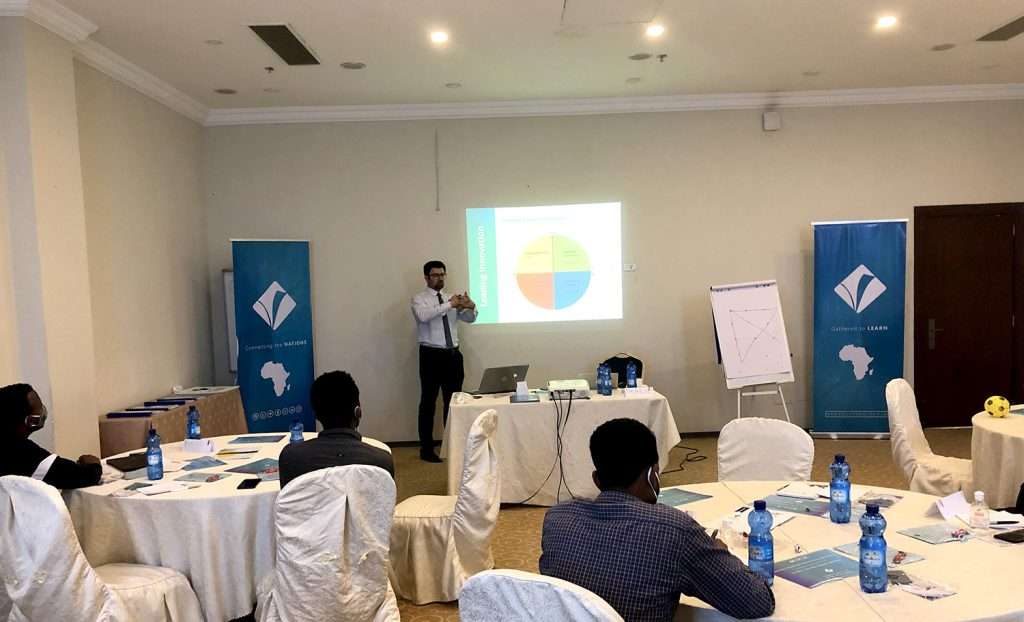
The African Development Bank (AfDB) has been at the forefront of capacity building in Africa, with a focus on enhancing the continent’s ability to address development challenges effectively. The AfDB’s African Development Institute (ADI) spearheads these efforts through a comprehensive approach that encompasses:
Training and Workshops:ADI conducts around 20 training sessions annually across Africa in languages including French, English, and Portuguese. These sessions are developed to improve the design and implementation of Bank-financed operations, with topics ranging from Bank procurement and disbursement procedures to project cycle management and debt sustainability.
Partnerships and Seminars:Collaborating with the Joint Partnership for Africa (JPA), ADI organizes seminars on critical sector issues such as rural development, integrated water management, and governance. These seminars serve as platforms for knowledge exchange and sector-specific capacity building.
Además, el BAfD ha impulsado notablemente el fortalecimiento de la capacidad estadística, centrándose en mejorar la calidad y la disponibilidad de los datos. Para ello recurre a:
Statistical Capacity Building:Initiatives include the development of databases on economic and social statistics, support for the Poverty Reduction Strategy Papers (PRSP) process, and the International Comparison Program for Africa (ICP-Africa). These efforts aim to strengthen national statistical systems and enhance cross-country comparisons of economic aggregates in real terms.
National Strategies for Development Statistics (NSDSs):The AfDB supports African countries in developing or updating their NSDSs, which is pivotal for improving statistical capacities and adhering to international standards.
These contributions by the AfDB underscore its commitment to building a resilient and sustainable future for Africa, aligning with the broader objectives of promoting economic development and citizen inclusion.
Implementation and accountability
For africa’s capacity building, a useful implementation plan should explicitly consider quality assurance, privacy or environmental safeguards where relevant, and transparent reporting. A responsible decision starts by identifying who experiences the problem, who has authority to respond, and what information would change the proposed action. These questions help separate an attractive concept from a feasible intervention.
For example, an organisation considering a new initiative can document the existing process, consult the people who use it, select a manageable pilot and record its baseline. The pilot should have a named owner, a delivery timetable, a complaints route and a realistic operating budget. Progress should be judged against observed results rather than the number of meetings, workshops or announcements completed.
Enfoques innovadores de fortalecimiento de capacidades
Enfoques innovadores de fortalecimiento de capacidades
Los enfoques innovadores de fortalecimiento de capacidades en África aprovechan la tecnología y las alianzas estratégicas para mejorar la eficacia y la sostenibilidad de los programas educativos y de formación:
Aprendizaje impulsado por la tecnología:
Las iniciativas centradas en el desarrollo tecnológico están revolucionando la formación al facilitar el acceso a materiales interactivos, lo que aumenta notablemente la participación de los alumnos y maximiza los resultados educativos.
Alianzas estratégicas para un crecimiento integral:
Las colaboraciones entre gobiernos, organizaciones sin fines de lucro, emprendedores y comunidades están dando lugar a estrategias innovadoras de creación de valor, en particular para impulsar a la juventud africana mediante cursos de emprendimiento y tecnología digital.
Public-private partnerships, along with regional cooperation, underscore the importance of a united approach in addressing the continent’s capacity building needs, emphasizing technology and innovation as pivotal strategies.
Atención a las políticas y a la adaptación al clima:
Los seminarios sobre formulación de políticas de formación y la inclusión de la ciencia de la toma de decisiones en los planes de estudios universitarios ponen de relieve la necesidad de una gestión pública de calidad en la elaboración de políticas.
El consorcio UMFULA de FCFA y el programa CapCET de ACTS son pioneros en modelos de coproducción y en educación sobre el cambio climático, con el objetivo de cerrar las brechas de capacidad y fomentar la resiliencia frente a los retos ambientales.
A practical institutional example
For africa’s capacity building, a useful implementation plan should explicitly consider the difference between a pilot that works once and a process that an institution can sustain. A responsible decision starts by identifying who experiences the problem, who has authority to respond, and what information would change the proposed action. These questions help separate an attractive concept from a feasible intervention.
For example, an organisation considering a new initiative can document the existing process, consult the people who use it, select a manageable pilot and record its baseline. The pilot should have a named owner, a delivery timetable, a complaints route and a realistic operating budget. Progress should be judged against observed results rather than the number of meetings, workshops or announcements completed.
Application for public agencies and donor-funded projects
Cerrar las brechas de capacidad
Para cerrar eficazmente las brechas de capacidad en África, es esencial un enfoque multidimensional que aproveche las alianzas estratégicas, las asociaciones y las estrategias innovadoras. Este enfoque debe abarcar:
Alianzas y asociaciones estratégicas:
Participar en esfuerzos de colaboración con organizaciones sin fines de lucro, gobiernos, empresas y otras partes interesadas para fomentar el desarrollo del capital humano y la innovación tecnológica.
Poner en marcha iniciativas de mejora de las competencias y ofrecer apoyo al desarrollo personal, garantizando una estrategia integral de fortalecimiento de capacidades.
Programas a medida para la inclusión:
Dar prioridad al cierre de la brecha de género en el sector de las TIC y adaptar los programas a las personas con necesidades especiales y a los grupos vulnerables, para que nadie quede excluido de los esfuerzos de fortalecimiento de capacidades.
Reforma y aplicación de políticas:
Encourage African governments to accelerate reform programs, remove bureaucratic impediments, and enhance public administration
What project teams should do next
For africa’s capacity building, a useful implementation plan should explicitly consider the needs of implementing agencies, suppliers, community representatives and development partners. A responsible decision starts by identifying who experiences the problem, who has authority to respond, and what information would change the proposed action. These questions help separate an attractive concept from a feasible intervention.
For example, an organisation considering a new initiative can document the existing process, consult the people who use it, select a manageable pilot and record its baseline. The pilot should have a named owner, a delivery timetable, a complaints route and a realistic operating budget. Progress should be judged against observed results rather than the number of meetings, workshops or announcements completed.
For a ministry or project implementation unit, the practical sequence is to agree the public purpose, map responsibilities across agencies, identify procurement and safeguard requirements, and record the evidence needed for approval. Where a donor finances the work, the project team should use the applicable financing agreement, procurement framework and environmental and social commitments rather than assuming that one generic procedure applies to every project.
Consider a hypothetical donor-funded programme with a limited implementation period. The project manager could commission a baseline assessment, involve local stakeholders in defining service standards, test the proposed intervention in a small number of sites and evaluate performance before expansion. An independent review of expenditure and outcomes can reveal whether the programme is reaching intended beneficiaries and whether the implementing agency can maintain it after external financing ends.
Implementation checklist
- Define the decision and intended beneficiaries.
- Confirm legal, financial and operational constraints.
- Set a baseline and measurable indicators.
- Assign owners and establish stakeholder feedback.
- Pilot, evaluate and revise before scaling.
Preguntas frecuentes
What is the main practical benefit?
It helps decision-makers connect the topic to defined needs, realistic resources and observable outcomes.
What should an organisation assess first?
Start with a baseline, stakeholder needs, delivery responsibilities and applicable legal requirements.
Which implementation risks deserve attention?
Pay attention to affordability, institutional capacity, inclusion, data quality and ongoing maintenance.
How can progress be measured?
Use a small set of baseline-linked indicators, user feedback and periodic independent review.
How does this apply to donor-funded projects?
Apply the project financing agreement and relevant procurement, safeguard, monitoring and reporting obligations.
¿Conoce a personas que deberían leer esto? Hágase embajador de Risalat o escriba un artículo con Risalat con su propio nombre.
Socios para el éxito de los proyectos desde 2011: diagnósticos, asesoría y aprendizaje aplicado para ministerios, organismos públicos y equipos de proyecto.
¿Necesita ayuda para llevar esto a la práctica?
Empiece con un diagnóstico gratuito de 10 minutos o hable con nuestros expertos.