

Обзор
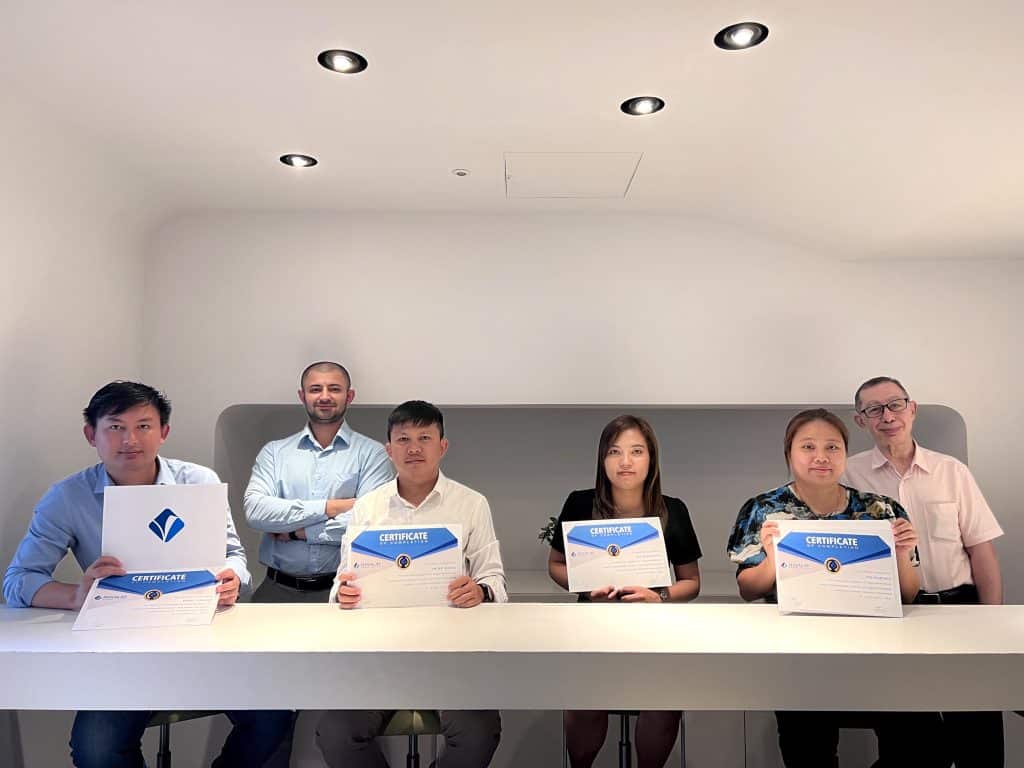
This assignment comprised a specialised training programme on project sustainability, project closure, and impact evaluation delivered in Tokyo, Japan. The training was conducted for officials from the Ministry of Commerce of Cambodia, addressing specific knowledge and skill gaps in managing sustainable project outcomes.
Delivered over three days, the course focused on building practical competencies to help government officials transition passive knowledge into real-world applications across the full project lifecycle.
Client and context
The programme was provided to personnel from the Ministry of Commerce from Cambodia, including the Chief of Bureau, Deputy Chief of Bureau, and other ministry members. It addressed identified gaps in skills and knowledge regarding project sustainability, phase-out processes, and impact evaluation methods.
Objectives
- Address stated gaps in knowledge and skills surrounding project sustainability and impact evaluation.
- Build targeted competencies to transition passive knowledge into practical applications in real-life projects.
- Развитие навыков анализа устойчивости, интегрированного в проектирование проектов для определения актуальности, жизнеспособности и адаптируемости.
- Understand how to design exit strategies and project closure plans that justify investment and ensure desired impacts.
What we delivered
- Краткий обзор ключевых понятий проекта
- Понятие устойчивости проекта и ее значение
- Процесс планирования проекта и устойчивость
- Интеграция устойчивости в жизненный цикл проекта
- Этапы закрытия и сворачивания проекта
- Планирование времени и ресурсов для закрытия проекта
- Обязательства после закрытия проекта
- Сохранение наследия проекта
- Характеристики устойчивости проекта
- Управление устойчивостью проекта (PSM)
- Разработка плана PSM
- Sustainability in program mission, vision, and values
- Выявление заинтересованных сторон
- Управление проектами, ориентированное на результаты
- Внедрение рамки результатов
- Создание системы сбора и анализа данных
- Использование данных для улучшений
- Представление результатов
- Определение успеха и неудачи
- Измерение прогресса и оценка результативности
- Финансовое планирование и анализ проекта
- Адаптация к изменениям
- Мониторинг и оценка проекта
- Показатели результативности, эффективности и воздействия
- Анализ устойчивости проекта
- Непрерывное повышение качества
- Контрольный список PSM
- Мониторинг и оценка против оценки воздействия
- Цепочка результатов и теория изменений
Approach
The training delivery combined core thematic instruction with a focus on real-world implementation, exploring how sustainability balances conflicting environmental, societal, and financial factors across every stage of the project lifecycle.
- Обучение по основным тематическим направлениям обеспечения устойчивости проектов и оценки их воздействия.
- Practical focus on converting passive concepts into applied project techniques.
- Examination of sustainability as an underlying factor across the entire project lifecycle, from planning to exit strategy development.
Results and outputs
- Участники ознакомились с интеграцией анализа устойчивости в проектное проектирование для оценки актуальности, жизнеспособности и адаптируемости.
- Participants learned how to develop exit strategies focused on sustainability to safeguard impact and justify investment effectiveness.
- Participants explored sustainability as a core competency required to balance environmental concerns, societal challenges, financial soundness, and affordability.
At a glance
| Тип клиента | Government ministry (Ministry of Commerce) |
|---|---|
| Страна | Япония |
| Location | Токио |
| Год | 2023 |
| Продолжительность | 3 days (12-15 June, 2023) |
| Участники | Chief of Bureau, Deputy Chief of Bureau, and other members of the Ministry of Commerce from Cambodia |