حقائق رئيسية
- المواعيد
- 1–5 فبراير 2027 (5 أيام)
- المكان
- يُحدَّد لاحقاً، بلغراد، صربيا
- الرسوم لكل مشارك
- £3,360 (GBP)
- الدفع
- بالفاتورة والتحويل المصرفي
- إغلاق التسجيل
- 23 ديسمبر 2026
- الشهادة
- شهادة إتمام
- الخيار المؤسسي
- نفّذه لفريقك، في المواعيد التي تناسبك
نظرة عامة على البرنامج
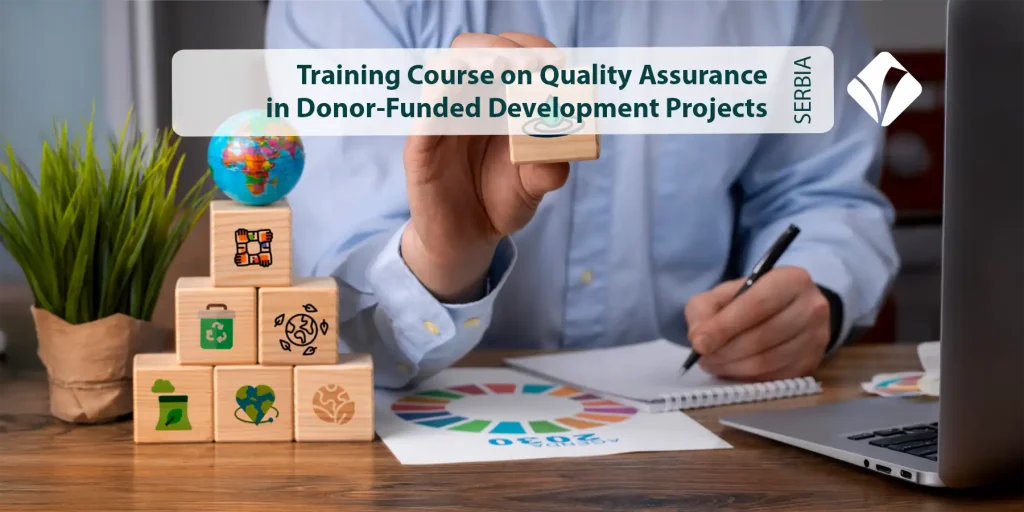
This intensive training programme equips professionals working on donor-funded development projects with the tools and knowledge to implement robust and effective Quality Assurance (QA) systems. Participants will gain a comprehensive understanding of how to integrate QA frameworks into the project lifecycle to enhance transparency, accountability, and results. With a strong focus on international best practices and compliance standards, the programme explores how to align QA procedures with donor procurement guidelines, funding conditions, and national regulatory frameworks. Emphasis is placed on real-world application, drawing on case studies from infrastructure, healthcare, education, and public service delivery sectors. Through interactive learning, practical exercises, and peer exchange, participants will be empowered to strengthen quality outcomes and mitigate performance risks in development interventions.
الفئة المستهدفة
This Donor-Funded Project Quality Assurance Training is ideal for:
- QA/QC Officers in donor-funded projects
- Project Managers and Coordinators
- Procurement and Contract Management Specialists
- Engineers and Technical Supervisors
- M&E Officers
- Government Regulators and Compliance Auditors
- Development Partners and NGO Implementation Teams
حدّد ما يحتاج فريقك إلى القدرة على إنجازه.
- المعاملة
- التسجيل
- الرقابة
- الأدلة
- الرأي
أهداف البرنامج
بنهاية البرنامج، سيتمكن المشاركون من:
- Understand key QA principles in the context of development projects.
- Align QA systems with procurement frameworks of major donors (World Bank, ADB, UN, etc.).
- Design and implement project-specific QA plans and quality control measures.
- Identify and mitigate quality-related risks throughout the project lifecycle.
- Conduct QA audits and prepare quality performance reports.
- Promote a culture of continuous improvement within implementing agencies and contractors.
محتوى البرنامج
- Understanding the role of QA in achieving development outcomes
- Key QA terminologies and definitions in donor project contexts
- International QA standards: ISO, FIDIC, and donor-specific protocols
- Differentiating between QA and Quality Control (QC)
- Overview of Quality Management Systems (QMS)
- Mapping quality requirements across different donor agencies
- Institutional responsibilities for QA implementation
- Developing a project-specific Quality Assurance Plan (QAP)
- Quality objectives, criteria, and scope setting
- Identifying QA-related risks and mitigation strategies
- Aligning QA with procurement and contract management
- Embedding QA checkpoints in project timelines
- Stakeholder roles in quality risk assessment
- Integrating QA into project budgeting and resource planning
- QA oversight during project execution and service delivery
- Contractor/supplier quality assurance responsibilities
- On-site inspections and technical supervision techniques
- Non-conformance identification and resolution protocols
- Documenting QA actions and maintaining audit trails
- Tools for construction and service QA monitoring
- Health, safety, and environmental considerations in QA
- Developing KPIs and quality benchmarks aligned with donor expectations
- QA dashboards and performance scorecards
- Designing and conducting quality audits and peer reviews
- Reporting formats and compliance documentation
- Corrective and preventive action (CAPA) systems
- Integrating QA data into project M&E systems
- Communicating quality performance to stakeholders and funders
- Analysis of successful and failed QA case studies in development projects
- Simulation exercise: Drafting a QA plan with compliance checkpoints
- Group presentations and peer review
- Individual assignment: Evaluate a sample QA report
- Trainer-led critique and coaching session
- Q&A session with donor QA expert (optional guest speaker)
- Final feedback, recap, and certification ceremony
المحتوى الكامل يوماً بيوم
First Day: Fundamentals in Donor-Funded Projects
- Understanding the role of QA in achieving development outcomes
- Key QA terminologies and definitions in donor project contexts
- International QA standards: ISO, FIDIC, and donor-specific protocols
- Differentiating between QA and Quality Control (QC)
- Overview of Quality Management Systems (QMS)
- Mapping quality requirements across different donor agencies
- Institutional responsibilities for QA implementation
Second Day: Quality Planning and Risk-Based Approaches
- Developing a project-specific Quality Assurance Plan (QAP)
- Quality objectives, criteria, and scope setting
- Identifying QA-related risks and mitigation strategies
- Aligning QA with procurement and contract management
- Embedding QA checkpoints in project timelines
- Stakeholder roles in quality risk assessment
- Integrating QA into project budgeting and resource planning
Third Day: Implementation, Supervision & Field QA
- QA oversight during project execution and service delivery
- Contractor/supplier quality assurance responsibilities
- On-site inspections and technical supervision techniques
- Non-conformance identification and resolution protocols
- Documenting QA actions and maintaining audit trails
- Tools for construction and service QA monitoring
- Health, safety, and environmental considerations in QA
Fourth Day: Quality Monitoring, Evaluation, and Reporting
- Developing KPIs and quality benchmarks aligned with donor expectations
- QA dashboards and performance scorecards
- Designing and conducting quality audits and peer reviews
- Reporting formats and compliance documentation
- Corrective and preventive action (CAPA) systems
- Integrating QA data into project M&E systems
- Communicating quality performance to stakeholders and funders
Fifth Day: Case Studies and Practical Simulation
- Analysis of successful and failed QA case studies in development projects
- Simulation exercise: Drafting a QA plan with compliance checkpoints
- Group presentations and peer review
- Individual assignment: Evaluate a sample QA report
- Trainer-led critique and coaching session
- Q&A session with donor QA expert (optional guest speaker)
- Final feedback, recap, and certification ceremony
منهجية البرنامج
The Donor-Funded Project Quality Assurance Training will be delivered using a participatory and hands-on methodology designed to maximize practical learning and real-world application. It will combine expert-led presentations with case study analysis, interactive group discussions, role-playing scenarios, and problem-solving exercises tailored to donor-funded project contexts. Participants will work through QA frameworks, tools, and templates used by major donors, and will engage in peer-to-peer learning to exchange regional experiences. Daily reflection sessions and practical assignments will ensure that participants can internalize concepts and directly apply them to their ongoing or upcoming development projects.
نبذة عن البلد المضيف
Belgrade, Serbia, presents an ideal setting for hosting the Training on Quality Assurance in Donor-Funded Development Projects due to its strategic position as a regional hub in Southeast Europe. Serbia actively engages in numerous EU Instrument for Pre-Accession Assistance (IPA) programmes and collaborates with international donors such as the World Bank, UNDP, and EBRD, offering a practical context for examining quality assurance within donor-funded frameworks. Belgrade’s ongoing reforms in public procurement, infrastructure development, and governance further reinforce its relevance to the training themes. The city also boasts accessible transport links, modern training venues, and a dynamic professional community, making it a suitable and inspiring location for regional capacity building.
مخرجات الدورة
سيحظى المشاركون بتجربة متكاملة الخدمات تغطي كل ما يلزم قبل البرنامج وأثناءه وبعده:
قبل البرنامج
- تقييم مسبق للمشاركين لضمان تحضير فعّال
- دعم واستشارات مجانية بشأن التأشيرة (يتولى فريقنا معالجة طلبات التأشيرة الإلكترونية بالكامل)
أثناء البرنامج
- الاستقبال من المطار والمساعدة عند الوصول
- إقامة مع الإفطار طوال مدة البرنامج
- عشاء ترحيبي للتعارف والتواصل مع المشاركين الآخرين وفريق Risalat
- حقيبة Risalat التدريبية، وتشمل: حقيبة، وقارورة ماء، وكوب قهوة، وقميصاً، وقبعة، وغلاف جواز سفر، وأقلاماً، ودفتراً، ومغناطيساً، وميدالية مفاتيح
- وجبة غداء يومية خلال أيام التدريب
- دليل شامل للدورة ومواد تدريبية
- نماذج وأدوات وأوراق عمل قائمة على المشاريع
- جهاز Mini Pad / جهاز لوحي للوصول الميسّر إلى الموارد الرقمية
- دراسات حالة رقمية وحزم قراءة ومواد مرجعية
- الوصول إلى مجموعات بيانات نموذجية وتمارين عملية
- زيارة ميدانية (حسب الاقتضاء)
- مرطبات مجانية والاستفادة الكاملة من مرافق مكان التدريب
- الوصول إلى موارد التعلم عبر الإنترنت
- جولة ترفيهية في المدينة
- شهادة الإتمام
- جائزة Risalat تقديراً للمشاركة في البرنامج
بعد البرنامج
- الدعم بعد التدريب وإرشادات المتابعة
- تقرير البرنامج
جميع البرامج في بلغرادالمزيد من برامج الحوكمة والمخاطر والامتثال
لماذا بلغراد لهذا البرنامج
وقع الاختيار على بلغراد (صربيا) لهذا البرنامج لسهولة وصول المشاركين المتوقعين إليها وتوافر أماكن ملائمة للتدريب العملي والتفاعلي.
The Training on Quality Assurance in Donor-Funded Development Projects programme in February 2027 brings together officials and professionals. Sessions combine short inputs, case studies and group work on participants' own files, and the city's institutions can be added as a study visit on request.
تحقق مما إذا كنت بحاجة إلى تأشيرة عبر أداة التحقق من التأشيرة المجانية، واطلب خطاب دعوة بعد إتمام تسجيلك.
£3,360 لكل مشارك · فاتورة وتحويل مصرفي · تحصل المجموعات المكونة من 5 مشاركين أو أكثر على خصم
خمسة مشاركين أو أكثر من مؤسسة واحدة: اطلبوا سعر المجموعة عند طلب الفاتورة.
Ten or more: an in-house version for your institution may cost less per person. Ask for an in-house quote.
Registration closes in 51 days (23 Dec 2026)
الموضوع نفسه في مدن أخرى
- برنامج تدريبي في أساسيات إنشاء الطرق وصيانتها (هانوي)
- إدارة التغيير في برامج الإصلاح المدعومة من الجهات المانحة (كوالالمبور)
- برنامج تدريبي في النزاهة والأخلاقيات ومكافحة الفساد في المشتريات العامة (فيينا)
- برنامج تدريبي متقدم في منهجية البحث وتحليل البيانات وإعداد التقارير القائمة على الأدلة (فرانكفورت)
- الموازنة المتقدمة وضبط التكاليف للمؤسسات العامة والتنموية (بانكوك)
- برنامج تدريبي في التدقيق الداخلي الاستراتيجي والمخاطر والحوكمة (باكو)
برامج أخرى في بلغراد
المزيد من الدورات التدريبية في صربيا · جميع البرامج في أوروبا · تقويم التدريب الكامل