

概览
RCI organised and delivered an Environmental and Social Safeguards Training Course for staff members of a national government ministry. The programme was designed to build capacity in environmental and social frameworks and support development projects managed by the ministry.
The training focused on equipping participants with practical tools, techniques, and skills to integrate environmental and social considerations into organisational processes and project implementation, with particular emphasis on the Do No Harm approach.
Client and context
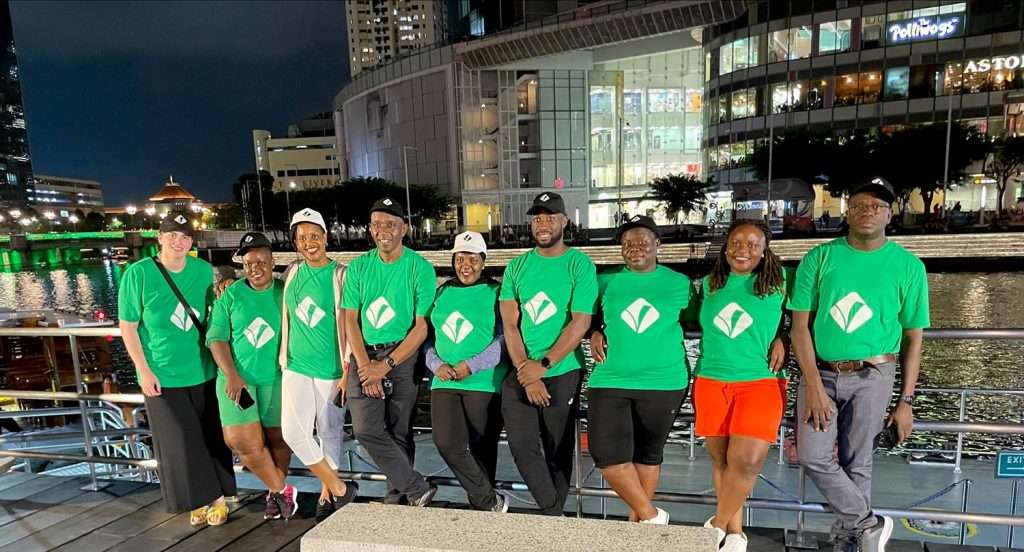
The programme was exclusively organised for eight staff members of the Ministry of Water and Environment of Uganda. The context centered on managing development projects across the country while reinforcing adherence to national plans, international standards, and signed country agreements.
Objectives
- Reinforce participants’ understanding of the environmental and social framework
- Develop and refine essential skills to encourage greater application of the Do No Harm approach across the country’s development projects
- Equip participants with essential tools, techniques, and skills to factor environmental and social considerations into development projects and organisational processes
What we delivered
- Defining environmental and social safeguards
- The role and importance of ESS for development projects and programs
- Environmental and social screening and monitoring
- ESIA policy and procedure
- 环境和社会影响评价(ESIA)良好做法基础
- Do No Harm
- Considering the vulnerable in the society
- Ensuring benefits sharing
- 利益相关方参与
- Social safeguards, standards, and social issues
- 非自愿移民安置
- Resettlement and compensation
- Participation and inclusion of indigenous people and forest-dependent people
- Considering gender and cross-cutting issues
- Shifting cultivation, deforestation, and gender
- 自然栖息地保护
- Biodiversity conservation
- Sustainable natural resource management
- Pollution prevention
- Considering intended and unintended consequences
- 持续进行有意义协商的重要性
- 借鉴国际和区域环境与社会标准(ESS)经验
- Strengthening project safeguard performance
- Aligning projects to national plans and signed country agreements
Approach
The training was delivered through an in-person workshop format, addressing both policy requirements and practical project application across key environmental and social disciplines.
- In-depth coverage of environmental and social impact assessment (ESIA) policies, procedures, and monitoring frameworks
- Detailed analysis of social safeguard standards, stakeholder inclusion, and community engagement principles
- Examination of natural resource management, biodiversity conservation, and environmental protection practices
- Review of international and regional donor requirements alongside country-level alignment
Results and outputs
- Delegates are better able to understand the importance of environmental and social safeguards and what role they play in investment performance
- Participants comprehend the ESS framework of major international donors alongside accompanying documentation and procedural requirements
- Participants can appreciate the roles of different stakeholders and how they can contribute to more inclusive implementation of safeguards
- Delegates are aware of environmental and social safeguards application best practices and are able to utilise the same within their work context
At a glance
| 客户类型 | Government ministry |
|---|---|
| 国家 | 乌干达 |
| Location | 新加坡Amara酒店 |
| 年份 | 2023 |
| 时长 | 19 to 27 June 2023 |
| 学员 | 8 staff members |