Environmental16 Sep 2026 · 14 min read
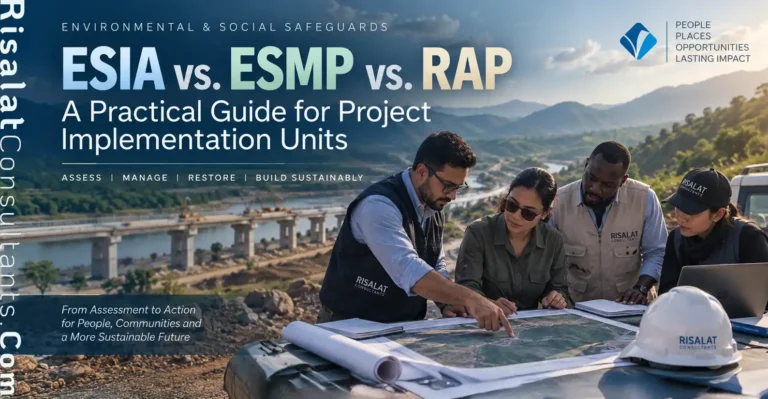
ESIA vs. ESMP vs. RAP: A Practical Guide for Project Implementation Units
ESIA, ESMP and RAP are among the most important environmental and social instruments used in development projects, but…
Read insightYour choices are remembered on this device. Designed to WCAG 2.2 AA · keyboard: Tab to move, Esc to close. Read our accessibility statement.
Press / to search from any page · Esc to close
Practical insights on infrastructure for governments, development partners and project teams.
ESIA, ESMP and RAP are among the most important environmental and social instruments used in development projects, but…
Read insightSmart municipal budgeting enables cities to transform limited resources into strategic investments for sustainable growth. By combining data-driven…
Read insightCybersecurity has become a core pillar of digital governance as governments face increasingly sophisticated cyber threats targeting sensitive…
Read insightElectronic Toll Collection (ETC) is transforming infrastructure management by reducing congestion, cutting emissions, and improving digital revenue systems.…
Read insightCentral Asia is investing $50 billion in environmentally responsible transport corridors reshaping Eurasian trade. Kazakhstan now handles 80…
Read insightThis revolution in transport infrastructure improvement is not only enhancing connectivity but also addressing pressing challenges such as…
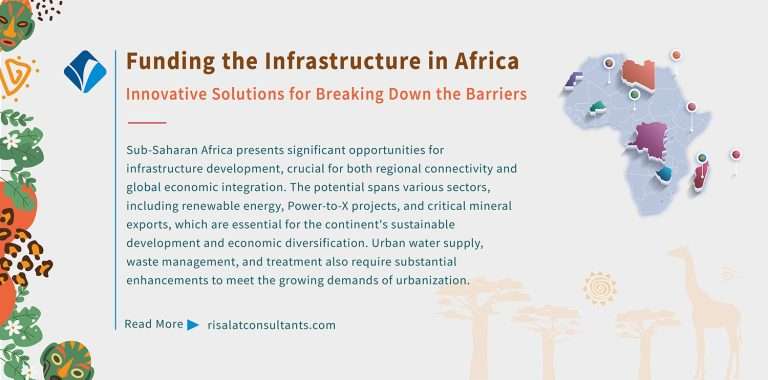
Read insightThe scale and complexity of needs for funding the infrastructure in Africa are immense, but so are the…
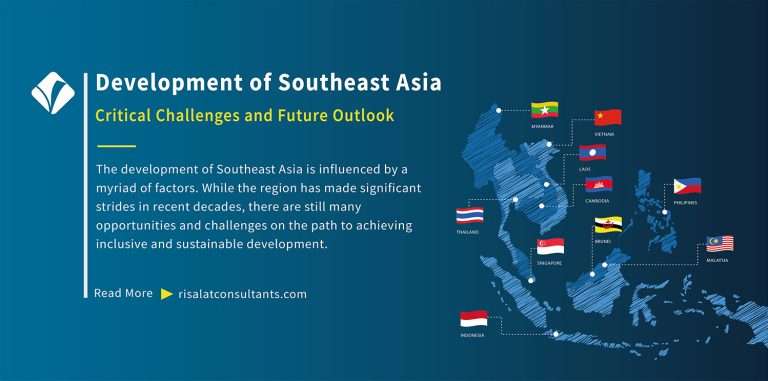
Read insightThe development of Southeast Asia is significantly reliant on strategic partnerships and regional cooperation frameworks. SEARP plays a…
Read insightThe global community faces several challenges that necessitate sustainability in infrastructure development. They include climate change, population growth,…
Read insightSmart cities leverage a variety of technologies to enhance resident experience. They are driven by digital innovation and…
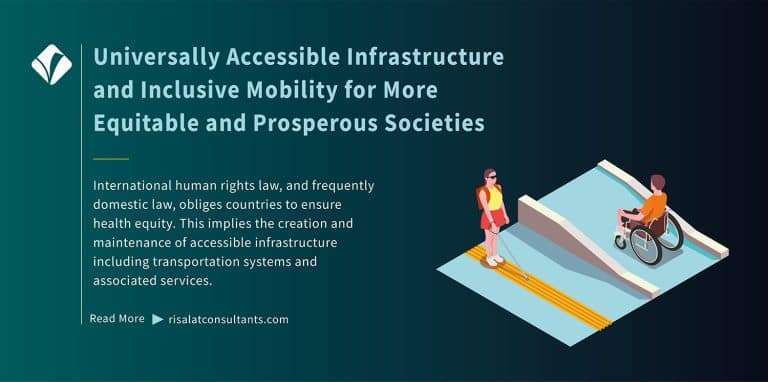
Read insightInternational human rights law, and frequently domestic law, obliges countries to ensure health equity. This implies the creation…
Read insightWe use essential cookies to run this website securely. With your permission we also use cookies for live chat, to understand how the site is used, and to measure our advertising. You can change your choice at any time from “Cookie settings” at the bottom of every page. Privacy and cookie policy
New programme dates, free tools and short insights on procurement, safeguards, M&E and public-sector delivery. No spam; unsubscribe any time.
By subscribing you agree to receive our newsletter. Privacy policy