Datos clave
- Fechas
- 1–5 feb 2027 (5 días)
- Dónde
- Klaus K Hotel, Helsinki, Finlandia
- Tarifa por participante
- £4,750 (GBP)
- Pago
- Mediante factura y transferencia bancaria
- Cierre de inscripciones
- 23 dic 2026
- Certificado
- Certificado de finalización
- Opción interna
- Impártalo para su equipo, en sus fechas
Introducción al programa
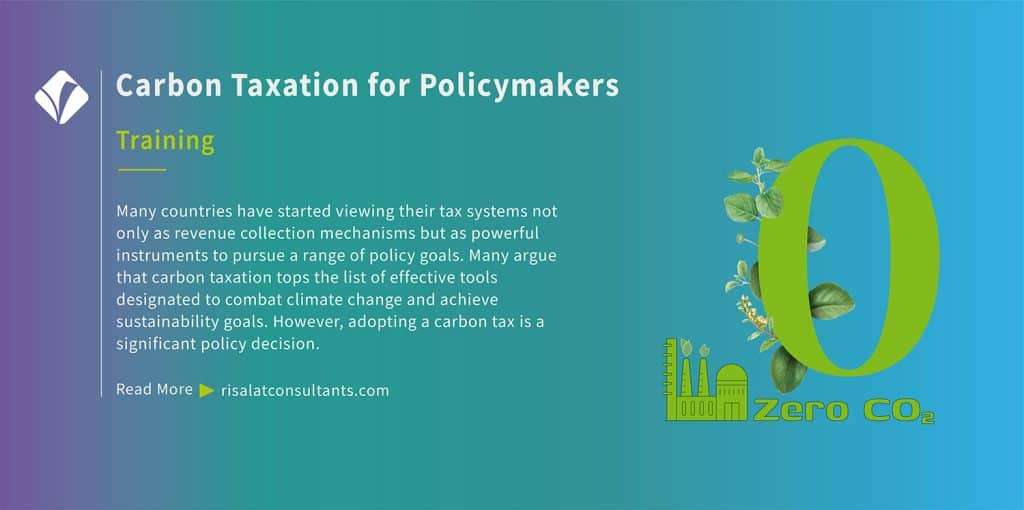
Following the Paris Climate Accords, the world has witnessed a resurgence in the interest of policy instruments that put a price on greenhouse gas emissions (GHG). Many countries have started viewing their tax systems not only as revenue collection mechanisms but as powerful instruments to pursue a range of policy goals. Many argue that carbon taxation tops the list of effective tools designated to combat climate change and achieve sustainability goals. However, adopting a carbon tax is a significant policy decision. It needs to be approached carefully to ensure it serves the right purpose and achieves the desired outcome.
Carbon tax normally forms part of a larger climate, energy, and fiscal policy mix. Determining whether the carbon tax is a suitable choice requires a detailed understanding of its work mechanism, comparative advantages against other policy tools, and how it matches with specific country objectives. Comprehending how different policy tools complement, overlap with, and counteract each other is what can drive policy design success.
This training programme has exclusively been developed by Risalat to help its delegates understand the peculiarities of carbon taxation and policymaking. Throughout the programme, you shall acquire vital knowledge and skills to promote the achievement of carbon neutrality.
- Insumos
- Actividades
- Productos
- Efectos
- Impacto
Público destinatario
The programme is suitable for:
- Government officials and policymakers responsible for the design, implementation, and evaluation of carbon policies
- Business Managers and Executives that are affected by carbon taxation and GHG reduction policy
- Environmental and Sustainability Specialists
- Members of NGOs and CSOs advocating for climate change mitigation
Marque lo que su equipo necesita ser capaz de hacer.
Objetivos del programa
Upon the successful completion of this training course, its delegates shall be able to:
- Demonstrate a solid understanding of fundamental carbon pricing concepts
- Comprehend what role carbon pricing plays in the achievement of global climate change and carbon neutrality goals
- Understand carbon policy design options and analyze their advantages and disadvantages
- Assess the economic implications of carbon taxation
- Understand the environmental, social equity, and distributional impacts of carbon taxation
- Learn how to build carbon policy implementation and compliance capacity
- Promote collaboration and engagement during carbon policymaking for better design outcomes
Contenido del programa
- Understanding climate change
- The growing interest in carbon pricing
- Fundamental concepts relating to carbon pricing
- International climate agreements and commitments
- Carbon taxation policy rationale – When is it the right choice?
- Alignment with national climate goals and development objectives
- Setting the stage for tax design
- Determining policy objectives
- Framing the national context
- Principles of effective carbon tax design
- Carbon tax modeling
- Partial economic and technology models
- Systemic economic and technology models
- Choosing a suitable modeling approach
- Defining carbon tax base
- Determining tax rate
- Carbon tax coverage and exemptions
- Revenue allocation and use
- Economic Implications of a carbon tax and market behavior
- Environmental Impact and climate risk mitigation
- Interactions between a carbon tax and other policy instruments
- Equity Considerations in carbon tax policies
- Distributional impacts on different population groups
- Generating public acceptance of carbon taxes
- Policy implementation and compliance; Ensuring oversight
- Addressing unwanted outcomes
- Evaluating policy outcomes
- Adjusting tax programmes following the evaluation
- The last day of the programme will focus on the practical utilization of knowledge and skills acquired during the previous days.
- The first part of the session will serve as a skills application exercise focused on building a carbon tax model and drafting policy considerations.
- The second part of the day will center on the exposure visit to RCI partner institution engaged with carbon policy, taxation, and stakeholder communication.
Contenido completo día a día
Primer día
- Understanding climate change
- The growing interest in carbon pricing
- Fundamental concepts relating to carbon pricing
- International climate agreements and commitments
- Carbon taxation policy rationale – When is it the right choice?
- Alignment with national climate goals and development objectives
- Setting the stage for tax design
Segundo día
- Determining policy objectives
- Framing the national context
- Principles of effective carbon tax design
- Carbon tax modeling
- Partial economic and technology models
- Systemic economic and technology models
- Choosing a suitable modeling approach
Tercer día
- Defining carbon tax base
- Determining tax rate
- Carbon tax coverage and exemptions
- Revenue allocation and use
- Economic Implications of a carbon tax and market behavior
- Environmental Impact and climate risk mitigation
- Interactions between a carbon tax and other policy instruments
Cuarto día
- Equity Considerations in carbon tax policies
- Distributional impacts on different population groups
- Generating public acceptance of carbon taxes
- Policy implementation and compliance; Ensuring oversight
- Addressing unwanted outcomes
- Evaluating policy outcomes
- Adjusting tax programmes following the evaluation
Fifth Day – Application Exercise and Exposure Visit
The last day of the programme will focus on the practical utilization of knowledge and skills acquired during the previous days. The first part of the session will serve as a skills application exercise focused on building a carbon tax model and drafting policy considerations.
The second part of the day will center on the exposure visit to RCI partner institution engaged with carbon policy, taxation, and stakeholder communication.
Metodología del programa
The programme focuses on practical skills development, knowledge enhancement, and best practice exchange on carbon pricing and taxation. The structure of the presentation, exercises, simulations, case studies, discussion questions, and modeling assignments derive from the target audience’s needs.
Proven adult-learning methodology and principles guide the entire process intending to maximize the effectiveness of the delivery and create a long-lasting impact. Practical exposure targets the exchange of knowledge and best practices between delegates and RCI partners.
- Fondos
- Entidad
- Proyecto
- Resultados
- MRV
Perfil del país anfitrión
In 1990, Finland became the first country to implement a carbon taxation policy. The policy aimed to curb greenhouse gas emissions. The said tax was developed as a component of Finland’s excise tax on fossil fuels used for transportation and heating. Since then, the country’s carbon policy has greatly evolved, and policymakers have accumulated substantial expertise in carbon pricing and taxation.
Currently, Finland aims to achieve carbon neutrality by 2035. The main focus of the country’s climate strategy is to intensify programmes targeting GHG reduction including efficiency improvements in the energy production and utilization systems, and use of energy and carbon taxes. In addition, the Finnish action programme includes measures to enhance carbon reservoirs and sinks.
Entregables del curso
Los participantes disfrutarán de un servicio integral que cubre todo lo necesario antes, durante y después del programa:
Antes del programa
- Evaluación previa del participante para garantizar una preparación eficaz
- Apoyo y asesoramiento gratuitos para el visado (nuestro equipo tramita íntegramente las solicitudes de visado electrónico)
Durante el programa
- Recogida en el aeropuerto y asistencia de bienvenida
- Alojamiento con desayuno durante toda la estancia
- Cena de bienvenida para establecer contactos con los demás participantes y el equipo de Risalat
- Kit de formación de Risalat, que incluye: bolsa, botella de agua, taza de café, camiseta, gorra, funda de pasaporte, bolígrafos, cuaderno, imán y llavero
- Almuerzo diario durante los días de formación
- Manual completo del curso y materiales de formación
- Plantillas, herramientas y fichas de trabajo basadas en proyectos
- Mini Pad / tableta para acceder cómodamente a los recursos digitales
- Estudios de caso digitales, dosieres de lectura y materiales de consulta
- Acceso a conjuntos de datos de muestra y ejercicios prácticos
- Visita de campo (cuando proceda)
- Refrigerios gratuitos y todas las instalaciones de la sede de formación
- Acceso a recursos de aprendizaje en línea
- Recorrido turístico por la ciudad
- Certificado de finalización
- Reconocimiento a la participación en programas de Risalat
Después del programa
- Apoyo posterior a la formación y orientación de seguimiento
- Informe del programa
Todos los programas en HelsinkiMás programas de Cambio climático y medio ambiente
Por qué Helsinki para este programa
Helsinki (Finlandia) fue elegida para este programa porque es de fácil acceso para los participantes previstos y cuenta con sedes adecuadas para una formación práctica e interactiva.
The Training on Carbon Taxation for Policymakers programme in February 2027 brings together officials and professionals. Sessions combine short inputs, case studies and group work on participants' own files, and the city's institutions can be added as a study visit on request.
Compruebe si necesita visado con el Verificador de visados gratuito y solicite una carta de invitación una vez inscrito.
£4,750 per participant · invoice and bank transfer · groups of 5 or more receive a discount
Cinco o más personas de una misma organización: solicite la tarifa de grupo al pedir la factura.
Ten or more: an in-house version for your institution may cost less per person. Ask for an in-house quote.
Registration closes in 51 days (23 Dec 2026)
Otros programas en Helsinki
- Fortalecimiento de capacidades en IA para gobiernos locales y concejos municipales
- Cómo realizar evaluaciones eficaces de necesidades de aprendizaje: curso de formación en Helsinki
- Formación y experiencia práctica en tarificación del carbono y formulación de políticas en Helsinki
- Taller y viaje de estudio sobre desarrollo profesional docente
- Formación en gestión de la provisión de alojamiento y asentamientos humanitarios en Helsinki
Relacionado: Programas de financiación climática y energía · Preparación de propuestas de financiación climática gratuita · todos los programas
Más cursos de formación en Finlandia · Todos los programas en Europa · Calendario de formación completo