关键信息
- 日期
- 2027年2月1–5日(5天)
- 地点
- Klaus K酒店(芬兰赫尔辛基)
- 每位学员费用
- £4,750 (GBP)
- 付款
- 通过发票和银行转账付款
- 报名截止
- 2026年12月23日
- 证书
- 结业证书
- 内训选项
- 按您的日期,为您的团队专场举办
培训项目介绍
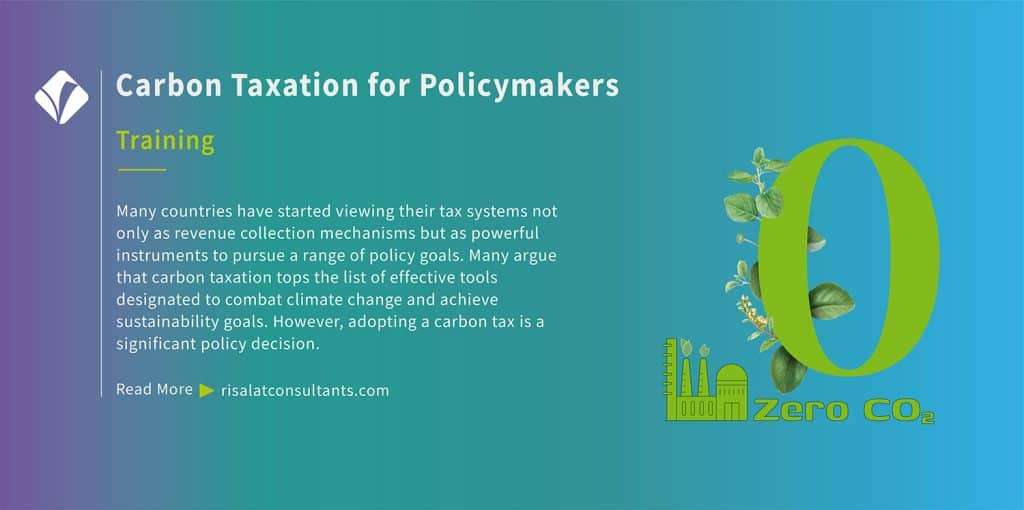
Following the Paris Climate Accords, the world has witnessed a resurgence in the interest of policy instruments that put a price on greenhouse gas emissions (GHG). Many countries have started viewing their tax systems not only as revenue collection mechanisms but as powerful instruments to pursue a range of policy goals. Many argue that carbon taxation tops the list of effective tools designated to combat climate change and achieve sustainability goals. However, adopting a carbon tax is a significant policy decision. It needs to be approached carefully to ensure it serves the right purpose and achieves the desired outcome.
Carbon tax normally forms part of a larger climate, energy, and fiscal policy mix. Determining whether the carbon tax is a suitable choice requires a detailed understanding of its work mechanism, comparative advantages against other policy tools, and how it matches with specific country objectives. Comprehending how different policy tools complement, overlap with, and counteract each other is what can drive policy design success.
This training programme has exclusively been developed by Risalat to help its delegates understand the peculiarities of carbon taxation and policymaking. Throughout the programme, you shall acquire vital knowledge and skills to promote the achievement of carbon neutrality.
- 投入
- 活动
- 产出
- 成果
- 影响
目标学员
The programme is suitable for:
- Government officials and policymakers responsible for the design, implementation, and evaluation of carbon policies
- Business Managers and Executives that are affected by carbon taxation and GHG reduction policy
- Environmental and Sustainability Specialists
- Members of NGOs and CSOs advocating for climate change mitigation
勾选您的团队需要具备的能力。
培训项目目标
Upon the successful completion of this training course, its delegates shall be able to:
- Demonstrate a solid understanding of fundamental carbon pricing concepts
- Comprehend what role carbon pricing plays in the achievement of global climate change and carbon neutrality goals
- Understand carbon policy design options and analyze their advantages and disadvantages
- Assess the economic implications of carbon taxation
- Understand the environmental, social equity, and distributional impacts of carbon taxation
- Learn how to build carbon policy implementation and compliance capacity
- Promote collaboration and engagement during carbon policymaking for better design outcomes
培训项目内容
- Understanding climate change
- The growing interest in carbon pricing
- Fundamental concepts relating to carbon pricing
- International climate agreements and commitments
- Carbon taxation policy rationale – When is it the right choice?
- Alignment with national climate goals and development objectives
- Setting the stage for tax design
- Determining policy objectives
- Framing the national context
- Principles of effective carbon tax design
- Carbon tax modeling
- Partial economic and technology models
- Systemic economic and technology models
- Choosing a suitable modeling approach
- Defining carbon tax base
- Determining tax rate
- Carbon tax coverage and exemptions
- Revenue allocation and use
- Economic Implications of a carbon tax and market behavior
- Environmental Impact and climate risk mitigation
- Interactions between a carbon tax and other policy instruments
- Equity Considerations in carbon tax policies
- Distributional impacts on different population groups
- Generating public acceptance of carbon taxes
- Policy implementation and compliance; Ensuring oversight
- Addressing unwanted outcomes
- Evaluating policy outcomes
- Adjusting tax programmes following the evaluation
- The last day of the programme will focus on the practical utilization of knowledge and skills acquired during the previous days.
- The first part of the session will serve as a skills application exercise focused on building a carbon tax model and drafting policy considerations.
- The second part of the day will center on the exposure visit to RCI partner institution engaged with carbon policy, taxation, and stakeholder communication.
完整的每日课程内容
第一天
- Understanding climate change
- The growing interest in carbon pricing
- Fundamental concepts relating to carbon pricing
- International climate agreements and commitments
- Carbon taxation policy rationale – When is it the right choice?
- Alignment with national climate goals and development objectives
- Setting the stage for tax design
第二天
- Determining policy objectives
- Framing the national context
- Principles of effective carbon tax design
- Carbon tax modeling
- Partial economic and technology models
- Systemic economic and technology models
- Choosing a suitable modeling approach
第三天
- Defining carbon tax base
- Determining tax rate
- Carbon tax coverage and exemptions
- Revenue allocation and use
- Economic Implications of a carbon tax and market behavior
- Environmental Impact and climate risk mitigation
- Interactions between a carbon tax and other policy instruments
第四天
- Equity Considerations in carbon tax policies
- Distributional impacts on different population groups
- Generating public acceptance of carbon taxes
- Policy implementation and compliance; Ensuring oversight
- Addressing unwanted outcomes
- Evaluating policy outcomes
- Adjusting tax programmes following the evaluation
Fifth Day – Application Exercise and Exposure Visit
The last day of the programme will focus on the practical utilization of knowledge and skills acquired during the previous days. The first part of the session will serve as a skills application exercise focused on building a carbon tax model and drafting policy considerations.
The second part of the day will center on the exposure visit to RCI partner institution engaged with carbon policy, taxation, and stakeholder communication.
培训项目方法
The programme focuses on practical skills development, knowledge enhancement, and best practice exchange on carbon pricing and taxation. The structure of the presentation, exercises, simulations, case studies, discussion questions, and modeling assignments derive from the target audience’s needs.
Proven adult-learning methodology and principles guide the entire process intending to maximize the effectiveness of the delivery and create a long-lasting impact. Practical exposure targets the exchange of knowledge and best practices between delegates and RCI partners.
- 资金
- 实体
- 项目
- 结果
- MRV(监测、报告与核查)
东道国概况
In 1990, Finland became the first country to implement a carbon taxation policy. The policy aimed to curb greenhouse gas emissions. The said tax was developed as a component of Finland’s excise tax on fossil fuels used for transportation and heating. Since then, the country’s carbon policy has greatly evolved, and policymakers have accumulated substantial expertise in carbon pricing and taxation.
Currently, Finland aims to achieve carbon neutrality by 2035. The main focus of the country’s climate strategy is to intensify programmes targeting GHG reduction including efficiency improvements in the energy production and utilization systems, and use of energy and carbon taxes. In addition, the Finnish action programme includes measures to enhance carbon reservoirs and sinks.
课程成果
学员将享受全方位服务,涵盖培训前、培训中及培训后所需的一切:
培训开始前
- 学员课前评估,确保做好充分准备
- 免费签证支持与咨询(电子签证申请由我们的团队全程办理)
培训期间
- 机场接机与欢迎协助
- 全程住宿(含早餐)
- 欢迎晚宴,便于与其他学员及Risalat团队交流联谊
- Risalat培训礼包,包括:背包、水瓶、咖啡杯、T恤、帽子、护照套、笔、笔记本、冰箱贴、钥匙扣
- 培训期间每日提供午餐
- 全面的课程手册与培训资料
- 基于项目的模板、工具与工作表
- 迷你平板电脑,便于访问数字资源
- 数字化案例研究、阅读资料包与参考资料
- 提供样本数据集与实践练习
- 实地考察(如适用)
- 免费茶歇及全套培训场地设施
- 可使用在线学习资源
- 城市休闲观光
- 结业证书
- Risalat培训项目参与表彰奖
培训结束后
- 培训后支持与跟进指导
- 培训项目报告
为何选择在赫尔辛基举办本培训项目
选择芬兰赫尔辛基举办本培训项目,是因为预期学员前往便利,且当地拥有适合开展实践性、互动式培训的场地。
The Training on Carbon Taxation for Policymakers programme in February 2027 brings together officials and professionals. Sessions combine short inputs, case studies and group work on participants' own files, and the city's institutions can be added as a study visit on request.
使用免费的签证查询工具确认您是否需要签证,完成报名后即可申请邀请函。
£4,750 per participant · invoice and bank transfer · groups of 5 or more receive a discount
同一机构五人及以上:请在申请发票时索取团体价。
Ten or more: an in-house version for your institution may cost less per person. Ask for an in-house quote.
Registration closes in 51 days (23 Dec 2026)
赫尔辛基的其他培训项目
相关:气候融资与能源培训项目 · 免费气候融资提案准备度评估 · 全部培训项目