
Switching careers can be a difficult and emotional process, especially when budget cuts force you to reconsider your professional future. This is particularly true in sectors such as humanitarian and development work, where funding reductions often result in job losses or significant shifts in organizational priorities.
The good news is that skill development offers a way forward to switching careers successfully. Your ability to adapt and grow professionally will help you thrive in these uncertain times. This matters whether you need a career change or want to build a more secure future.
This piece shows you the exact steps to identify, develop, and utilize essential skills that will support your career transition in 2025. You’ll learn about skill development programs and discover free certification courses that make switching careers both possible and budget friendly.
Sometimes challenges can become stepping stones to professional growth. Let’s find out how.
Assess Your Current Skills
A successful career transition starts with getting a full picture of your current skill set. Jobtimize research shows that skill assessments that include personality traits and interests boost job performance by a lot. These assessment tools give you transparency and self-awareness to make well-informed career decisions.
Technical skills create the foundation of your professional expertise. These abilities cover practical tasks and specific knowledge you need to do your job. Start by documenting your proficiency in:
- Programming languages and software applications
- Data analysis and visualization tools
- Industry-specific equipment operation
- Project management methodologies
- Technical documentation and writing
Technical skills evolve constantly, so it’s vital to stay current with industry trends. Your ability list should specify proficiency levels using terms like basic, proficient, and advanced to give potential employers an accurate self-assessment.
Identify transferable skills
Transferable skills, also known as portable skills, become valuable assets during switching careers. Here are strategic steps to uncover your transferable skills:
- Map your trip through your career by listing all jobs, internships, and volunteer roles
- Document key responsibilities and daily tasks from each position
- Categorize skills as either technical or transferable
- Review each role again to find additional transferable abilities
Organizations with a skills-based approach are 57% more likely to show agility, as employees with transferable skills adapt quickly to changing market conditions. Research shows that top-performing employees spend about 50% of their time working with others.
Career coaches or mentors can help improve your skill assessment process and uncover additional transferable skills. Networking with professionals in your target industry can teach you about cross-functional skills you might have missed.
Your personal skills gap analysis should compare your current abilities against those needed for your desired career path. This analysis helps you spot areas that need development and guides your professional growth strategy. You should focus on skills that bring you genuine satisfaction, as these often match your career aspirations naturally.
Research Growing Career Fields
Career opportunities keep changing, and some industries are growing remarkably fast. You can make better career decisions by learning about these changes.
High-demand industries in 2024
The healthcare sector guides employment growth and will add over 2 million jobs between 2022 and 2032. Data scientists, fintech engineers, and AI specialists rank among the fastest-growing roles. Wind turbine service technicians show an impressive 60% growth rate, while solar photovoltaic installers follow at 48%.
The tech sector stays resilient. Information security analysts see a 33% growth rate. Medical and health services managers can expect a 29% increase in opportunities. Computer and information research scientists project a 26% growth rate, which creates promising prospects for tech careers.
Remote work opportunities
Remote work keeps gaining momentum. About 81% of job seekers just need fully remote positions over other factors. Engineering, business development, and data entry show the highest growth in remote opportunities. The finance sector offers competitive remote positions, with average annual salaries reaching 93’000 USD.
Salary expectations
Pay varies by a lot across industries. Computer and information research scientists earn the highest wages at approximately 158’000 USD annually. Nurse practitioners can expect around 127’000 USD per year. Data scientists earn approximately 108’000 USD annually.
The legal industry offers great earning potential. Lawyers average 177’000 USD yearly. New roles in renewable energy, like wind turbine service technicians, earn around 62’000 USD annually. Professional services project a growth rate of 10.9%, and create 7 out of every 10 new jobs in the industry.
You should think about factors like education requirements, location, and what each industry needs before pursuing these opportunities. Jobs in major cities often pay more, especially in legal services.
Build Essential New Skills
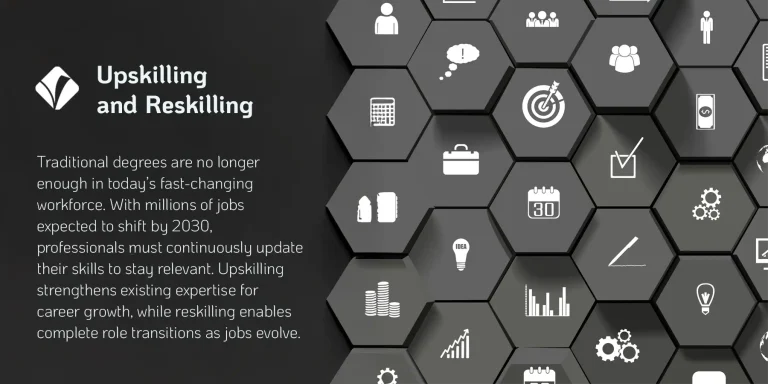
New skills are a vital step for switching and advancing careers. Research shows that 50% of all jobs will need different skillsets by 2027. The good news is that you can acquire these essential abilities without spending much money.
Free online learning platforms
Many platforms provide free learning opportunities in a variety of fields. Coursera offers more than 1,500 free courses from world-class universities. These courses include programming, digital marketing, and data analysis. EdX brings flexible learning options from university faculty and industry leaders. Through partnerships with 15-year old learning platforms, Google Digital Garage now offers over 7,000 free courses.
Professional certifications
Professional certifications will confirm your expertise and boost your market value. Data analytics certification improves your problem-solving capabilities in evidence-based environments. Project Management Professional (PMP) certification helps you manage responsibilities better. Digital marketing certifications, including social media and Google credentials, are especially valuable in today’s market.
Practical skill development programs
Hands-on experience from practical programs helps with career transitions. Business, Technical and Vocational Education and Training (BTVET) programs emphasize construction, manufacturing, and agriculture sectors. These programs typically feature:
- Interactive lectures and study groups
- Real-life assignments
- Shared group projects
- Portfolio development opportunities
Tech companies hire graduates directly from job training programs. To name just one example, see Merit America’s program graduates who land positions at major organizations like Amazon, Walmart, and JPMorgan Chase. On top of that, volunteering offers great ways to gain practical experience while helping community development.
Financial literacy certifications help you understand finances, forecasting, and modeling better. Emotional intelligence training certificates strengthen your people skills, which you need for career growth. These skill development paths give you structured learning experiences that save more time and money than traditional degrees.
Create Your Transition Plan
“The key is not to prioritize what’s on your schedule, but to schedule your priorities.” | Stephen Covey, American educator, author, businessman, and keynote speaker
A well-laid-out transition plan acts as your roadmap when switching careers after budget cuts. Professional career coaches say it takes about two years to change careers, especially if you need to develop skills in a new industry.
Set realistic timelines
Your career transition becomes easier when you break it into manageable phases. Statistics show it takes six months on average to get a new job in the same field. You should think about setting goals for 3-, 6-, and 12-month periods. To name just one example:
- 3-month goals: Complete your original skill assessments and start training
- 6-month goals: Get necessary certifications
- 12-month goals: Land positions in your target industry
Career transition experts say your success depends on creating SMART (Specific, Measurable, Achievable, Relevant, Time-bound) goals. A good example would be instead of saying “I want a new job,” you specify “I will secure a project management role in the tech industry by Q2 next year.”
Budget for the switch
Financial preparation is vital for a smooth transition. Start by building an emergency fund that covers 3-6 months of simple expenses. You should analyze your spending patterns and create two key budgets:
- Transition Budget: Calculate your monthly costs plus transition expenses like certification fees or equipment purchases
- Future Budget: Plan how your income might change in your new role
Research shows career changers should live on their predicted new salary before making the switch. So if you expect a lower starting income, adjust your lifestyle now. You can explore extra income through part-time work or freelancing to build your transition fund.
Look into your current workplace’s employer-sponsored benefits, especially tuition reimbursement programs for continuing education. Financial advisors can help you spot options you might have missed. Good planning lets you focus on your career goals without money worries getting in the way.
Key Takeaways
Budget cuts can make career changes feel daunting. A solid skill development plan paves the way to success. Professionals adapt well to market changes when they get a full picture of their abilities and plan strategically.
The job market shows promise in healthcare, technology, and renewable energy sectors. Remote work has become a common choice. Switching careers can be done successfully by mixing free online courses with certifications and hands-on training. You can now join international training programs that add global expertise to your portfolio.
Smart money management and realistic timelines build a strong base to switching careers. Clear goals, emergency savings, and adjusted spending help you transition without money worries.
A career change needs time and patience. Start by assessing your skills and explore growing fields that match your interests. Build key skills using available resources and stick to your transition plan. Your dedication to growth today shapes your success tomorrow.
Partners in project success since 2011, diagnostics, advisory support and applied learning for ministries, public agencies and project teams.
Need help putting this into practice?
Start with a free 10-minute diagnostic or talk to our experts.