关键信息
- 日期
- 2027年2月1–5日(5天)
- 地点
- 多伦多市中心住宿与会议中心,加拿大安大略省多伦多
- 每位学员费用
- £4,780(英镑)
- 付款
- 通过发票和银行转账付款
- 报名截止
- 2026年12月23日
- 证书
- 结业证书
- 内训选项
- 按您的日期,为您的团队专场举办
培训项目概述
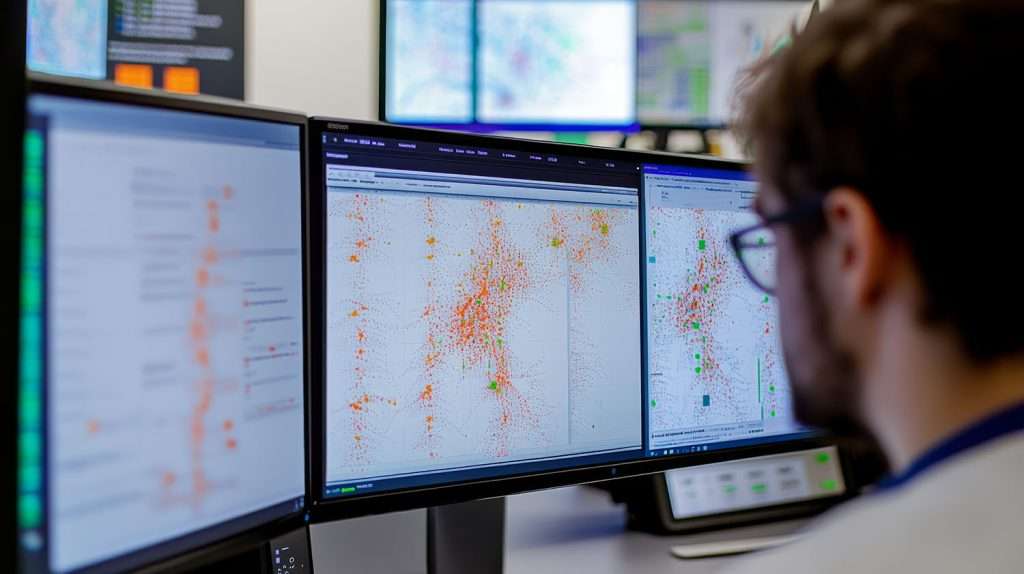
Air pollution continues to be one of the most pressing environmental and public health challenges worldwide. Addressing it effectively requires not only advanced monitoring systems but also the ability to interpret complex data for informed decision-making. This training course provides an in-depth understanding of modern air quality monitoring technologies, data acquisition methods, and advanced analysis techniques. It focuses on equipping participants with hands-on skills to evaluate air quality data and translate findings into actionable insights for policy and programme design. Through a blend of expert-led sessions, case studies, field demonstrations, and practical exercises, participants will gain the competencies needed to manage and analyze air pollution data in diverse contexts.
Host Country Profile Toronto as Canada's largest city and a global hub for research and innovation, it is home to an extensive air quality monitoring network managed by the Ontario Ministry of the Environment, Conservation and Parks, featuring high-precision instruments such as gas chromatographs, beta attenuation monitors (BAM), and continuous ambient air analyzers. Toronto is also a hub for research in atmospheric sciences, with institutions like the University of Toronto and Environment and Climate Change Canada leading advanced studies on pollutant dispersion modeling, satellite data integration, and sensor calibration methodologies. The region's experience with urban air quality challenges, particularly related to vehicular emissions and transboundary pollution, makes it an ideal setting for practical case studies, data interpretation exercises, and exposure to real-time monitoring infrastructure. Before the Programme During the Programme After the Programme
Delivered by Risalat Consultants International in Toronto, Ontario, Canada, it combines expert-led sessions, real cases and group work, so that participants can apply what they learn in their own institution.
本培训项目可在以下方面加强机构能力
- 空气污染物、污染源及全球标准概述
- 空气质量监测网络设计
- 地面监测、卫星监测与低成本传感器的比较
- 数据质量保证(QA/QC)规程
- 先进仪器:紫外荧光、β射线衰减、激光雷达(LIDAR)
- 传感器校准技术与规程
- 实地工作:部署、维护与故障排除
- 数据记录与传输系统
- 变革理论与结果链
- 逻辑框架与成果框架
- SMART指标、基线与目标
- 数据收集方法与工具
It is designed for environmental and climate change officers, air quality monitoring specialists, urban planners and municipal environmental staff and others who want practical, current skills in monitoring and evaluation.
- 收集
- 清洗
- 存储
- 分析
- 决策
The Growing Importance of Training
政府和出资方希望了解发生了哪些变化,而不仅仅是花了多少钱。如今,成果框架、指标和可信的证据决定着项目如何被评判,以及能否获得后续资金。
许多团队收集了大量数据,却难以将其转化为决策。健全的监测与评估能将活动与成果联系起来,及早显示进展,并促进整个机构的学习。
各机构日益需要具备以下能力的专业人员:
- 设计包含可衡量指标的成果框架
- 收集并核查值得信赖的数据
- 分析进展并解释偏差
- 规划和管理评估
- 运用证据调整计划并报告成果
健全的监测与评估体系可帮助组织:
- 向出资方和公民清晰展示成果
- 及早发现延误和问题
- 提高决策质量
- 满足报告和评估要求
This Training programme brings these elements together in a practical format, so that participants understand not only what good practice looks like but also how to introduce it in their own setting, with the people and resources they have.
Who Should Attend This Training Training?
本培训项目适合:
- Environmental and climate change officers
- 空气质量监测专家
- 城市规划人员和市级环境工作人员
- 卫生与流行病学专业人员
- 环境科学领域的研究人员和数据分析师
- 政府监管人员和政策顾问
- 非政府组织和发展机构的技术人员
- 识别并运用先进的空气质量监测技术
- 校准并操作现代空气质量监测仪器
- 对空气质量数据集进行统计和空间分析
- 解读监测数据,为政策、法规和公共卫生应对提供依据
- 运用软件工具进行建模、可视化和报告
本培训项目既适合经验丰富的专业人员,也适合刚承担新职责的人员。我们鼓励来自不同机构和国家的学员组成混合小组,因为学员能从彼此的经验中获益良多。
勾选您的团队需要具备的能力。
Training Training Objectives
Upon successful completion of this Training Training, participants will be able to:
- 为培训项目或计划构建变革理论和成果链
- 设计包含SMART指标的成果框架
- Set baselines, targets and means of verification
- Choose data collection methods that fit the context
- Check data quality and handle gaps
- Plan an evaluation using recognised criteria
- Analyse and present results for decision makers
- Use findings for learning and adaptation
- Prepare an M&E improvement plan for their programme
每项目标都会在培训期间通过练习、案例或小组作业加以实践,使学员结业时不仅能够描述,更能够实际运用。
培训项目内容与结构
- 空气污染物、污染源及全球标准概述
- 空气质量监测网络设计
- 地面监测、卫星监测与低成本传感器的比较
- 数据质量保证(QA/QC)规程
- 先进仪器:紫外荧光、β射线衰减、激光雷达(LIDAR)
- 传感器校准技术与规程
- 实地工作:部署、维护与故障排除
- 数据记录与传输系统
- 数据清洗、验证与处理
- 使用R/Python进行时间序列与趋势分析
- 识别污染热点和暴露模式
- 案例研究:城市地区污染趋势分析
- 扩散模型与受体模型(AERMOD、CALPUFF等)概述
- 卫星数据整合与地面实测验证技术
- 使用GIS和仪表板进行数据可视化
- 利用空气质量数据讲好故事,服务于倡导和政策
- 将数据转化为法规和行动计划
- 紧急情况下的空气质量(野火、沙尘暴)
- 社区空气监测与公民科学
- 小组项目展示与课程回顾
完整的每日课程内容
本培训项目为期5天。每天均包含专家讲授、实践练习,并以研讨会或案例研究收尾:
- 第一天:空气质量监测系统概述
- 第二天:仪器、校准与实地工作
- 第三天:数据分析与解读
- 第四天:空气质量建模与可视化
- 第五天:技术参观、国际实践与机构行动规划
完整的每日课程内容
First Day | Introduction to Air Quality Monitoring Systems
- 空气污染物、污染源及全球标准概述
- 空气质量监测网络设计
- 地面监测、卫星监测与低成本传感器的比较
- 数据质量保证(QA/QC)规程
Workshop: Introduction to Air Quality Monitoring Systems: Applying It to Your Institution
学员分成小组,将当天所学方法应用于本机构的实例,并商定切实可行的后续步骤。
Second Day | Instrumentation, Calibration & Fieldwork
- 先进仪器:紫外荧光、β射线衰减、激光雷达(LIDAR)
- 传感器校准技术与规程
- 实地工作:部署、维护与故障排除
- 数据记录与传输系统
Workshop: Instrumentation, Calibration & Fieldwork: Applying It to Your Institution
学员分成小组,将当天所学方法应用于本机构的实例,并商定切实可行的后续步骤。
Third Day | Data Analysis & Interpretation
- 数据清洗、验证与处理
- 使用R/Python进行时间序列与趋势分析
- 识别污染热点和暴露模式
- 案例研究:城市地区污染趋势分析
Case Study: Data Analysis & Interpretation in Practice
学员分析真实案例,将案例中的决策与良好实践进行比较,并总结出可在自身环境中运用的经验。
Fourth Day | Air Quality Modeling & Visualization
- 扩散模型与受体模型(AERMOD、CALPUFF等)概述
- 卫星数据整合与地面实测验证技术
- 使用GIS和仪表板进行数据可视化
- 利用空气质量数据讲好故事,服务于倡导和政策
Workshop: Air Quality Modeling & Visualization: Applying It to Your Institution
学员分成小组,将当天所学方法应用于本机构的实例,并商定切实可行的后续步骤。
第五天 | 技术参观、国际实践与机构行动规划
- 将数据转化为法规和行动计划
- 紧急情况下的空气质量(野火、沙尘暴)
- 社区空气监测与公民科学
- 小组项目展示与课程回顾
Capstone Exercise: Training Action Plan for Your Institution
学员将一周所学整合为本机构的行动计划,明确优先事项、负责人和初步行动,并进行展示,听取同伴和讲师的反馈。
Training Training Methodology
空气质量监测与数据解读高级方法课程的授课方法旨在实现理论、技术与实操应用的均衡结合。培训将通过专家讲座、互动研讨,以及连续环境空气分析仪、颗粒物传感器和气相色谱仪等先进监测仪器的现场演示相结合的方式进行。学员将使用固定站点和移动监测平台开展数据采集练习,随后学习数据质量保证、统计分析,以及运用GIS和建模软件进行数据解读。课程将采用城市和工业环境中的案例研究,帮助学员在实际情境中理解所学内容;小组合作项目则强化学员运用所学技术解决复杂空气质量问题的能力。课程还包括参观正在运行的监测站或实验室,让学员亲身体验设备校准、数据记录和排放特征分析。
本培训项目融合了:
- 专家主讲当前实践
- 区域及国际案例研究
- 小组作业与实践练习
- 视情况安排模拟演练与角色扮演
- 探讨学员自身面临的挑战
- 跨机构、跨国家的同伴学习
- 对机构和现场的技术参观
- 每日反思与行动规划
培训开始前,简短的课前评估可帮助讲师了解每位学员的岗位职责和重点关注事项,以便根据学员群体调整案例和练习。每天结束时安排简短的反思环节,学员记录下将在工作中应用的内容。
- 投入
- 活动
- 产出
- 成果
- 影响
技术参观与现场考察安排
The programme includes visits to institutions, projects or sites in and around Toronto, Ontario where participants see current practice at first hand and meet the professionals responsible. Visits are confirmed with the host organisations before the programme and may change for operational reasons.
- 东道机构介绍其做法与成果
- 有引导的现场参观,并留有提问时间
- 每次参观的结构化观察记录
- 小组复盘,将所见所闻与学员所在机构相联系
预期成果
Upon completion of this Training Training, participants will be able to:
- 设计包含可衡量指标的成果框架
- 设定可追踪的基线和目标值
- 收集并核查可靠数据
- 规划和管理评估
- 向决策者清晰报告成果
- 运用证据调整计划
学员结业时将获得个人行动计划和实用工具,回到工作岗位的第一周即可在机构中应用。派出多名学员的机构可借助本培训项目,在各团队之间统一方法和模板,使改进成果更易持续。
每位学员£4,780 · 通过发票和银行转账付款 · 5人及以上团体报名可享优惠
同一机构五人及以上:请在申请发票时索取团体价。
10人或以上:为贵机构举办内训的人均费用可能更低。索取内训报价。
Registration closes in 51 days (23 Dec 2026)
Institutional Application of Training Training
本培训项目帮助机构加强:
- 成果框架
- 指标体系
- 数据质量
- 评估规划
- 成果报告
学员将带着实用工具回到工作岗位,以提升:
- 指标参考表
- 数据收集工具
- 进度报告
- 评估工作大纲
- 学习回顾
本培训项目的设计旨在让学习成果从课堂延伸至机构。学员尽可能围绕自身的流程和文件开展练习,并在结业时带走一份可供其主管审阅和支持的行动计划。
区域相关性与应用
欧洲
欧洲机构在详尽的监管框架和改革议程下开展监测与评估工作。来自欧洲的学员可以与其他地区的同行比较实践,并检验成熟方法在不同条件下的效果。
非洲
在非洲各地,监测与评估领域的部委、机构和项目团队日益与捐助方资助的项目并行运作,而这些项目要求有清晰的体系和证据。本培训项目帮助学员根据所在机构及其资源条件,灵活运用良好做法。
中东
在中东地区,国家发展战略和经济多元化计划对监测与评估提出了日益增长的要求。学员将探讨如何在公共机构和企业内部培养这些计划所需的能力。
亚洲
亚洲各国的机构在快速发展的同时,推进着雄心勃勃的现代化计划。来自亚洲的学员可以分享快速扩展系统的经验,并借鉴其他地区的做法。
太平洋地区
小岛屿国家和太平洋国家在规模、距离和能力方面面临特殊制约。本培训项目重点介绍适合小型机构、务实且相称的监测与评估方法。
Holding the programme in Toronto, Ontario, Canada brings participants together away from their daily pressures, so they can compare how monitoring and evaluation is handled in different settings. The same programme can also be delivered in-house for one institution, in its own country or online, with cases taken from its current work.
东道国概况:加拿大
Toronto, Ontario offers participants a well-connected venue for international learning, with the facilities needed for an intensive programme and opportunities to see practice in a different institutional setting.
在本国以外学习,可让学员专心投入,以全新视角审视本机构,并有机会与其他国家的同行建立人脉网络。
本培训项目在多伦多市中心公寓与会议中心举办。
Training Training Deliverables
学员在培训前、培训中及培训后均可获得支持,使准备、学习与跟进形成连贯完整的体验。
培训开始前
- 学员课前评估
- Training Readiness Assessment
- Training Resource Pack
- 课前阅读资料
- 免费签证支持与咨询
- 机场接机与欢迎协助
- 住宿(含早餐)
- 欢迎交流晚宴
培训期间
- Risalat培训礼包(背包、水瓶、马克杯、T恤、帽子、护照套、笔、笔记本、冰箱贴及钥匙扣)
- Comprehensive Training Training Manual
- 变革理论模板
- 指标参考表模板
- 数据质量检查清单
- 评估工作大纲模板
- 实践研讨与模拟演练
- 小组讨论与同伴学习
- 每日午餐与茶歇
- 全面使用培训场地设施
- 装有数字学习资料的迷你平板电脑
- 实地考察(如适用)
- 城市休闲观光
培训结束后
- 结业证书
- Risalat培训项目参与表彰奖
- 培训后参考资料
- 成果框架审查指南
- 进度报告模板
- 培训后支持与跟进指导
- 培训项目报告
Institutions can also request a tailored in-house version of this programme, delivered at their premises or online. Request a proposal.
Common Challenges in Training, And How This Training Helps
机构如何设计包含可衡量指标的成果框架?
The programme addresses this directly on the first day (Introduction to Air Quality Monitoring Systems), where participants practise the methods involved and adapt them to their own institution, then build it into their action plan.
机构如何收集并核查值得信赖的数据?
The programme addresses this directly on the second day (Instrumentation, Calibration & Fieldwork), where participants practise the methods involved and adapt them to their own institution, then build it into their action plan.
机构如何分析进展并解释偏差?
The programme addresses this directly on the third day (Data Analysis & Interpretation), where participants practise the methods involved and adapt them to their own institution, then build it into their action plan.
机构如何规划和管理评估?
The programme addresses this directly on the fourth day (Air Quality Modeling & Visualization), where participants practise the methods involved and adapt them to their own institution, then build it into their action plan.
机构如何运用证据调整计划并报告成果?
本培训项目在第五天(技术参观、国际实践与机构行动规划)直接讨论这一问题,学员将练习相关方法,结合本机构进行调整,并将其纳入行动计划。
常见问题
When and where does the Training programme take place?
It runs from 1 Feb 2027 to 5 Feb 2027, in Toronto, Ontario, Canada (Residence & Conference Center Toronto Downtown). The registration deadline is shown at the top of this page.
谁应参加?
The programme is designed for environmental and climate change officers, air quality monitoring specialists, urban planners and municipal environmental staff, health and epidemiology professionals, and others who want practical skills in monitoring and evaluation.
我能获得证书吗?
能。完成本培训项目的学员将获得Risalat Consultants International颁发的结业证书。
本培训项目能否仅为我们机构单独举办?
可以。我们可以在贵机构所在地、其他城市或在线提供量身定制的内训版本,并围绕贵机构自身的案例设计内容。请使用本页面的方案建议书申请表。
是否需要具备监测与评估方面的经验?
除具备相关岗位经验外,无需其他专业背景。简短的课前评估可帮助讲师根据学员群体调整课程。
为何选择在安大略省多伦多举办本培训项目
多伦多是一座多元化、交通便利的城市,拥有众多优秀的公共服务范例。
2027年2月举办的空气质量监测与数据解读高级方法培训课程,汇聚来自美洲及其他地区的官员和专业人士。课程将简短讲解、案例研究和围绕学员自身工作的小组练习相结合,并可应要求增加对当地机构的考察。
交通: 多伦多皮尔逊国际机场(YYZ)。
使用免费的签证查询工具确认您是否需要签证,完成报名后即可申请邀请函。