Programme Overview
Air pollution continues to be one of the most pressing environmental and public health challenges worldwide. Addressing it effectively requires not only advanced monitoring systems but also the ability to interpret complex data for informed decision-making.
This training course provides an in-depth understanding of modern air quality monitoring technologies, data acquisition methods, and advanced analysis techniques. It focuses on equipping participants with hands-on skills to evaluate air quality data and translate findings into actionable insights for policy and programme design.
Through a blend of expert-led sessions, case studies, field demonstrations, and practical exercises, participants will gain the competencies needed to manage and analyze air pollution data in diverse contexts.
Target Audience
This course is designed for professionals involved in environmental management, public health, and air quality planning, including:
- Environmental and climate change officers
- Air quality monitoring specialists
- Urban planners and municipal environmental staff
- Health and epidemiology professionals
- Researchers and data analysts in environmental sciences
- Government regulators and policy advisors
- Technical staff from NGOs and development agencies
Tick what your team needs to be able to do.
Programme Objectives
By the end of the programme, participants will be able to:
- Identify and apply advanced air quality monitoring techniques
- Calibrate and operate modern air quality monitoring instruments
- Perform statistical and spatial analysis of air quality datasets
- Interpret monitoring data to inform policy, regulations, and public health responses
- Utilize software tools for modeling, visualization, and reporting
- Understand emerging technologies and ethical considerations in air quality data
Programme Contents
- Overview of air pollutants, sources, and global standards
- Design of air quality monitoring networks
- Ground-based vs. satellite vs. low-cost sensors
- Data quality assurance (QA/QC) protocols
- Advanced instruments: UV fluorescence, beta attenuation, LIDAR
- Sensor calibration techniques and protocols
- Practical fieldwork: deployment, maintenance, and troubleshooting
- Data logging and transmission systems
- Data cleaning, validation, and processing
- Time-series and trend analysis using R/Python
- Identifying pollution hotspots and exposure patterns
- Case study: pollution trend analysis in urban areas
- Introduction to dispersion and receptor models (AERMOD, CALPUFF, etc.)
- Satellite data integration and ground-truthing techniques
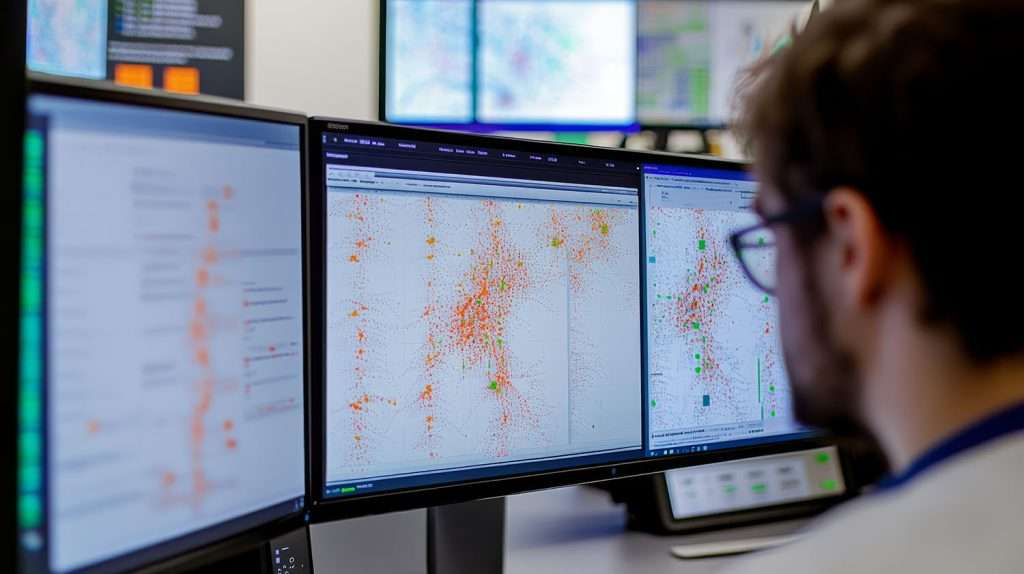
- Using GIS and dashboards for data visualization
- Storytelling with air quality data for advocacy and policy
- Translating data into regulations and action plans
- Air quality in emergency contexts (wildfires, dust storms)
- Community-based air monitoring and citizen science
- Group project presentations and course review
Full day-by-day contents
First Day: Introduction to Air Quality Monitoring Systems
- Overview of air pollutants, sources, and global standards
- Design of air quality monitoring networks
- Ground-based vs. satellite vs. low-cost sensors
- Data quality assurance (QA/QC) protocols
Second Day: Instrumentation, Calibration & Fieldwork
- Advanced instruments: UV fluorescence, beta attenuation, LIDAR
- Sensor calibration techniques and protocols
- Practical fieldwork: deployment, maintenance, and troubleshooting
- Data logging and transmission systems
Third Day: Data Analysis & Interpretation
- Data cleaning, validation, and processing
- Time-series and trend analysis using R/Python
- Identifying pollution hotspots and exposure patterns
- Case study: pollution trend analysis in urban areas
Fourth Day: Air Quality Modeling & Visualization
- Introduction to dispersion and receptor models (AERMOD, CALPUFF, etc.)
- Satellite data integration and ground-truthing techniques
- Using GIS and dashboards for data visualization
- Storytelling with air quality data for advocacy and policy
Fifth Day: Applications, Policy Linkages & Assessment
- Translating data into regulations and action plans
- Air quality in emergency contexts (wildfires, dust storms)
- Community-based air monitoring and citizen science
- Group project presentations and course review
Programme Methodology
The programme delivery methodology for the Advanced Methods in Air Quality Monitoring & Data Interpretation course is designed to provide a balanced integration of theory, technology, and hands-on application. The training will be delivered through a mix of expert-led lectures, interactive workshops, and real-time demonstrations of advanced monitoring instruments such as continuous ambient air analyzers, particulate matter sensors, and gas chromatographs. Participants will engage in data acquisition exercises using both fixed-site and mobile monitoring platforms, followed by sessions on data quality assurance, statistical analysis, and interpretation using GIS and modeling software. Case studies from urban and industrial environments will be used to contextualize the learning, while collaborative group projects will reinforce the application of learned techniques to solve complex air quality issues. The course also includes site visits to operational monitoring stations or laboratories, providing participants with firsthand experience of equipment calibration, data logging, and emissions profiling.
Host Country Profile
Toronto as Canada’s largest city and a global hub for research and innovation, it is home to an extensive air quality monitoring network managed by the Ontario Ministry of the Environment, Conservation and Parks, featuring high-precision instruments such as gas chromatographs, beta attenuation monitors (BAM), and continuous ambient air analyzers. Toronto is also a hub for research in atmospheric sciences, with institutions like the University of Toronto and Environment and Climate Change Canada leading advanced studies on pollutant dispersion modeling, satellite data integration, and sensor calibration methodologies. The region’s experience with urban air quality challenges, particularly related to vehicular emissions and transboundary pollution, makes it an ideal setting for practical case studies, data interpretation exercises, and exposure to real-time monitoring infrastructure.
Course Deliverables
Participants will enjoy a full-service experience that covers everything needed before, during, and after the programme:
Before the Programme
- Participant Pre-Assessment to ensure effective preparation
- Complimentary Visa Support & Advisory (E-visa applications are fully processed by our team)
- Airport Pickup & Welcome Assistance
- Accommodation with Breakfast for the full duration
- Welcome Dinner for networking and connecting with fellow Participants & the Risalat Team
During the Programme
- Risalat Training Kit, including: bag, water bottle, coffee mug, t-shirt, cap, passport cover, pens, notebook, magnet, keychain
- Lunch Provided Daily during training days
- Comprehensive Course Manual & Training Materials
- Project-Based Templates, Tools, and Worksheets
- Mini Pad / Tablet for convenient access to digital resources
- Digital Case Studies, Reading Packs & Reference Materials
- Access to Sample Datasets & Practical Exercises
- Field Visit (where applicable)
- Complimentary Refreshments & Full Training Venue Facilities
- Access to Online Learning Resources
- Entertaining City Tour
- Certificate of Completion
- Risalat Programme Participation Recognition Award
After the Programme
- Post-Training Support & Follow-Up Guidance
- Programme Report
£4,780 per participant · invoice and bank transfer · groups of 5 or more receive a discount
Five or more from one organisation: ask for the group rate on the invoice request.
Ten or more: an in-house version for your institution may cost less per person. Ask for an in-house quote.
Registration closes in 4 days (22 Oct 2026)