关键信息
- 日期
- 2027年3月15–19日(5天)
- 地点
- 新加坡
- 每位学员费用
- £3,450(英镑)
- 付款
- 通过发票和银行转账付款
- 报名截止
- 2027年2月13日
- 证书
- 结业证书
- 内训选项
- 按您的日期,为您的团队专场举办
本页内容14个部分
培训项目概述
Cross-border trade facilitation remains a vital determinant of economic competitiveness, regional integration, and supply chain reliability. This five-day executive programme in Singapore provides public sector leaders with direct exposure to advanced integrated border management architectures. Participants examine how modern customs authorities and partner government agencies align regulatory control with trade efficiency, observing international best practice in automated processing, pre-arrival clearance, and coordinated interventions across complex multi-modal transit corridors.
The curriculum addresses the operational, legal, and institutional mechanisms required to eliminate border bottlenecks. Drawing on global benchmarks such as the WTO Trade Facilitation Agreement and the WCO SAFE Framework of Standards, the course examines practical border coordination models. Delegates evaluate non-intrusive inspection strategies, data harmonisation techniques, and inter-agency collaboration structures that replace fragmented regulatory checkpoints with synchronised, predictable processing environments.
Singapore offers an ideal operational context for studying logistics integration, high-throughput clearance, and multi-agency port and border collaboration. Through structured analysis, institutional case studies, and technical briefings, participants will review border clearance protocols, automated risk assessment systems, and transit corridor harmonisation. Attendees will formulate concrete reform roadmaps and standard operating procedures to reduce crossing times, improve inter-agency coordination, and modernise transport corridor governance within their domestic jurisdictions.
Modernising trade logistics and dismantling administrative bottlenecks along regional transit routes has become an urgent operational imperative for public sector agencies. Large-scale development initiatives, such as the Accelerating Transport and Trade Connectivity in Eastern South Asia (ACCESS) Programme, demand rapid modernisation of physical and digital border infrastructure. Developing robust inter-agency border operations, synchronised transport corridors, and shared automated risk management systems enables public agencies to meet financing milestones, improve regional transit predictability, and safeguard state revenues without delaying legitimate cargo movements.
本培训项目由Risalat Consultants International在新加坡举办,结合专家主讲、真实案例与小组练习,帮助学员将所学应用于本单位工作。
The Programme Strengthens Institutional Capability
- International obligations under the WTO Trade Facilitation Agreement and WCO Revised Kyoto Convention
- Core pillars of Integrated Border Management: intra-agency, inter-agency, and international cooperation
- Singapore trade clearance ecosystem: institutional roles, coordination models, and statutory mandates
- Mapping clearance workflows: identifying cargo intervention touchpoints and administrative bottlenecks
- Establishing effective National Trade Facilitation Committees to steer cross-agency operational reforms
- Implementing the WCO SAFE Framework of Standards and Authorised Economic Operator schemes
- Algorithmic profiling, automated cargo targeting, and dynamic risk engine architecture
- Pre-arrival document processing and advance electronic information protocols for rapid clearance
- 战略思维与方向制定
- 领导和发展团队
- 决策与问题解决
- 沟通与影响力
It is designed for customs controllers, commissioners, and senior inspection officers, border agency directors and port health authorities, transport ministry coordinators and transit corridor planners and others who want practical, current skills in leadership, management and communication.
The Growing Importance of Cross-Border Trade Facilitation and Integrated Border Management in Singapore
机构变化之快前所未有:新的政策、技术以及公民和合作伙伴的新期望层出不穷。能够确定方向、组建团队并管理变革的领导者和管理者,决定着计划能否转化为成果。
卓越的领导力是一系列实用技能的组合:决策、沟通、谈判、培养人才和引领变革。这些技能可以通过实践和反馈来学习和提升。
各机构日益需要具备以下能力的专业人员:
- 确定清晰的方向和优先事项
- 在变革中领导和激励团队
- 有效沟通与谈判
- 公平地管理绩效
- 在压力下作出明智决策
健全的领导、管理和沟通体系有助于机构:
- 将战略转化为成果
- 打造积极进取、能力出众的团队
- 以更小的阻力管理变革
- 改善与合作伙伴及利益相关方的关系
This Cross-Border Trade Facilitation and Integrated Border Management in Singapore programme brings these elements together in a practical format, so that participants understand not only what good practice looks like but also how to introduce it in their own setting, with the people and resources they have.
Who Should Attend This Cross-Border Trade Facilitation and Integrated Border Management in Singapore Training?
本培训项目适合:
- Customs controllers, commissioners, and senior inspection officers
- Border agency directors and port health authorities
- Transport ministry coordinators and transit corridor planners
- Single Window project directors and IT technical specialists
- Standards, quarantine, and biosecurity clearance directors
- Immigration and border security operations commanders
- Freight transport regulators and logistics corridor authorities
- Project management units executing donor-financed trade projects
- Trade facilitation committee members and policy advisors
- 总监及高级管理人员
- 部门及单位负责人
- 中层管理人员及团队负责人
本培训项目既适合经验丰富的专业人员,也适合刚承担新职责的人员。我们鼓励来自不同机构和国家的学员组成混合小组,因为学员能从彼此的经验中获益良多。
勾选您的团队需要具备的能力。
Cross-Border Trade Facilitation and Integrated Border Management in Singapore Training Objectives
Upon successful completion of this Cross-Border Trade Facilitation and Integrated Border Management in Singapore Training, participants will be able to:
- Assess border clearance protocols against the World Trade Organisation Trade Facilitation Agreement and WCO standards
- Design automated risk management systems that reduce physical inspection rates while maintaining regulatory integrity
- Formulate integrated border management frameworks that coordinate joint agency controls and data sharing
- Establish standard operating procedures for multi-modal transit corridors to reduce border crossing dwell times
- Examine National Single Window interoperability and cross-border digital data exchange architectures
- Harmonise cross-border transport logistics regulations to streamline movement along economic transit corridors
- Develop action plans to modernise border agency coordination under multi-lateral development bank financing
- 阐述公共和私营机构当前的领导方法
- 为团队确定方向和优先事项
- 领导、激励和培养员工
每项目标都会在培训期间通过练习、案例或小组作业加以实践,使学员结业时不仅能够描述,更能够实际运用。
培训项目内容与结构
- International obligations under the WTO Trade Facilitation Agreement and WCO Revised Kyoto Convention
- Core pillars of Integrated Border Management: intra-agency, inter-agency, and international cooperation
- Singapore trade clearance ecosystem: institutional roles, coordination models, and statutory mandates
- Mapping clearance workflows: identifying cargo intervention touchpoints and administrative bottlenecks
- Establishing effective National Trade Facilitation Committees to steer cross-agency operational reforms
- Implementing the WCO SAFE Framework of Standards and Authorised Economic Operator schemes
- Algorithmic profiling, automated cargo targeting, and dynamic risk engine architecture
- Pre-arrival document processing and advance electronic information protocols for rapid clearance
- Coordinated post-clearance audit strategies to shift regulatory burden away from physical borders
- Standardising non-intrusive inspection regimes and coordinating multi-agency physical examinations
- National Single Window system design: Singapore TradeNet evolution and operational architecture
- WCO Data Model alignment: standardising data sets across customs, standards, and health agencies
- Inter-agency document exchange: electronic phytosanitary certificates, permits, and origin declarations
- Data security, cloud infrastructure, and regulatory confidentiality in digital border management
- Overcoming institutional resistance to inter-agency data sharing and administrative integration
- TIR Convention and international transit regimes: mitigating revenue risks across multi-border journeys
- Harmonising axle-load regulations, transport permits, and vehicle technical standards across borders
- Railway and multi-modal dry port connectivity: integrating inland container depots with maritime hubs
- Joint border posts and juxtaposed control facilities: legal frameworks and shared infrastructure
- Monitoring corridor performance: applying the WCO Time Release Study methodology to isolate transit delays
- Drafting inter-agency standard operating procedures for coordinated border interventions and inspections
- Structuring performance monitoring dashboards for land borders, seaports, and transit checkpoints
- Aligning institutional modernisation roadmaps with international development finance requirements
- Managing change and stakeholder engagement among customs brokers, freight forwarders, and border staff
- Participant presentations: national operational action plans and border modernisation blueprints
完整的每日课程内容
本培训项目为期5天。每天均包含专家讲授、实践练习,并以研讨会或案例研究收尾:
- First Day: International Trade Facilitation Frameworks and Integrated Border Management Principles
- Second Day: Automated Risk Assessment, Pre-Arrival Processing, and Compliance Management
- Third Day: Single Window Environments, Digital Interoperability, and Data Harmonisation
- Fourth Day: Corridor Harmonisation, Cross-Border Transit, and Transport Logistics
- Fifth Day: Operational Reform Design, Standard Operating Procedures, and Project Execution
完整的每日课程内容
First Day | International Trade Facilitation Frameworks and Integrated Border Management Principles
- International obligations under the WTO Trade Facilitation Agreement and WCO Revised Kyoto Convention
- Core pillars of Integrated Border Management: intra-agency, inter-agency, and international cooperation
- Singapore trade clearance ecosystem: institutional roles, coordination models, and statutory mandates
- Mapping clearance workflows: identifying cargo intervention touchpoints and administrative bottlenecks
- Establishing effective National Trade Facilitation Committees to steer cross-agency operational reforms
Workshop: International Trade Facilitation Frameworks and Integrated Border Management Principles: Applying It to Your Institution
学员分成小组,将当天所学方法应用于本机构的实例,并商定切实可行的后续步骤。
Second Day | Automated Risk Assessment, Pre-Arrival Processing, and Compliance Management
- Implementing the WCO SAFE Framework of Standards and Authorised Economic Operator schemes
- Algorithmic profiling, automated cargo targeting, and dynamic risk engine architecture
- Pre-arrival document processing and advance electronic information protocols for rapid clearance
- Coordinated post-clearance audit strategies to shift regulatory burden away from physical borders
- Standardising non-intrusive inspection regimes and coordinating multi-agency physical examinations
Workshop: Automated Risk Assessment, Pre-Arrival Processing, and Compliance Management: Applying It to Your Institution
学员分成小组,将当天所学方法应用于本机构的实例,并商定切实可行的后续步骤。
Third Day | Single Window Environments, Digital Interoperability, and Data Harmonisation
- National Single Window system design: Singapore TradeNet evolution and operational architecture
- WCO Data Model alignment: standardising data sets across customs, standards, and health agencies
- Inter-agency document exchange: electronic phytosanitary certificates, permits, and origin declarations
- Data security, cloud infrastructure, and regulatory confidentiality in digital border management
- Overcoming institutional resistance to inter-agency data sharing and administrative integration
Case Study: Single Window Environments, Digital Interoperability, and Data Harmonisation in Practice
学员分析真实案例,将案例中的决策与良好实践进行比较,并总结出可在自身环境中运用的经验。
Fourth Day | Corridor Harmonisation, Cross-Border Transit, and Transport Logistics
- TIR Convention and international transit regimes: mitigating revenue risks across multi-border journeys
- Harmonising axle-load regulations, transport permits, and vehicle technical standards across borders
- Railway and multi-modal dry port connectivity: integrating inland container depots with maritime hubs
- Joint border posts and juxtaposed control facilities: legal frameworks and shared infrastructure
- Monitoring corridor performance: applying the WCO Time Release Study methodology to isolate transit delays
Workshop: Corridor Harmonisation, Cross-Border Transit, and Transport Logistics: Applying It to Your Institution
学员分成小组,将当天所学方法应用于本机构的实例,并商定切实可行的后续步骤。
Fifth Day | Operational Reform Design, Standard Operating Procedures, and Project Execution
- Drafting inter-agency standard operating procedures for coordinated border interventions and inspections
- Structuring performance monitoring dashboards for land borders, seaports, and transit checkpoints
- Aligning institutional modernisation roadmaps with international development finance requirements
- Managing change and stakeholder engagement among customs brokers, freight forwarders, and border staff
- Participant presentations: national operational action plans and border modernisation blueprints
Capstone Exercise: Cross-Border Trade Facilitation and Integrated Border Management in Singapore Action Plan for Your Institution
学员将一周所学整合为本机构的行动计划,明确优先事项、负责人和初步行动,并进行展示,听取同伴和讲师的反馈。
Cross-Border Trade Facilitation and Integrated Border Management in Singapore Training Methodology
The training employs an applied adult learning methodology tailored to senior officials. Sessions combine technical presentations with deep-dive institutional case studies from modern logistics environments. Participants engage in practical workflow-mapping exercises, review real technical documentation, and collaborate in peer-working groups to resolve cross-border bottleneck scenarios. Each module culminates in guided drafting exercises where participants adapt international tools and standards to the legal and operational realities of their respective border administrations.
本培训项目融合了:
- 专家主讲当前实践
- 区域及国际案例研究
- 小组作业与实践练习
- 视情况安排模拟演练与角色扮演
- 探讨学员自身面临的挑战
- 跨机构、跨国家的同伴学习
- 可带回工作岗位的实用工具与模板
- 每日反思与行动规划
培训开始前,简短的课前评估可帮助讲师了解每位学员的岗位职责和重点关注事项,以便根据学员群体调整案例和练习。每天结束时安排简短的反思环节,学员记录下将在工作中应用的内容。
预期成果
Upon completion of this Cross-Border Trade Facilitation and Integrated Border Management in Singapore Training, participants will be able to:
- Capability to conduct comprehensive clearance workflow reviews and implement targeted bottleneck interventions
- Proficiency in designing risk management profiles that lower physical inspection rates and expedite cargo flow
- Operational competency to structure joint inspection protocols and shared data frameworks among border agencies
- Standard operating procedures to govern coordinated multi-modal transport and transit corridor operations
- Technical readiness to support National Single Window implementation and inter-agency process re-engineering
- A prioritised institutional action plan to implement border facilitation reforms under donor-financed projects
- 确定清晰的方向和优先事项
- 领导和发展团队
学员结业时将获得个人行动计划和实用工具,回到工作岗位的第一周即可在机构中应用。派出多名学员的机构可借助本培训项目,在各团队之间统一方法和模板,使改进成果更易持续。
每位学员£3,450 · 发票与银行转账 · 5人及以上团体可享折扣
同一机构五人及以上:请在申请发票时索取团体价。
10人或以上:为贵机构举办内训的人均费用可能更低。索取内训报价。
距报名截止还有93天(2027年2月13日)
Institutional Application of Cross-Border Trade Facilitation and Integrated Border Management in Singapore Training
本培训项目帮助机构加强:
- 领导力与管理
- 团队发展
- 变革管理
- 沟通
- 绩效管理
学员将带着实用工具回到工作岗位,以提升:
- 团队计划
- 教练辅导
- 变革计划
- 利益相关方沟通
- 绩效考核
本培训项目的设计旨在让学习成果从课堂延伸至机构。学员尽可能围绕自身的流程和文件开展练习,并在结业时带走一份可供其主管审阅和支持的行动计划。
区域相关性与应用
欧洲
欧洲机构在详尽的监管框架和改革议程下运用领导、管理和沟通能力。来自欧洲的学员可以将自身实践与其他地区的同行进行比较,并检验成熟方法在不同条件下的适用性。
非洲
在整个非洲,从事领导力、管理和沟通工作的政府部委、机构和项目团队,越来越多地与捐助方资助的项目协同运作,而这些项目要求有清晰的制度和证据。本培训项目帮助学员将良好实践与其所在机构及可用资源相结合。
中东
在中东,国家发展战略和多元化计划对领导、管理和沟通能力提出了越来越高的要求。学员将探讨如何在公共机构和企业内部建立实现这些计划所需的能力。
亚洲
亚洲各国的机构在快速发展的同时,推进着雄心勃勃的现代化计划。来自亚洲的学员可以分享快速扩展系统的经验,并借鉴其他地区的做法。
太平洋地区
小岛屿国家和太平洋国家在规模、距离和能力方面面临特殊制约。本培训项目重点介绍适合小型机构、务实且适度的领导、管理和沟通方法。
Holding the programme in Singapore brings participants together away from their daily pressures, so they can compare how leadership, management and communication is handled in different settings. The same programme can also be delivered in-house for one institution, in its own country or online, with cases taken from its current work.
- 收集
- 清洗
- 存储
- 分析
- 决策
东道国概况:新加坡
Risalat Consultants International在新加坡举办的培训项目、研讨会、实地见习与培训课程
在本国以外学习,可让学员专心投入,以全新视角审视本机构,并有机会与其他国家的同行建立人脉网络。
Cross-Border Trade Facilitation and Integrated Border Management in Singapore Training Deliverables
学员在培训前、培训中及培训后均可获得支持,使准备、学习与跟进形成连贯完整的体验。
培训开始前
- 学员课前评估
- Cross-Border Trade Facilitation and Integrated Border Management in Singapore Readiness Assessment
- Cross-Border Trade Facilitation and Integrated Border Management in Singapore Resource Pack
- 课前阅读资料
- 免费签证支持与咨询
培训期间
- 机场接机与欢迎协助
- 住宿(含早餐)
- 欢迎交流晚宴
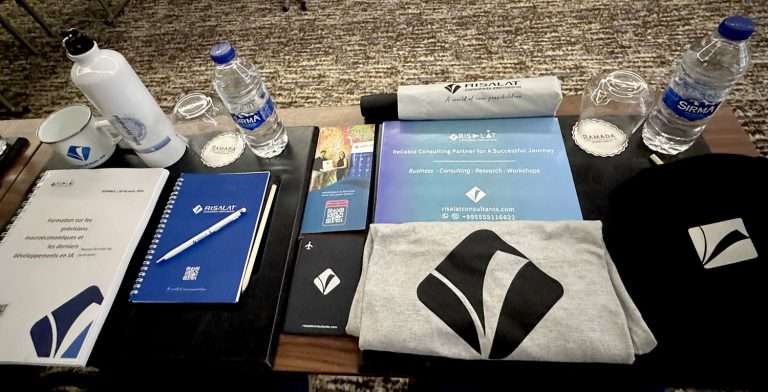
- Risalat培训礼包(背包、水瓶、马克杯、T恤、帽子、护照套、笔、笔记本、冰箱贴及钥匙扣)
- Comprehensive Cross-Border Trade Facilitation and Integrated Border Management in Singapore Training Manual
- 领导力自我评估
- 团队发展计划模板
- 变革计划模板
- 谈判准备表
- 实践研讨与模拟演练
- 小组讨论与同伴学习
- 每日午餐与茶歇
- 全面使用培训场地设施
- 装有数字学习资料的迷你平板电脑
- 实地考察(如适用)
- 城市休闲观光
培训结束后
- 结业证书
- Risalat培训项目参与表彰奖
- 培训后参考资料
- 个人发展计划模板
- 教练式对话指南
- 培训后支持与跟进指导
- 培训项目报告
各机构也可申请本培训项目的定制内训版本,在其办公场所或在线举办。索取方案建议书。
Common Challenges in Cross-Border Trade Facilitation and Integrated Border Management in Singapore, And How This Training Helps
机构如何确定清晰的方向和优先事项?
The programme addresses this directly on the first day (International Trade Facilitation Frameworks and Integrated Border Management Principles), where participants practise the methods involved and adapt them to their own institution, then build it into their action plan.
机构如何在变革中领导和激励团队?
The programme addresses this directly on the second day (Automated Risk Assessment, Pre-Arrival Processing, and Compliance Management), where participants practise the methods involved and adapt them to their own institution, then build it into their action plan.
机构如何有效地沟通与谈判?
The programme addresses this directly on the third day (Single Window Environments, Digital Interoperability, and Data Harmonisation), where participants practise the methods involved and adapt them to their own institution, then build it into their action plan.
机构如何公平地管理绩效?
The programme addresses this directly on the fourth day (Corridor Harmonisation, Cross-Border Transit, and Transport Logistics), where participants practise the methods involved and adapt them to their own institution, then build it into their action plan.
机构如何在压力下作出明智决策?
The programme addresses this directly on the fifth day (Operational Reform Design, Standard Operating Procedures, and Project Execution), where participants practise the methods involved and adapt them to their own institution, then build it into their action plan.
常见问题
When and where does the Cross-Border Trade Facilitation and Integrated Border Management in Singapore programme take place?
It runs from 15 Mar 2027 to 19 Mar 2027, in Singapore. The registration deadline is shown at the top of this page.
谁应参加?
The programme is designed for customs controllers, commissioners, and senior inspection officers, border agency directors and port health authorities, transport ministry coordinators and transit corridor planners, single Window project directors and IT technical specialists, and others who want practical skills in leadership, management and communication.
我能获得证书吗?
能。完成本培训项目的学员将获得Risalat Consultants International颁发的结业证书。
本培训项目能否仅为我们机构单独举办?
可以。我们可以在贵机构所在地、其他城市或在线提供量身定制的内训版本,并围绕贵机构自身的案例设计内容。请使用本页面的方案建议书申请表。
我是否需要具备领导力、管理和沟通方面的经验?
除具备相关岗位经验外,无需其他专业背景。简短的课前评估可帮助讲师根据学员群体调整课程。
Who Will Deliver This Programme
Each date is delivered by a team assigned from Risalat's expert network for this subject. For this programme we assign:
How we choose them: Experience in the region of the participants or comparable settings; Command of the financier rules that apply (World Bank, ADB, AfDB, EU, UN) where relevant; Delivery in English; other languages on request for in-house groups; No conflict of interest with participants' institutions.
Names and short CVs of the assigned experts are shared with registered participants and sponsoring organisations before the programme, on request. Are you an expert in this subject? Join our expert network.
新加坡培训课程Business and Communication training courses
为何选择在新加坡举办本培训项目
新加坡以高效的公共服务、电子政务和城市规划而闻名,非常适合开展考察访问。
The Cross-Border Trade Facilitation and Integrated Border Management in Singapore programme in March 2027 brings together officials and professionals from across the Asia region and beyond. Sessions combine short inputs, case studies and group work on participants' own files, and the city's institutions can be added as a study visit on request.
交通:樟宜机场(SIN)。
使用免费的签证查询工具确认您是否需要签证,完成报名后即可申请邀请函。
其他城市的同主题培训
- Cross-Border Road Transport Corridor Monitoring and Border Post Works in Accra (Accra)
- Agricultural Crop Pest Surveillance and Phytosanitary Lab Systems in Istanbul (Istanbul)
- Logistics Park Planning, Multimodal Freight & Corridor Operations in Dubai (Dubai)
- Cross-Border Transport and Fibre Corridor Infrastructure Management in Dubai (Dubai)
- Intermodal Freight Logistics and Rail-Port Dry Corridor Operations in Dubai (Dubai)
- Creative Industries Incubation & Cultural Enterprise Development for Youth in Cairo (Cairo)
新加坡的其他培训项目
- Extractive Industries Governance and EITI Implementation in Singapore
- Hazardous and Bulky Waste Maritime Handling and Disposal in Singapore
- Inter-Island Aviation Logistics and Sustainable Air Cargo Operations in Singapore
- Air Navigation Services Modernisation and Instrument Flight Procedures in Singapore
- Digital Financial Infrastructure & Capital Market Modernisation in Singapore
- 《联合国气候变化框架公约》 UNFCCC
For teams and institutions
Bring your team
Teams that learn together apply more at work. Tell us how many people and how you would like to take part: we reply with a group quote within two working days.
Plan this programme in a roadmap: why it matters, why to approve it, the dates to plan and the career it builds.