要点总结
- Background and practical significance. In our quest for personal and professional growth, we often encounter an array of challenges that test our resolve, patience, and commitment.
- The Struggle with Discipline and Why Its Necessary for Personal Growth. Embarking on the path to discipline is akin to setting sail in uncharted waters.
- Creating a Disciplined Mindset: The Power of Positive Thinking. The cultivation of discipline is not solely a matter of external actions; it is profoundly influenced by our mindset.
- Strategies for Maintaining Discipline in Everyday Life. Integrating discipline into our daily lives requires more than just intention; it demands practical strategies that translate our disciplined mindset into consistent actions.
- Application for public agencies and donor-funded projects. Fortunately, we live in an era abundant with resources and tools designed to aid in the cultivation of discipline.
In short: Explore mastering discipline with practical examples, implementation risks and clear steps for institutions, public agencies and project teams.
In short: Mastering Discipline requires practical choices about resources, evidence and implementation. This guide explains the main opportunities and constraints, and how organisations can turn the underlying ideas into measurable decisions.
背景与现实意义
背景与现实意义
In our quest for personal and professional growth, we often encounter an array of challenges that test our resolve, patience, and commitment. Among these, mastering discipline stands out as a fundamental yet elusive goal, pivotal to unlocking our full potential. In this article, we embark on a comprehensive exploration of discipline – its importance, the inherent struggles in cultivating it, and practical strategies for embedding it into the fabric of our lives. By understanding and applying the principles of discipline, we can transform our habits, achieve our goals, and set ourselves on a path to success.
Understanding the Importance of Discipline
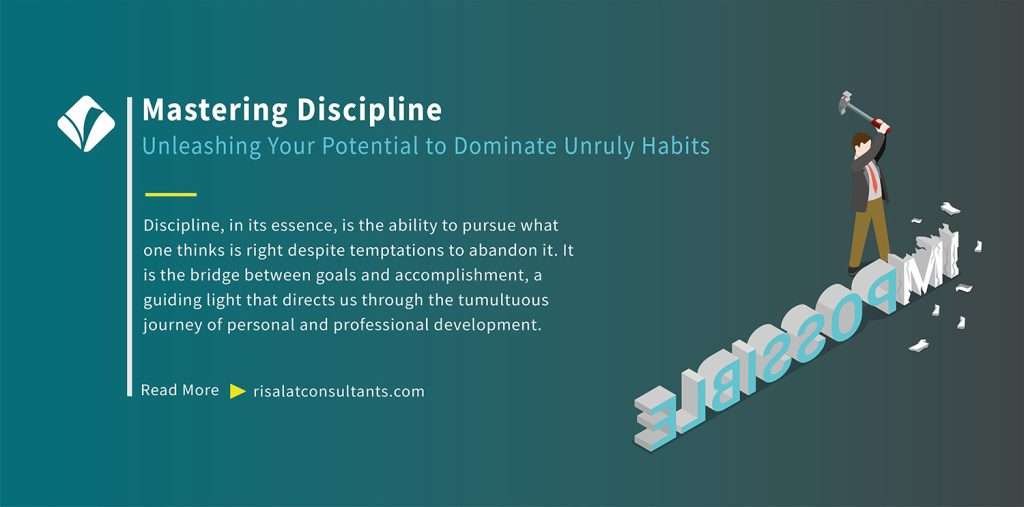
Discipline, in its essence, is the ability to pursue what one thinks is right despite temptations to abandon it. It is the bridge between goals and accomplishment, a guiding light that directs us through the tumultuous journey of personal and professional development. The importance of discipline cannot be overstated; it is the foundation upon which virtues such as resilience, perseverance, and self-control are built. Without mastering discipline, our aspirations remain mere daydreams, and our tasks, regardless of their significance, are left at the mercy of procrastination and whimsical efforts.
The journey towards mastering discipline begins with a deep appreciation of its role in shaping our lives. It compels us to rise above our momentary desires and to focus on the bigger picture, fostering a sense of purpose and direction. Mastering discipline is not just about adhering to a strict routine or denying oneself pleasures; it is about cultivating an inner strength that empowers us to make decisions that align with our long-term objectives. Whether it's advancing in our careers, improving our health, or developing new skills, discipline acts as the catalyst that propels us forward.
Moreover, discipline is instrumental in maintaining a balance between various aspects of our lives. It helps us allocate our time and resources efficiently, ensuring that we give adequate attention to our personal well-being, relationships, and professional obligations. By embracing discipline, we learn to set boundaries, prioritize effectively, and say no to distractions that derail us from our path. It is this disciplined approach to life that enables us to navigate challenges with grace and maintain our focus amidst the noise and chaos of the world.
For mastering discipline, a useful implementation plan should explicitly consider learning outcomes, institutional roles and the time available for implementation. A responsible decision starts by identifying who experiences the problem, who has authority to respond, and what information would change the proposed action. These questions help separate an attractive concept from a feasible intervention.
例如,考虑推出一项新举措的机构,可以先记录现有流程,征求流程使用者的意见,选择一个可控的试点并记录其基线。试点应有明确的负责人、实施时间表、投诉渠道和切合实际的运营预算。评判进展应以实际观察到的结果为依据,而非已举办的会议、研讨会或已发布的公告数量。
The Struggle with Discipline and Why Its Necessary for Personal Growth
The Struggle with Discipline and Why Its Necessary for Personal Growth
Embarking on the path to discipline is akin to setting sail in uncharted waters. It is a journey replete with challenges that test our limits and force us to confront our weaknesses. The struggle with mastering discipline is a universal experience, one that resonates with anyone who has ever set out to change their habits or pursue ambitious goals. This struggle, however, is not an indication of failure but a necessary phase of personal growth.
The resistance we face in cultivating discipline often stems from our natural inclination towards comfort and instant gratification. Breaking free from entrenched habits and stepping out of our comfort zones requires a significant effort, and it is here that many falter. The struggle with discipline is, in essence, a battle between our present desires and our future aspirations. It demands that we exercise self-control and make sacrifices in the short term for the sake of long-term gains.
Yet, it is through this struggle that we learn valuable lessons about ourselves. We discover our strengths and weaknesses, our limits, and our capacity for resilience. Discipline teaches us to be patient, to persevere through setbacks, and to view failures not as insurmountable obstacles but as stepping stones to success. It molds us into more capable, confident individuals, ready to face the world with determination and grit. Embracing the struggle with discipline, therefore, is not just about achieving specific goals; it is about embarking on a transformative journey that shapes our character and enriches our lives.
运营选择与约束
For mastering discipline, a useful implementation plan should explicitly consider costs, procurement options, stakeholder incentives and the risks of premature scaling. A responsible decision starts by identifying who experiences the problem, who has authority to respond, and what information would change the proposed action. These questions help separate an attractive concept from a feasible intervention.
例如,考虑推出一项新举措的机构,可以先记录现有流程,征求流程使用者的意见,选择一个可控的试点并记录其基线。试点应有明确的负责人、实施时间表、投诉渠道和切合实际的运营预算。评判进展应以实际观察到的结果为依据,而非已举办的会议、研讨会或已发布的公告数量。
Creating a Disciplined Mindset: The Power of Positive Thinking
Creating a Disciplined Mindset: The Power of Positive Thinking
The cultivation of discipline is not solely a matter of external actions; it is profoundly influenced by our mindset. Adopting a disciplined mindset is about embracing a positive, growth-oriented perspective that empowers us to overcome obstacles and persist in our efforts. This shift in thinking is fundamental to transforming our approach to challenges and setbacks.
A disciplined mindset is characterized by an unwavering belief in one's ability to succeed. It involves replacing self-doubt and negative self-talk with affirmations of strength, resilience, and capability. By fostering a positive self-image, we enhance our confidence and determination, essential ingredients for mastering discipline. Moreover, a disciplined mindset embraces the concept of delayed gratification. It recognizes the value of sacrificing short-term pleasures for long-term rewards, a perspective that is crucial for staying focused on our goals.
Cultivating a disciplined mindset also requires us to view failures and setbacks as opportunities for learning and growth. Instead of succumbing to frustration or despair, a disciplined mindset encourages us to analyze our mistakes, extract valuable lessons, and apply them to future endeavors. This positive approach to challenges not only fosters resilience but also ensures that we remain committed to our disciplined journey, regardless of the obstacles we encounter.
Overcoming Obstacles and Staying Motivated on Your Journey to Discipline
The path to discipline is fraught with obstacles, both internal and external. From the lure of distractions to the weight of setbacks, the challenges are manifold. Overcoming these obstacles requires a combination of resilience, adaptability, and unwavering commitment. The key to navigating this treacherous terrain lies in our ability to stay motivated and focused on our goals.
One effective strategy for maintaining motivation is to remind ourselves of the 'why' behind our disciplined efforts. Reconnecting with our underlying motivations – be it personal growth, professional advancement, or the pursuit of a passion – can reignite our drive and renew our commitment. Additionally, seeking inspiration from others who have successfully overcome similar challenges can provide a much-needed boost to our morale. Whether through books, podcasts, or personal mentorship, learning from the experiences of others can equip us with valuable insights and strategies for staying on track.
Adaptability is also crucial in overcoming obstacles. Instead of rigidly adhering to a specific plan, we must be willing to make adjustments based on our experiences and changing circumstances. This flexibility allows us to navigate challenges more effectively, finding alternative paths to our goals when faced with roadblocks. Moreover, cultivating a supportive network of friends, family, or peers can provide encouragement and accountability, helping us remain disciplined in the face of adversity.
For mastering discipline, a useful implementation plan should explicitly consider quality assurance, privacy or environmental safeguards where relevant, and transparent reporting. A responsible decision starts by identifying who experiences the problem, who has authority to respond, and what information would change the proposed action. These questions help separate an attractive concept from a feasible intervention.
例如,考虑推出一项新举措的机构,可以先记录现有流程,征求流程使用者的意见,选择一个可控的试点并记录其基线。试点应有明确的负责人、实施时间表、投诉渠道和切合实际的运营预算。评判进展应以实际观察到的结果为依据,而非已举办的会议、研讨会或已发布的公告数量。
Strategies for Maintaining Discipline in Everyday Life
Strategies for Maintaining Discipline in Everyday Life
将纪律融入日常生活不仅仅需要意愿,更需要将 disciplined 的思维方式转化为实际行动的实用策略。其中一项策略就是建立常规。通过围绕符合我们目标的特定习惯来构建我们的日常生活,我们创造了一个支持自律行为的框架。这些常规一旦建立,就会减少对持续决策的需求,从而在我们的动机波动时更容易保持纪律。
Another effective strategy is to minimize distractions. In an age where digital interruptions are omnipresent, creating an environment conducive to focus and productivity is essential. This may involve setting boundaries around the use of technology, designating specific times and places for work, or employing tools that limit our access to distractions. By removing these obstacles, we clear the path for disciplined action.
Additionally, practicing self-compassion is vital. The journey to discipline is not without its setbacks, and treating ourselves with kindness and understanding during these times can prevent discouragement. Recognizing that discipline is a skill that improves with practice allows us to view setbacks as part of the learning process, rather than as failures. This perspective encourages persistence and resilience, key components of a disciplined life.
一个实用的机构案例
For mastering discipline, a useful implementation plan should explicitly consider the difference between a pilot that works once and a process that an institution can sustain. A responsible decision starts by identifying who experiences the problem, who has authority to respond, and what information would change the proposed action. These questions help separate an attractive concept from a feasible intervention.
例如,考虑推出一项新举措的机构,可以先记录现有流程,征求流程使用者的意见,选择一个可控的试点并记录其基线。试点应有明确的负责人、实施时间表、投诉渠道和切合实际的运营预算。评判进展应以实际观察到的结果为依据,而非已举办的会议、研讨会或已发布的公告数量。
在公共机构和捐助方资助项目中的应用
Resources and Tools for Mastering Discipline
Fortunately, we live in an era abundant with resources and tools designed to aid in the cultivation of discipline. From books and online courses to apps and productivity tools, the options are vast. Books such as "Atomic Habits" by James Clear and "The Power of Habit" by Charles Duhigg provide deep insights into the science of habit format
项目团队下一步应做什么
For mastering discipline, a useful implementation plan should explicitly consider the needs of implementing agencies, suppliers, community representatives and development partners. A responsible decision starts by identifying who experiences the problem, who has authority to respond, and what information would change the proposed action. These questions help separate an attractive concept from a feasible intervention.
例如,考虑推出一项新举措的机构,可以先记录现有流程,征求流程使用者的意见,选择一个可控的试点并记录其基线。试点应有明确的负责人、实施时间表、投诉渠道和切合实际的运营预算。评判进展应以实际观察到的结果为依据,而非已举办的会议、研讨会或已发布的公告数量。
For a ministry or project implementation unit, the practical sequence is to agree the public purpose, map responsibilities across agencies, identify procurement and safeguard requirements, and record the evidence needed for approval. Where a donor finances the work, the project team should use the applicable financing agreement, procurement framework and environmental and social commitments rather than assuming that one generic procedure applies to every project.
设想一个实施期有限、由捐助方资助的假设性项目。项目经理可以委托开展基线评估,邀请当地利益相关方参与制定服务标准,先在少数地点试行拟议干预措施,并在扩大实施前评估其绩效。对支出和成果开展独立审查,可以揭示项目是否惠及预期受益人,以及外部资金结束后实施机构能否继续维持。
实施清单
- 明确所需决策和预期受益人。
- 确认法律、财务和运营方面的约束条件。
- 设定基线和可衡量的指标。
- 指定负责人并建立利益相关方反馈机制。
- 先试点、评估和修订,再扩大规模。
常见问题
主要的实际益处是什么?
它帮助决策者将该主题与明确的需求、切合实际的资源和可观察的成果联系起来。
机构应首先评估什么?
从基线、利益相关方需求、实施职责和适用的法律要求入手。
哪些实施风险值得关注?
关注可负担性、机构能力、包容性、数据质量和持续维护。
如何衡量进展?
使用少量与基线挂钩的指标、用户反馈和定期独立审查。
这如何适用于捐助方资助的项目?
落实项目融资协议以及相关的采购、保障、监测和报告义务。
观看



- 联合国减少灾害风险办公室 UNDRR
- 项目采购框架与条例 世界银行
Know people who should read this? Become an Ambassador or write with Risalat.
自2011年以来始终是项目成功的合作伙伴,为政府部委、公共机构和项目团队提供诊断评估、咨询支持与应用型学习。