Points essentiels
- Background and practical significance. In our quest for personal and professional growth, we often encounter an array of challenges that test our resolve, patience, and commitment.
- The Struggle with Discipline and Why Its Necessary for Personal Growth. Embarking on the path to discipline is akin to setting sail in uncharted waters.
- Creating a Disciplined Mindset: The Power of Positive Thinking. The cultivation of discipline is not solely a matter of external actions; it is profoundly influenced by our mindset.
- Strategies for Maintaining Discipline in Everyday Life. Integrating discipline into our daily lives requires more than just intention; it demands practical strategies that translate our disciplined mindset into consistent actions.
- Application for public agencies and donor-funded projects. Fortunately, we live in an era abundant with resources and tools designed to aid in the cultivation of discipline.
In short: Mastering Discipline requires practical choices about resources, evidence and implementation. This guide explains the main opportunities and constraints, and how organisations can turn the underlying ideas into measurable decisions.
Background and practical significance
Background and practical significance
In our quest for personal and professional growth, we often encounter an array of challenges that test our resolve, patience, and commitment. Among these, mastering discipline stands out as a fundamental yet elusive goal, pivotal to unlocking our full potential. In this article, we embark on a comprehensive exploration of discipline – its importance, the inherent struggles in cultivating it, and practical strategies for embedding it into the fabric of our lives. By understanding and applying the principles of discipline, we can transform our habits, achieve our goals, and set ourselves on a path to success.
Understanding the Importance of Discipline
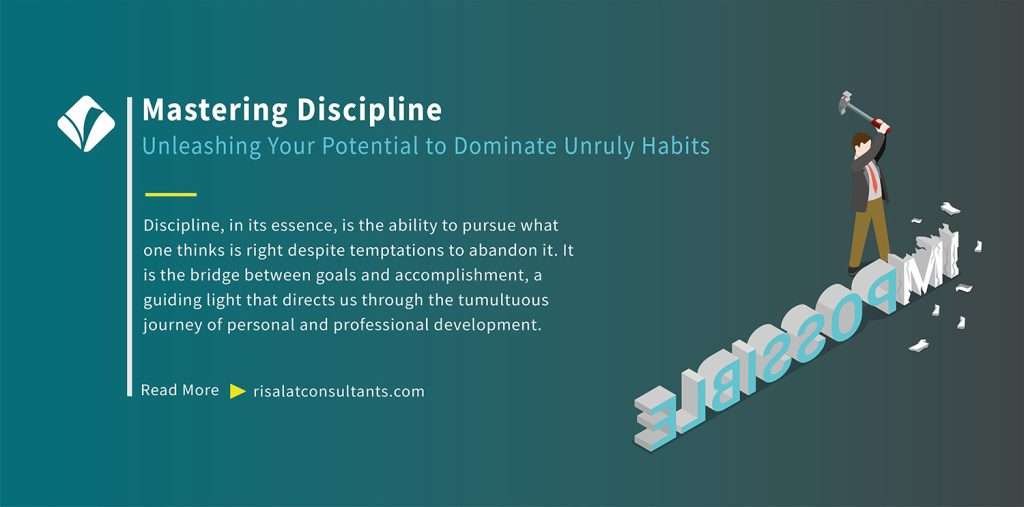
Discipline, in its essence, is the ability to pursue what one thinks is right despite temptations to abandon it. It is the bridge between goals and accomplishment, a guiding light that directs us through the tumultuous journey of personal and professional development. The importance of discipline cannot be overstated; it is the foundation upon which virtues such as resilience, perseverance, and self-control are built. Without mastering discipline, our aspirations remain mere daydreams, and our tasks, regardless of their significance, are left at the mercy of procrastination and whimsical efforts.
The journey towards mastering discipline begins with a deep appreciation of its role in shaping our lives. It compels us to rise above our momentary desires and to focus on the bigger picture, fostering a sense of purpose and direction. Mastering discipline is not just about adhering to a strict routine or denying oneself pleasures; it is about cultivating an inner strength that empowers us to make decisions that align with our long-term objectives. Whether it's advancing in our careers, improving our health, or developing new skills, discipline acts as the catalyst that propels us forward.
Moreover, discipline is instrumental in maintaining a balance between various aspects of our lives. It helps us allocate our time and resources efficiently, ensuring that we give adequate attention to our personal well-being, relationships, and professional obligations. By embracing discipline, we learn to set boundaries, prioritize effectively, and say no to distractions that derail us from our path. It is this disciplined approach to life that enables us to navigate challenges with grace and maintain our focus amidst the noise and chaos of the world.
For mastering discipline, a useful implementation plan should explicitly consider learning outcomes, institutional roles and the time available for implementation. A responsible decision starts by identifying who experiences the problem, who has authority to respond, and what information would change the proposed action. These questions help separate an attractive concept from a feasible intervention.
For example, an organisation considering a new initiative can document the existing process, consult the people who use it, select a manageable pilot and record its baseline. The pilot should have a named owner, a delivery timetable, a complaints route and a realistic operating budget. Progress should be judged against observed results rather than the number of meetings, workshops or announcements completed.
The Struggle with Discipline and Why Its Necessary for Personal Growth
The Struggle with Discipline and Why Its Necessary for Personal Growth
Embarking on the path to discipline is akin to setting sail in uncharted waters. It is a journey replete with challenges that test our limits and force us to confront our weaknesses. The struggle with mastering discipline is a universal experience, one that resonates with anyone who has ever set out to change their habits or pursue ambitious goals. This struggle, however, is not an indication of failure but a necessary phase of personal growth.
The resistance we face in cultivating discipline often stems from our natural inclination towards comfort and instant gratification. Breaking free from entrenched habits and stepping out of our comfort zones requires a significant effort, and it is here that many falter. The struggle with discipline is, in essence, a battle between our present desires and our future aspirations. It demands that we exercise self-control and make sacrifices in the short term for the sake of long-term gains.
Yet, it is through this struggle that we learn valuable lessons about ourselves. We discover our strengths and weaknesses, our limits, and our capacity for resilience. Discipline teaches us to be patient, to persevere through setbacks, and to view failures not as insurmountable obstacles but as stepping stones to success. It molds us into more capable, confident individuals, ready to face the world with determination and grit. Embracing the struggle with discipline, therefore, is not just about achieving specific goals; it is about embarking on a transformative journey that shapes our character and enriches our lives.
Operational choices and constraints
For mastering discipline, a useful implementation plan should explicitly consider costs, procurement options, stakeholder incentives and the risks of premature scaling. A responsible decision starts by identifying who experiences the problem, who has authority to respond, and what information would change the proposed action. These questions help separate an attractive concept from a feasible intervention.
For example, an organisation considering a new initiative can document the existing process, consult the people who use it, select a manageable pilot and record its baseline. The pilot should have a named owner, a delivery timetable, a complaints route and a realistic operating budget. Progress should be judged against observed results rather than the number of meetings, workshops or announcements completed.
Creating a Disciplined Mindset: The Power of Positive Thinking
Creating a Disciplined Mindset: The Power of Positive Thinking
The cultivation of discipline is not solely a matter of external actions; it is profoundly influenced by our mindset. Adopting a disciplined mindset is about embracing a positive, growth-oriented perspective that empowers us to overcome obstacles and persist in our efforts. This shift in thinking is fundamental to transforming our approach to challenges and setbacks.
A disciplined mindset is characterized by an unwavering belief in one's ability to succeed. It involves replacing self-doubt and negative self-talk with affirmations of strength, resilience, and capability. By fostering a positive self-image, we enhance our confidence and determination, essential ingredients for mastering discipline. Moreover, a disciplined mindset embraces the concept of delayed gratification. It recognizes the value of sacrificing short-term pleasures for long-term rewards, a perspective that is crucial for staying focused on our goals.
Cultivating a disciplined mindset also requires us to view failures and setbacks as opportunities for learning and growth. Instead of succumbing to frustration or despair, a disciplined mindset encourages us to analyze our mistakes, extract valuable lessons, and apply them to future endeavors. This positive approach to challenges not only fosters resilience but also ensures that we remain committed to our disciplined journey, regardless of the obstacles we encounter.
Overcoming Obstacles and Staying Motivated on Your Journey to Discipline
The path to discipline is fraught with obstacles, both internal and external. From the lure of distractions to the weight of setbacks, the challenges are manifold. Overcoming these obstacles requires a combination of resilience, adaptability, and unwavering commitment. The key to navigating this treacherous terrain lies in our ability to stay motivated and focused on our goals.
One effective strategy for maintaining motivation is to remind ourselves of the 'why' behind our disciplined efforts. Reconnecting with our underlying motivations – be it personal growth, professional advancement, or the pursuit of a passion – can reignite our drive and renew our commitment. Additionally, seeking inspiration from others who have successfully overcome similar challenges can provide a much-needed boost to our morale. Whether through books, podcasts, or personal mentorship, learning from the experiences of others can equip us with valuable insights and strategies for staying on track.
Adaptability is also crucial in overcoming obstacles. Instead of rigidly adhering to a specific plan, we must be willing to make adjustments based on our experiences and changing circumstances. This flexibility allows us to navigate challenges more effectively, finding alternative paths to our goals when faced with roadblocks. Moreover, cultivating a supportive network of friends, family, or peers can provide encouragement and accountability, helping us remain disciplined in the face of adversity.
For mastering discipline, a useful implementation plan should explicitly consider quality assurance, privacy or environmental safeguards where relevant, and transparent reporting. A responsible decision starts by identifying who experiences the problem, who has authority to respond, and what information would change the proposed action. These questions help separate an attractive concept from a feasible intervention.
For example, an organisation considering a new initiative can document the existing process, consult the people who use it, select a manageable pilot and record its baseline. The pilot should have a named owner, a delivery timetable, a complaints route and a realistic operating budget. Progress should be judged against observed results rather than the number of meetings, workshops or announcements completed.
Strategies for Maintaining Discipline in Everyday Life
Strategies for Maintaining Discipline in Everyday Life
Integrating discipline into our daily lives requires more than just intention; it demands practical strategies that translate our disciplined mindset into consistent actions. One such strategy is the establishment of routines. By structuring our day around specific habits that align with our goals, we create a framework that supports disciplined behavior. These routines, once established, reduce the need for constant decision-making, making it easier to maintain discipline even when our motivation fluctuates.
Another effective strategy is to minimize distractions. In an age where digital interruptions are omnipresent, creating an environment conducive to focus and productivity is essential. This may involve setting boundaries around the use of technology, designating specific times and places for work, or employing tools that limit our access to distractions. By removing these obstacles, we clear the path for disciplined action.
Additionally, practicing self-compassion is vital. The journey to discipline is not without its setbacks, and treating ourselves with kindness and understanding during these times can prevent discouragement. Recognizing that discipline is a skill that improves with practice allows us to view setbacks as part of the learning process, rather than as failures. This perspective encourages persistence and resilience, key components of a disciplined life.
A practical institutional example
For mastering discipline, a useful implementation plan should explicitly consider the difference between a pilot that works once and a process that an institution can sustain. A responsible decision starts by identifying who experiences the problem, who has authority to respond, and what information would change the proposed action. These questions help separate an attractive concept from a feasible intervention.
For example, an organisation considering a new initiative can document the existing process, consult the people who use it, select a manageable pilot and record its baseline. The pilot should have a named owner, a delivery timetable, a complaints route and a realistic operating budget. Progress should be judged against observed results rather than the number of meetings, workshops or announcements completed.
Application for public agencies and donor-funded projects
Resources and Tools for Mastering Discipline
Fortunately, we live in an era abundant with resources and tools designed to aid in the cultivation of discipline. From books and online courses to apps and productivity tools, the options are vast. Books such as "Atomic Habits" by James Clear and "The Power of Habit" by Charles Duhigg provide deep insights into the science of habit format
What project teams should do next
For mastering discipline, a useful implementation plan should explicitly consider the needs of implementing agencies, suppliers, community representatives and development partners. A responsible decision starts by identifying who experiences the problem, who has authority to respond, and what information would change the proposed action. These questions help separate an attractive concept from a feasible intervention.
For example, an organisation considering a new initiative can document the existing process, consult the people who use it, select a manageable pilot and record its baseline. The pilot should have a named owner, a delivery timetable, a complaints route and a realistic operating budget. Progress should be judged against observed results rather than the number of meetings, workshops or announcements completed.
For a ministry or project implementation unit, the practical sequence is to agree the public purpose, map responsibilities across agencies, identify procurement and safeguard requirements, and record the evidence needed for approval. Where a donor finances the work, the project team should use the applicable financing agreement, procurement framework and environmental and social commitments rather than assuming that one generic procedure applies to every project.
Consider a hypothetical donor-funded programme with a limited implementation period. The project manager could commission a baseline assessment, involve local stakeholders in defining service standards, test the proposed intervention in a small number of sites and evaluate performance before expansion. An independent review of expenditure and outcomes can reveal whether the programme is reaching intended beneficiaries and whether the implementing agency can maintain it after external financing ends.
Implementation checklist
- Define the decision and intended beneficiaries.
- Confirm legal, financial and operational constraints.
- Set a baseline and measurable indicators.
- Assign owners and establish stakeholder feedback.
- Pilot, evaluate and revise before scaling.
Questions fréquentes
What is the main practical benefit?
It helps decision-makers connect the topic to defined needs, realistic resources and observable outcomes.
What should an organisation assess first?
Start with a baseline, stakeholder needs, delivery responsibilities and applicable legal requirements.
Which implementation risks deserve attention?
Pay attention to affordability, institutional capacity, inclusion, data quality and ongoing maintenance.
How can progress be measured?
Use a small set of baseline-linked indicators, user feedback and periodic independent review.
How does this apply to donor-funded projects?
Apply the project financing agreement and relevant procurement, safeguard, monitoring and reporting obligations.
Vous connaissez des personnes qui devraient lire ceci ? Devenez ambassadeur Risalat ou rédigez un article avec Risalat sous votre propre nom.
Partenaires de la réussite des projets depuis 2011 : diagnostics, conseil et apprentissage appliqué pour les ministères, les organismes publics et les équipes de projet.
Besoin d'aide pour passer à la pratique ?
Commencez par un diagnostic gratuit de 10 minutes ou échangez avec nos experts.