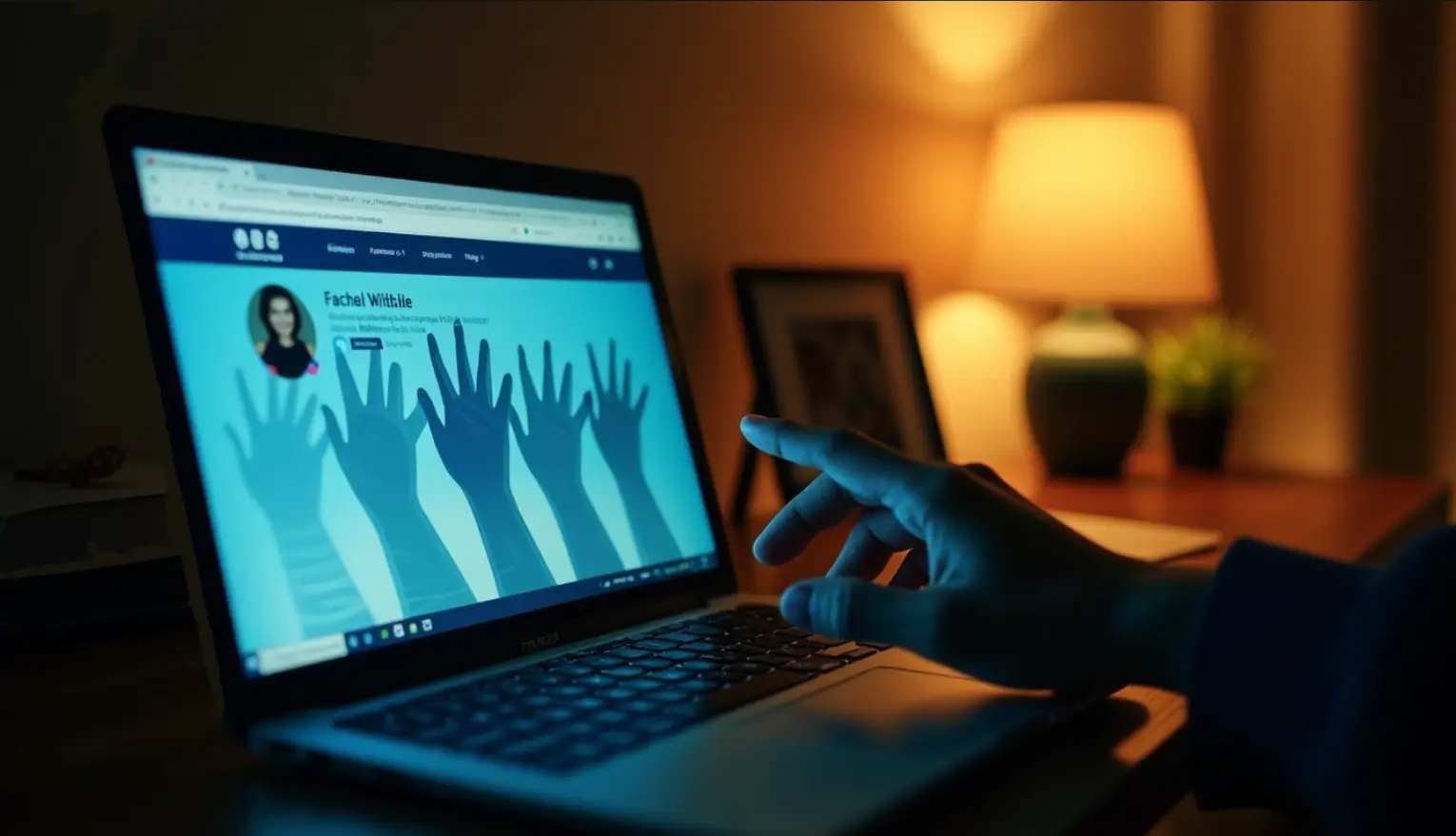
WHO reports that 19,000 Facebook users die daily, leaving their digital legacy scattered across social media platforms. Their photos, videos, and messages remain preserved in the digital world, though these users have passed away.
These accounts silently become ‘ghost’ profiles, which creates an unprecedented challenge in digital legacy planning. A new era of digital preservation has emerged where services like Eterni.Me already has over 25,000 registered users. This service revolutionizes the way we preserve our online presence. The rise of digital legacy services raises crucial questions about data ownership and posthumous digital interaction.
This piece will help you understand what happens to social media accounts after death. You’ll learn about your digital footprint and discover practical steps to manage your online presence beyond your lifetime.
What happens to social media accounts after death
Social media platforms now have specific policies that handle accounts after someone dies. These policies want to preserve digital memories and protect privacy to prevent misuse.
Facebook’s memorial accounts work as digital spaces where friends and family share memories of their loved ones. The account shows “Remembering” next to the person’s name once it’s memorialized. These accounts have strict privacy controls – nobody can log in, and the profile stays hidden from public areas like People You May Know suggestions and birthday reminders. Users can pick a legacy contact ahead of time who gets limited management abilities to respond to friend requests and pin tribute posts.
Twitter’s inactive account policy is different from other platforms. The platform doesn’t offer memorial options but allows account deactivation when authorized individuals ask for it. The platform needs specific papers, including the person’s death certificate and proof of who’s asking for the change. Twitter announced plans to remove accounts that stayed inactive for several years, which worried people who use these quiet accounts to remember loved ones.
Instagram’s memorialization options follow Facebook’s approach with a few key changes. Instagram adds “Remembering” to the profile name and freezes the account after confirming the death. Nobody can change existing posts, comments, privacy settings, or profile information after that. On top of that, it keeps these memorial accounts hidden from Instagram’s Explore section to maintain privacy.
Close family members can ask for complete account removal on all three platforms. In spite of that, they should think carefully about this choice since deleted accounts can’t come back, and precious digital memories might be lost forever.
Managing these accounts after death usually needs:
- Proof of death (death certificate or obituary)
- Verification of the requester’s relationship to the deceased
- Official documentation of authority to act on behalf of the estate
These social media platforms try to balance keeping digital legacies while protecting user privacy. Each platform’s method shows they understand that social media accounts often become special places for remembrance and shared mourning.
Understanding your digital legacy
The traces you leave in the digital world make up your digital legacy. Your digital footprint goes beyond social media profiles and shapes how people will remember you after you’re gone.
Types of digital assets Digital assets need careful management and fall into several important categories:
- Personal Media: Photos, videos, and audio files stored across devices and cloud services
- Financial Holdings: Online banking accounts, PayPal balances, and digital currency
- Professional Content: Documents, presentations, and marketing materials
- Online Accounts: Email, shopping profiles, and subscription services
Recent studies show that 74% of marketers use visuals in over 70% of their content. This statistic shows how digital assets have become a crucial part of our work lives. These assets hold both financial and emotional value, so we must manage them wisely.
Value of online memories
Digital memories mean something special in our connected world today. People used to preserve their legacy through physical items like photo albums. Digital systems have changed the way we keep and share our memories completely.
Online memories offer more than just data storage:
- They give quick access to preserved moments
- Let us share with more friends and family
- Build lasting bonds between people who’ve lost someone
Digital artifacts preserve identity in ways we’ve never seen before. Unlike old keepsakes, online content stays active – friends and family can interact with memories through comments, shares, and reactions.
People’s digital footprints keep influencing others even after death. Research shows that close friends and family often experience a “surge of insight” into someone’s life through shared digital memories. They discover new sides of that person’s personality through their digital legacy, which creates a fuller picture of who they were.
You wouldn’t hand valuable physical possessions to strangers. The same care applies to digital assets. That’s why you should think over your digital legacy choices while you still can shape them.
How to plan your digital legacy today
Your digital afterlife needs proper planning to match your wishes. Taking action now will protect your digital assets and spare your loved ones from stress.
Choose a digital executor – A digital executor will manage your online accounts and digital assets after death. The right person should be:
- Well-organized with attention to detail
- Tech-savvy with strong internet skills
- Patient enough to handle complex tasks
You can pick different executors for your digital assets. To name just one example, one person could handle personal files while another takes care of business content. Make sure you talk about your wishes with your chosen executor and give them clear instructions about managing your digital estate.
Document your accounts – Create a complete inventory of your digital presence:
- Social media profiles and email accounts
- Financial services and online banking
- Subscription services and loyalty programs
- Cloud storage and file-sharing platforms
A password manager or encrypted digital vault will keep this information safe. Include usernames, passwords, and security questions for each account. Group these assets by category and importance to make future management easier.
Set up legacy contacts – Most platforms now have built-in tools for account management after death. Here are some examples:
- Facebook’s legacy contacts can manage memorialized profiles and handle friend requests
- Apple’s legacy contact feature lets trusted people access photos, messages, and notes with proper documentation
- Google’s Inactive Account Manager reaches out to your chosen contacts after 3-18 months of inactivity
Each platform has its own verification process. Apple requires both an access key and death certificate, while Google lets you choose which data categories your contact can access.
Review these settings regularly, especially after major life events like marriages or divorces. Your chosen contacts should understand their role and have access to all necessary information.
Current digital legacy services and tools
Digital tools can help you protect and manage your online legacy. These tools keep your digital presence safe even after you’re gone.
Password managers Today’s password managers come with strong digital inheritance features. Keeper’s Emergency Access feature lets you add up to five trusted contacts to your vault. LogMeOnce has a customized digital legacy system that lets you add specific instructions for each emergency contact. NordPass makes things simple with its ‘authorized user’ setting. The vault opens to trusted contacts if requests go unanswered for seven days.
Digital estate platforms Digital estate planning platforms go beyond simple password management. DGLegacy uses a unique Heartbeat protocol to detect unexpected events. It alerts designated beneficiaries about their inherited assets automatically. Trustworthy helps families manage their operational tasks, with a 98% success rate among its members. The platform keeps sensitive information safe through:
- Multi-factor authentication
- Advanced tokenization
- Dark web monitoring
- Biometric verification
Memorial page creators – These tools help preserve digital memories with care and respect. LastPass users can create “Digital Will” folders to organize and share digital assets with emergency contacts. The platform makes inheritance straightforward with a well-laid-out process:
- Creating secure folders for digital assets
- Saving and sharing access details
- Setting up emergency contact protocols
- Establishing waiting periods for access requests
Biscuit Tin and MyWishes provide secure online vaults designed to store important documents and digital wishes. Keylu charges £49 per year and gives you a secure space to manage personal, legal, and financial information along with photos and messages for loved ones. These platforms work with traditional estate planning rather than replacing it. Physical copies of legal documents remain vital even with digital backups.
Partners in project success since 2011, diagnostics, advisory support and applied learning for ministries, public agencies and project teams.
Need help putting this into practice?
Start with a free 10-minute diagnostic or talk to our experts.