Key facts
- Dates
- 10–13 May 2027 (4 days)
- Where
- Accra, Ghana
- Fee per participant
- £2,450 (GBP)
- Payment
- By invoice and bank transfer
- Registration closes
- 31 Mar 2027
- Format
- 4-day short course: a practical capacity-building programme for government, NGO and project teams in Accra
- Groups
- Teams of 3 or more qualify for a group discount, offered case by case: ask for a group quote.
- In-house option
- Run it for your team, on your dates
On this page 10 sections
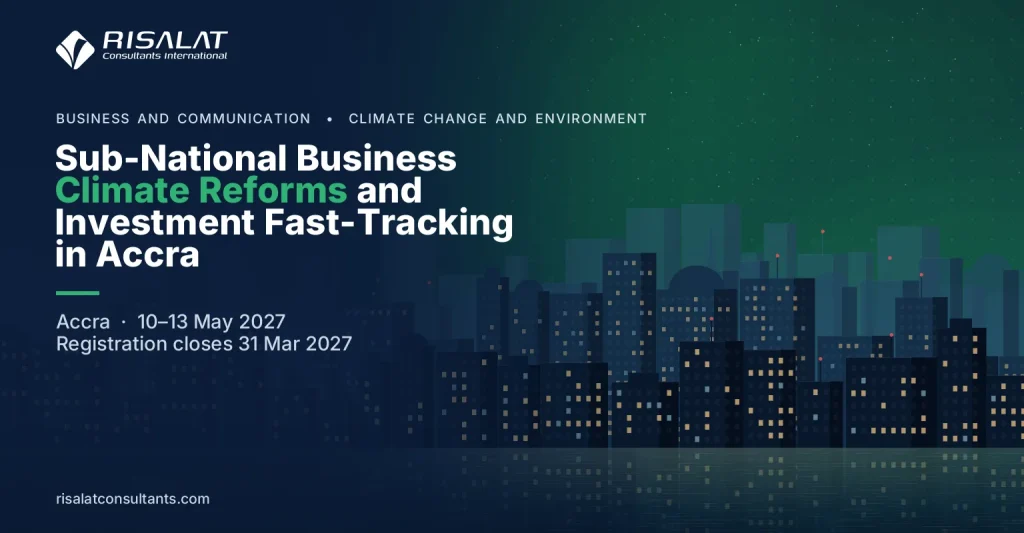
Sub-National Business Climate Reforms and Investment Fast-Tracking in Accra
Programme Overview
Sub-national competitiveness depends heavily on the efficiency of local regulatory environments and administrative procedures. Sub-National Business Climate Reforms and Investment Fast-Tracking in Accra provides sub-national leaders with practical mechanisms to remove administrative bottlenecks. Hosted in Ghana, this intensive four-day programme examines field-tested reform toolkits covering municipal property registration, unified business permitting, and local contract enforcement. Delegates review institutional arrangements that encourage domestic and foreign direct investment into regional economies while maintaining rigorous regulatory standards.
Free self-check: the governance self-audit gives a quick check of governance, controls and accountability, in about 10 minutes.
The curriculum centres on the mechanics of sub-national execution, institutional coordination, and regulatory simplification. Participants examine how to structure inter-agency working groups across municipal planning departments, revenue boards, land registries, and judicial bodies. By addressing common friction points in business inspection regimes and commercial dispute resolution, the programme equips public officials to lower compliance costs for the private sector. Practical sessions demonstrate how to convert high-level economic development objectives into measurable, day-to-day administrative actions.
Delivered through interactive peer exchanges, institutional case evaluations, and structured clinics, the course equips state teams to establish functional delivery units. Participants assess automated investment tracking platforms, grievance redress systems, and performance dashboards that improve accountability across sub-national agencies. Delegates exit with actionable implementation roadmaps designed to coordinate state-level line ministries, track reform milestones systematically, and align sub-national procedures with national economic competitiveness targets and international investment benchmarks.
The programme strengthens institutional capability in:
- Mapping the sub-national business lifecycle: Identifying administrative red tape and overlapping mandates
- Process re-engineering for business registration, sector operational licensing, and local trade permits
- Regulatory impact assessments and fee consolidation models for state and local government councils
- Single-window business clearance systems: Architecture, inter-agency data sharing, and automation options
- Clinic: Auditing current state licensing procedures to eliminate redundant inspections and informal charges
- Streamlining deed registration, Governor’s consent protocols, and search procedures at state land registries
- Geographic Information System adoption, digital title verification, and reduction of land transaction cycle times
- Rationalising municipal development permit procedures and structural inspections across urban planning bodies
- Climate and environmental risk assessment
- Adaptation and mitigation planning
- Sector strategies for energy, water and land
- Project design for climate and environmental goals
Why this matters now
Organisations increasingly require professionals capable of:
- Assess climate and environmental risks to their services and assets
- Design projects that meet climate and environmental goals
- Prepare proposals that financiers can approve
- Measure and report results credibly
- Work with communities and partners across sectors
Strong climate, environment and natural resources systems help organisations:
- Protect services and infrastructure from climate risks
- Access climate and environmental finance
- Meet national and international commitments
- Use natural resources sustainably
- Funds
- Entity
- Project
- Results
- MRV
Who Should Attend
This programme is designed for:
- State Ease of Doing Business focal persons and technical secretariat leads
- State Directors of Commerce and Industrial Development
- Chief Executive Officers and directors of state investment promotion agencies
- State-level SABER programme delivery teams and reform coordinators
- Heads of state internal revenue services and municipal billing divisions
- Directors and registrars from state land administration bodies and deeds registries
- Officers responsible for municipal development approvals and building permits
- Registrars and judicial administrators managing state magistrates or small claims courts
- Planning, monitoring, and evaluation specialists in state economic planning ministries
- Climate change and environment officers
- Energy, water and agriculture sector staff
- Planning and policy officers
Tick what your team needs to be able to do.
Programme Objectives
By the end of this programme participants will be able to:
- Evaluate sub-national business enabling reform toolkits to identify operational barriers in municipal licensing, land documentation, and administrative fees
- Formulate streamlined workflows for municipal property registration, planning clearance, and building permit approvals
- Design effective small claims court procedures and alternative dispute resolution mechanisms for commercial debt recovery and contract disputes
- Establish functional state-level inter-agency reform teams with clear accountability structures, operating charters, and escalation processes
- Construct operational reform tracking dashboards utilising standardised Key Performance Indicators to monitor implementation pace across sub-national line ministries
- Develop structured investor aftercare frameworks and administrative fast-tracking channels to resolve regulatory bottlenecks for enterprise operations
- Produce a validated state-level business reform action plan aligned with verified disbursement criteria and institutional governance standards
- Explain the main climate and environmental challenges for their sector
- Assess climate and environmental risks to services and assets
- Plan adaptation and mitigation measures
Training Structure & Contents
- Mapping the sub-national business lifecycle: Identifying administrative red tape and overlapping mandates
- Process re-engineering for business registration, sector operational licensing, and local trade permits
- Regulatory impact assessments and fee consolidation models for state and local government councils
- Single-window business clearance systems: Architecture, inter-agency data sharing, and automation options
- Clinic: Auditing current state licensing procedures to eliminate redundant inspections and informal charges
- Workshop: Sub-National Regulatory Audits and Unified Business Permitting: Applying It to Your Institution
- Streamlining deed registration, Governor’s consent protocols, and search procedures at state land registries
- Geographic Information System adoption, digital title verification, and reduction of land transaction cycle times
- Rationalising municipal development permit procedures and structural inspections across urban planning bodies
- Coordinating multi-agency land tenure verification to de-risk commercial agriculture and industrial zoning
- Case analysis: Deconstructing successful land title reforms and property formalisation drives across regional states
- Workshop: Municipal Land Administration, Development Approvals, and Property Registration: Applying It to Your Institution
- Establishing and operationalising small claims courts: Jurisdictional rules, filing formats, and expedited timelines
- Alternative dispute resolution pathways and mediation units within state commercial divisions
- Designing investor aftercare platforms and inter-departmental rapid-response mechanisms for stalled capital projects
- Mitigating regulatory compliance risks: Developing standardised enterprise inspection checklists and operational rules
- Simulation: Resolving investor site access and regulatory compliance blockages through inter-ministerial mediation
- Case Study: Commercial Dispute Resolution, Contract Enforcement, and Investor Fast-Tracking in Practice
- Setting up state reform secretariats: Legal instruments, inter-agency mandates, and change leadership
- Designing state-level reform delivery dashboards: Milestone tracking, bottleneck escalation, and verification readiness
- Aligning sub-national delivery milestones with performance-for-results criteria under the SABER Programme
- Public-private dialogue platforms: Institutionalising regular consultations with local business communities
- Action planning clinic: Finalising institutional reform roadmaps and delivery milestones
- Consolidation of sub-national regulatory review findings and administrative diagnostics
- Review of cross-cutting environmental, social, and economic governance priorities
- Finalisation of inter-agency coordination mechanisms across municipal bodies
- Establishment of verification mechanisms for reform milestone compliance
- Presentation and peer critique of institutional reform action plans
Full day-by-day contents
First Day | Sub-National Regulatory Audits and Unified Business Permitting
- Mapping the sub-national business lifecycle: Identifying administrative red tape and overlapping mandates
- Process re-engineering for business registration, sector operational licensing, and local trade permits
- Regulatory impact assessments and fee consolidation models for state and local government councils
- Single-window business clearance systems: Architecture, inter-agency data sharing, and automation options
- Clinic: Auditing current state licensing procedures to eliminate redundant inspections and informal charges
- Workshop: Sub-National Regulatory Audits and Unified Business Permitting: Applying It to Your Institution
Second Day | Municipal Land Administration, Development Approvals, and Property Registration
- Streamlining deed registration, Governor’s consent protocols, and search procedures at state land registries
- Geographic Information System adoption, digital title verification, and reduction of land transaction cycle times
- Rationalising municipal development permit procedures and structural inspections across urban planning bodies
- Coordinating multi-agency land tenure verification to de-risk commercial agriculture and industrial zoning
- Case analysis: Deconstructing successful land title reforms and property formalisation drives across regional states
- Workshop: Municipal Land Administration, Development Approvals, and Property Registration: Applying It to Your Institution
Third Day | Commercial Dispute Resolution, Contract Enforcement, and Investor Fast-Tracking
- Establishing and operationalising small claims courts: Jurisdictional rules, filing formats, and expedited timelines
- Alternative dispute resolution pathways and mediation units within state commercial divisions
- Designing investor aftercare platforms and inter-departmental rapid-response mechanisms for stalled capital projects
- Mitigating regulatory compliance risks: Developing standardised enterprise inspection checklists and operational rules
- Simulation: Resolving investor site access and regulatory compliance blockages through inter-ministerial mediation
- Case Study: Commercial Dispute Resolution, Contract Enforcement, and Investor Fast-Tracking in Practice
Fourth Day | Delivery Units, Reform Dashboards, and Inter-Agency Accountability
- Setting up state reform secretariats: Legal instruments, inter-agency mandates, and change leadership
- Designing state-level reform delivery dashboards: Milestone tracking, bottleneck escalation, and verification readiness
- Aligning sub-national delivery milestones with performance-for-results criteria under the SABER Programme
- Public-private dialogue platforms: Institutionalising regular consultations with local business communities
- Action planning clinic: Finalising institutional reform roadmaps and delivery milestones
Fifth Day | Strategic Review and Implementation Planning
- Consolidation of sub-national regulatory review findings and administrative diagnostics
- Review of cross-cutting environmental, social, and economic governance priorities
- Finalisation of inter-agency coordination mechanisms across municipal bodies
- Establishment of verification mechanisms for reform milestone compliance
- Presentation and peer critique of institutional reform action plans
Training Methodology
Delivered by Risalat Consultants International in Accra, Ghana, it combines expert-led sessions, real cases and group work, so that participants can apply what they learn in their own institution. Each objective is practised during the programme through exercises, cases or group work, so that participants leave able to do it, not only to describe it.
- Expert-led instructional modules and technical presentations
- Interactive peer exchanges and institutional case evaluations
- Structured clinics auditing state procedures and licensing mechanisms
- Hands-on small group workshops applying methods to institutional contexts
- Practical case studies and multi-agency mediation simulations
- Action planning sessions for operational dashboard and reform roadmap creation
Expected Outcomes
- Reduction of administrative bottlenecks across municipal business permitting regimes
- Establishment of accelerated property registration and streamlined land titling workflows
- Implementation of small claims court procedures and commercial dispute resolution tracks
- Operational delivery units and inter-agency coordination secretariats
- Real-time performance tracking dashboards aligned with reform disbursement criteria
- Institutionalised investor aftercare platforms resolving regulatory and site access hurdles
- Validated state action plans for business enabling environment reforms
£2,450 per participant · invoice and bank transfer · groups of 5 or more receive a discount
Five or more from one organisation: ask for the group rate on the invoice request.
Ten or more: an in-house version for your institution may cost less per person. Ask for an in-house quote.
Registration closes in 122 days (31 Mar 2027)
Who Will Deliver This Programme
Each date is delivered by a team assigned from Risalat's expert network for this subject. For this programme we assign:
How we choose them: Experience in the region of the participants or comparable settings; Command of the financier rules that apply (World Bank, ADB, AfDB, EU, UN) where relevant; Delivery in English; other languages on request for in-house groups; No conflict of interest with participants' institutions.
Training courses in AccraBusiness and Communication training courses
Why Accra for this programme
Accra is a stable, English-speaking hub for West African delegations.
The Sub-National Business Climate Reforms and Investment Fast-Tracking in Accra programme in May 2027 brings together officials and professionals from across the Africa region and beyond. Sessions combine short inputs, case studies and group work on participants' own files, and the city's institutions can be added as a study visit on request.
Getting there: Kotoka International (ACC).
Check whether you need a visa with the free Visa Checker, and ask for an invitation letter once you are registered.
The same topic in other cities
- Sustainable Tourism Development and Destination Management Training in Dubrovnik (Dubrovnik)
- Sub-National Fiscal Transfers and Local Capital Investment Planning in Nairobi (Nairobi)
- Sub-National Business Environment Reforms and Land Registry Automation in Accra (Accra)
- Disaster Risk Management and Early Warning Systems in Sendai (Sendai)
Other programmes in Accra
- AI for Agriculture and Food Security Training in Accra
- Cross-Border Road Transport Corridor Monitoring and Border Post Works in Accra
- Gender-Based MIS Architecture and Protection Data Systems in Accra
- Agribusiness Incubation and Commercial Outgrower Schemes in Accra
- Agribusiness Value Addition and Smallholder Market Linkages in Accra
Related: Climate finance and energy programmes · free Climate Finance Proposal Readiness · all programmes
Questions before you nominate your team? Book a 30-minute call with us, or ask for this programme in-house.
Teams often travel here from Nigeria, Ghana, Sierra Leone, Liberia, The Gambia. Funding, visa letters and group rates are explained on each country page.
Is there climate change and environment training for government officials in Accra in May 2027?
Can "Sub-National Business Climate Reforms and Investment Fast-Tracking in Accra" be delivered in-house for one organisation?
Which other climate change and environment programmes does Risalat run?
How do organisations register and pay?
For teams and institutions
Bring your team
Teams that learn together apply more at work. Tell us how many people and how you would like to take part: we reply with a group quote within two working days.
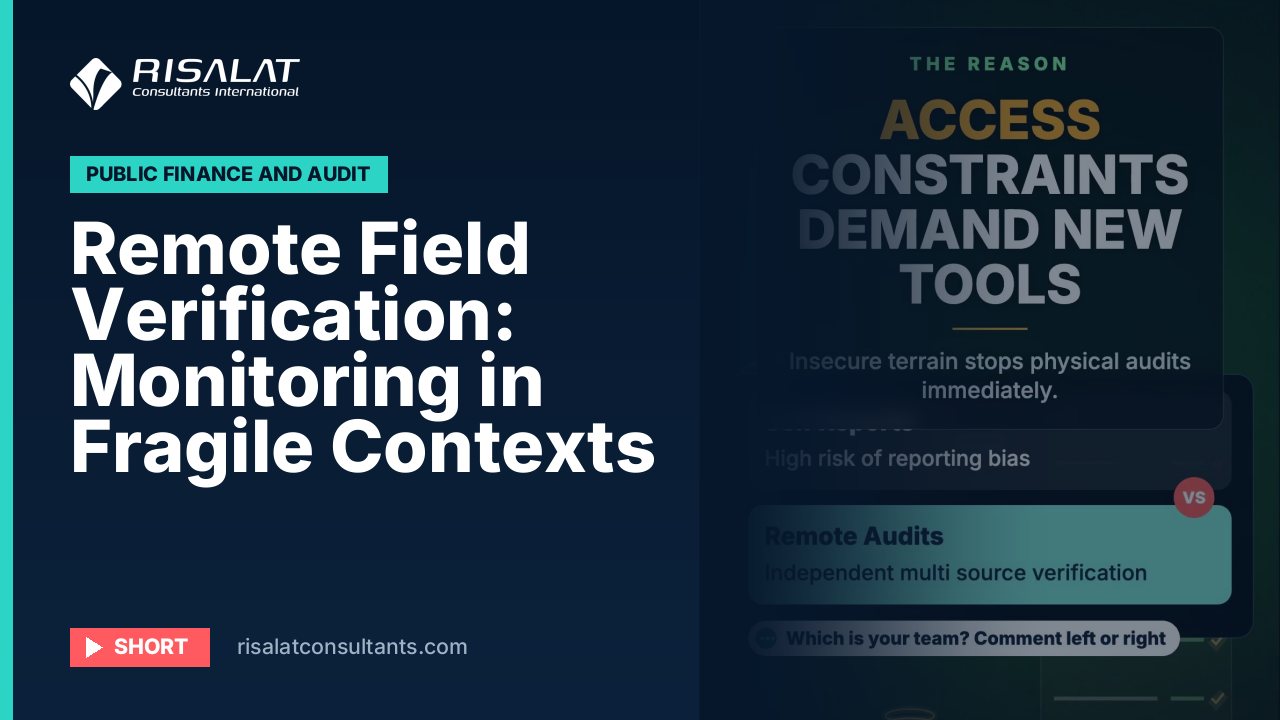
Watch: this programme in short

Other dates and cities for this subject: Climate Resilience and Adaptation training courses (108 upcoming dates).
More training courses in Ghana · All programmes in Africa · Full training calendar
Plan this programme in a roadmap: why it matters, why to approve it, the dates to plan and the career it builds.