关键信息
- 日期
- 2027年2月1–5日(5天)
- 地点
- TBD, The Hague, Netherlands
- 每位学员费用
- £3,960 (GBP)
- 付款
- 通过发票和银行转账付款
- 报名截止
- 2026年12月23日
- 证书
- 结业证书
- 内训选项
- 按您的日期,为您的团队专场举办
培训项目概述
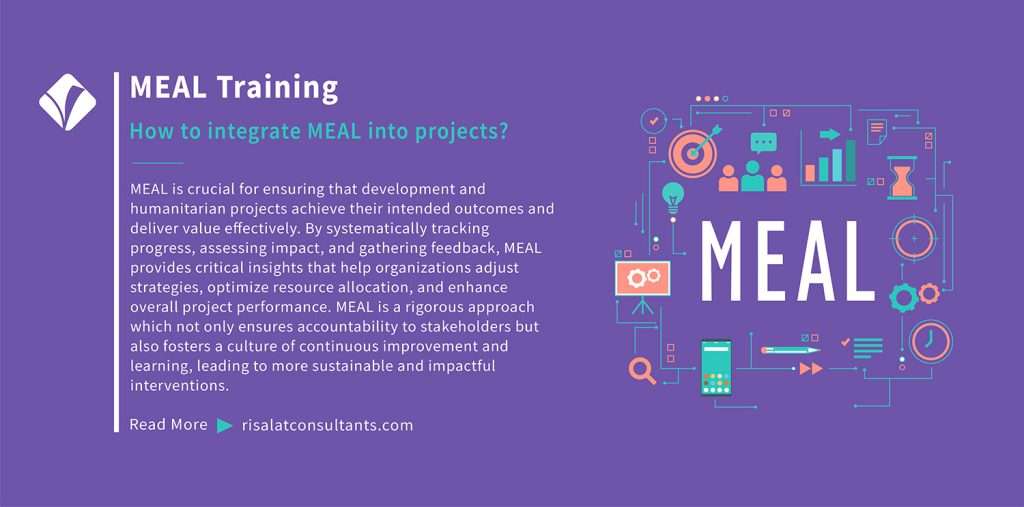
MEAL Training has become increasingly important for organizations seeking to strengthen Monitoring, Evaluation, Accountability, and Learning (MEAL) systems that deliver measurable results, demonstrate accountability, improve decision-making, and maximize the impact of development and humanitarian programmes. Governments, development partners, NGOs, INGOs, UN agencies, and donor-funded projects increasingly require integrated MEAL systems that generate reliable evidence, strengthen organizational learning, improve transparency, and support adaptive management.
This Advanced Monitoring, Evaluation, Accountability & Learning (MEAL) Systems Training equips participants with practical knowledge, internationally recognized frameworks, and modern tools required to design, implement, manage, and strengthen integrated MEAL systems across development, humanitarian, governance, climate, health, education, infrastructure, and social protection programmes.
Participants will explore Results-Based Management, Theory of Change, Logical Frameworks (Logframes), performance measurement, indicator development, digital data collection, data quality assurance, accountability mechanisms, adaptive management, learning systems, knowledge management, impact evaluation, Artificial Intelligence applications, and evidence-based decision-making aligned with international best practices.
Professionals seeking stronger capabilities in project implementation, organizational performance, and development effectiveness may also benefit from our Project Management for Development & Humanitarian Sectors Training, Monitoring & Evaluation of Community & Development Projects Training, and Research Methods, Data Analysis & Report Writing Training.
本培训项目可在以下方面加强机构能力:
- 监测体系设计
- Evaluation planning and implementation
- 问责机制
- Organizational learning systems
- 基于结果的管理(RBM)
- 构建变革理论
- Logical Framework (Logframe) design
- Performance measurement
- Indicator development
- Data collection methodologies
- Data Quality Assurance (DQA)
- Digital data collection platforms
- GIS for monitoring
- Dashboard development
- Data visualization
- Artificial Intelligence for MEAL
- 知识管理
- Adaptive management
- Impact evaluation
- Evidence-based decision making
- Donor reporting
- Organizational performance improvement
The programme combines internationally recognized MEAL frameworks with practical applications relevant to governments, NGOs, INGOs, UN agencies, donor-funded projects, humanitarian organizations, development banks, foundations, research institutions, and public sector organizations.
The Growing Importance of Monitoring, Evaluation, Accountability & Learning (MEAL)
Organizations increasingly operate in environments where funding decisions, institutional credibility, and programme sustainability depend on the ability to demonstrate measurable results, accountability, transparency, and continuous learning. Donors and stakeholders now expect organizations to move beyond activity reporting toward evidence-based decision-making, adaptive management, and measurable development impact.
各机构日益需要具备以下能力的专业人员:
- Designing integrated MEAL systems
- Developing Results-Based Management frameworks
- Applying Theory of Change approaches
- Designing Logical Frameworks
- Developing performance indicators
- Strengthening data quality systems
- Utilizing digital data collection technologies
- Conducting evaluations
- Managing accountability mechanisms
- Supporting organizational learning
- Applying adaptive management
- Producing evidence-based reports
- Supporting donor compliance
- Measuring long-term development impact
Strong MEAL systems help organizations:
- Improve project performance
- Strengthen accountability
- Enhance transparency
- Improve donor confidence
- Support evidence-based decision-making
- Improve programme quality
- Strengthen institutional learning
- Increase organizational effectiveness
- Improve resource allocation
- 加强利益相关方参与
- Improve development outcomes
- Build long-term institutional resilience
Weak MEAL systems often result in unreliable data, poor decision-making, weak accountability, ineffective reporting, reduced donor confidence, limited organizational learning, and diminished development impact.
Modern organizations increasingly integrate digital technologies, Artificial Intelligence, data analytics, real-time monitoring, and adaptive management into MEAL systems to improve organizational performance, accountability, and sustainable development outcomes.
Who Should Attend This Advanced Monitoring, Evaluation, Accountability & Learning (MEAL) Systems Training
This MEAL Training is designed for:
- MEAL Managers
- 监测与评估专家
- 项目经理
- 项目经理
- Portfolio Managers
- Results-Based Management Specialists
- 政府官员
- 发展领域从业者
- NGO & INGO Professionals
- 人道主义专业人员
- 联合国机构工作人员
- 捐助方资助项目团队
- 数据分析师
- Research Officers
- Policy Analysts
- Accountability Officers
- Learning & Knowledge Management Specialists
- 社区参与官员
- Planning Officers
- Performance Management Specialists
- 发展领域咨询顾问
- 社会保障专家
- 公共部门管理人员
- Institutional Performance Officers
勾选您的团队需要具备的能力。
MEAL Training Objectives
完成本培训项目后,学员将能够:
- Design integrated MEAL systems
- Develop Results-Based Management frameworks
- Apply Theory of Change methodologies
- Develop Logical Frameworks (Logframes)
- Design meaningful performance indicators
- Strengthen monitoring systems
- Improve evaluation planning and implementation
- Strengthen accountability mechanisms
- Improve data quality management
- Utilize digital data collection technologies
- Apply data analysis and visualization techniques
- Support adaptive management and organizational learning
- 改进向捐助方的报告与合规工作
- 加强循证决策
- Develop practical institutional MEAL action plans
This programme strengthens organizational capability in monitoring, evaluation, accountability, organizational learning, performance management, adaptive management, data quality, institutional effectiveness, and sustainable development results.
MEAL TrainingStructure and Contents
- Introduction to Monitoring, Evaluation, Accountability & Learning (MEAL)
- Principles of Results-Based Management (RBM)
- 构建变革理论
- Logical Framework (Logframe) design
- Results chains and performance frameworks
- Designing integrated MEAL systems
- Aligning MEAL with organizational strategy
- Designing monitoring plans
- 制定SMART指标
- Output, outcome, and impact indicators
- Data collection methodologies
- Quantitative and qualitative data collection
- Digital data collection using KoboToolbox, ODK, and SurveyCTO
- Data Quality Assurance (DQA)
- Types of evaluations
- Baseline, mid-term, final, and impact evaluations
- OECD DAC Evaluation Criteria
- Evaluation methodologies
- Mixed-methods approaches
- Outcome Harvesting
- Most Significant Change (MSC) technique
- Accountability to affected populations (AAP)
- Beneficiary feedback mechanisms
- Complaints and Feedback Mechanisms (CFM)
- 社区参与策略
- Stakeholder mapping and participation
- Communication for accountability
- Gender-responsive accountability systems
- Data analysis for MEAL systems
- Data visualization and dashboard development
- Power BI and Excel reporting
- Artificial Intelligence applications in MEAL
- Predictive analytics for programme management
- Performance reporting for donors
- Institutional performance reviews
完整的每日课程内容
First Day | Designing Effective MEAL Systems & Results-Based Management
- Introduction to Monitoring, Evaluation, Accountability & Learning (MEAL)
- Principles of Results-Based Management (RBM)
- 构建变革理论
- Logical Framework (Logframe) design
- Results chains and performance frameworks
- Designing integrated MEAL systems
- Aligning MEAL with organizational strategy
- Developing measurable outcomes and outputs
- Establishing institutional performance frameworks
Exercise: Designing an Integrated MEAL Framework
Strong MEAL systems provide organizations with structured approaches to measure performance, improve accountability, strengthen learning, and support evidence-based decision-making throughout the project lifecycle.
Second Day | Monitoring Systems, Indicators, Data Quality & Digital Data Collection
- Designing monitoring plans
- 制定SMART指标
- Output, outcome, and impact indicators
- Data collection methodologies
- Quantitative and qualitative data collection
- Digital data collection using KoboToolbox, ODK, and SurveyCTO
- Data Quality Assurance (DQA)
- Data verification and validation
- Data management and security
- GIS applications for monitoring
Workshop: Developing a Monitoring Plan & Data Quality Framework
Reliable monitoring systems depend on high-quality data, effective collection methods, digital technologies, and robust quality assurance processes that support timely and informed decision-making.
Third Day | Evaluation, Learning & Adaptive Management
- Types of evaluations
- Baseline, mid-term, final, and impact evaluations
- OECD DAC Evaluation Criteria
- Evaluation methodologies
- Mixed-methods approaches
- Outcome Harvesting
- Most Significant Change (MSC) technique
- Adaptive management
- Organizational learning systems
- Knowledge management strategies
Case Study: Using Evaluation Findings to Improve Programme Performance
Effective evaluation and learning systems help organizations identify successes, address implementation challenges, adapt strategies, and improve long-term development outcomes.
Fourth Day | Accountability, Community Engagement & Stakeholder Participation
- Accountability to affected populations (AAP)
- Beneficiary feedback mechanisms
- Complaints and Feedback Mechanisms (CFM)
- 社区参与策略
- Stakeholder mapping and participation
- Communication for accountability
- Gender-responsive accountability systems
- Transparency and ethical data management
- Safeguarding and protection considerations
- Institutional accountability frameworks
Workshop: Designing an Accountability & Community Feedback System
Strong accountability systems improve stakeholder trust, strengthen transparency, enhance programme quality, and ensure that interventions remain responsive to the needs and priorities of beneficiaries.
Professionals responsible for community engagement may also benefit from our Community Development Training and Environmental & Social Safeguards (World Bank ESF, IFC & ADB SPS) Training programmes.
Fifth Day | Data Analytics, Artificial Intelligence & Evidence-Based Decision-Making
- Data analysis for MEAL systems
- Data visualization and dashboard development
- Power BI and Excel reporting
- Artificial Intelligence applications in MEAL
- Predictive analytics for programme management
- Performance reporting for donors
- Institutional performance reviews
- Decision-support systems
- Developing learning agendas
- Building learning organizations
Capstone Exercise: Developing an Organizational MEAL Improvement & Learning Action Plan
Modern MEAL systems combine reliable data, digital technologies, accountability, continuous learning, and evidence-based management to improve organizational performance, strengthen donor confidence, enhance development effectiveness, and maximize sustainable impact across development and humanitarian programmes.
- 投入
- 活动
- 产出
- 成果
- 影响
MEAL TrainingMethodology
This programme uses a highly practical and interactive methodology that combines internationally recognized MEAL frameworks with real-world applications from development programmes, humanitarian operations, public sector institutions, and donor-funded projects.
本培训项目融合了:
- 专家主讲的高管课程
- International MEAL case studies
- Results-Based Management (RBM) workshops
- Theory of Change and Logframe development exercises
- Monitoring system design workshops
- Evaluation planning simulations
- Data Quality Assurance (DQA) exercises
- Digital data collection demonstrations
- Accountability and community engagement scenarios
- Data visualization and dashboard exercises
- 小组讨论与同伴学习
- 机构行动规划
Participants develop practical tools, templates, implementation strategies, and institutional roadmaps that can be immediately applied to strengthen MEAL systems, improve organizational performance, and enhance development effectiveness.
培训项目实施方式
This programme adopts a highly practical, participant-centered, and implementation-oriented learning approach that combines international best practices with successful Monitoring, Evaluation, Accountability & Learning (MEAL) systems used by governments, United Nations agencies, international NGOs, development partners, and donor-funded programmes.
培训方法结合了:
- 互动式高管讲授
- International MEAL case studies
- Results-Based Management workshops
- Theory of Change development exercises
- Logical Framework (Logframe) design sessions
- Digital data collection demonstrations
- Data quality and verification exercises
- Dashboard development and reporting workshops
- Accountability and stakeholder engagement simulations
- 小组问题解决活动
- 高管同伴学习与知识交流
- Development of organization-specific MEAL improvement plans
Throughout the programme, participants will work on practical scenarios reflecting the challenges commonly faced by governments, NGOs, INGOs, humanitarian agencies, UN organizations, development banks, and donor-funded projects responsible for managing complex development and humanitarian interventions.
By the end of the programme, participants will develop practical institutional action plans outlining priority initiatives to strengthen monitoring systems, improve evaluation quality, enhance accountability, promote organizational learning, improve data quality, and support evidence-based decision-making.
Host Country Profile – The Netherlands
The Netherlands is internationally recognized for its commitment to evidence-based policymaking, international development cooperation, humanitarian assistance, and results-oriented public sector management. The country hosts numerous international organizations, research institutions, development agencies, and non-governmental organizations that promote innovation, accountability, and data-driven decision-making.
The Netherlands also demonstrates a strong commitment to independent evaluation, accountability, and policy learning through institutions such as the Policy and Operations Evaluation Department of the Dutch Ministry of Foreign Affairs.
The Hague provides an excellent environment for learning and professional exchange, bringing together expertise in programme management, international development, digital innovation, research, governance, and organizational performance improvement. The city’s collaborative ecosystem supports modern approaches to monitoring, evaluation, adaptive management, and institutional learning across development and humanitarian sectors.
Participants will gain valuable exposure to internationally recognized practices in MEAL systems, organizational learning, digital data management, accountability mechanisms, evidence-based policymaking, and performance measurement that can be adapted to strengthen institutional performance and development effectiveness within their own organizations.
Institutional Application ofMEAL Training
本培训项目帮助机构加强:
- Integrated MEAL systems
- 基于结果的管理(RBM)
- Organizational performance management
- Theory of Change and Logframe development
- 监测与报告体系
- Evaluation frameworks
- 问责机制
- 数据质量管理
- 组织学习
- 知识管理
- 捐助方合规
- Evidence-based decision-making
学员将带着实用工具回到工作岗位,以提升:
- 项目绩效
- Monitoring and reporting quality
- Evaluation effectiveness
- Accountability and transparency
- 利益相关方参与
- Data quality and integrity
- 组织学习
- Adaptive management
- Donor reporting
- 机构绩效
Strong MEAL systems are increasingly essential for organizations seeking to improve accountability, strengthen donor confidence, enhance programme effectiveness, generate reliable evidence, and achieve sustainable development results.
区域相关性与应用
非洲
Supporting Results-Based Management, donor-funded development programmes, humanitarian operations, social protection initiatives, governance reforms, climate adaptation projects, and community development programmes.
南亚
Strengthening monitoring systems, evaluation capacity, accountability mechanisms, digital data collection, and evidence-based decision-making across large-scale development and public sector programmes.
东南亚
Supporting organizational learning, adaptive management, performance measurement, disaster resilience programmes, and sustainable development initiatives.
中东
Enhancing MEAL systems for humanitarian response, refugee assistance, social protection, governance reforms, institutional strengthening, and recovery programmes.
欧洲与中亚
Strengthening monitoring and evaluation systems, institutional performance management, accountability frameworks, organizational learning, and results-based public sector management.
Across these regions, organizations increasingly require professionals capable of designing integrated MEAL systems, producing high-quality evidence, strengthening accountability, supporting adaptive management, and improving institutional effectiveness to maximize development impact.
Expected Outcomes ofMEAL Training
学员将能够:
- Design integrated Monitoring, Evaluation, Accountability & Learning (MEAL) systems
- Apply Results-Based Management (RBM) principles
- Develop Theory of Change and Logical Frameworks
- Design effective monitoring systems and performance indicators
- Strengthen data quality assurance and verification processes
- Conduct evaluations using internationally recognized methodologies
- Improve accountability and stakeholder engagement mechanisms
- Apply digital technologies for data collection and analysis
- Strengthen organizational learning and adaptive management
- Produce high-quality donor reports and performance dashboards
- Support evidence-based decision-making
- Develop practical institutional MEAL improvement action plans
Participants leave with practical tools, internationally recognized frameworks, and implementation strategies to strengthen MEAL systems, improve organizational accountability, enhance learning, support evidence-based decision-making, and maximize the effectiveness and sustainability of development and humanitarian programmes.
£3,960 per participant · invoice and bank transfer · groups of 5 or more receive a discount
同一机构五人及以上:请在申请发票时索取团体价。
Ten or more: an in-house version for your institution may cost less per person. Ask for an in-house quote.
Registration closes in 51 days (23 Dec 2026)
MEAL TrainingCourse Deliverables
培训开始前
- 学员课前评估
- MEAL Systems Capacity & Readiness Assessment
- Organizational Performance Self-Assessment
- 培训项目简介与课前阅读资料
- MEAL Resource Pack
- 免费签证支持与咨询
- 抵达前协调与出行指引
培训期间
- 机场接机与欢迎协助
- 住宿(含每日早餐)
- 欢迎交流晚宴
- Risalat高管培训礼包(包、水瓶、马克杯、T恤、帽子、护照套、笔、笔记本、冰箱贴和钥匙扣)
- 全面的培训手册
- Advanced MEAL Systems Toolkit
- Results-Based Management (RBM) Framework Guide
- Theory of Change & Logframe Templates
- Monitoring Plan & Indicator Development Toolkit
- Data Quality Assurance (DQA) Frameworks
- Digital Data Collection Resources (KoboToolbox, ODK & SurveyCTO)
- Data Visualization & Dashboard Templates
- Accountability & Feedback Mechanism Toolkit
- Evaluation Planning & Reporting Templates
- 实用案例研究与国际最佳实践
- 互动研讨与模拟练习
- 小组讨论与高管同伴学习
- 每日午餐与茶歇
- 全面使用培训场地设施
- 装有数字学习资料的迷你平板电脑
- Access to MEAL Reference Resources
- Technical Visit to a Development Organization or Public Institution (where applicable)
- 城市休闲观光
- 结业证书
- Risalat培训项目参与表彰奖
培训结束后
- 培训后参考资料
- Advanced MEAL Systems Toolkit
- Results-Based Management Templates
- Theory of Change & Logframe Templates
- Monitoring & Evaluation Planning Tools
- 务实的机构建议
- 培训后支持与跟进指导
- 培训项目报告
Organizations seeking customized MEAL systems, Results-Based Management, monitoring and evaluation, accountability frameworks, digital data systems, organizational learning, impact evaluation, or institution-specific capacity-building programmes are welcome to contact Risalat Consultants International for tailored solutions aligned with their organizational priorities and donor requirements.
Risalat Consultants International is committed to supporting governments, development partners, humanitarian organizations, NGOs, INGOs, and public institutions in strengthening Monitoring, Evaluation, Accountability & Learning (MEAL) systems that improve organizational performance and maximize development impact.
This programme provides participants with practical knowledge, internationally recognized frameworks, and implementation-focused strategies to strengthen monitoring systems, improve evaluation quality, enhance accountability, promote organizational learning, and support evidence-based decision-making across development and humanitarian programmes.
Through exposure to international best practices, modern digital technologies, and innovative MEAL approaches, participants will gain practical tools that can be immediately applied to improve programme performance, strengthen donor compliance, enhance institutional accountability, and deliver measurable, sustainable results.
Should further customization be required, we would be pleased to tailor the programme content, practical workshops, case studies, and technical visits to align with your organization’s strategic priorities and capacity development needs.
We look forward to partnering with your organization in delivering a high-impact executive learning experience that strengthens institutional effectiveness, improves development outcomes, and builds resilient, learning-oriented organizations capable of achieving lasting impact.
Common Challenges in Monitoring, Evaluation, Accountability & Learning (MEAL) Systems
以及本培训如何提供帮助
How can organizations build integrated MEAL systems that improve decision-making rather than simply meeting donor reporting requirements?
Many organizations collect large volumes of project data but struggle to convert information into meaningful insights. This programme provides practical approaches to designing integrated MEAL systems that support organizational learning, evidence-based decision-making, adaptive management, and continuous performance improvement.
How can organizations improve the quality, reliability, and credibility of project data?
Poor-quality data often results in inaccurate reporting, weak performance measurement, and reduced donor confidence. Participants learn practical approaches to indicator development, Data Quality Assurance (DQA), verification procedures, digital data collection, and quality control systems that strengthen the reliability of monitoring and evaluation data.
How can projects measure outcomes and long-term impact instead of only reporting activities and outputs?
Many organizations focus heavily on activity reporting without demonstrating meaningful change. This programme introduces Results-Based Management (RBM), Theory of Change, Logical Frameworks, outcome measurement, impact evaluation, and performance indicators that help organizations measure sustainable development results.
How can organizations strengthen accountability to beneficiaries, donors, and stakeholders?
Effective accountability requires more than reporting to donors. Participants explore beneficiary feedback mechanisms, complaints and response systems, stakeholder engagement strategies, transparency practices, and accountability frameworks that strengthen trust and improve programme quality.
How can digital technologies improve monitoring, evaluation, and organizational learning?
Digital platforms increasingly enable organizations to collect, analyze, visualize, and report data more efficiently. This programme introduces practical applications of digital data collection platforms, dashboards, GIS, Artificial Intelligence, and data visualization tools that improve decision-making and organizational performance.
How can organizations ensure evaluation findings lead to continuous improvement?
Evaluation findings often remain underutilized after reports are completed. Participants learn how to establish organizational learning systems, adaptive management practices, knowledge management approaches, and learning agendas that translate evidence into improved policies, programmes, and institutional performance.
How can organizations strengthen donor reporting while reducing administrative burden?
Donor-funded projects often require complex reporting across multiple indicators and frameworks. This programme provides practical approaches to performance reporting, results frameworks, standardized templates, data management systems, and reporting processes that improve efficiency while meeting donor expectations.
Organizations seeking to strengthen donor engagement, resource mobilization, and development reporting may also benefit from our Donor Relations, Resource Mobilization & Development Project Reporting Training.
How can organizations build sustainable MEAL systems across multiple programmes and projects?
Many institutions develop project-specific monitoring systems that are difficult to scale or sustain. Participants learn how to design organization-wide MEAL frameworks, strengthen institutional capacity, establish governance structures, standardize processes, and develop long-term systems that support continuous learning and organizational effectiveness.
All programmes in The Hague更多监测评估与绩效管理培训项目
Why The Hague for this programme
The Hague, Netherlands, was chosen for this programme because it is easy to reach for the participants we expect and has suitable venues for practical, interactive training.
The Advanced Monitoring, Evaluation, Accountability & Learning (MEAL) Systems Training programme in February 2027 brings together officials and professionals. Sessions combine short inputs, case studies and group work on participants' own files, and the city's institutions can be added as a study visit on request.
使用免费的签证查询工具确认您是否需要签证,完成报名后即可申请邀请函。