حقائق رئيسية
- المواعيد
- 1–5 فبراير 2027 (5 أيام)
- المكان
- TBD, The Hague, Netherlands
- الرسوم لكل مشارك
- £3,960 (GBP)
- الدفع
- بالفاتورة والتحويل المصرفي
- إغلاق التسجيل
- 23 ديسمبر 2026
- الصيغة
- 5-day short course: a practical capacity-building programme for government, NGO and project teams in The Hague
- الشهادة
- شهادة إتمام
- الخيار المؤسسي
- نفّذه لفريقك، في المواعيد التي تناسبك
في هذه الصفحة 15 قسماً
نظرة عامة على البرنامج
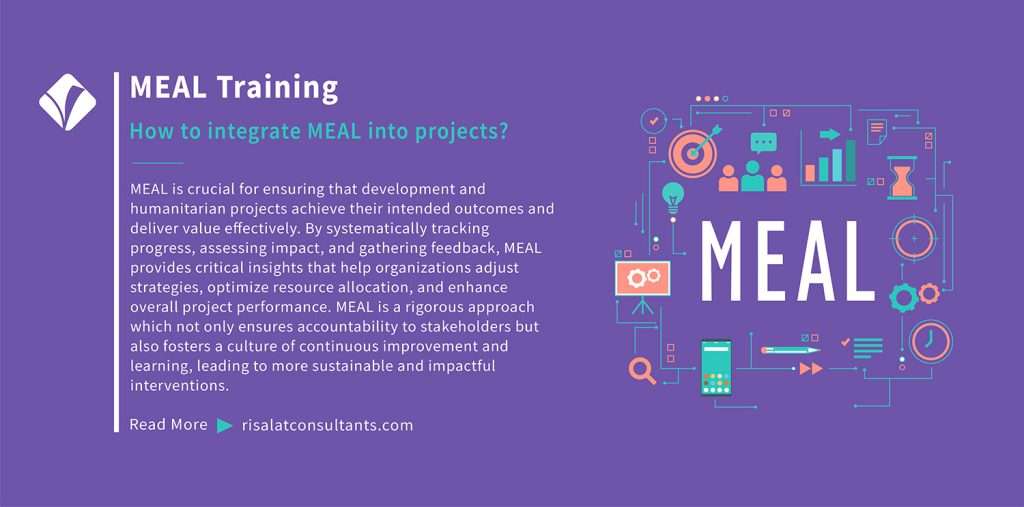
أصبح تدريب MEAL مهمًا بشكل متزايد للمنظمات التي تسعى إلى تعزيز أنظمة الرصد والتقييم والمساءلة والتعلم (MEAL) التي تقدم نتائج قابلة للقياس وتظهر المساءلة وتحسن اتخاذ القرار وتعظيم تأثير برامج التنمية والإنسانية. تتطلب الحكومات وشركاء التنمية والمنظمات غير الحكومية والمنظمات الدولية غير الحكومية ووكالات الأمم المتحدة والمشاريع الممولة من الجهات المانحة بشكل متزايد أنظمة MEAL متكاملة تولد أدلة موثوقة وتعزز التعلم التنظيمي وتحسن الشفافية وتدعم الإدارة التكيفية.
فحص ذاتي مجاني: يمنحك تقييم المتابعة والتقييم والتعلم (M&E and MEAL) درجة لنظام المتابعة والتقييم والتعلم الخاص بك والثغرات التي يجب سدها أولاً، في غضون 10 دقائق تقريباً.
يزود تدريب أنظمة المراقبة والتقييم والمساءلة والتعلم (MEAL) المتقدم هذا المشاركين المعرفة العملية، والأطر المعترف بها دولياً، والأدوات الحديثة اللازمة لتصميم وتنفيذ وإدارة وتعزيز أنظمة المراقبة والتقييم والمساءلة والتعلم المتكاملة عبر برامج التنمية، والإنسانية، والحوكمة، والمناخ، والصحة، والتعليم، والبنية التحتية، والحماية الاجتماعية.
سيستكشف المشاركون الإدارة القائمة على النتائج، وننظر التغيير، والأطر المنطقية (Logframes)، وقياس الأداء، وتطوير المؤشرات، وجمع البيانات الرقمية، وضمان جودة البيانات، وآليات المساءلة، والإدارة التكيفية، وأنظمة التعلم، وإدارة المعرفة، وتقييم الأثر، وتطبيقات الذكاء الاصطناعي، واتخاذ القرارات المستندة إلى الأدلة بما يتماشى مع أفضل الممارسات الدولية.
قد يستفيد المهنيون الساعون إلى تعزيز قدراتهم في تنفيذ المشاريع، والأداء التنظيمي، وفعالية التنمية أيضاً من تدريب إدارة المشاريع لقطاعات التنمية والعمل الإنساني، وتدريب رصد وتقييم مشاريع المجتمع والتنمية، وتدريب مناهج البحث وتحليل البيانات وكتابة التقارير.
يعزز البرنامج القدرات المؤسسية في:
- تصميم أنظمة المتابعة
- تخطيط التقييم وتنفيذه
- آليات المساءلة
- Organizational learning systems
- الإدارة القائمة على النتائج (RBM)
- إعداد نظرية التغيير
- Logical Framework (Logframe) design
- Performance measurement
- Indicator development
- Data collection methodologies
- Data Quality Assurance (DQA)
- Digital data collection platforms
- GIS for monitoring
- Dashboard development
- Data visualization
- الذكاء الاصطناعي للمتابعة والتقييم والتعلم
- إدارة المعرفة
- الإدارة التكيفية
- Impact evaluation
- Evidence-based decision making
- Donor reporting
- Organizational performance improvement
The programme combines internationally recognized MEAL frameworks with practical applications relevant to governments, NGOs, INGOs, UN agencies, donor-funded projects, humanitarian organizations, development banks, foundations, research institutions, and public sector organizations.
The Growing Importance of Monitoring, Evaluation, Accountability & Learning (MEAL)
تعمل المنظمات بشكل متزايد في بيئات تعتمد فيها قرارات التمويل، والمصداقية المؤسسية، واستدامة البرامج على القدرة على إظهار نتائج قابلة للقياس، والمساءلة، والشفافية، والتعلم المستمر. يتوقع المانحون وأصحاب المصلحة الآن أن تنتقل المنظمات من مجرد إعداد التقارير عن الأنشطة نحو اتخاذ القرارات القائمة على الأدلة، والإدارة التكيفية، والأثر التنموي القابل للقياس.
تحتاج المؤسسات بشكل متزايد إلى مهنيين قادرين على:
- تصميم أنظمة الرصد والتقييم والمساءلة والتعلم المتكاملة
- Developing Results-Based Management frameworks
- Applying Theory of Change approaches
- Designing Logical Frameworks
- Developing performance indicators
- Strengthening data quality systems
- استخدام تقنيات جمع البيانات الرقمية
- Conducting evaluations
- Managing accountability mechanisms
- دعم التعلم التنظيمي
- تطبيق الإدارة التكيفية
- Producing evidence-based reports
- Supporting donor compliance
- قياس أثر التنمية على المدى الطويل
Strong MEAL systems help organizations:
- Improve project performance
- Strengthen accountability
- تعزيز الشفافية
- Improve donor confidence
- Support evidence-based decision-making
- Improve programme quality
- تعزيز التعلم المؤسسي
- Increase organizational effectiveness
- Improve resource allocation
- تعزيز إشراك أصحاب المصلحة
- Improve development outcomes
- Build long-term institutional resilience
Weak MEAL systems often result in unreliable data, poor decision-making, weak accountability, ineffective reporting, reduced donor confidence, limited organizational learning, and diminished development impact.
تدمج المنظمات الحديثة بشكل متزايد التقنيات الرقمية، والذكاء الاصطناعي، وتحليل البيانات، والمراقبة الفورية، والإدارة التكيفية في أنظمة المتابعة والتقييم والمساءلة والتعلم لتحسين الأداء التنظيمي، والمساءلة، ونتائج التنمية المستدامة.
Who Should Attend This Advanced Monitoring, Evaluation, Accountability & Learning (MEAL) Systems Training
This MEAL Training is designed for:
- MEAL Managers
- أخصائيو المتابعة والتقييم
- مديرو المشاريع
- مديرو البرامج
- Portfolio Managers
- Results-Based Management Specialists
- المسؤولون الحكوميون
- العاملون في مجال التنمية
- محترفو المنظمات غير الحكومية والمنظمات الدولية غير الحكومية
- المتخصصون في العمل الإنساني
- موظفو وكالات الأمم المتحدة
- فرق المشاريع الممولة من الجهات المانحة
- محللو البيانات
- Research Officers
- محللو السياسات
- Accountability Officers
- Learning & Knowledge Management Specialists
- مسؤولو المشاركة المجتمعية
- Planning Officers
- Performance Management Specialists
- الاستشاريون في مجال التنمية
- أخصائيو الحماية الاجتماعية
- مديرو القطاع العام
- مسؤولو الأداء المؤسسي
حدّد ما يحتاج فريقك إلى القدرة على إنجازه.
أهداف تدريب الرصد والتقييم والمساءلة والتعلم (MEAL)
بنهاية هذا البرنامج، سيتمكن المشاركون من:
- Design integrated MEAL systems
- Develop Results-Based Management frameworks
- Apply Theory of Change methodologies
- Develop Logical Frameworks (Logframes)
- Design meaningful performance indicators
- Strengthen monitoring systems
- Improve evaluation planning and implementation
- Strengthen accountability mechanisms
- Improve data quality management
- استخدام تقنيات جمع البيانات الرقمية
- Apply data analysis and visualization techniques
- دعم الإدارة التكيفية والتعلم التنظيمي
- تحسين التقارير المقدمة للجهات المانحة والامتثال لمتطلباتها
- تعزيز اتخاذ القرار القائم على الأدلة
- Develop practical institutional MEAL action plans
This programme strengthens organizational capability in monitoring, evaluation, accountability, organizational learning, performance management, adaptive management, data quality, institutional effectiveness, and sustainable development results.
MEAL TrainingStructure and Contents
- Introduction to Monitoring, Evaluation, Accountability & Learning (MEAL)
- مبادئ الإدارة القائمة على النتائج (RBM)
- إعداد نظرية التغيير
- Logical Framework (Logframe) design
- سلاسل النتائج وأطر الأداء
- تصميم أنظمة الرصد والتقييم والمساءلة والتعلم المتكاملة
- مواءمة المتابعة والتقييم والمساءلة والتعلم مع الاستراتيجية المؤسسية
- تصميم خطط المراقبة
- إعداد مؤشرات ذكية (SMART)
- Output, outcome, and impact indicators
- Data collection methodologies
- Quantitative and qualitative data collection
- Digital data collection using KoboToolbox, ODK, and SurveyCTO
- Data Quality Assurance (DQA)
- Types of evaluations
- التقييمات الأساسية، ومنتصف المدة، والنهائية، وتقييمات الأثر
- OECD DAC Evaluation Criteria
- Evaluation methodologies
- نهج الطرق المختلطة
- Outcome Harvesting
- تقنية التغيير الأكثر أهمية (MSC)
- Accountability to affected populations (AAP)
- آليات تعقيب المستفيدين
- Complaints and Feedback Mechanisms (CFM)
- استراتيجيات المشاركة المجتمعية
- Stakeholder mapping and participation
- التواصل من أجل المساءلة
- Gender-responsive accountability systems
- Data analysis for MEAL systems
- Data visualization and dashboard development
- إعداد التقارير باستخدام Power BI و Excel
- Artificial Intelligence applications in MEAL
- Predictive analytics for programme management
- Performance reporting for donors
- Institutional performance reviews
المحتوى الكامل يوماً بيوم
First Day | Designing Effective MEAL Systems & Results-Based Management
- Introduction to Monitoring, Evaluation, Accountability & Learning (MEAL)
- مبادئ الإدارة القائمة على النتائج (RBM)
- إعداد نظرية التغيير
- Logical Framework (Logframe) design
- سلاسل النتائج وأطر الأداء
- تصميم أنظمة الرصد والتقييم والمساءلة والتعلم المتكاملة
- مواءمة المتابعة والتقييم والمساءلة والتعلم مع الاستراتيجية المؤسسية
- Developing measurable outcomes and outputs
- إرساء أطر الأداء المؤسسي
تمرين: تصميم إطار متكامل للمتابعة والتقييم والمساءلة والتعلم
Strong MEAL systems provide organizations with structured approaches to measure performance, improve accountability, strengthen learning, and support evidence-based decision-making throughout the project lifecycle.
Second Day | Monitoring Systems, Indicators, Data Quality & Digital Data Collection
- تصميم خطط المراقبة
- إعداد مؤشرات ذكية (SMART)
- Output, outcome, and impact indicators
- Data collection methodologies
- Quantitative and qualitative data collection
- Digital data collection using KoboToolbox, ODK, and SurveyCTO
- Data Quality Assurance (DQA)
- Data verification and validation
- Data management and security
- GIS applications for monitoring
Workshop: Developing a Monitoring Plan & Data Quality Framework
Reliable monitoring systems depend on high-quality data, effective collection methods, digital technologies, and robust quality assurance processes that support timely and informed decision-making.
Third Day | Evaluation, Learning & Adaptive Management
- Types of evaluations
- التقييمات الأساسية، ومنتصف المدة، والنهائية، وتقييمات الأثر
- OECD DAC Evaluation Criteria
- Evaluation methodologies
- نهج الطرق المختلطة
- Outcome Harvesting
- تقنية التغيير الأكثر أهمية (MSC)
- الإدارة التكيفية
- Organizational learning systems
- Knowledge management strategies
Case Study: Using Evaluation Findings to Improve Programme Performance
Effective evaluation and learning systems help organizations identify successes, address implementation challenges, adapt strategies, and improve long-term development outcomes.
Fourth Day | Accountability, Community Engagement & Stakeholder Participation
- Accountability to affected populations (AAP)
- آليات تعقيب المستفيدين
- Complaints and Feedback Mechanisms (CFM)
- استراتيجيات المشاركة المجتمعية
- Stakeholder mapping and participation
- التواصل من أجل المساءلة
- Gender-responsive accountability systems
- Transparency and ethical data management
- Safeguarding and protection considerations
- Institutional accountability frameworks
Workshop: Designing an Accountability & Community Feedback System
Strong accountability systems improve stakeholder trust, strengthen transparency, enhance programme quality, and ensure that interventions remain responsive to the needs and priorities of beneficiaries.
Professionals responsible for community engagement may also benefit from our Community Development Training and Environmental & Social Safeguards (World Bank ESF, IFC & ADB SPS) Training programmes.
Fifth Day | Data Analytics, Artificial Intelligence & Evidence-Based Decision-Making
- Data analysis for MEAL systems
- Data visualization and dashboard development
- إعداد التقارير باستخدام Power BI و Excel
- Artificial Intelligence applications in MEAL
- Predictive analytics for programme management
- Performance reporting for donors
- Institutional performance reviews
- أنظمة دعم القرار
- Developing learning agendas
- Building learning organizations
تمرين المشروع الختامي: تطوير خطة عمل لتحسين والتعلم لنظام المتابعة والتقييم والمساءلة والتعلم المؤسسي (MEAL)
Modern MEAL systems combine reliable data, digital technologies, accountability, continuous learning, and evidence-based management to improve organizational performance, strengthen donor confidence, enhance development effectiveness, and maximize sustainable impact across development and humanitarian programmes.
منهجية التدريب على المتابعة والتقييم والمساءلة والتعلم (MEAL)
This programme uses a highly practical and interactive methodology that combines internationally recognized MEAL frameworks with real-world applications from development programmes, humanitarian operations, public sector institutions, and donor-funded projects.
يجمع البرنامج بين:
- جلسات تنفيذية يقودها خبراء
- International MEAL case studies
- ورش عمل الإدارة القائمة على النتائج (RBM)
- Theory of Change and Logframe development exercises
- Monitoring system design workshops
- Evaluation planning simulations
- تمارين ضمان جودة البيانات
- Digital data collection demonstrations
- Accountability and community engagement scenarios
- Data visualization and dashboard exercises
- مناقشات جماعية وتعلم من الأقران
- التخطيط المؤسسي للعمل
Participants develop practical tools, templates, implementation strategies, and institutional roadmaps that can be immediately applied to strengthen MEAL systems, improve organizational performance, and enhance development effectiveness.
منهجية تقديم البرنامج
This programme adopts a highly practical, participant-centered, and implementation-oriented learning approach that combines international best practices with successful Monitoring, Evaluation, Accountability & Learning (MEAL) systems used by governments, United Nations agencies, international NGOs, development partners, and donor-funded programmes.
تجمع المنهجية بين:
- عروض تنفيذية تفاعلية
- International MEAL case studies
- Results-Based Management workshops
- تمارين تطوير نظرية التغيير
- Logical Framework (Logframe) design sessions
- Digital data collection demonstrations
- Data quality and verification exercises
- Dashboard development and reporting workshops
- محاكاة المساءلة ومشاركة أصحاب المصلحة
- أنشطة جماعية لحل المشكلات
- التعلم التنفيذي بين الأقران وتبادل المعرفة
- Development of organization-specific MEAL improvement plans
Throughout the programme, participants will work on practical scenarios reflecting the challenges commonly faced by governments, NGOs, INGOs, humanitarian agencies, UN organizations, development banks, and donor-funded projects responsible for managing complex development and humanitarian interventions.
By the end of the programme, participants will develop practical institutional action plans outlining priority initiatives to strengthen monitoring systems, improve evaluation quality, enhance accountability, promote organizational learning, improve data quality, and support evidence-based decision-making.
Host Country Profile – The Netherlands
The Netherlands is internationally recognized for its commitment to evidence-based policymaking, international development cooperation, humanitarian assistance, and results-oriented public sector management. The country hosts numerous international organizations, research institutions, development agencies, and non-governmental organizations that promote innovation, accountability, and data-driven decision-making.
The Netherlands also demonstrates a strong commitment to independent evaluation, accountability, and policy learning through institutions such as the Policy and Operations Evaluation Department of the Dutch Ministry of Foreign Affairs.
The Hague provides an excellent environment for learning and professional exchange, bringing together expertise in programme management, international development, digital innovation, research, governance, and organizational performance improvement. The city’s collaborative ecosystem supports modern approaches to monitoring, evaluation, adaptive management, and institutional learning across development and humanitarian sectors.
Participants will gain valuable exposure to internationally recognized practices in MEAL systems, organizational learning, digital data management, accountability mechanisms, evidence-based policymaking, and performance measurement that can be adapted to strengthen institutional performance and development effectiveness within their own organizations.
Institutional Application ofMEAL Training
يدعم هذا البرنامج المؤسسات في تعزيز:
- Integrated MEAL systems
- الإدارة القائمة على النتائج (RBM)
- Organizational performance management
- Theory of Change and Logframe development
- أنظمة المتابعة وإعداد التقارير
- Evaluation frameworks
- آليات المساءلة
- إدارة جودة البيانات
- التعلم المؤسسي
- إدارة المعرفة
- الامتثال لمتطلبات الجهات المانحة
- Evidence-based decision-making
يعود المشاركون بأدوات عملية لتحسين:
- أداء البرامج
- Monitoring and reporting quality
- Evaluation effectiveness
- Accountability and transparency
- إشراك أصحاب المصلحة
- Data quality and integrity
- التعلم المؤسسي
- الإدارة التكيفية
- Donor reporting
- الأداء المؤسسي
تصبح نظم الرصد والتقييم والمساءلة والتعلم القوية ضرورية بشكل متزايد للمؤسسات التي تسعى إلى تحسين المساءلة، وتعزيز ثقة الجهات المانحة، وتعزيز فعالية البرامج، وتوليد أدلة موثوقة، وتحقيق نتائج التنمية المستدامة.
الأهمية الإقليمية والتطبيق
أفريقيا
Supporting Results-Based Management, donor-funded development programmes, humanitarian operations, social protection initiatives, governance reforms, climate adaptation projects, and community development programmes.
جنوب آسيا
Strengthening monitoring systems, evaluation capacity, accountability mechanisms, digital data collection, and evidence-based decision-making across large-scale development and public sector programmes.
جنوب شرق آسيا
Supporting organizational learning, adaptive management, performance measurement, disaster resilience programmes, and sustainable development initiatives.
الشرق الأوسط
Enhancing MEAL systems for humanitarian response, refugee assistance, social protection, governance reforms, institutional strengthening, and recovery programmes.
أوروبا وآسيا الوسطى
Strengthening monitoring and evaluation systems, institutional performance management, accountability frameworks, organizational learning, and results-based public sector management.
تتطلب المنظمات عبر هذه المناطق وبشكل متزايد محترفين قادرين على تصميم أنظمة رصد ومتابعة وتقييم وتعلم متكاملة، إنتاج أدلة عالية الجودة، تعزيز المساءلة، دعم الإدارة التكيفية، وتحسين الفعالية المؤسسية لتحقيق أقصى تأثير تنموي.
- المدخلات
- الأنشطة
- المخرجات
- النتائج
- الأثر
Expected Outcomes ofMEAL Training
سيتمكن المشاركون من:
- Design integrated Monitoring, Evaluation, Accountability & Learning (MEAL) systems
- Apply Results-Based Management (RBM) principles
- Develop Theory of Change and Logical Frameworks
- تصميم أنظمة رصد فعالة ومؤشرات الأداء
- Strengthen data quality assurance and verification processes
- Conduct evaluations using internationally recognized methodologies
- Improve accountability and stakeholder engagement mechanisms
- Apply digital technologies for data collection and analysis
- Strengthen organizational learning and adaptive management
- Produce high-quality donor reports and performance dashboards
- Support evidence-based decision-making
- Develop practical institutional MEAL improvement action plans
Participants leave with practical tools, internationally recognized frameworks, and implementation strategies to strengthen MEAL systems, improve organizational accountability, enhance learning, support evidence-based decision-making, and maximize the effectiveness and sustainability of development and humanitarian programmes.
£3,960 per participant · invoice and bank transfer · groups of 5 or more receive a discount
خمسة مشاركين أو أكثر من مؤسسة واحدة: اطلبوا سعر المجموعة عند طلب الفاتورة.
Ten or more: an in-house version for your institution may cost less per person. Ask for an in-house quote.
Registration closes in 31 days (23 Dec 2026)
MEAL TrainingCourse Deliverables
قبل البرنامج
- التقييم المسبق للمشاركين
- MEAL Systems Capacity & Readiness Assessment
- التقييم الذاتي للأداء المؤسسي
- إحاطة حول البرنامج ومواد قراءة تحضيرية
- MEAL Resource Pack
- دعم واستشارات مجانية بشأن التأشيرة
- التنسيق قبل الوصول وإرشادات السفر
أثناء البرنامج
- الاستقبال من المطار والمساعدة عند الوصول
- إقامة مع إفطار يومي
- عشاء ترحيبي للتعارف
- حقيبة Risalat التدريبية التنفيذية (حقيبة، وقارورة، وكوب، وقميص، وقبعة، وغلاف جواز سفر، وأقلام، ودفتر ملاحظات، ومغناطيس، وميدالية مفاتيح)
- دليل تدريبي شامل
- Advanced MEAL Systems Toolkit
- Results-Based Management (RBM) Framework Guide
- Theory of Change & Logframe Templates
- خطة الرصد وأداة تطوير المؤشرات
- Data Quality Assurance (DQA) Frameworks
- موارد جمع البيانات الرقمية (KoboToolbox، وODK، وSurveyCTO)
- Data Visualization & Dashboard Templates
- مجموعة أدوات آليات المساءلة والملاحظات
- نماذج تخطيط وتقارير التقييم
- دراسات حالة عملية وأفضل الممارسات الدولية
- ورش عمل تفاعلية وتمارين محاكاة
- النقاشات الجماعية والتعلم التنفيذي بين الأقران
- غداء ومرطبات يومية
- الاستفادة الكاملة من مرافق مكان التدريب
- جهاز Mini Pad / جهاز لوحي مزود بمواد تعليمية رقمية
- الوصول إلى موارد مرجع المتابعة والتقييم والمساءلة والتعلم
- Technical Visit to a Development Organization or Public Institution (where applicable)
- جولة ترفيهية في المدينة
- شهادة الإتمام
- جائزة Risalat تقديراً للمشاركة في البرنامج
بعد البرنامج
- مواد مرجعية بعد التدريب
- Advanced MEAL Systems Toolkit
- قوالب الإدارة القائمة على النتائج
- Theory of Change & Logframe Templates
- Monitoring & Evaluation Planning Tools
- توصيات مؤسسية عملية
- الدعم بعد التدريب وإرشادات المتابعة
- تقرير البرنامج
Organizations seeking customized MEAL systems, Results-Based Management, monitoring and evaluation, accountability frameworks, digital data systems, organizational learning, impact evaluation, or institution-specific capacity-building programmes are welcome to contact Risalat Consultants International for tailored solutions aligned with their organizational priorities and donor requirements.
Risalat Consultants International is committed to supporting governments, development partners, humanitarian organizations, NGOs, INGOs, and public institutions in strengthening Monitoring, Evaluation, Accountability & Learning (MEAL) systems that improve organizational performance and maximize development impact.
This programme provides participants with practical knowledge, internationally recognized frameworks, and implementation-focused strategies to strengthen monitoring systems, improve evaluation quality, enhance accountability, promote organizational learning, and support evidence-based decision-making across development and humanitarian programmes.
Through exposure to international best practices, modern digital technologies, and innovative MEAL approaches, participants will gain practical tools that can be immediately applied to improve programme performance, strengthen donor compliance, enhance institutional accountability, and deliver measurable, sustainable results.
Should further customization be required, we would be pleased to tailor the programme content, practical workshops, case studies, and technical visits to align with your organization’s strategic priorities and capacity development needs.
نتطلع بشغف لشراكتنا مع مؤسستكم في تقديم تجربة تعليمية تنفيذية عالية التأثير تعزز الفعالية المؤسسية، وتحسن نتائج التنمية، وتبني منظمات مرنة وموجهة نحو التعلم قادرة على تحقيق أثر دائم.
Common Challenges in Monitoring, Evaluation, Accountability & Learning (MEAL) Systems
وكيف يساعد هذا التدريب
كيف يمكن للمؤسسات بناء أنظمة متكاملة للرصد والتقييم والمساءلة والتعلم تحسن اتخاذ القرار بدلاً من مجرد تلبية متطلبات تقارير المانحين؟
Many organizations collect large volumes of project data but struggle to convert information into meaningful insights. This programme provides practical approaches to designing integrated MEAL systems that support organizational learning, evidence-based decision-making, adaptive management, and continuous performance improvement.
How can organizations improve the quality, reliability, and credibility of project data?
Poor-quality data often results in inaccurate reporting, weak performance measurement, and reduced donor confidence. Participants learn practical approaches to indicator development, Data Quality Assurance (DQA), verification procedures, digital data collection, and quality control systems that strengthen the reliability of monitoring and evaluation data.
كيف يمكن للمشاريع قياس النتائج والأثر طويل الأجل بدلاً من الإبلاغ عن الأنشطة والمخرجات فقط؟
Many organizations focus heavily on activity reporting without demonstrating meaningful change. This programme introduces Results-Based Management (RBM), Theory of Change, Logical Frameworks, outcome measurement, impact evaluation, and performance indicators that help organizations measure sustainable development results.
How can organizations strengthen accountability to beneficiaries, donors, and stakeholders?
Effective accountability requires more than reporting to donors. Participants explore beneficiary feedback mechanisms, complaints and response systems, stakeholder engagement strategies, transparency practices, and accountability frameworks that strengthen trust and improve programme quality.
How can digital technologies improve monitoring, evaluation, and organizational learning?
Digital platforms increasingly enable organizations to collect, analyze, visualize, and report data more efficiently. This programme introduces practical applications of digital data collection platforms, dashboards, GIS, Artificial Intelligence, and data visualization tools that improve decision-making and organizational performance.
How can organizations ensure evaluation findings lead to continuous improvement?
Evaluation findings often remain underutilized after reports are completed. Participants learn how to establish organizational learning systems, adaptive management practices, knowledge management approaches, and learning agendas that translate evidence into improved policies, programmes, and institutional performance.
How can organizations strengthen donor reporting while reducing administrative burden?
Donor-funded projects often require complex reporting across multiple indicators and frameworks. This programme provides practical approaches to performance reporting, results frameworks, standardized templates, data management systems, and reporting processes that improve efficiency while meeting donor expectations.
قد تستفيد المؤسسات التي تسعى إلى تعزيز مشاركة المانحين، تعبئة الموارد، وإعداد تقارير التنمية من تدريب علاقات المانحين وتعبئة الموارد وإعداد تقارير مشاريع التنمية الخاص بنا.
كيف يمكن للمؤسسات بناء أنظمة رصد وتقييم ومساءلة وتعلم مستدامة عبر برامج ومشاريع متعددة؟
Many institutions develop project-specific monitoring systems that are difficult to scale or sustain. Participants learn how to design organization-wide MEAL frameworks, strengthen institutional capacity, establish governance structures, standardize processes, and develop long-term systems that support continuous learning and organizational effectiveness.
Who Will Deliver This Programme
Each date is delivered by a team assigned from Risalat's expert network for this subject. For this programme we assign:
How we choose them: Experience in the region of the participants or comparable settings; Command of the financier rules that apply (World Bank, ADB, AfDB, EU, UN) where relevant; Delivery in English; other languages on request for in-house groups; No conflict of interest with participants' institutions.
الدورات التدريبية في لاهايM&E & Performance Management training courses
Why The Hague for this programme
The Hague, Netherlands, was chosen for this programme because it is easy to reach for the participants we expect and has suitable venues for practical, interactive training.
The Advanced Monitoring, Evaluation, Accountability & Learning (MEAL) Systems Training programme in February 2027 brings together officials and professionals. Sessions combine short inputs, case studies and group work on participants' own files, and the city's institutions can be added as a study visit on request.
تحقق مما إذا كنت بحاجة إلى تأشيرة عبر أداة التحقق من التأشيرة المجانية، واطلب خطاب دعوة بعد إتمام تسجيلك.
الموضوع نفسه في مدن أخرى
- Mini Degree in Leadership and Public Policy in London (London)
- Prompt Engineering and AI Tools for Professionals Training in Bangkok (Bangkok)
- Data Governance and AI-Ready Data for Institutions Training in Seoul (Seoul)
- AI for Public Procurement and Contract Management Training in Istanbul (Istanbul)
- AI in Monitoring, Evaluation and Learning Training in Nairobi (Nairobi)
- Generative AI for Government Productivity Training in Singapore (Singapore)
ذو صلة: المتابعة والتقييم والتعلم · أداة بناء البطاقات المرجعية للمؤشرات المجانية · جميع البرامج
Is there monitoring and evaluation training for government officials in The Hague in February 2027?
Can "Advanced Monitoring, Evaluation, Accountability & Learning (MEAL) Systems Training" be delivered in-house for one organisation?
ما البرامج الأخرى التي تقدّمها Risalat في مجال المتابعة والتقييم؟
كيف تسجّل المؤسسات وتسدّد الرسوم؟
للفرق والمؤسسات
Bring your team
Teams that learn together apply more at work. Tell us how many people and how you would like to take part: we reply with a group quote within two working days.
Watch: this programme in short



تواريخ ومدن أخرى لهذا الموضوع: دورات تدريب الرصد والتقييم (59 تاريخاً قادماً).
More training courses in the Netherlands · جميع البرامج في أوروبا · تقويم التدريب الكامل
تخطيط هذا البرنامج في خارطة طريق: لماذا هو مهم، ولماذا يجب الموافقة عليه، والتواريخ المراد التخطيط لها، والمسار المهني الذي يبنيه.