要点总结
- Understanding the issue and its evidence. Battery-electric vehicles have no exhaust emissions during operation, unlike petrol and diesel cars.
- Design choices and technical delivery. Charging demand differs between private cars, taxis, buses and delivery fleets.
- 融资、采购与治理。公交车和市政车队可以提供高日利用率、可预测的路线和集中维护。
- Implementation, safeguards and measurement. Public subsidies that mainly support expensive private cars may deliver limited benefits for low-income residents.
- Application to public agencies and donor-funded projects. Measure electricity consumption per kilometre, vehicle availability, charger uptime, fleet costs, local pollution and ridership.
In short: A practical guide to electric vehicles and clean transport, with evidence, implementation choices, risks and lessons for ministries, public agencies.
In short: Electric vehicles can reduce local exhaust pollution and, depending on electricity supply and vehicle production, lower lifecycle greenhouse-gas emissions. Their public value depends on charging access, grid readiness, vehicle utilisation and integration with public transport.
The IEA Global EV Outlook 2026 reports that worldwide electric car sales exceeded 20 million in 2025, about one-quarter of new car sales. Growth does not eliminate the need for better urban transport planning.
本更新版指南重新审视了Risalat原文,同时将已确立的概念与需要新证据支持的论断区分开来。本指南面向必须决定资助、采购、监管或衡量哪些事项的从业人员。下文的说明性情景均为教学示例,并非已完成项目的报告。
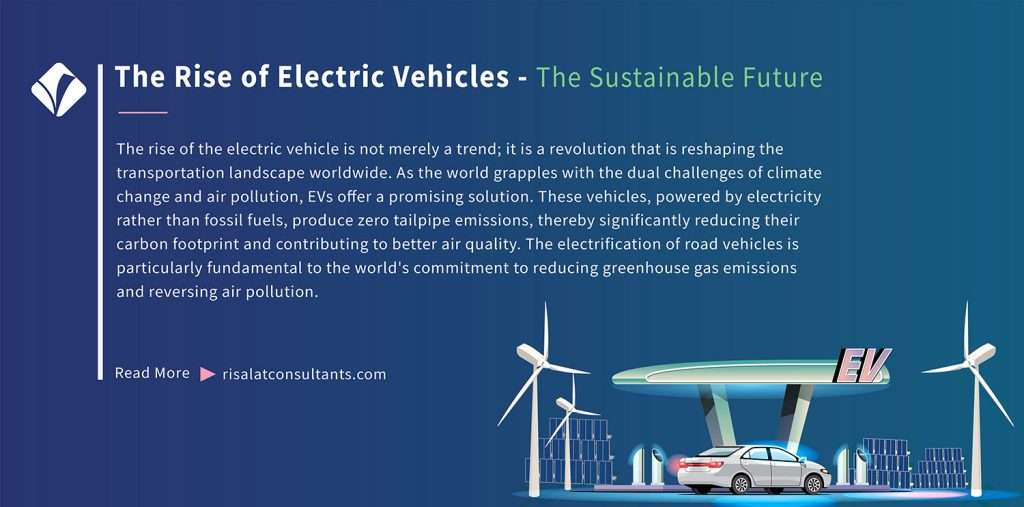
The earlier article also highlighted a continuing consideration: In addition to electric vehicles, other sustainable transportation modes are gaining traction as part of the broader push towards green mobility. The development of extensive bicycle infrastructure, for example, is encouraging more people to cycle, thereby reducing reliance on motorized transport. Similarly, carpooling and ride-sharing options are. The practical implication is to test this proposition against current local evidence before applying it as policy.
The earlier article also highlighted a continuing consideration: Across the globe, numerous clean transport projects are underway, each contributing to the broader goal of a sustainable, zero-emission future. These initiatives range from the electrification of public bus fleets to the development of comprehensive EV charging networks. Such projects are crucial for facilitating the widespread adoption of EVs and. The practical implication is to test this proposition against current local evidence before applying it as policy.
The earlier article also highlighted a continuing consideration: While personal electric vehicles are a key part of the shift towards cleaner transport, they are not the only solution. Public transportation systems around the world are also undergoing a green transformation, with many cities replacing their traditional bus and train fleets with electric alternatives. This shift towards green public transportatio. The practical implication is to test this proposition against current local evidence before applying it as policy.
The earlier article also highlighted a continuing consideration: Sustainability is at the core of the electric vehicle movement. From their manufacturing process to their operation, EVs are designed to minimize environmental impact. By using electricity as a fuel source, these vehicles eliminate the need for combustion, thereby reducing air pollution and contributing to healthier cities. Moreover, many EVs are d. The practical implication is to test this proposition against current local evidence before applying it as policy.
理解问题及其证据
What electric vehicles change
Battery-electric vehicles have no exhaust emissions during operation, unlike petrol and diesel cars. They still create tyre and road dust, occupy street space and depend on electricity generation and battery supply chains.
在设定电动汽车带来改变的目标之前,负责团队应明确所覆盖的人口或资产、当前状况及其基线信息的来源。一个有用的基线既记录已知内容,也记录仍不确定的内容。在项目评估中,这可以防止将貌似有理的叙述误认为是需求或影响的证据。
Lifecycle assessment matters
Compare vehicle manufacture, battery production, fuel or electricity generation, operation and disposal. The emissions advantage depends on the grid, vehicle size, mileage and lifetime; do not assume every purchase has identical environmental benefits.
The practical test for lifecycle assessment matters is whether two independent reviewers would reach a similar conclusion using the same records. Specify the definition of success, the relevant technical standard and the point at which a design needs reconsideration. Document exceptions openly rather than averaging away difficult cases.
设计选择与技术实施
Charging infrastructure planning
Charging demand differs between private cars, taxis, buses and delivery fleets. Planners should model dwell time, daily kilometres, depot capacity, connection queues and power demand before choosing charger locations.
Consider a hypothetical pilot focused on charging infrastructure planning. The implementation team should begin with a narrowly defined use case, test it under ordinary operating conditions and record user experience alongside technical performance. Procurement should permit correction of design defects before large-scale roll-out.
Grid and tariff coordination
Distribution networks may need upgrades where charging is concentrated. Utilities can use managed charging, time-of-use tariffs and demand forecasting to reduce coincident peaks without compromising essential transport services.
Operational readiness for grid and tariff coordination includes trained staff, a maintenance budget, reliable data and a route for complaints. If one of these is missing, the project may meet its construction or installation milestone while failing to deliver the intended service. Acceptance criteria should therefore include observed performance, not just equipment delivery.
融资、采购与治理
Electric public transport
Buses and municipal fleets can offer high daily utilisation, predictable routes and centralised maintenance. Evaluate vehicle range under local weather, passenger load, air conditioning and route gradients, not only catalogue figures.
For electric public transport, a business case should distinguish initial investment from recurring costs. Compare alternatives on a common time horizon, including training, replacement, supervision and the cost of service interruptions. The cheapest compliant tender may not provide the lowest whole-life cost.
Procurement and total cost
Tender evaluations should consider purchase price, charging works, batteries, energy, spare parts, maintenance, training, warranties and residual value. A low vehicle price may be poor value if downtime or infrastructure costs are high.
Governance of procurement and total cost should clarify who approves changes, who holds the supplier accountable and who pays when assumptions prove wrong. A decision log helps explain trade-offs to auditors and affected communities. Material changes should be reflected in the budget, schedule and risk register before approval.
决策核查:团队是否使用相同的成本、风险和成果标准,对不作为基线、有限试点和规模化干预进行了比较?记录每个方案背后的假设以及最终选择的理由。
实施、保障与衡量
Equity and access
Public subsidies that mainly support expensive private cars may deliver limited benefits for low-income residents. Compare incentives with investment in reliable buses, safe walking routes and affordable shared transport.
A practical control for equity and access is to assign an owner, a reporting interval and an action threshold. Monitoring is useful only when findings lead to a decision: investigate, correct, redesign or stop. The threshold should be established before the data are reviewed to reduce pressure to declare success.
Batteries and circularity
Require transparent battery warranties, safe handling, repair capability and responsible end-of-life pathways. Second-life use and recycling may be options, but commercial and technical feasibility must be verified.
Evaluation of batteries and circularity should look for unintended effects as well as intended benefits. Record who gains access, who bears costs and whether outcomes differ across locations or user groups. When attribution is uncertain, describe the limitations instead of presenting a correlation as proof of impact.
实践练习:向一个跨职能团队提供基线、预算和两套备选设计。要求其准备一页决策说明,指出主要的不确定性、三项实施风险、审批所需的证据以及启动纠正措施的触发条件。
在公共机构和捐助方资助项目中的应用
Monitoring real outcomes
Measure electricity consumption per kilometre, vehicle availability, charger uptime, fleet costs, local pollution and ridership. Separate avoided tailpipe emissions from lifecycle estimates.
A ministry or project implementation unit addressing monitoring real outcomes can start with a short diagnostic: map mandates, list approvals, identify missing skills and test whether the proposed intervention fits existing operating arrangements. The result should be a prioritised workplan with named owners, deadlines and verifiable deliverables.
Donor-funded transition programmes
Project implementation units can sequence feasibility, grid studies, fleet trials, competitive procurement and operator training. Contracts should assign responsibility for chargers, software, maintenance and performance reporting.
In donor-financed work, donor-funded transition programmes should be reflected in procurement specifications, financial planning, stakeholder engagement and reporting where relevant. The financing agreement and applicable national law determine the actual obligations. Teams should verify those instruments rather than assume a single donor procedure applies everywhere.
前30天:核实基线,并征询受影响用户或运营方的意见。根据现有的本地数据审查本指南中的前四个问题。列出一份简短清单,说明证据缺口以及不能安全推迟的决策。
第31至60天:测试一项可行的干预措施,完善技术规格,并确认全生命周期资金。商定政策负责人、实施机构、供应商和监督机构之间的职责。发布一份可依靠现有能力维护的风险登记册和监测计划。
第61至90天:与用户和独立专家一起审查早期结果,纠正不可靠的假设,并决定扩大、重新设计还是终止该干预措施。将经验教训固化到采购模板和操作程序中,使下一个项目不再重犯本可避免的错误。
Risalat通过诊断评估、应用型学习和咨询服务为各机构提供支持。团队可以从机构能力评估入手,浏览诊断中心,并在确有必要寻求外部支持时申请定制方案。
证据与延伸阅读:本次更新参考了以下一手来源。读者应查阅原始出版物,了解其范围、日期和方法上的局限。
常见问题
What should institutions check about what electric vehicles change?
Battery-electric vehicles have no exhaust emissions during operation, unlike petrol and diesel cars. They still create tyre and road dust, occupy street space and depend on electricity generation and battery supply chains. Check the local baseline, technical requirements and responsibilities before scaling a proposed solution.
What should institutions check about charging infrastructure planning?
Charging demand differs between private cars, taxis, buses and delivery fleets. Planners should model dwell time, daily kilometres, depot capacity, connection queues and power demand before choosing charger locations. Check the local baseline, technical requirements and responsibilities before scaling a proposed solution.
What should institutions check about electric public transport?
Buses and municipal fleets can offer high daily utilisation, predictable routes and centralised maintenance. Evaluate vehicle range under local weather, passenger load, air conditioning and route gradients, not only catalogue figures. Check the local baseline, technical requirements and responsibilities before scaling a proposed solution.
What should institutions check about equity and access?
Public subsidies that mainly support expensive private cars may deliver limited benefits for low-income residents. Compare incentives with investment in reliable buses, safe walking routes and affordable shared transport. Check the local baseline, technical requirements and responsibilities before scaling a proposed solution.
What should institutions check about monitoring real outcomes?
Measure electricity consumption per kilometre, vehicle availability, charger uptime, fleet costs, local pollution and ridership. Separate avoided tailpipe emissions from lifecycle estimates. Check the local baseline, technical requirements and responsibilities before scaling a proposed solution.
Free roadmap: Migration and Development: a 12-month plan for your team
观看


Know people who should read this? Become an Ambassador or write with Risalat.
自2011年以来始终是项目成功的合作伙伴,为政府部委、公共机构和项目团队提供诊断评估、咨询支持与应用型学习。