关键信息
- 日期
- 2027年3月8–12日(5天)
- 地点
- IBIS Frankfurt Centrum, Frankfurt, Germany
- 每位学员费用
- £3,450(英镑)
- 付款
- 通过发票和银行转账付款
- 报名截止
- 2027年1月17日
- 形式
- 5-day short course: a practical capacity-building programme for government, NGO and project teams in Frankfurt
- 证书
- 结业证书
- 内训选项
- 按您的日期,为您的团队专场举办
本页内容16个部分
培训项目概述
Performance management is the routine that links an organisation’s plan to the daily work of its people: agreeing objectives, checking progress, giving feedback, recognising results and dealing early with gaps. When it does not, annual appraisals become a box-ticking exercise in which almost everyone receives the same rating.
The evidence on this point is consistent. The OECD’s Government at a Glance 2025 reports that 28 of 35 member countries with data now require formal performance assessments for all or most central government staff, and 26 of 35 use one-to-one meetings with a line manager at least once a year. Yet only 4 of 35 use 360-degree feedback regularly, which shows how much of the system still rests on the skills of individual supervisors.
公务员的大规模调查也指向了相同的方向。世界银行和学术团队对十个国家的23000名公职人员进行的研讨发现,只有当员工根据事先商定的目标接受考核,且考核结果切实关系到晋升或薪酬时,绩效评估才能提高感知的绩效;运行不善的评估则会产生相反的效果。改革方案现在反映了这一点。世界银行的菲律宾公务员现代化项目(P180649,金额6734万美元,于2025年批准)将政府范围内的人力资源和薪资信息系统与基于能力的绩效管理方法以及人力资源官员认证系统结合起来。
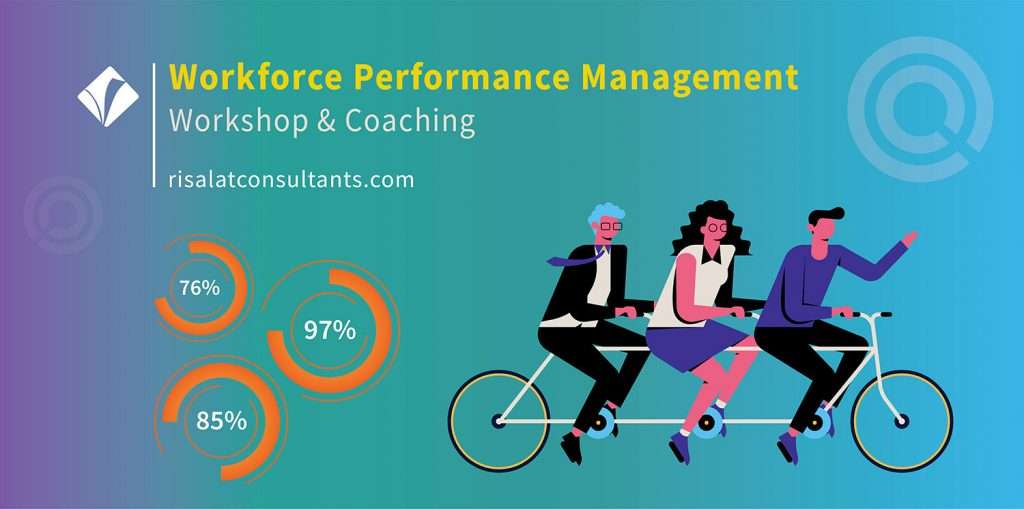
Workforce Performance Management and Coaching Training in Frankfurt is a five-day programme for managers, HR teams and project leaders who want a practical system they can run, not only a policy document. It covers the full cycle: strategic alignment and KPI design, objective setting, evidence-based appraisal, rating calibration, performance improvement plans, coaching with the GROW model and reporting human capital data in line with ISO 30414:2025.
Frankfurt offers a useful backdrop. Germany’s public sector collective agreement (TVöD) has run performance-related pay for municipal employees since 2007, and the debate over its design and its optional use at federal level since 2014 gives participants a real example of the trade-offs between incentives, fairness and administrative effort.
The Programme Strengthens Institutional Capability
- Linking strategic plans and results frameworks to unit and individual objectives
- Designing balanced scorecards and KPI sets for ministries, agencies and projects
- Writing SMART objectives for policy, service delivery and support roles
- Running the annual performance cycle with clear roles for managers and HR
- Collecting performance evidence and keeping fair, defensible records
- Applying rating scales consistently and running calibration sessions
- Reducing rating inflation, central tendency and other common biases
- Managing underperformance through structured improvement plans
- Coaching staff with the GROW model and similar conversation frameworks
- Giving and receiving constructive feedback in a professional setting
- Linking performance outcomes to recognition, development and progression
- Assessing the risks and benefits of performance-related pay
- Using HR information systems to track objectives, reviews and outcomes
- 按照ISO 30414:2025报告劳动力指标
The programme is built around real reforms and current standards, so participants leave with a design they can adapt to their own legal framework, grading structure and organisational culture.
员工绩效管理与辅导日益重要
Governments and companies are asking more of their workforce while budgets stay tight. Public employers in particular need to show taxpayers and financiers that staff time produces results. In Germany alone, the Federal Statistical Office reports around 5.4 million people working in the public service in mid-2024, close to 12% of all employed persons, which shows the scale at which management practice affects service quality.
Standards and reforms are also moving. ISO 30414, the international standard for human capital reporting, was reissued in August 2025 with 14 required baseline metrics and auditable requirements, including disclosures on productivity and workforce well-being. Development partners are investing in HR information systems in Cambodia, the Philippines, The Gambia and elsewhere, and these systems only add value if managers set good objectives and record honest assessments. National frameworks such as the UAE’s 2020 Cabinet Resolution adopting a performance management system for federal employees and Kenya’s Public Service Commission performance management regulations of 2021 show how governments are formalising the cycle in law.
各机构日益需要具备以下能力的专业人员:
- Translating strategy and results frameworks into measurable individual objectives
- Choosing a small number of relevant KPIs rather than long lists of activities
- Running regular performance conversations instead of a single annual event
- 校准各单位的评级以使标准具有可比性
- Recognising and correcting bias in appraisal decisions
- Coaching staff to solve problems and take ownership of results
- Designing improvement plans with clear milestones and support
- Using HRMIS data to monitor completion and quality of reviews
- Reporting workforce indicators to boards, ministries and financiers
- Judging when financial incentives help and when they distort behaviour
Strong workforce performance management systems help organisations:
- Deliver strategic priorities and project results on time
- Make fair, transparent decisions on recognition and progression
- Identify skills gaps early and target training budgets
- Retain high performers and support those who are struggling
- Improve accountability without creating a culture of fear
- Produce credible workforce data for planning and reporting
- Meet the expectations of financiers and oversight bodies
- Build a management culture based on regular feedback
This programme treats performance management as a management discipline supported by HR, not an annual form.
Who Should Attend This Workforce Performance Management Training?
本培训项目适合:
- Directors and heads of department in ministries and public agencies
- Human resource directors, managers and business partners
- Performance management and organisational development officers
- 公务员委员会和公共服务部工作人员
- Project directors and managers in project implementation units
- Team leaders and line managers at junior, middle and senior levels
- Monitoring and evaluation specialists linking results to staff objectives
- Strategy and planning unit staff
- Training and capacity development coordinators
- HRMIS administrators and HR analytics staff
- 非政府组织和国际组织经理
- Professionals preparing for coaching or mentoring roles
Teams of a director, an HR officer and a line manager from one institution gain most, as they can redesign their cycle together.
勾选您的团队需要具备的能力。
Workforce Performance Management Training Objectives
Upon successful completion of this Workforce Performance Management Training, participants will be able to:
- Explain the purpose of performance management for the organisation and for employees
- Link corporate or sector strategy to unit and individual objectives
- Build a balanced scorecard and select relevant KPIs
- Write SMART objectives for different types of roles
- Plan and run each stage of the annual performance cycle
- Gather and record evidence that supports fair ratings
- Apply rating scales consistently and lead a calibration meeting
- 比较强制分布法、期望分布法和绝对评级方法
- Design a performance improvement plan for an underperforming employee
- Lead coaching conversations using the GROW model
- Give and receive constructive feedback using recognised models
- 制定与能力挂钩的个人发展计划
- Select workforce metrics consistent with ISO 30414:2025
Each objective produces a practical output: templates, a draft scorecard and a coaching plan.
培训项目内容与结构
- 有效绩效管理系统的目的与益处
- Core principles: clarity, fairness, evidence and regular dialogue
- From strategic plan and results framework to unit work plans
- Characteristics of high-performing teams
- Roles of senior leaders, line managers, HR and staff
- OECD Government at a Glance 2025 findings on central government practice
- Lessons from civil service surveys on when appraisals help or harm
- Quantitative and qualitative objectives
- SMART and CLEAR methods for objective setting
- Outcome, output and behaviour objectives
- Selecting a small, relevant set of KPIs
- Balanced scorecard perspectives for public and private organisations
- 设定基线、目标与阈值
- Avoiding gaming and perverse incentives in target design
- Stages of the annual performance cycle and timelines
- 定期跟进、年中审查和年终评估
- Collecting evidence: records, outputs, feedback and observation
- Performance record keeping and documentation standards
- Rating scales and descriptors
- Forced, expected and absolute distribution methods compared
- Common rating errors and how to reduce them
- Identifying the causes of a performance gap
- 区分能力、动机与系统问题
- Designing a performance improvement plan with milestones
- Motivation theories and their practical implications
- 非财务认可与职业发展
- Performance-related pay: evidence, risks and design choices
- Germany’s TVöD performance pay model as a case example
- The manager as coach: mindset and boundaries
- Qualities of an effective coach
- The GROW model in practice
- The OUTCOMES model and other coaching structures
- Active listening and powerful questions
- Giving and receiving constructive feedback
- Feedback models for praise and for correction
完整的每日课程内容
The programme follows the performance cycle from strategy to coaching, with one practical exercise each day.
- Day 1: strategic alignment and the foundations of performance management
- Day 2: objectives, KPIs and the balanced scorecard
- Day 3: running the cycle, appraisal and calibration
- Day 4: underperformance, recognition and performance pay
- Day 5: coaching, feedback and implementation planning
完整的每日课程内容
First Day | Foundations and Strategic Alignment of Performance
- 有效绩效管理系统的目的与益处
- Core principles: clarity, fairness, evidence and regular dialogue
- From strategic plan and results framework to unit work plans
- Characteristics of high-performing teams
- Roles of senior leaders, line managers, HR and staff
- OECD Government at a Glance 2025 findings on central government practice
- Lessons from civil service surveys on when appraisals help or harm
- Legal and collective agreement constraints, including works council involvement
- Diagnosing your current system: strengths and gaps
Workshop: Mapping the Golden Thread
Participants take a real strategic objective from their own institution and trace it through a directorate plan, a team work plan and three individual roles. Groups find where the link breaks, such as objectives written as activities, and redesign the chain.
Second Day | Objectives, KPIs and the Balanced Scorecard
- Quantitative and qualitative objectives
- SMART and CLEAR methods for objective setting
- Outcome, output and behaviour objectives
- Selecting a small, relevant set of KPIs
- Balanced scorecard perspectives for public and private organisations
- 设定基线、目标与阈值
- Avoiding gaming and perverse incentives in target design
- Competency frameworks and behavioural indicators
Workshop: Building a Departmental Scorecard
Working in groups, participants build a one-page balanced scorecard for a department or project unit, with four perspectives, eight to twelve indicators, baselines and targets. They then cascade three indicators into individual objectives and test each against SMART criteria and the risk of gaming. Facilitators review drafts and groups refine them before presenting.
Third Day | Running the Performance Cycle and Appraisal
- Stages of the annual performance cycle and timelines
- 定期跟进、年中审查和年终评估
- Collecting evidence: records, outputs, feedback and observation
- Performance record keeping and documentation standards
- Rating scales and descriptors
- Forced, expected and absolute distribution methods compared
- Common rating errors and how to reduce them
- Leading a calibration meeting across units
- Conducting the one-to-one performance review
Case Study: Calibration Panel
Participants receive anonymised appraisal files for a team of ten employees in which most staff have been rated as outstanding. Acting as a calibration panel, they review the evidence, agree consistent standards, adjust ratings with written justification and draft guidance for managers on how to avoid the same pattern next year, drawing on published advice about grading to reduce inflation.
Fourth Day | Underperformance, Recognition and Reward
- Identifying the causes of a performance gap
- 区分能力、动机与系统问题
- Designing a performance improvement plan with milestones
- Motivation theories and their practical implications
- 非财务认可与职业发展
- Performance-related pay: evidence, risks and design choices
- 德国TVöD绩效薪酬模式作为案例参考
- Linking appraisal results to training and succession planning
- 劳动力指标与ISO 30414:2025人力资本报告
Workshop: Designing an Improvement Plan
Using a realistic case of a project officer whose reports are repeatedly late and incomplete, participants analyse possible causes, draft a three-month performance improvement plan with measurable milestones and support actions, and role-play the first meeting. Observers use a checklist to assess clarity, fairness and the quality of agreed next steps.
Fifth Day | Coaching, Feedback and Personal Development
- The manager as coach: mindset and boundaries
- Qualities of an effective coach
- The GROW model in practice
- The OUTCOMES model and other coaching structures
- Active listening and powerful questions
- Giving and receiving constructive feedback
- Feedback models for praise and for correction
- Building a personal development plan
- 制定贵机构实施行动计划
Capstone Exercise: Coaching Practice and Implementation Plan
In trios, participants rotate through the roles of coach, coachee and observer, running GROW conversations on real work challenges and receiving structured feedback. Each participant then completes an implementation plan setting out the changes they will make to objectives, check-ins, calibration and coaching in their organisation over the next six months, and presents it to peers.
Workforce Performance Management Training Methodology
The methodology encourages full participation. Facilitators introduce a concept briefly, show how it has been applied in a real reform or organisation, and then ask participants to test it on their own material.
本培训项目融合了:
- Short expert inputs on frameworks and evidence
- Case studies drawn from public sector and project reforms
- Work on participants’ own objectives, scorecards and appraisal forms
- Group exercises in objective setting and KPI design
- 使用匿名评估文件的校准模拟
- Role-plays of review meetings and difficult conversations
- 三人小组教练实践与观察员反馈
- Diagnostic self-assessment of the current system
- Daily reflection logs on what will transfer to the workplace
- Individual implementation planning with facilitator support
Each day ends with participants recording what they learned and how they will apply it. Before the programme, institutions can use the free Training Needs Assessment to identify priority skills among their managers.
预期成果
Upon completion of this Workforce Performance Management Training, participants will be able to:
- 呈现从战略到个人目标的清晰路线图
- Use a draft balanced scorecard for their unit or project
- 与员工一起编写和审阅SMART目标
- Run check-ins and appraisals based on recorded evidence
- Lead calibration discussions that produce consistent ratings
- Manage underperformance through a fair, documented plan
- Hold structured coaching conversations using GROW
- 提供具体、及时且建设性的反馈
- Propose workforce metrics for management and external reporting
- Advise leadership on the benefits and risks of performance pay
这些成果将评估工作从单纯的合规推向更好的成果与发展。
每位学员£3,450 · 发票与银行转账 · 5人及以上团体可享折扣
同一机构五人及以上:请在申请发票时索取团体价。
十人或以上:为您的机构定制的内部培训版本可能每人费用更低。索取内部报价。
注册截止于 55天后 (2027年1月17日)
Institutional Application of Workforce Performance Management Training
本培训项目帮助机构加强:
- Performance management policies and procedures
- Alignment between strategic plans and staff objectives
- 记分卡与关键绩效指标框架
- Appraisal forms, rating scales and guidance notes
- Calibration and moderation processes
- Underperformance and grievance procedures
- Coaching and mentoring practice among managers
- Training needs analysis linked to appraisal results
- HRMIS performance modules and data quality
- Human capital reporting to boards and ministries
学员将带着实用工具回到工作岗位,以提升:
- 目标设定模板与 SMART 检查清单
- A balanced scorecard template
- 签到与复盘会议指南
- A calibration meeting protocol
- A performance improvement plan template
- A GROW coaching question bank
- A personal development plan template
- A workforce metrics shortlist aligned with ISO 30414
Institutions that want to review the wider HR function can combine the programme with the free Institutional Capacity Assessment, and teams linking staff objectives to project results frameworks can use the M&E and MEAL Assessment.
区域相关性与应用
欧洲
European administrations are refining rather than introducing appraisal. Germany’s experience with optional performance pay at federal level and a 2% pay pool for municipal employees, and World Bank advisory work on performance management tools for Romania’s public administration funded through EU reimbursable advisory services, give participants contrasting models.
非洲
Several African governments link institutional and individual performance through contracts. Rwanda’s imihigo system has been reviewed with advice to hold staff to outcomes they can control and to reduce grade inflation, while Kenya has issued Public Service Commission regulations on performance management. HRMIS strategies supported by the World Bank, for example in The Gambia, create the data platforms these systems need.
中东
Gulf governments have codified performance management in regulation. The UAE adopted a performance management system for federal government employees by Cabinet Resolution No. 35 of 2020, and participants from the region can compare that design with European practice.
亚洲
In Asia, reforms are tying performance management to digital HR systems. The Philippines Civil Service Modernization Project supports a competency-based approach to performance management together with an integrated HRMIS, and Cambodia’s Ministry of Civil Service is following a World Bank-supported roadmap to modernise the HR records of more than 280,000 civil servants.
Across regions the shared challenge is making appraisal a credible management tool; participants compare designs and choose what fits their context.
Source: OECD, Government at a Glance 2025 (35 countries with data)
1. According to OECD Government at a Glance 2025, how many of 35 countries regularly use 360-degree feedback in central government?
The OECD reports that 360-degree evaluation is the least used tool, applied regularly in only 4 of 35 countries (11%).
2. When do performance appraisals tend to improve civil servants' performance, according to a ten-country survey of 23,000 public servants?
World Bank-linked research found appraisals helped where objectives were set in advance and results mattered for promotion or pay, and could harm otherwise.
3. How many required baseline metrics does ISO 30414:2025 set for human capital reporting?
ISO's committee announced that the 2025 edition establishes a baseline set of 14 required metrics with auditable requirements.
- 收集
- 清洗
- 存储
- 分析
- 决策
东道国概况:德国
Frankfurt am Main is Germany’s main financial centre and one of Europe’s best-connected cities, with a large international airport and fast rail links across the country. It hosts the European Central Bank and was chosen in 2024 as the seat of the new EU Anti-Money Laundering Authority, giving the city a strong concentration of regulators, banks and international employers with mature HR practice.
Germany is a useful benchmark for workforce performance management because of its social partnership model. Performance pay in the public sector is agreed in collective agreements: under the TVöD, a performance pay pool began in 2007 at 1% of the previous year’s monthly pay, rose to 2% for municipal employers from 2013, and became optional for the federal government from 2014. Since 2020, local agreements may redirect the budget to alternative incentive systems. Works councils and staff councils take part in designing appraisal schemes, which shows participants how to build systems that staff accept.
Germany is part of the Schengen area. Many participants will need a short-stay Schengen visa, which should be requested well in advance from the German mission responsible for their country of residence. Risalat provides invitation letters and visa guidance after registration. The city centre is compact and well served by public transport.
员工绩效管理培训交付成果
每位学员在培训前、培训期间和培训后都将获得一整套支持。
培训开始前
- 学员课前评估
- Performance Management Readiness Assessment
- Performance Management Resource Pack
- 课前阅读资料
- 免费签证支持与咨询
培训期间
- 机场接机与欢迎协助
- Accommodation with breakfast: 6 nights, check-in Sunday 7 March 2027, check-out Saturday 13 March 2027 (one night before and one night after the programme)
- 欢迎交流晚宴
- Risalat培训礼包(背包、水瓶、马克杯、T恤、帽子、护照套、笔、笔记本、冰箱贴及钥匙扣)
- Comprehensive Workforce Performance Management Training Manual
- Balanced Scorecard and KPI Template
- SMART Objective-Setting Checklist
- Calibration Meeting Protocol
- Performance Improvement Plan Template
- GROW Coaching Question Bank
- 实践研讨与模拟演练
- 小组讨论与同伴学习
- 每日午餐与茶歇
- 全面使用培训场地设施
- 装有数字学习资料的迷你平板电脑
- 实地考察(如适用)
- 城市休闲观光
培训结束后
- 结业证书
- Risalat培训项目参与表彰奖
- 培训后参考资料
- 个人发展计划模板
- Individual Implementation Plan
- 培训后支持与跟进指导
- 培训项目报告
Ministries, agencies, project units and companies can request a tailored in-house version of this programme built around their own appraisal rules, competency framework and HR system. Request a proposal and our team will respond with a design and quotation.
Common Challenges in Workforce Performance Management, And How This Training Helps
How can managers link individual objectives to the organisation’s strategy?
Many objectives describe activities rather than results. The First Day mapping workshop traces strategic objectives down to individual roles, and the Second Day scorecard exercise turns them into measurable targets.
How can we stop almost everyone being rated outstanding?
评级虚高会破坏整个系统的信任。第三天涵盖评级量表、分发方法和偏差,校准案例研究为参与者提供了一个可在自身的评审会议中使用的协议。
主管如何在不引发冲突的情况下处理表现不佳的问题?
Managers often delay difficult conversations until problems escalate. The Fourth Day sets out how to diagnose causes, document fairly and agree a performance improvement plan, with role-play practice.
How can appraisal become a regular conversation rather than an annual form?
经合组织(OECD)数据显示一对一会议很常见,但质量参差不齐。第三天引入了签到和证据日志,第五天则培养辅导技能,以便全年持续进行沟通。
How can we decide whether performance-related pay is right for us?
Evidence shows incentives help only when objectives are clear and results are credible. The Fourth Day examines Germany’s TVöD model and other designs so participants can weigh costs, risks and alternatives.
How can HR systems and data support better performance management?
An HRMIS stores data but cannot fix weak objectives. The Second and Fourth Days show how to record objectives and outcomes and select workforce metrics consistent with ISO 30414:2025.
How can managers become effective coaches?
Coaching is a skill that improves with practice. The Fifth Day capstone gives every participant repeated GROW practice with structured observer feedback and a plan for using coaching in routine supervision.
常见问题
Who is this workforce performance management training for?
It is designed for HR managers, line managers, directors, project managers, M&E specialists and civil service commission staff who set objectives, appraise staff or design performance systems.
Does the programme cover coaching skills?
Yes. The final day is dedicated to coaching and feedback, with repeated practice using the GROW model and observer feedback, followed by an individual implementation plan.
Will we study performance-related pay?
Yes. The fourth day reviews the evidence on financial incentives and uses Germany's TVöD performance pay arrangements as a case example, alongside non-financial recognition.
Is the content relevant to public sector organisations outside Europe?
是。案例材料包括菲律宾、卢旺达、肯尼亚、阿联酋和柬埔寨的公务员制度改革,参与者可以调整工具以适应其自身的法律框架。
本培训项目能否以内训形式举办?
可以。Risalat可以根据您的评估规则、能力框架和人力资源系统定制该项目,并在您的办公地点或其他场地进行交付。
Who Will Deliver This Programme
Each date is delivered by a team assigned from Risalat's expert network for this subject. For this programme we assign:
How we choose them: Experience in the region of the participants or comparable settings; Command of the financier rules that apply (World Bank, ADB, AfDB, EU, UN) where relevant; Delivery in English; other languages on request for in-house groups; No conflict of interest with participants' institutions.
Training courses in FrankfurtHR, Payroll & Administration training courses
为何选择在法兰克福举办本培训项目
Frankfurt is a major European financial centre, hosting institutions such as the European Central Bank and the Deutsche Bundesbank. Visiting delegations can examine international banking operations, regulatory systems, and central transport management. The city is straightforward to reach from across the globe through its extensive rail network and its primary international aviation hub.
The Workforce Performance Management and Coaching Training in Frankfurt programme in March 2027 brings together officials and professionals from across Europe, Africa, the Middle East and Asia. Sessions combine short inputs, case studies and group work on participants' own files, and the city's institutions can be added as a study visit on request.
Getting there: Frankfurt Airport (FRA).
使用免费的签证查询工具确认您是否需要签证,完成报名后即可申请邀请函。
其他城市的同主题培训
- Performance Management in Government in Tbilisi (Tbilisi)
- HSE Management Systems and ISO 45001 for Public Agencies in Geneva (Geneva)
- Public Administration Reform and Civil Service Management in Kuala Lumpur (Kuala Lumpur)
- School Pedagogical Supervision, Inspection and Headteacher Coaching in Dakar (Dakar)
- Social Assistance Labour Activation and Graduation Pathways in Cape Town (Cape Town)
- Secondary Education Teacher Deployment and Accelerated Remedial Learning in Kigali (Kigali)
法兰克福的其他培训项目
For teams and institutions
Bring your team
Teams that learn together apply more at work. Tell us how many people and how you would like to take part: we reply with a group quote within two working days.
Watch: this programme in short



该主题的其他日期与城市:人力资源、培训需求与能力建设培训课程(25个即将开课的日期)。
在路线图中规划此项目:为什么重要、为什么要批准它、要计划的日期以及它所构建的职业生涯。