Key facts
- Dates
- 5–8 Jul 2027 (4 days)
- Where
- London, United Kingdom
- Fee per participant
- £2,700 (GBP)
- Payment
- By invoice and bank transfer
- Registration closes
- 5 Jun 2027
- Certificate
- Certificate of completion
- In-house option
- Run it for your team, on your dates
On this page 15 sections
Programme Overview
This four-day professional course provides public sector technology leaders with the operational tools required to defend national digital assets against advanced threats. Participants examine the architecture of government data exchanges, core network backbones, and shared hosting environments. The programme delivers actionable guidance for implementing robust defences, managing national cybersecurity posture, and aligning state institutions with international cybersecurity conventions and standards, including ISO/IEC 27001, the NIST Cybersecurity Framework, and the European Union General Data Protection Regulation principles.
Delegates evaluate the vulnerabilities inherent in modern digital public administration systems, focusing on identity management, legacy platform integration, and cloud migrations. Structured sessions guide participants through threat modelling, continuous network monitoring, and cryptographic protection methods for sensitive citizen data. The curriculum addresses governance structures needed to bridge operational technology teams with national compliance bodies, ensuring technical configurations comply with statutory data sovereignty, privacy mandates, and donor-mandated cybersecurity covenants applied to modern public sector modernisation initiatives.
Through applied exercises, participants construct institutional incident management protocols, disaster recovery architectures, and operational audit matrices. They will analyse secure API frameworks for national data sharing, evaluate secure sovereign cloud configurations, and draft comprehensive network defence plans. By completing this training, officials gain the technical competencies needed to lead critical infrastructure protection programmes, conduct authoritative security appraisals, and build resilient digital platforms capable of withstanding state-sponsored or transnational cyber disruption.
Public administrations are accelerating digital transformation to modernise public services, introducing interconnected data exchanges, unified citizen portals, and centralised sovereign repositories. This course directly reinforces public administration ICT security under the Third Fiscal Sustainability and Climate Resilience Development Policy Financing, strengthening the technical capability of public sector institutions to defend essential state communication networks and safeguard sovereign digital assets from emerging cyber vulnerabilities.
Delivered by Risalat Consultants International in London, United Kingdom, it combines expert-led sessions, real cases and group work, so that participants can apply what they learn in their own institution.
The Programme Strengthens Institutional Capability
- Mapping national critical information infrastructure: dependencies, threat vectors, and attack surfaces
- Zero trust network architecture and micro-segmentation for public sector core infrastructure
- Boundary defence, secure routing protocols, and perimeter hardening for government data networks
- Securing government data centres, multi-tenant public sector clouds, and hybrid environments
- Practical baseline review: applying the NIST Cybersecurity Framework and ISO/IEC 27001 controls
- Data protection principles: operationalising privacy by design in digital public infrastructure
- Securing national data exchange layers and public sector application programming interfaces (APIs)
- Cryptographic standards for sensitive data at rest, in transit, and during inter-agency processing
- Digital strategy and transformation planning
- Data governance and data quality
- Data analysis and visualisation
- Cybersecurity basics and risk management
It is designed for government cybersecurity officers and technical advisors, public sector network infrastructure managers, chief information security officers in ministries and state agencies and others who want practical, current skills in digital government, data and technology.
- Transaction
- Record
- Control
- Evidence
- Opinion
The Growing Importance of Critical ICT Infrastructure Cybersecurity and Data Protection in London
- Mapping national critical information infrastructure: dependencies, threat vectors, and attack surfaces
- Zero trust network architecture and micro-segmentation for public sector core infrastructure
- Boundary defence, secure routing protocols, and perimeter hardening for government data networks
- Securing government data centres, multi-tenant public sector clouds, and hybrid environments
- Practical baseline review: applying the NIST Cybersecurity Framework and ISO/IEC 27001 controls
- Data protection principles: operationalising privacy by design in digital public infrastructure
- Securing national data exchange layers and public sector application programming interfaces (APIs)
- Cryptographic standards for sensitive data at rest, in transit, and during inter-agency processing
- Public sector identity and access management: multi-factor authentication and role-based directory services
- Establishing technical compliance mechanisms for statutory data sovereignty and international privacy benchmarks
- Setting up security operations centres (SOCs) and continuous logging mechanisms across ministries
- Conducting vulnerability assessments, configuration reviews, and penetration testing on public assets
- Supply chain cybersecurity: vetting third-party hardware, commercial software, and vendor access
- Threat intelligence utilisation and early warning mechanisms for national computer emergency response teams
- Developing structured technical audit checklists to evaluate public infrastructure defence postures
- Standard operating procedures for public sector cyber incident triage, containment, and eradication
- Forensic readiness, digital evidence preservation, and mandatory breach notification procedures
- Disaster recovery planning, sovereign data backup strategies, and critical service continuity
- Developing cross-government cybersecurity policies, governance structures, and resource models
- Institutional action planning: synthesising network protection protocols for direct institutional deployment
Digital services, data and new technologies are changing how institutions work and how citizens are served. Done well, they make services faster, cheaper and more transparent; done badly, they waste money and expose data to risk.
Institutions need people who can plan digital change, manage data responsibly, protect systems and use evidence from data in decisions. These skills are now expected across all functions, not only in IT.
Organisations increasingly require professionals capable of:
- Plan digital initiatives that solve real problems
- Manage data quality, protection and sharing
- Analyse data and present it clearly
- Manage cyber and technology risks
- Lead people through digital change
Strong digital government, data and technology systems help organisations:
- Deliver faster and more accessible services
- Make better use of data in decisions
- Protect systems and personal data
- Get value from technology investments
This Critical ICT Infrastructure Cybersecurity and Data Protection in London programme brings these elements together in a practical format, so that participants understand not only what good practice looks like but also how to introduce it in their own setting, with the people and resources they have.
Who Should Attend This Critical ICT Infrastructure Cybersecurity and Data Protection in London Training?
This programme is designed for:
- Government cybersecurity officers and technical advisors
- Public sector network infrastructure managers
- Chief information security officers in ministries and state agencies
- Government data protection leads and compliance officers
- IT directors from national digital identification and data exchange programmes
- Project coordinators managing donor-funded ICT infrastructure initiatives
- Engineers managing government local area networks and wide area networks
- Security operations centre team leads in public sector bodies
- National computer emergency response team technical personnel
- ICT managers and officers
- Digital transformation leads
- Data analysts and statisticians
The programme suits experienced professionals as well as those moving into new responsibilities. Groups that mix institutions and countries are encouraged, because participants learn a great deal from each other’s experience.
Tick what your team needs to be able to do.
Critical ICT Infrastructure Cybersecurity and Data Protection in London Training Objectives
Upon successful completion of this Critical ICT Infrastructure Cybersecurity and Data Protection in London Training, participants will be able to:
- Evaluate national data exchange and communication network architectures against established threat models and international cybersecurity standards
- Formulate robust cyber incident response procedures and communication workflows tailored for critical public administration systems
- Apply technical security audits and vulnerability assessments across government networks, sovereign cloud platforms, and shared databases
- Design cryptographic and identity protection controls to safeguard citizen records and maintain data privacy in inter-agency exchanges
- Implement technical network defence strategies including micro-segmentation, zero trust access controls, and boundary protection
- Establish structured risk governance procedures compliant with statutory regulations and international development partner security benchmarks
- Construct operational disaster recovery and business continuity plans to preserve critical government functions following serious cyber breaches
- Explain the main trends in digital government and data use
- Plan a digital initiative linked to service goals
- Apply data governance and quality principles
Each objective is practised during the programme through exercises, cases or group work, so that participants leave able to do it, not only to describe it.
Programme Contents and Structure
The programme runs over 4 days. Each day combines expert input, practical work and a closing workshop or case study:
- First Day: Critical ICT Infrastructure Architecture and Network Hardening
- Second Day: Data Protection Engineering, Sovereign Storage, and Interoperability
- Third Day: Vulnerability Assessment, Technical Audits, and Threat Monitoring
- Fourth Day: Cyber Incident Management, Continuity, and Governance Frameworks
Full day-by-day contents
First Day | Critical ICT Infrastructure Architecture and Network Hardening
- Mapping national critical information infrastructure: dependencies, threat vectors, and attack surfaces
- Zero trust network architecture and micro-segmentation for public sector core infrastructure
- Boundary defence, secure routing protocols, and perimeter hardening for government data networks
- Securing government data centres, multi-tenant public sector clouds, and hybrid environments
- Practical baseline review: applying the NIST Cybersecurity Framework and ISO/IEC 27001 controls
Workshop: Critical ICT Infrastructure Architecture and Network Hardening: Applying It to Your Institution
Working in small groups, participants apply the day's methods to examples from their own institutions and agree practical next steps.
Second Day | Data Protection Engineering, Sovereign Storage, and Interoperability
- Data protection principles: operationalising privacy by design in digital public infrastructure
- Securing national data exchange layers and public sector application programming interfaces (APIs)
- Cryptographic standards for sensitive data at rest, in transit, and during inter-agency processing
- Public sector identity and access management: multi-factor authentication and role-based directory services
- Establishing technical compliance mechanisms for statutory data sovereignty and international privacy benchmarks
Workshop: Data Protection Engineering, Sovereign Storage, and Interoperability: Applying It to Your Institution
Working in small groups, participants apply the day's methods to examples from their own institutions and agree practical next steps.
Third Day | Vulnerability Assessment, Technical Audits, and Threat Monitoring
- Setting up security operations centres (SOCs) and continuous logging mechanisms across ministries
- Conducting vulnerability assessments, configuration reviews, and penetration testing on public assets
- Supply chain cybersecurity: vetting third-party hardware, commercial software, and vendor access
- Threat intelligence utilisation and early warning mechanisms for national computer emergency response teams
- Developing structured technical audit checklists to evaluate public infrastructure defence postures
Case Study: Vulnerability Assessment, Technical Audits, and Threat Monitoring in Practice
Participants analyse a realistic case, compare the choices made with good practice and draw lessons they can use in their own setting.
Fourth Day | Cyber Incident Management, Continuity, and Governance Frameworks
- Standard operating procedures for public sector cyber incident triage, containment, and eradication
- Forensic readiness, digital evidence preservation, and mandatory breach notification procedures
- Disaster recovery planning, sovereign data backup strategies, and critical service continuity
- Developing cross-government cybersecurity policies, governance structures, and resource models
- Institutional action planning: synthesising network protection protocols for direct institutional deployment
Capstone Exercise: Critical ICT Infrastructure Cybersecurity and Data Protection in London Action Plan for Your Institution
Participants bring the week together in an action plan for their own institution, with priorities, owners and first steps, and present it for feedback from peers and facilitators.
Critical ICT Infrastructure Cybersecurity and Data Protection in London Training Methodology
The training employs an intensive, hands-on methodology combining expert-led technical presentations, architectural design workshops, and incident simulation exercises. Working in peer cohorts, participants review anonymised network topologies, analyse system logs, and execute threat containment strategies using real-world public sector case studies. Each module includes structured group critiques and technical evaluations, culminating in the development of practical security templates and remediation roadmaps directly applicable to their institutions.
The programme combines:
- Expert-led sessions on current practice
- Regional and international case studies
- Group work and practical exercises
- Simulations and role plays where relevant
- Discussion of participants' own challenges
- Peer learning across institutions and countries
- Practical tools and templates to take back to work
- Daily reflection and action planning
Before the programme, a short pre-assessment helps the facilitators understand each participant’s role and priorities, so that examples and exercises can be adjusted to the group. Each day ends with a short reflection in which participants note what they will apply at work.
- Collect
- Clean
- Store
- Analyse
- Decide
Expected Outcomes
Upon completion of this Critical ICT Infrastructure Cybersecurity and Data Protection in London Training, participants will be able to:
- Comprehensive technical capability to audit and harden national data networks against complex cyber attacks
- Operational cyber incident response plan tailored to the participant's specific ministry or agency environment
- Proficiency in embedding international data protection standards into public sector software, databases, and APIs
- Clear criteria for selecting and managing secure cloud, hybrid, and on-premises sovereign infrastructure
- Structured framework for conducting continuous vulnerability monitoring and risk-based security assessments
- Actionable roadmap for aligning public digital infrastructure with donor-funded project security covenants
- Plan digital initiatives linked to service goals
- Apply data governance and quality principles
Participants leave with a personal action plan and practical tools they can use in their institution from the first week back. Institutions that send several participants can use the programme to agree shared methods and templates across teams, which makes improvements easier to sustain.
£2,700 per participant · invoice and bank transfer · groups of 5 or more receive a discount
Five or more from one organisation: ask for the group rate on the invoice request.
Ten or more: an in-house version for your institution may cost less per person. Ask for an in-house quote.
Registration closes in 205 days (5 Jun 2027)
Institutional Application of Critical ICT Infrastructure Cybersecurity and Data Protection in London Training
This programme supports organisations in strengthening:
- Digital strategy
- Data governance
- Data-driven decisions
- Cybersecurity
- Technology management
Participants return with practical tools to improve:
- Data inventories
- Dashboards
- Risk registers
- Technology procurement
- Change plans
The programme is built so that learning moves from the classroom into the institution. Participants work on their own processes and documents where possible, and leave with an action plan that their managers can review and support.
Regional Relevance & Application
Europe
European institutions apply digital government, data and technology within detailed regulatory frameworks and reform agendas. Participants from Europe can compare their practice with colleagues from other regions and test how established methods work under different conditions.
Africa
Across Africa, ministries, agencies and project teams working in digital government, data and technology increasingly operate alongside donor-financed programmes that expect clear systems and evidence. The programme helps participants adapt good practice to the institutions and resources they work with.
Middle East
In the Middle East, national development strategies and diversification plans place growing demands on digital government, data and technology. Participants explore how to build the capability these plans need inside public bodies and companies.
Asia
Institutions across Asia combine rapid growth with ambitious modernisation programmes. Participants from Asia can share their experience of scaling systems quickly and learn from approaches used elsewhere.
Pacific
Small island and Pacific states face particular constraints of size, distance and capacity. The programme highlights practical, proportionate approaches to digital government, data and technology that suit smaller institutions.
Holding the programme in London, United Kingdom brings participants together away from their daily pressures, so they can compare how digital government, data and technology is handled in different settings. The same programme can also be delivered in-house for one institution, in its own country or online, with cases taken from its current work.
Host Country Profile – United Kingdom
Programmes, Workshops, Exposures, Training Courses in London, UK by Risalat Consultants International
Studying away from their own country gives participants time to focus, a fresh view of their own institution and the chance to build a network with colleagues from other countries.
Critical ICT Infrastructure Cybersecurity and Data Protection in London Training Deliverables
Participants receive support before, during and after the programme, so that preparation, learning and follow-up form one continuous experience.
Before the Programme
- Participant Pre-Assessment
- Critical ICT Infrastructure Cybersecurity and Data Protection in London Readiness Assessment
- Critical ICT Infrastructure Cybersecurity and Data Protection in London Resource Pack
- Preparatory Reading Materials
- Complimentary Visa Support & Advisory
During the Programme
- Airport Pickup & Welcome Assistance
- Accommodation with Breakfast
- Welcome Networking Dinner
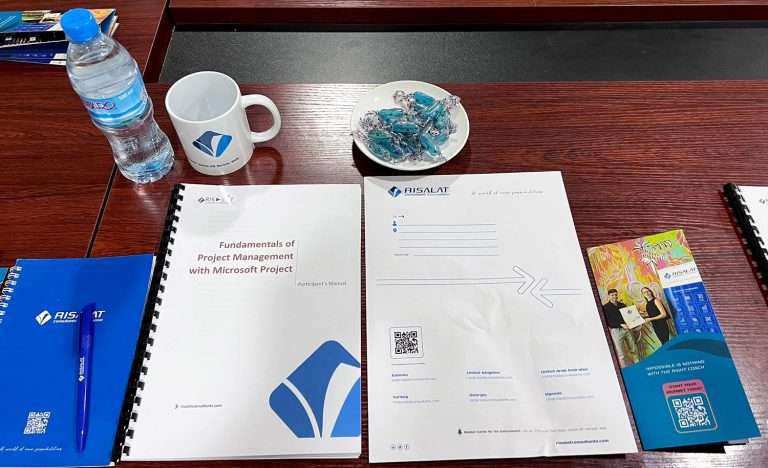
- Risalat Training Kit (Bag, Bottle, Mug, T-Shirt, Cap, Passport Cover, Pens, Notebook, Magnet & Keychain)
- Comprehensive Critical ICT Infrastructure Cybersecurity and Data Protection in London Training Manual
- Digital Maturity Checklist
- Data Inventory Template
- Dashboard Planning Template
- Technology Risk Register
- Practical Workshops & Simulations
- Group Discussions & Peer Learning
- Daily Lunch and Refreshments
- Full Access to Training Venue Facilities
- Mini Pad / Tablet with Digital Learning Materials
- Field Visit (where applicable)
- Entertaining City Tour
After the Programme
- Certificate of Completion
- Risalat Programme Participation Recognition Award
- Post-Training Reference Materials
- Data Governance Self-Assessment
- Digital Project Review Checklist
- Post-Training Support & Follow-Up Guidance
- Programme Report
Institutions can also request a tailored in-house version of this programme, delivered at their premises or online. Request a proposal.
Common Challenges in Critical ICT Infrastructure Cybersecurity and Data Protection in London, And How This Training Helps
How can institutions plan digital initiatives that solve real problems?
The programme addresses this directly on the first day (Critical ICT Infrastructure Architecture and Network Hardening), where participants practise the methods involved and adapt them to their own institution, then build it into their action plan.
How can institutions manage data quality, protection and sharing?
The programme addresses this directly on the second day (Data Protection Engineering, Sovereign Storage, and Interoperability), where participants practise the methods involved and adapt them to their own institution, then build it into their action plan.
How can institutions analyse data and present it clearly?
The programme addresses this directly on the third day (Vulnerability Assessment, Technical Audits, and Threat Monitoring), where participants practise the methods involved and adapt them to their own institution, then build it into their action plan.
How can institutions manage cyber and technology risks?
The programme addresses this directly on the fourth day (Cyber Incident Management, Continuity, and Governance Frameworks), where participants practise the methods involved and adapt them to their own institution, then build it into their action plan.
How can institutions lead people through digital change?
The programme addresses this directly on the first day (Critical ICT Infrastructure Architecture and Network Hardening), where participants practise the methods involved and adapt them to their own institution, then build it into their action plan.
Frequently Asked Questions
When and where does the Critical ICT Infrastructure Cybersecurity and Data Protection in London programme take place?
It runs from 5 Jul 2027 to 8 Jul 2027, in London, United Kingdom. The registration deadline is shown at the top of this page.
Who should attend?
The programme is designed for government cybersecurity officers and technical advisors, public sector network infrastructure managers, chief information security officers in ministries and state agencies, government data protection leads and compliance officers, and others who want practical skills in digital government, data and technology.
Will I receive a certificate?
Yes. Participants who complete the programme receive a Certificate of Completion from Risalat Consultants International.
Can this programme be delivered for our institution only?
Yes. We can deliver a tailored in-house version at your premises, in another city or online, built around your own cases. Use the proposal request on this page.
Do I need prior experience in digital government, data and technology?
No specialist background is required beyond experience in a related role. A short pre-assessment helps the facilitators adapt the sessions to the group.
Who Will Deliver This Programme
Each date is delivered by a team assigned from Risalat's expert network for this subject. For this programme we assign:
How we choose them: Experience in the region of the participants or comparable settings; Command of the financier rules that apply (World Bank, ADB, AfDB, EU, UN) where relevant; Delivery in English; other languages on request for in-house groups; No conflict of interest with participants' institutions.
Names and short CVs of the assigned experts are shared with registered participants and sponsoring organisations before the programme, on request. Are you an expert in this subject? Join our expert network.
Training courses in LondonTechnology training courses
Why London for this programme
London brings participants close to UK public bodies, regulators and international organisations for study visits.
The Critical ICT Infrastructure Cybersecurity and Data Protection in London programme in July 2027 brings together officials and professionals from across Europe, Africa, the Middle East and Asia. Sessions combine short inputs, case studies and group work on participants' own files, and the city's institutions can be added as a study visit on request.
Getting there: Heathrow (LHR) and Gatwick (LGW).
Check whether you need a visa with the free Visa Checker, and ask for an invitation letter once you are registered.
The same topic in other cities
- Agri-Tech Startup Incubation and Digital Venture Matching in Kigali (Kigali)
- Digital Public Infrastructure and Cross-Agency Interoperability in Casablanca (Casablanca)
- HV Transmission Substation Modernisation and Dispatch Network Protection in Johannesburg (Johannesburg)
- National Fibre Backbone and Regional IXP Infrastructure Deployment in Lisbon (Lisbon)
- Inter-Agency Social Welfare Data Harmonisation and Security in Dubai (Dubai)
- Digital Financial Inclusion and Mobile Aid Delivery in Crisis Zones in Amman (Amman)
Other programmes in London
- Climate-Responsive Medium-Term Fiscal Frameworks in London
- Grid Integration of Intermittent Renewables and Variable RE Grid Codes in London
- Airport Terminal Energy Efficiency and Low-Carbon Building Integration in London
- ICAO Aerodrome Safety Certification and Obstacle Limitation Compliance in London
- Child Healthcare Quality Benchmarking and Human Capital Financing in London
For teams and institutions
Bring your team
Teams that learn together apply more at work. Tell us how many people and how you would like to take part: we reply with a group quote within two working days.
Other dates and cities for this subject: Digital Government and Data Governance training courses (95 upcoming dates).
More training courses in United Kingdom · All programmes in Europe · Full training calendar
Plan this programme in a roadmap: why it matters, why to approve it, the dates to plan and the career it builds.