Points essentiels
- Manage the island and its coastal waters together. Many islands contain species with very small natural ranges.
- Make regulation enforceable at island level. The Convention on Biological Diversity's Kunming-Montreal Global Biodiversity Framework calls for action on invasive alien species under Target 6.
- Prévenir et gérer les espèces envahissantes. L'évaluation de l'IPBES décrit les espèces exotiques envahissantes comme un moteur majeur de la perte de biodiversité et souligne la vulnérabilité des systèmes insulaires.
- Traiter l'adaptation au changement climatique et la conservation comme des décisions liées. L'élévation du niveau de la mer, les tempêtes, l'érosion côtière et la chaleur marine peuvent affecter une île de différentes manières.
- What ministries, public agencies and donor-funded projects can do. Assign the environment authority responsibility for regulatory decisions, and record who maintains moorings, receives complaints, undertakes inspections and funds patrols.
In short: Protect island ecosystems with connected land and sea management, invasive species controls, community monitoring and a practical plan for funded projects.
In short. Island protection combines rules for land and sea use with biosecurity, restoration and long-term monitoring. The work is most effective when authorities protect connected habitats, control the routes by which invasive species arrive, and involve the people who depend on fisheries, tourism and coastal protection in decisions about access.
Manage the island and its coastal waters together
Map habitats, livelihoods and exposure
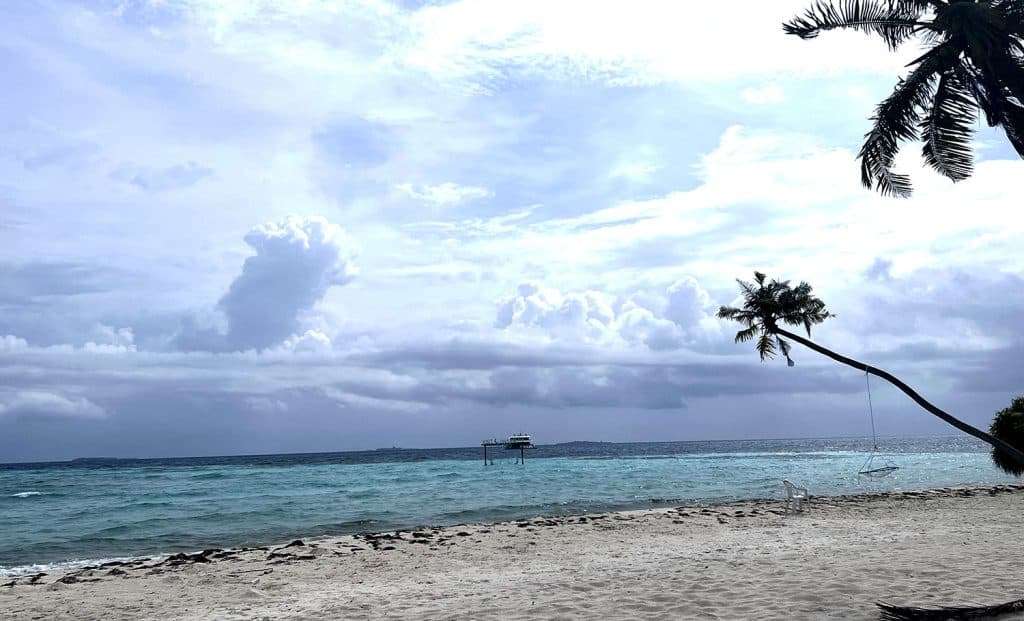
Many islands contain species with very small natural ranges. Losing habitat on one island can therefore remove a large share of a species' habitat. Reefs, mangroves and other near-shore ecosystems can support fisheries and tourism and reduce some types of coastal exposure. Seabird colonies can connect marine and terrestrial habitats through the nutrients birds bring ashore. Ecological value and human use will vary across sites. A field team should map both before drawing a protected-area boundary or selecting a restoration project.
Start with an island map and ask different users what changes through the year. Fishers may use a channel only during particular weather. A council may depend on a low-lying road for access to a clinic. A tourism operator may bring visitors near a nesting site at the busiest time of year. Record where these activities overlap with habitats and hazards. A reef survey alone cannot show who will be affected by a restriction or where an alternative access route would work.
Look upstream before restoring a coastal site
Consider a hypothetical lagoon where coral cover has declined and fishers report changes in catch. Several causes may operate together: warm-water events, land-based pollution, sediment from works, fishing pressure and repeated anchor damage. Ask which pressures the island can control and which observations would identify their relative importance. A project might compare turbidity near an outfall with conditions at a reference site and inspect anchors and moorings before deciding what intervention to finance.
Restoration is more likely to persist if the underlying pressure is addressed. A programme that grows corals for transplantation should still examine water quality, heat exposure and the reason the receiving site degraded. A mangrove planting project should first check hydrology and the site's existing ecology. In some cases restoring water flow or protecting natural regeneration may be the better first action. Decide how recovery will be measured and what evidence would cause the team to change the approach.
Make regulation enforceable at island level
Turn national commitments into decisions on the ground
The Convention on Biological Diversity's Kunming-Montreal Global Biodiversity Framework calls for action on invasive alien species under Target 6. Its conservation framework also addresses effective and equitable area-based conservation under Target 3. The Antigua and Barbuda Agenda for Small Island Developing States, adopted in 2024, follows earlier international efforts including the Barbados Programme of Action. Such commitments can inform national priorities. A local officer still needs to know which permit, authority and rule applies to a specific activity.
The Maldives Environmental Regulatory Authority publishes environmental laws and regulations, including instruments relating to protected areas and species. A project team should check the current consolidated rules, the status of a proposed site and the agencies that approve activities there. For an island development this can include checking the treatment of waste, what approvals dredging or construction require, which species are protected and how stakeholders must be consulted. Keeping a permit register helps the local authority spot when a change to the project triggers another decision.
Make zone boundaries and access rules usable
A protected area can combine sites with different management purposes. One area might protect a nesting colony seasonally, another allow fishing subject to gear restrictions and another accommodate visits on marked routes. The right arrangement depends on the ecological objectives, rights and legal authority. Explain the boundary in forms that people can use ashore and at sea. Test whether local boat operators can locate it under real conditions and whether patrol staff can identify an infringement with the available equipment.
Consult affected groups about alternatives before adopting a restriction. A measure that protects a nursery habitat can impose costs on people who fish there or rely on a nearby landing point. Record how the authority will hear concerns, whether access can be maintained elsewhere and how the effect on livelihoods will be assessed. Publish who makes enforcement decisions and how people can challenge a mistake. A management plan needs resources for these functions alongside ecological work.
Prevent and manage invasive species
Control pathways before paying for removal
IPBES's assessment describes invasive alien species as a major driver of biodiversity loss and highlights the vulnerability of island systems. Islands can receive organisms in cargo, on vessels, with plants and soil or through deliberate introduction. A biosecurity plan should identify the routes that matter locally, the organisms of concern and where the team can intervene. Prevention may involve inspecting consignments, controlling how materials are stored and checking vessels and equipment before they move between sites.
Un petit port peut commencer par un registre des mouvements à haut risque et un protocole d'intervention. Par exemple, lorsqu'une cargaison de matériaux de construction arrive pour une île abritant des oiseaux nicheurs, le manifeste peut indiquer où elle a été stockée et qui l'a inspectée. Convenir de l'endroit où un envoi suspect peut être détenu et de la personne habilitée à identifier un spécimen. Prendre des dispositions en vue d'une identification urgente avant le lancement. Une inspection qui découvre un organisme n'est utile que si le personnel dispose de l'autorité, de l'espace et des instructions nécessaires pour agir.
Design eradication around reinvasion and side effects
On Palmyra Atoll, the US Fish and Wildlife Service prepared a formal environmental review for a rat eradication project and subsequently reported completion of the operational removal phase. The public records illustrate why island eradications need advance consideration of effects on other species, logistics and post-operation evidence. Results and methods from one island must be interpreted in light of its habitats and the operation's circumstances.
Before a removal effort, establish the distribution of the invader and sensitive native species, assess whether complete removal is feasible, and agree monitoring for both target and non-target effects. On an inhabited island, plan around homes, livestock, waste storage and regular boat traffic. Include the cost of preventing a new introduction after the initial operation. The project should specify what surveillance evidence will support a conclusion of eradication, how long surveillance will run and what will happen if an animal is detected again.
Treat climate adaptation and conservation as linked decisions
Compare interventions at the scale of the shoreline
L'élévation du niveau de la mer, les tempêtes, l'érosion côtière et les vagues de chaleur marines peuvent affecter une île de différentes manières. Examinez comment un aménagement proposé modifierait l'exposition aux vagues ou le mouvement des sédiments sur les sites adjacents. Prenez en compte la santé des récifs et de la végétation ainsi que la disponibilité de terres pour le repli ou les zones tampon. Les défenses en dur, la gestion des écosystèmes et les contrôles de planification peuvent tous jouer un rôle, selon les actifs et les populations menacés. Comparez les coûts de maintenance et l'impact d'une défaillance pour chaque option.
The Green Climate Fund's Building Climate Resilient Safer Islands in the Maldives project, FP165, provides a concrete case for examining climate risk and coastal management in a small-island setting. Its funding and performance records can be used to check the project scope and progress separately. An island council designing its own shoreline intervention can apply the same discipline by documenting what the intervention is expected to protect, which residual risks remain and who will monitor conditions afterwards.
Set indicators that capture ecological and human outcomes
Un plan de suivi peut associer des indicateurs écologiques, tels que l'occupation par les espèces indigènes ou l'état de l'habitat, à des indicateurs de moyens de subsistance, de conformité et d'accès. Sélectionnez la méthode et la saison avant d'établir la situation de référence. Si des équipes de bénévoles arpentent le même site, donnez-leur des consignes communes et consignez l'effort. Un nombre plus élevé peut traduire la présence d'un plus grand nombre d'observateurs ou des conditions différentes. Des calendriers cohérents et des visites répétées facilitent l'interprétation des changements. Utilisez un site de référence si possible, en particulier lorsque les conditions météorologiques ou maritimes changent dans toute la région.
An illustrative monitoring team records that a nesting colony grew after new visitor restrictions. It should also check whether survey effort increased, nesting moved from a nearby site or a favourable season improved survival across several islands. Combine counts with observations of disturbance and compliance. Report what the evidence can support and what remains uncertain. The results can still guide management while the team builds a longer record.
What ministries, public agencies and donor-funded projects can do
Put operating responsibilities in the project design
Assign the environment authority responsibility for regulatory decisions, and record who maintains moorings, receives complaints, undertakes inspections and funds patrols. A donor project can finance baseline surveys, habitat work, quarantine arrangements and community agreements as related activities. Its contracts should specify usable maps and records, methods the agency can repeat, and a handover that includes equipment and data. Budget recurrent costs in the agency's normal planning cycle before the grant ends.
A project health check can help identify dependencies between permit decisions, procurement and field work. An institutional capacity assessment can reveal where local officers need delegated authority, equipment or training to enforce a new rule.
Vérifier le travail avec les personnes qui utilisent l'île
Use a short pre-investment review to confirm the ecological objective, legal authority, affected groups, baseline and maintenance owner. Then agree when the management body will consider evidence and how it will respond. Where a project restricts access, check that residents understand the rule and that agreed alternatives are usable. Where it funds biosecurity, run a simulated detection and record response time.
At handover, ask the operating agency to show how it would respond to an invasive species report or a damaging activity. Review the data with the local council and community representatives. The funding decision should leave the island with a practical way to maintain and adapt the protection it has put in place.
Questions fréquentes
Why are many islands vulnerable to invasive species?
De petites étendues et des communautés écologiques distinctives peuvent rendre les espèces indigènes particulièrement sensibles aux nouveaux prédateurs, concurrents et maladies.
Une zone protégée peut-elle lutter contre la pollution provenant de l'extérieur de ses limites ?
It needs coordination with land, waste and water authorities. Management inside the boundary can be undermined by sediment or pollution entering from elsewhere.
When should an island project consider eradication?
À envisager lorsque l'élimination complète est réalisable, que les risques pour les personnes et les espèces non ciblées peuvent être gérés et que la réinvasion peut être prévenue.
Comment les projets peuvent-ils mesurer les résultats en matière de conservation ?
Utiliser des enquêtes écologiques cohérentes, suivre les changements d'utilisation et d'accès, et interpréter les résultats en parallèle avec l'effort d'enquête et les pressions externes.
Regarder


Know people who should read this? Become an Ambassador or write with Risalat.
Partenaires de la réussite des projets depuis 2011 : diagnostics, conseil et apprentissage appliqué pour les ministères, les organismes publics et les équipes de projet.
Besoin d'aide pour passer à la pratique ?
Commencez par un diagnostic gratuit de 10 minutes ou échangez avec nos experts.