Key facts
- Dates
- 17–21 May 2027 (5 days)
- Where
- Novotel Lisboa, Praça de Espanha (proposed), Lisbon, Portugal
- Fee per participant
- £3,750 (GBP)
- Payment
- By invoice and bank transfer
- Registration closes
- 7 Apr 2027
- Format
- 5-day short course: a practical capacity-building programme for government, NGO and project teams in Lisbon
- Certificate
- Certificate of completion
- Groups
- Teams of 3 or more qualify for a group discount, offered case by case: ask for a group quote.
- In-house option
- Run it for your team, on your dates
On this page 10 sections
Safe System Road Engineering and Blackspot Remediation in Lisbon
Programme Overview
Road authorities across developing economies face critical challenges in reducing road traffic fatalities along regional transport corridors. This five-day training programme in Lisbon delivers an engineering-led approach to road safety, aligning technical interventions with international Safe System principles. Participants examine empirical crash investigation methods, infrastructure assessment standards, and institutional frameworks necessary to reduce fatal and serious injuries on high-risk rural and peri-urban networks.
The curriculum provides practical instruction in proactive road safety audits, systematic hazardous location identification, and targeted civil engineering countermeasures. Delegates engage with international design references, including the World Road Association (PIARC) guidelines and iRAP methodologies. Through technical lectures and applied design exercises, participants learn to prioritise infrastructure investments that address high-severity crash risks on secondary roads, vulnerable road user interfaces, and complex geometric alignments.
Delivered by Risalat Consultants International in Lisbon, Portugal, it combines expert-led sessions, real cases and group work, so that participants can apply what they learn in their own institution. Lisbon offers a compelling context for examining urban and peri-urban safety interventions, multi-modal integration, and retrofitted road layouts. Attendees will build capacity to manage donor-funded infrastructure safety components, commission professional safety reviews, and formulate data-driven national or provincial road remediation programmes, including works aligned with the Mozambique Safer Roads for Socio-Economic Integration Programme.
The programme strengthens institutional capability in:
- Safe System core principles: human fallibility and physical biomechanical tolerance limits
- National and regional crash data systems: quality, spatial coding, and under-reporting challenges
- Statistical methods for identifying hazardous locations, cluster sites, and mass action corridors
- Crash tree analysis and collision diagram development for rural and peri-urban road environments
- Case study review: diagnosing systemic corridor risks using primary collision records
- Road Safety Audit (RSA) stages: feasibility, preliminary design, detailed design, and pre-opening
- Distinction between engineering design standard compliance and intrinsic infrastructure safety
- Safe System Audit methodologies aligned with PIARC guidelines and iRAP baseline star ratings
- Infrastructure planning and prioritisation
- Project appraisal and business cases
- Financing options and public-private partnerships
- Procurement and contracting for works
Why this matters now
Organisations increasingly require professionals capable of:
- Plan and prioritise infrastructure investments
- Appraise projects and prepare business cases
- Choose financing and delivery models
- Supervise works for time, cost and quality
- Manage assets over their life
Strong infrastructure, urban development and partnerships systems help organisations:
- Select the right investments
- Deliver projects on time and on budget
- Attract financing and partners
- Keep assets working for longer
- Collect
- Clean
- Store
- Analyse
- Decide
Who Should Attend
This programme is designed for:
- Highway authority civil engineers and geometric designers
- Regional transport planners and municipal infrastructure managers
- Road safety specialists and corridor performance monitors
- Project management unit engineers executing donor-financed contracts
- Traffic management engineers and roadside safety officers
- Public works ministry personnel managing secondary road networks
- Road safety audit team members and asset inspection engineers
- Technical advisors supporting transport sector institutional development
- Transport safety policy analysts and corridor programme directors
- Infrastructure and urban planners
- Engineers and technical managers
- Project and programme managers
Tick what your team needs to be able to do.
Programme Objectives
By the end of this programme participants will be able to:
- Apply Safe System principles to the geometric design and remedial engineering of rural and peri-urban roads
- Execute data-driven blackspot identification using crash records, spatial data, and collision severity metrics
- Conduct formal road safety audits and proactive infrastructure safety inspections using international standards
- Design practical traffic calming countermeasures for secondary networks, township interfaces, and school zones
- Specify roadside protection systems, including crash barriers and forgiving roadside clearance zones
- Formulate hazard mitigation plans for pedestrians, cyclists, and other vulnerable road users on high-speed corridors
- Prepare prioritised, cost-effective remedial engineering programmes suitable for multilateral development bank financing
- Explain how infrastructure is planned and prioritised
- Appraise projects and prepare a business case
- Compare financing and delivery models, including partnerships
Training Structure & Contents
- Safe System core principles: human fallibility and physical biomechanical tolerance limits
- National and regional crash data systems: quality, spatial coding, and under-reporting challenges
- Statistical methods for identifying hazardous locations, cluster sites, and mass action corridors
- Crash tree analysis and collision diagram development for rural and peri-urban road environments
- Case study review: diagnosing systemic corridor risks using primary collision records
- Workshop: Safe System Foundations and Crash Data Analysis applied to institutional contexts
- Road Safety Audit (RSA) stages: feasibility, preliminary design, detailed design, and pre-opening
- Distinction between engineering design standard compliance and intrinsic infrastructure safety
- Safe System Audit methodologies aligned with PIARC guidelines and iRAP baseline star ratings
- Inspection procedures for high-speed secondary links, horizontal curves, and blind summits
- Practical drafting of audit findings, risk assessment matrices, and client response reports
- Workshop: Road Safety Audits and Proactive Safety Inspections applied to institutional contexts
- Detailed engineering analysis of recurrent crash mechanisms at junctions and transition zones
- Remedial geometric realignment: sight distance improvements, curve widening, and superelevation correction
- Low-cost versus capital-intensive interventions: lane channelisation, chevron signs, and anti-skid surfacing
- Economic appraisal of countermeasures using First Year Rate of Return and Cost-Benefit Analysis
- Design studio: developing an engineering blackspot remediation plan for an unsafe intersection
- Case study: Blackspot Engineering and Hazardous Location Remediation in practice
- Forgiving roadside concepts: clear zones, obstacle removal, and traversable slope profiles
- Containment barrier systems: EN 1317 performance classes, crash cushions, and end terminals
- Installation parameters, working widths, and dynamic deflection considerations for steel and concrete barriers
- Bridge approach parapets, culvert protection, and transitions between differing barrier profiles
- Field assessment exercise: evaluating roadside hazards and barrier specifications on local corridors
- Workshop: Roadside Hazard Management and Passive Safety Systems applied to institutional contexts
- Engineering for community settlements: gateway treatments, speed management, and physical traffic calming
- Pedestrian protection: grade-separated crossings, signalised mid-block facilities, and raised zebra tables
- Rural market areas and school route interventions on regional socio-economic corridors
- Integrating road safety engineering into donor-financed procurement and civil works contracts
- Action planning: participants finalise network-level remediation programmes for institutional application
- Capstone exercise: Safe System Road Engineering and Blackspot Remediation action plan preparation
Full day-by-day contents
First Day | Safe System Foundations and Crash Data Analysis
- Safe System core principles: human fallibility and physical biomechanical tolerance limits
- National and regional crash data systems: quality, spatial coding, and under-reporting challenges
- Statistical methods for identifying hazardous locations, cluster sites, and mass action corridors
- Crash tree analysis and collision diagram development for rural and peri-urban road environments
- Case study review: diagnosing systemic corridor risks using primary collision records
- Workshop: Safe System Foundations and Crash Data Analysis applied to institutional contexts
Second Day | Road Safety Audits and Proactive Safety Inspections
- Road Safety Audit (RSA) stages: feasibility, preliminary design, detailed design, and pre-opening
- Distinction between engineering design standard compliance and intrinsic infrastructure safety
- Safe System Audit methodologies aligned with PIARC guidelines and iRAP baseline star ratings
- Inspection procedures for high-speed secondary links, horizontal curves, and blind summits
- Practical drafting of audit findings, risk assessment matrices, and client response reports
- Workshop: Road Safety Audits and Proactive Safety Inspections applied to institutional contexts
Third Day | Blackspot Engineering and Hazardous Location Remediation
- Detailed engineering analysis of recurrent crash mechanisms at junctions and transition zones
- Remedial geometric realignment: sight distance improvements, curve widening, and superelevation correction
- Low-cost versus capital-intensive interventions: lane channelisation, chevron signs, and anti-skid surfacing
- Economic appraisal of countermeasures using First Year Rate of Return and Cost-Benefit Analysis
- Design studio: developing an engineering blackspot remediation plan for an unsafe intersection
- Case study: Blackspot Engineering and Hazardous Location Remediation in practice
Fourth Day | Roadside Hazard Management and Passive Safety Systems
- Forgiving roadside concepts: clear zones, obstacle removal, and traversable slope profiles
- Containment barrier systems: EN 1317 performance classes, crash cushions, and end terminals
- Installation parameters, working widths, and dynamic deflection considerations for steel and concrete barriers
- Bridge approach parapets, culvert protection, and transitions between differing barrier profiles
- Field assessment exercise: evaluating roadside hazards and barrier specifications on local corridors
- Workshop: Roadside Hazard Management and Passive Safety Systems applied to institutional contexts
Fifth Day | Vulnerable Road User Protection and Programme Implementation
- Engineering for community settlements: gateway treatments, speed management, and physical traffic calming
- Pedestrian protection: grade-separated crossings, signalised mid-block facilities, and raised zebra tables
- Rural market areas and school route interventions on regional socio-economic corridors
- Integrating road safety engineering into donor-financed procurement and civil works contracts
- Action planning: participants finalise network-level remediation programmes for institutional application
- Capstone exercise: Safe System Road Engineering and Blackspot Remediation action plan preparation
Training Methodology
The training employs an applied professional learning methodology combining technical lectures, engineering design studios, and real-world hazard evaluation exercises. It combines expert input, practical work, and closing workshops or case studies where participants apply the tools directly to institutional contexts.
- Expert-led technical lectures and applied design exercises
- Design studios and real-world hazard evaluation exercises
- Review of realistic case studies comparing practical choices with established good practice
- Small-group workshops applying methods to participants’ home institutions
- Capstone action planning exercise to establish institutional priorities, owners, and immediate next steps
Expected Outcomes
- Ability to apply Safe System principles and PIARC or iRAP standards to road infrastructure
- Proficiency in empirical crash investigation, crash tree analysis, and collision diagram development
- Competence in executing Road Safety Audits across all design and pre-opening stages
- Skills to design geometric realignments, traffic calming, and passive roadside safety barriers
- Capacity to formulate vulnerable road user mitigation plans for regional corridors and settlements
- Delivery of an actionable, prioritised road blackspot remediation programme ready for donor financing
£3,750 per participant · invoice and bank transfer · groups of 5 or more receive a discount
Five or more from one organisation: ask for the group rate on the invoice request.
Ten or more: an in-house version for your institution may cost less per person. Ask for an in-house quote.
Registration closes in 128 days (7 Apr 2027)
Who Will Deliver This Programme
Each date is delivered by a team assigned from Risalat's expert network for this subject. For this programme we assign:
How we choose them: Experience in the region of the participants or comparable settings; Command of the financier rules that apply (World Bank, ADB, AfDB, EU, UN) where relevant; Delivery in English; other languages on request for in-house groups; No conflict of interest with participants' institutions.
Training courses in LisbonInfrastructure, Planning, and Development training courses
Why Lisbon for this programme
Lisbon is a natural venue for Portuguese-speaking delegations from Africa and Brazil.
The Safe System Road Engineering and Blackspot Remediation in Lisbon programme in May 2027 brings together officials and professionals from across Europe, Africa, the Middle East and Asia. Sessions combine short inputs, case studies and group work on participants' own files, and the city's institutions can be added as a study visit on request.
Getting there: Lisbon Humberto Delgado (LIS).
Check whether you need a visa with the free Visa Checker, and ask for an invitation letter once you are registered.
The same topic in other cities
Other programmes in Lisbon
- ESG Reporting and Sustainability Strategy in Lisbon
- Solar PV Tendering, Grid Interconnection and EPC Oversight in Lisbon
- Maternal and Neonatal Referral Protocols and Obstetric Care Auditing in Lisbon
- Public Investment Project Appraisal and Capital Budget Prioritisation in Lisbon
- Primary Curriculum Alignment and Formative Student Assessment Tools in Lisbon
Questions before you nominate your team? Book a 30-minute call with us, or ask for this programme in-house.
Teams often travel here from Mozambique, Angola, Cabo Verde, Guinea-Bissau, Brazil. Funding, visa letters and group rates are explained on each country page.
Local participant, or arranging your own stay?
The fee without accommodation is £3,250 per participant instead of £3,750 (£100 less for each of the 5 days). Everything else in the package stays the same: training, materials, lunches, the kit, the city tour and the certificate.
Register without accommodation →Venue: Novotel Lisboa, Praça de Espanha. Proposed venue, or a similar hotel with a training room; it may change with circumstances, and participants are told at once of any change.
Is there infrastructure and urban development training for government officials in Lisbon in May 2027?
Can "Safe System Road Engineering and Blackspot Remediation in Lisbon" be delivered in-house for one organisation?
Which other infrastructure and urban development programmes does Risalat run?
How do organisations register and pay?
For teams and institutions
Bring your team
Teams that learn together apply more at work. Tell us how many people and how you would like to take part: we reply with a group quote within two working days.
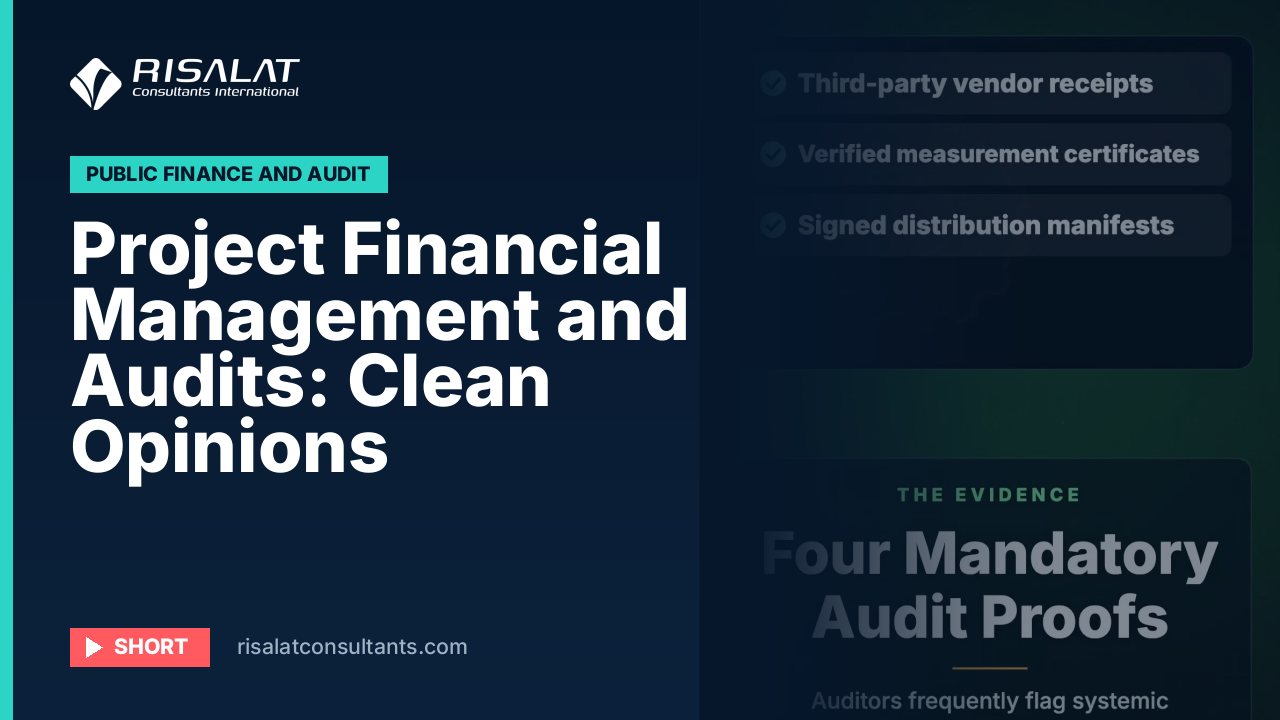
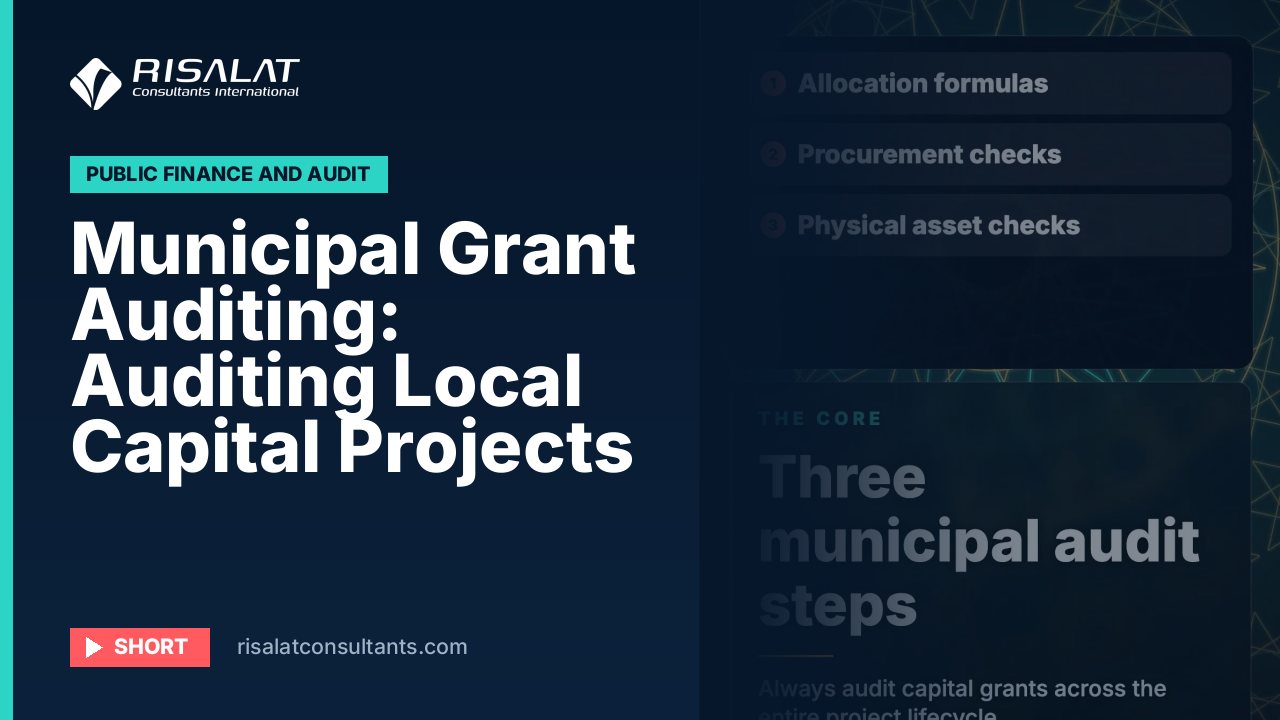
Watch: this programme in short
Other dates and cities for this subject: Infrastructure, Roads and Transport Projects training courses (162 upcoming dates).
More training courses in Portugal · All programmes in Europe · Full training calendar
Plan this programme in a roadmap: why it matters, why to approve it, the dates to plan and the career it builds.