Why Government Procurement Reforms Rarely Reduce Corruption
  • Jul 18, 2026
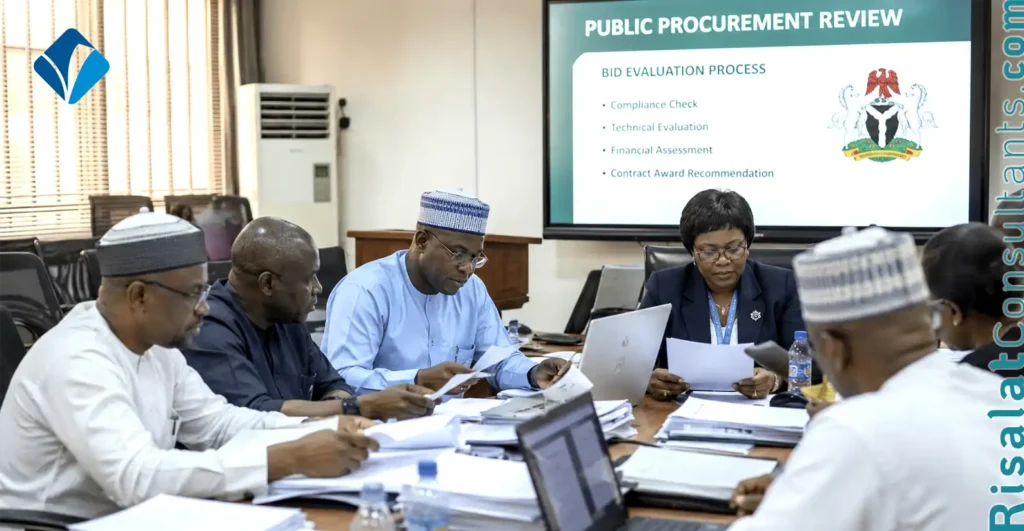
Government procurement reforms often promise greater transparency and accountability, yet corruption continues to undermine public spending worldwide. Discover why procurement reforms fail, the institutional and political barriers behind persistent corruption, and the practical strategies governments can use to build stronger, more transparent, and sustainable procurement systems.

Pacific Blue Economy: Building Local Solutions for Sustainable Ocean Governance

Pacific communities blend generations of ocean wisdom with emerging blue technologies and sustainable aquaculture models. By combining traditional stewardship with innovations like seaweed and shellfish farming, they’re creating resilient food systems and green economies that thrive within ecological limits. Marine spatial planning strengthens this balance, linking cultural knowledge with modern governance. Fiji’s National Ocean Policy stands as a leading example of how tradition and law can work together to protect marine ecosystems while driving inclusive, sustainable growth.

Nov 10, 2025

Tajikistan Water Resources: Critical Gaps in Energy-Food Security

Tajikistan faces tough choices about managing its water resources. The country has plenty of water but struggles with problems that could affect its stability and growth. Only 30% of irrigation water reaches farmland, which hurts food production and farming output. The heavy dependence on power-hungry irrigation systems creates risks for both energy and agricultural sectors.

Nov 8, 2025

GovTech Ecosystem of Uzbekistan: The Hidden Cost of Foreign Dependencies

Uzbekistan’s digital government efforts stand at a critical crossroads. Relying on imported, ready-made tech creates an illusion of progress while risking vendor lock-in, rising costs, data control issues, and weakened sovereignty. These challenges are intensified by limited digital leadership, weak procurement systems, and insufficient talent development. True transformation requires building local GovTech capacity and strong institutions, not just purchasing technology.

Nov 4, 2025

Breaking Into Green Jobs: Kenya’s Essential Guide for Job Seekers

Kenya is striving to balance environmental responsibility with economic growth, and green jobs have moved from theory to real opportunity. With renewable energy, sustainable agriculture, and modern waste-management sectors expanding, Kenya’s green economy is projected to create over 240,000 jobs by 2030. Job seekers with skills in solar systems, energy efficiency, sustainability management, and digital tools are positioned to thrive as technology transforms traditional industries into sustainable engines of growth.

Nov 3, 2025

The Real Battle for Southeast Asian Tourism: Cambodia vs Thailand vs Vietnam

Cambodia, Thailand, and Vietnam take very different paths in using their cultural heritage to attract tourists. Cambodia grew from just 7,650 visitors at Angkor Wat in 1993 to 5.4 million in 2023. Thailand leads with 17.5 million tourists in the first half of 2025, driven by smart policies like the “Sandbox” model and digital-nomad incentives. Vietnam has also rebounded to 98% of pre-pandemic tourism, thriving as a food and culture hub.

Nov 1, 2025

How Public Finance Management Strengthens Lao PDR’s Fiscal Framework

Lao PDR stands at a critical fiscal crossroads where institutional strengthening is vital for stability. With debt at 103% of GDP, 50% currency depreciation, and 31.2% inflation, the roots lie in systemic weaknesses in public finance management, from delayed audits and unmonitored SOE borrowing to fragmented cash systems and budget credibility gaps undermining fiscal governance.

Oct 28, 2025

Timor-Leste’s economy at Crossroads: From Oil Nation to Sustainable Economy

Timor-Leste faces a critical economic turning point as decades of petroleum dependence have created deep structural challenges. With the Petroleum Fund providing 90% of revenue and projected to deplete by 2028, the nation risks fiscal instability. Heavy subsidies, weak private investment, and resource dependency mirror a classic “resource curse” that now demands urgent reform.

Oct 22, 2025

Bhutan’s Climate Policy Gap: How Donors and Digital Governance Can Strengthen Resilience

Bhutan has achieved carbon-negative status and strong forest protection, yet faces challenges turning policy into action. Limited resources, technical gaps, and coordination issues persist, though recent funding of $20 million from the Least Developed Countries Fund signals positive progress.

Oct 16, 2025

Project Success Secret: How Cultural Intelligence Saves Donor Millions

Organizations that embed cultural intelligence throughout project lifecycles gain measurable advantages—faster execution, clearer communication, sharper decision-making, and genuine stakeholder engagement. These synergies reduce the systemic failures that have long hindered donor-funded initiatives worldwide.

Oct 13, 2025

The Hidden Link Between Inclusive Growth and Community Success

Inclusive growth and community success strengthen each other powerfully. Economic development alone doesn't create thriving communities unless it distributes opportunities fairly.

Oct 11, 2025

Digital Transformation Challenges: Hidden Barriers in Development Projects Revealed

Digital transformation offers both a major chance and challenge for development projects in Africa, Asia, and Small Island Developing States. Projects still face many roadblocks despite heavy investments and top-level focus.

Sep 22, 2025

Ghana’s public Financial Management

Ghana’s Public Financial Management reform showcases how strategic vision, institutional restructuring, and global collaboration can drive sustainable fiscal governance and strengthen accountability across developing economies.

Aug 29, 2025

    Get in Touch and Let's Get Started

    We would love to learn more about you. Share the details of your query and our team will address it in no time.