


Why Government Procurement Reforms Rarely Reduce Corruption
  • Jul 18, 2026
Government procurement reforms often promise greater transparency and accountability, yet corruption continues to undermine public spending worldwide. Discover why procurement reforms fail, the institutional and political barriers behind persistent corruption, and the practical strategies governments can use to build stronger, more transparent, and sustainable procurement systems.

Why Government Procurement Reforms Rarely Reduce Corruption

Government procurement reforms often promise greater transparency and accountability, yet corruption continues to undermine public spending worldwide. Discover why procurement reforms fail, the institutional and political barriers behind persistent corruption, and the practical strategies governments can use to build stronger, more transparent, and sustainable procurement systems.

Jul 18, 2026

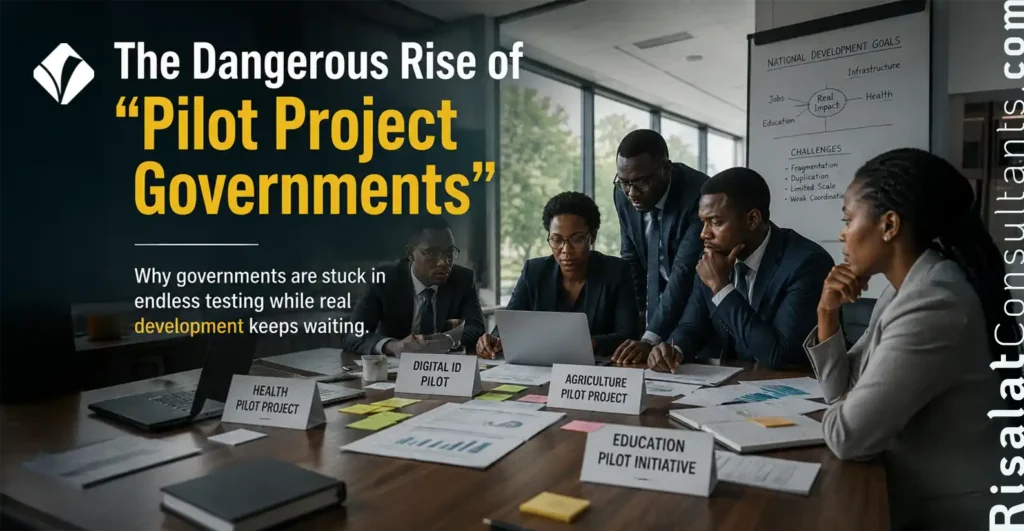
The Dangerous Rise of Pilot Project Governments

The pilot project government model leaves many reforms trapped in endless testing cycles. Learn why government pilot projects fail to scale, how donor-funded initiatives struggle to achieve sustainability, and what public sector leaders can do to strengthen institutional capacity, secure long-term financing, and move from pilot programs to lasting national implementation.

Jun 23, 2026

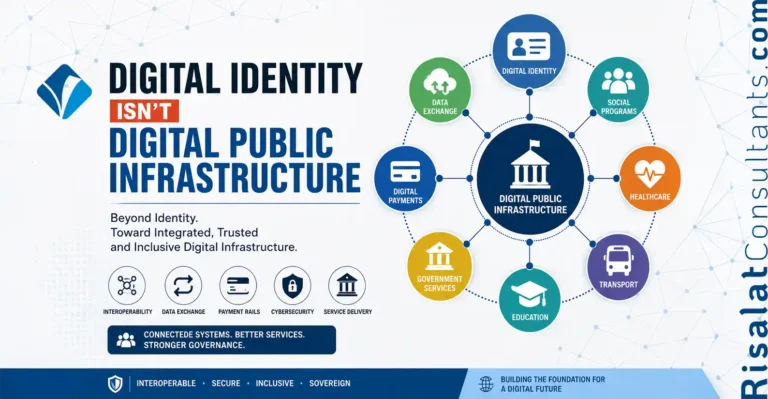
Why Digital Identity Isn’t Digital Public Infrastructure

Digital identity alone is not enough to build effective digital public infrastructure. Governments need interoperable systems, governance frameworks, payment rails, and integrated service platforms to deliver secure, scalable, and citizen-centered digital services.

May 18, 2026

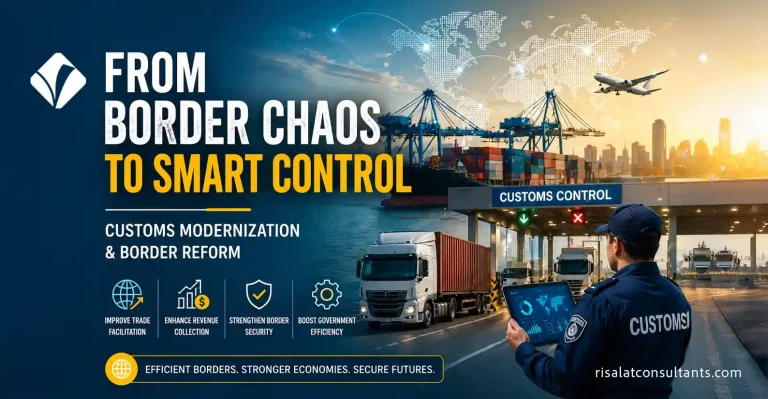
Customs Modernization and Border Management Reform for Governments

Customs modernization and border management reform are transforming how governments facilitate trade, strengthen revenue collection, and secure borders. This article explores practical frameworks, automation strategies, and institutional reforms that enable faster, smarter, and more efficient customs systems.

Apr 30, 2026

From Fragmented Data to Smart Decisions: Designing National Data Systems for Governments

Governments generate vast amounts of data, yet much of it remains fragmented and underused. National data systems provide a practical path to connect information across agencies, strengthen governance, and turn existing data into actionable insights. By improving integration, analytics, and institutional capacity, governments can make faster, smarter, and more effective decisions that directly improve public service delivery and policy outcomes.

Apr 13, 2026

Digital Burnout: The Real Price of Your ‘Always On’ Work Life

Digital burnout is not a personal weakness, it’s a system design problem. Constant connectivity erodes focus, empathy, and the ability to do meaningful work. At the same time, high performers face a “competence tax,” where reliability leads to more demands, interruptions, and hidden career stagnation.

Mar 30, 2026

How to Create Smart Municipal Budgets That Drive City Growth

Smart municipal budgeting enables cities to transform limited resources into strategic investments for sustainable growth. By combining data-driven decision-making, innovative financing, and strong governance frameworks, municipalities can improve service delivery, unlock infrastructure funding, and build financially resilient urban systems.

Mar 17, 2026

Government Cybersecurity: Critical Vulnerabilities Threatening Public Digital Services

Cybersecurity has become a core pillar of digital governance as governments face increasingly sophisticated cyber threats targeting sensitive citizen data and critical public services. Recent attacks from $125 million in damages to the UK’s National Health Service to $18.2 million lost by the City of Baltimore, demonstrate how vulnerable public digital infrastructure can be. Protecting these systems is no longer just a technical issue; it is essential for public safety, national security, and trust in government institutions.

Mar 4, 2026

Workplace Fatigue and Its Hidden Costs: What Your Budget is NOT telling you

Workplace fatigue is a major yet often overlooked organizational risk. Its hidden costs go far beyond traditional budget lines, quietly draining productivity, increasing safety risks, delaying projects, and weakening decision-making. Addressing fatigue requires systemic solutions, from smarter scheduling and structured recovery to leadership training and sustainable human energy management.

Mar 1, 2026

Electronic Toll Collection Best Practices: Proven Implementation Strategies

Electronic Toll Collection (ETC) is transforming infrastructure management by reducing congestion, cutting emissions, and improving digital revenue systems. Successful implementation requires more than technology, it demands strategic planning that integrates systems, people, and governance.

Feb 21, 2026

Open contracting Implementation Guide | From Paper Policy to Digital Reality

Open contracting transforms paper-based procurement into transparent digital systems that reduce corruption risks and deliver measurable cost savings. Successful reform requires a strategic approach built on transparency, participation, and accountability.

Feb 14, 2026

Capacity building – what actually works for organizations beyond training

Real capacity building happens when learning becomes part of daily work. Lasting results come from leadership alignment, ownership, coaching, and smart use of digital tools, proving that long-term systems matter far more than one-off training.

Feb 10, 2026

    Get in Touch and Let's Get Started

    We would love to learn more about you. Share the details of your query and our team will address it in no time.