Points clés
- Dates
- 22–26 févr. 2027 (5 jours)
- Lieu
- Skylark Hotel, Hanoï, Viêt Nam
- Frais par participant
- 3 820 £ (GBP)
- Paiement
- Sur facture et par virement bancaire
- Clôture des inscriptions
- 3 janv. 2027
- À qui s'adresse-t-il
- Civil engineers and infrastructure technicians; Road construction contractors and site managers; Construction inspectors and supervisors
- Certificat
- Certificat de participation
- Option intra
- Organisez-le pour votre équipe, à vos dates
Présentation du programme
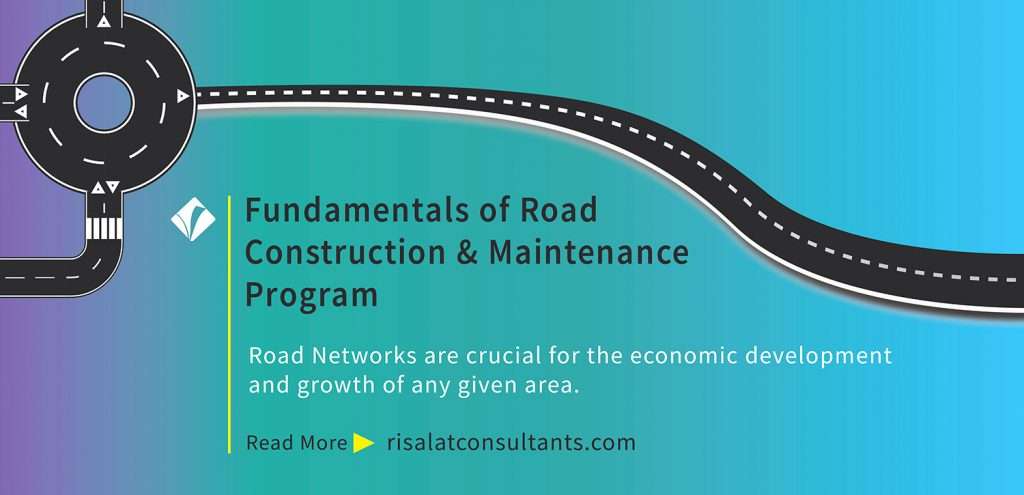
Fundamentals of Road Construction and Maintenance equips infrastructure professionals with practical skills to plan, build, rehabilitate, and maintain road networks that are safe, durable, and economically sustainable.
As governments and development partners accelerate investments in transport infrastructure, the challenge is no longer only construction, it is quality delivery, lifecycle maintenance, climate resilience, and cost-effective asset management.
Participants responsible for prioritizing investments may also explore our Road Prioritization & Economic Analysis (HDM-4) Training, which strengthens evidence-based maintenance planning and funding decisions.
This intensive programme bridges engineering fundamentals with modern project delivery practices, enabling participants to design, supervise, and maintain road infrastructure aligned with international standards and donor-funded project requirements.
Participants gain applied knowledge in:
- Road design fundamentals and construction methods
- Pavement systems (gravel & asphalt)
- Quality assurance and materials testing
- Maintenance planning and rehabilitation strategies
- Drainage systems and climate resilience
- Road safety and worksite management
- Contract supervision and performance monitoring
Asian Development Bank Transport Sector, which finances road construction, rehabilitation, maintenance, and road safety programmes across Asia.
Target Audience for Fundamentals of Road Construction and Maintenance
This Road Construction & Maintenance Training is designed for mixed public- and private-sector professionals, including:
- Civil engineers and infrastructure technicians
- Road construction contractors and site managers
- Construction inspectors and supervisors
- Road maintenance supervisors and asset managers
- Municipal engineers and public works officials
- Transport planners and infrastructure agencies
- Consultants involved in donor-funded road projects
- Quality assurance and safety officers
Cochez ce que votre équipe doit être capable de faire.
- Fonds
- Entité
- Projet
- Résultats
- MRV
Objectifs du programme
This Fundamentals of Road Construction and Maintenance training supports engineers, supervisors, and public agencies in delivering durable road assets aligned with international construction and maintenance standards.
- Understand core principles of road construction and pavement systems
- Apply best practices in earthworks, compaction, and surfacing
- Evaluate materials for gravel and asphalt roads
- Supervise construction quality using inspection and testing methods
- Design effective drainage systems to prevent premature deterioration
- Develop preventive and corrective maintenance plans
- Identify causes of pavement failure and rehabilitation solutions
- Implement road safety and worksite risk controls
- Strengthen construction planning, supervision, and reporting
- Improve lifecycle performance of road assets
Contenu du programme
- Overview of modern road infrastructure development
- Road classification and functional design
- Components of a good road system
- Subgrade evaluation and preliminary investigations
- Earthworks and formation preparation
- Construction planning and site organization
- Introduction to quality assurance frameworks
- Gravel vs asphalt road systems
- Compaction methods and material bulking
- Asphalt materials: properties, requirements, and placement
- Layer works and surfacing processes
- Construction execution and visual quality assessment
- Pavement evaluation techniques
- Traffic loading and structural design considerations
- Importance of drainage in road performance
- Types of drainage structures (side drains, culverts, cross drainage)
- Culvert systems and maintenance practices
- Impacts of poor drainage on pavement life
- Preventive vs corrective maintenance strategies
- Gravel road maintenance and boulder removal
- Climate resilience considerations in road design
- Worksite safety management and protective equipment
- Creating safe construction environments
- Road furniture, markings, and signage
- Quality assurance testing methods
- Identifying pavement distress and failure modes
- Rehabilitation techniques and overlays
- Ancillary works and roadside safety improvements
- Real-world case studies from regional road projects
- Maintenance planning exercises
- Inspection and supervision simulations
- Practical rehabilitation scenarios
- Field visit (where applicable) to observe construction or maintenance operations
- Plan d'action pour les organisations des participants
Contenu détaillé jour par jour
First Day – Foundations of Road Engineering & Construction Management
- Overview of modern road infrastructure development
- Road classification and functional design
- Components of a good road system
- Subgrade evaluation and preliminary investigations
- Earthworks and formation preparation
- Construction planning and site organization
- Introduction to quality assurance frameworks
Modern construction practices are complemented by insights from our Innovative Approaches to Transport Infrastructure Improvement programme.
Second Day – Pavement Systems, Materials & Construction Techniques
- Gravel vs asphalt road systems
- Compaction methods and material bulking
- Asphalt materials: properties, requirements, and placement
- Layer works and surfacing processes
- Construction execution and visual quality assessment
- Pavement evaluation techniques
- Traffic loading and structural design considerations
For additional depth in quality assurance and inspection practices, participants may also explore our Construction Quality Control Training Training in Tokyo, which focuses on field testing, inspection procedures, and material evaluation best practices.
Third Day – Drainage, Climate Resilience & Maintenance Engineering
- Importance of drainage in road performance
- Types of drainage structures (side drains, culverts, cross drainage)
- Culvert systems and maintenance practices
- Impacts of poor drainage on pavement life
- Preventive vs corrective maintenance strategies
- Gravel road maintenance and boulder removal
- Climate resilience considerations in road design
Climate-resilient design principles align with methodologies presented in our Clean Transport & Urban Sustainability Training.
Fourth Day – Road Safety, Quality Control & Rehabilitation
- Worksite safety management and protective equipment
- Creating safe construction environments
- Road furniture, markings, and signage
- Quality assurance testing methods
- Identifying pavement distress and failure modes
- Rehabilitation techniques and overlays
- Ancillary works and roadside safety improvements
Environmental safeguards and resettlement considerations follow frameworks covered in our Environmental & Social Management and Resettlement Action Planning Training.
Fifth Day – Practical Application & Field Learning
- Real-world case studies from regional road projects
- Maintenance planning exercises
- Inspection and supervision simulations
- Practical rehabilitation scenarios
- Field visit (where applicable) to observe construction or maintenance operations
- Plan d'action pour les organisations des participants
Training Methodology for Fundamentals of Road Construction and Maintenance
This programme uses an applied, practitioner-focused learning approach combining:
- Interactive technical lectures
- Engineering case studies
- Exercices de résolution de problèmes en groupe
- Construction supervision simulations
- Materials testing demonstrations
- Field observation (subject to logistics)
- Modèles et listes de contrôle pratiques
Expected Outcomes – Road Construction & Maintenance Management
Through this Fundamentals of Road Construction and Maintenance training, participants improve technical delivery, supervision practices, and lifecycle management of road assets.
- Strengthen technical understanding of road construction systems
- Improve construction supervision and quality control practices
- Develop cost-effective maintenance strategies
- Reduce common causes of pavement failure
- Enhance drainage and climate resilience design
- Apply safety standards on construction sites
- Produce practical road maintenance action plans
- Improve infrastructure delivery and asset longevity
3 820 £ par participant · facture et virement bancaire · remise pour les groupes de 5 personnes ou plus
Cinq personnes ou plus d'une même organisation : demandez le tarif de groupe lors de votre demande de facture.
Ten or more: an in-house version for your institution may cost less per person. Ask for an in-house quote.
Registration closes in 62 days (3 Jan 2027)
Pertinence régionale & mise en application
Many countries across Asia, Africa, and emerging economies continue to invest heavily in transport infrastructure to improve trade connectivity, urban mobility, regional integration, and economic development. Governments and development partners are increasingly prioritizing road rehabilitation, climate-resilient infrastructure, highway expansion, urban transport corridors, and integrated transport systems linked to ports, logistics hubs, airports, and railway developments.
Ce programme de formation pour cadres est particulièrement utile aux professionnels travaillant dans :
- Southeast Asia, where rapid urbanization, expressway expansion, metro rail projects, and regional transport corridor development continue to increase demand for durable and well-maintained road infrastructure
- South Asia, where governments are accelerating investments in highways, rural connectivity programmes, smart cities, and multimodal transport systems linked to growing railway and logistics networks
- Africa, where major road corridor programmes, regional trade routes, mining infrastructure, and donor-funded transport projects require stronger construction supervision, maintenance planning, and lifecycle asset management
- Middle East, where large-scale urban development, economic diversification programmes, logistics corridors, and integrated transport infrastructure projects continue to expand rapidly
Across many regions, transport agencies and contractors face growing pressure to improve construction quality, reduce premature pavement failures, strengthen climate resilience, and optimize long-term maintenance funding.
The increasing development of rail systems, urban transit projects, dry ports, industrial corridors, and regional logistics infrastructure also places greater importance on road connectivity, feeder roads, access corridors, and integrated transport planning.
This programme equips participants with practical engineering approaches, maintenance strategies, supervision techniques, and internationally aligned infrastructure practices to improve road asset performance, transport reliability, and sustainable infrastructure delivery.
Host Country Profile – Hanoi, Vietnam
Vietnam continues to expand its transport infrastructure to support economic growth and regional connectivity. Hanoi provides an ideal learning environment for road engineering professionals, combining active infrastructure development with exposure to Southeast Asian construction practices.
Hosting the programme in Hanoi allows participants to connect theory with real-world road construction challenges while engaging with regional best practices in transport planning and maintenance.
Livrables de la formation
Avant le programme
- Évaluation des besoins avant la formation
- Note d'information sur le programme et documents préparatoires
- Road engineering self-assessment checklist
- Conseils sur la logistique et les visas (le cas échéant)
Pendant le programme
- Hébergement avec petit-déjeuner
- Séance de réseautage de bienvenue
- Comprehensive course manual and engineering reference materials
- Road construction toolkits and inspection templates
- Materials testing guides and maintenance planning worksheets
- Practical group exercises and case simulations
- Field visit or applied institutional session (where applicable)
- Déjeuner et pauses-café quotidiens
- Accès complet aux installations de formation
- Mini tablette pour accéder aux supports numériques (les participants la conservent)
- Certificat de participation
Après le programme
- Documents de référence après la formation
- Maintenance planning templates
- Guidance on applying road asset management systems
- Practical recommendations for improving construction quality
- Continued engagement through future infrastructure programmes
Organizations seeking customized group delivery may request tailored dates, locations, and programme content to meet their institutional training needs.
Tous les programmes à HanoïPlus de programmes Construction & ingénierie
Pourquoi Hanoï pour ce programme
Hanoï (Viêt Nam) a été choisie pour ce programme car elle est facilement accessible pour les participants attendus et dispose de lieux adaptés à une formation pratique et interactive.
The Fundamentals of Road Construction & Maintenance Training programme in February 2027 brings together officials and professionals. Sessions combine short inputs, case studies and group work on participants' own files, and the city's institutions can be added as a study visit on request.
Vérifiez si vous avez besoin d'un visa avec le vérificateur de visa gratuit, et demandez une lettre d'invitation une fois inscrit.
Le même thème dans d'autres villes
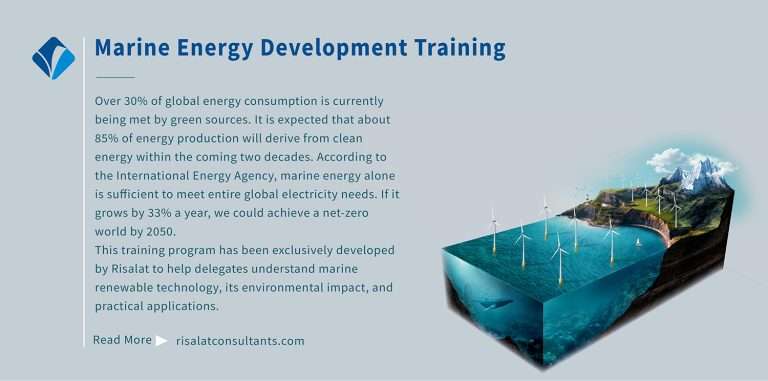
- Formation au développement des énergies marines – Promouvoir une énergie océanique durable pour une croissance résiliente au climat (Séoul)
- Formation au financement de projets en PPP & aux infrastructures (Jakarta)
Autres programmes à Hanoï
- Formation à la gestion des prêts non performants & aux stratégies de recouvrement des créances
- Maîtriser l'analyse des états financiers bancaires à Hanoï
- Formation avancée à la planification stratégique des achats, aux appels d'offres, aux soumissions & à l'attribution
- Formation à la gestion intégrée et à la restauration des bassins fluviaux
- Atelier sur la gestion efficace des actifs et les mises au rebut à Hanoï
Plus de formations au Viêt Nam · Tous les programmes en Asie · Calendrier complet des formations