Programme Overview
Public Policies and Development Programmes aim to initiate the positive change in targeted fields and for intended beneficiaries. Scrutinizing whether or not desired changes are taking place in actual terms can be quite challenging and is frequently left unattended. The factual contributions of the policy or a project deployed can be appraised only through constructive monitoring and evaluation tools and techniques.
Impact Evaluation of Public Policies, Programmes and Projects Training in Bangkok, Thailand introduces its participants to contemporary quantitative and qualitative evaluation techniques addressed to determining the impact and influence of Public Policies and Projects. The programme supports attendees with corresponding skills and knowledge for administering scrupulous evaluation of public policy interventions. The material covered is extremely comprehensive and includes all of the major aspects of the topic starting from the planning stage all the way through the designing, implementation and application of M&E system tools.
Target Audience
This Impact Evaluation of Public Policies Programme is the best suit for:
- Project Heads, Managers, Officers and staff
- Policy Makers
- Development Practitioners
- Government Officials
- Staff of NGOs and other Development Organizations
- Staff of Donor Organizations
- Researchers
- Project Performance Managers
- Independent Evaluators.
Tick what your team needs to be able to do.
Programme Objectives
Upon the successful completion of this intensive training course, the participants will be able to:
- Demonstrate thorough understanding of contemporary methods and techniques applicable for the monitoring and evaluation of Public Policies, Programmes and Development Projects
- Assess the Cost-Effectiveness of Public Policies and Programmes
- Identify and Select the most suitable Impact Evaluation Options while considering budget, time and data constraints.
- Understand, interpret and identify the advantages and disadvantages of quantitative impact evaluations and costs-benefits analysis.
- Apply Econometric analysis techniques for impact evaluation
- Report and disseminate impact evaluation findings.
Programme Contents
- The importance of Measuring the Impact and Outcomes
- Defining the Impact Assessment and Impact Evaluation
- M&E system in Development Projects and Programmes
- Concepts and Methods for Impact Evaluation
- Applying Systematic Reviews of Evidence for Impact Assessment
- Overview of M&E Fundamentals for Impact Evaluation.
- The Results Framework
- Project Key Performance Indicators
- LOGFRAME
- Monitoring and Evaluating Project and Programme Performance
- Attribution in Impact Evaluation
- Contribution vs Attribution.
- Evaluation Questions
- Theories of Change
- The Results Chain
- Impact Evaluation Indicators
- Establishing counterfactuals to understand the possible outcome of implementing an alternative policy
- Causal Reference & Comparison groups
- Impact Evaluation Research Designs – Experimental, Quasi Experimental and Non-Experimental
- Sampling Techniques in Impact Evaluation
- Sample Size Calculation, Weight and Power
- Valid Comparison Groups.
- Quantitative Analysis for Impact Evaluation
- Randomized Impact Evaluation; Statistical Design of Randomization
- Impacts of Programme Placement and Participation
- Propensity Score Matching (PSM)
- Applications of PSM in Impact Evaluation
- Difference-in-Difference Method (DID)
- Most Significant Change
- Outcome Mapping and Outcome Harvesting
- Appreciative Inquiry
- Cost-benefit and costs-effectiveness analyses
- Impact Evaluation Plan
- Impact Evaluation Reports.
Full day-by-day contents
First Day
- The importance of Measuring the Impact and Outcomes
- Defining the Impact Assessment and Impact Evaluation
- M&E system in Development Projects and Programmes
- Concepts and Methods for Impact Evaluation
- Applying Systematic Reviews of Evidence for Impact Assessment
- Overview of M&E Fundamentals for Impact Evaluation.
Second Day
- The Results Framework
- Project Key Performance Indicators
- LOGFRAME
- Monitoring and Evaluating Project and Programme Performance
- Attribution in Impact Evaluation
- Contribution vs Attribution.
Third Day
- Evaluation Questions
- Theories of Change
- The Results Chain
- Impact Evaluation Indicators
- Establishing counterfactuals to understand the possible outcome of implementing an alternative policy
- Causal Reference & Comparison groups
- Estimating Counterfactuals
- Impact Evaluation in case of unavailability of baseline data.
Fourth Day
- Impact Evaluation Research Designs – Experimental, Quasi Experimental and Non-Experimental
- Sampling Techniques in Impact Evaluation
- Sample Size Calculation, Weight and Power
- Valid Comparison Groups.
Fifth Day
- Quantitative Analysis for Impact Evaluation
- Randomized Impact Evaluation; Statistical Design of Randomization
- Impacts of Programme Placement and Participation
- Propensity Score Matching (PSM)
- Applications of PSM in Impact Evaluation
- Difference-in-Difference Method (DID)
- DID estimator, cross-sectional data and balancing tests.
Sixth Day
- Most Significant Change
- Outcome Mapping and Outcome Harvesting
- Appreciative Inquiry
- Cost-benefit and costs-effectiveness analyses
- Impact Evaluation Plan
- Impact Evaluation Reports.
Programme Methodology
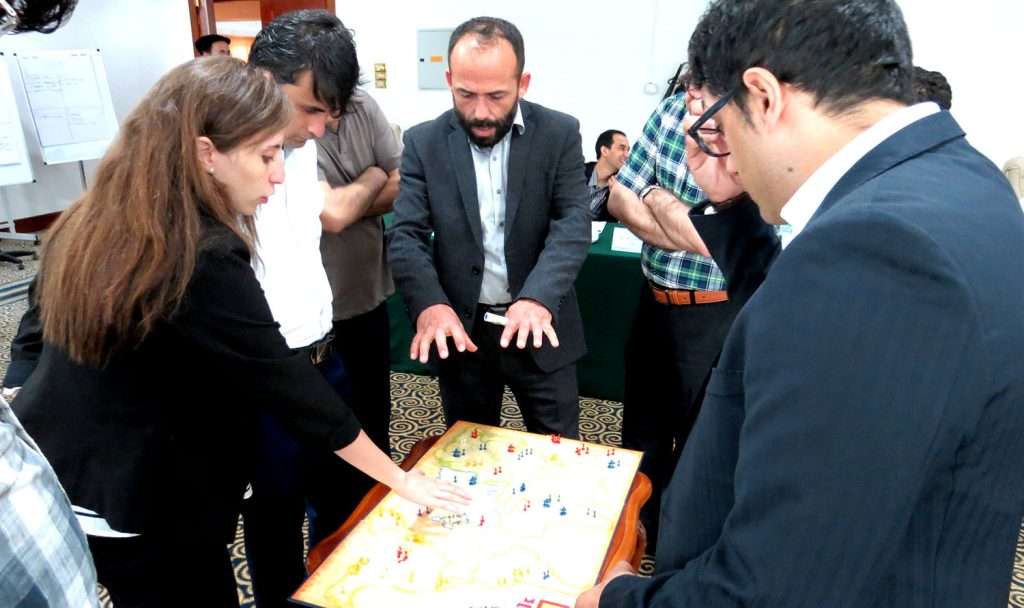
Impact Evaluation of Public Policies, Programmes and Projects Training in Bangkok, Thailand is a short term extensive training course with highly practical focus. The presenter will apply modern adult learning techniques in order to maximize the effectiveness of the session delivery and achieve successful results. The methods deployed will include open presentation, group discussions, individual assignments, practical exercises, numerical tasks, case studies and field visit. By the end of the programme the attendees will participate in the impact evaluation of sample development project. At the end of each session the trainer will request for feedback and consider comments received for the coming days in order to improve results and ensure the maximum understanding of topics for the delegates.
Programme-Related Host Country Profile
Thailand provides an ideal environment for advancing impact evaluation knowledge and practice, thanks to its commitment to evidence-based policymaking and sustainable development. As a regional leader in Southeast Asia, Thailand has integrated performance monitoring and evaluation into its national and sectoral planning frameworks, with Bangkok particularly through Corporate Bangkok’s dynamic business and training landscape serving as the country’s hub for governance innovation and institutional capacity building. The government, in collaboration with regional organizations, universities, and development partners, continues to strengthen evaluation systems aligned with the UN Sustainable Development Goals to ensure accountability and policy coherence. Hosting the Impact Evaluation of Public Policies, Programmes, and Projects training in Bangkok offers participants direct exposure to a thriving ecosystem of policymakers, corporate leaders, practitioners, and global experts. It provides a valuable opportunity to explore how data-driven evaluation enhances decision-making, optimizes programme effectiveness, and supports inclusive growth across diverse development contexts.
Course Deliverables
Participants will enjoy a full-service experience that covers everything needed before, during, and after the programme:
Before the Programme
- Participant Pre-Assessment to ensure effective preparation
- Complimentary Visa Support & Advisory (E-visa applications are fully processed by our team)
During the Programme
- Airport Pickup & Welcome Assistance
- Accommodation with Breakfast for the full duration
- Welcome Dinner for networking and connecting with fellow Participants & the Risalat Team
- Risalat Training Kit, including: bag, water bottle, coffee mug, t-shirt, cap, passport cover, pens, notebook, magnet, keychain
- Lunch Provided Daily during training days
- Comprehensive Course Manual & Training Materials
- Project-Based Templates, Tools, and Worksheets
- Mini Pad / Tablet for convenient access to digital resources
- Digital Case Studies, Reading Packs & Reference Materials
- Access to Sample Datasets & Practical Exercises
- Field Visit (where applicable)
- Complimentary Refreshments & Full Training Venue Facilities
- Access to Online Learning Resources
- Entertaining City Tour
- Certificate of Completion
- Risalat Programme Participation Recognition Award
After the Programme
- Post-Training Support & Follow-Up Guidance
- Programme Report
£3,210 per participant · invoice and bank transfer · groups of 5 or more receive a discount
Five or more from one organisation: ask for the group rate on the invoice request.
Ten or more: an in-house version for your institution may cost less per person. Ask for an in-house quote.
Registration closes in 5 days (23 Oct 2026)