Workshop on Environmental and Social Safeguards in Singapore
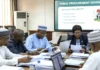
Environmental and Social Safeguards Training Course was held in Amara Singapore between 19-27 June 2023. The program was exclusively organized for and delivered by RCI to the 8 staff members of the Ministry of Water and Environment of Uganda. The core aim of this Course on Environmental and Social Safeguards was to reinforce participants’ understanding of environmental and social framework as well as form and refine essential skills needed to encourage greater application of the DNH approach across the country’s development projects managed by the said ministry.
The core objective of the program was to equip its participants with essential tools, techniques, and skills enabling them to factor-in environmental and social considerations into development projects and organizational processes. The following are deemed to be the key outcomes of the program delivered:
- Delegates are better able to understand the importance of environmental and social safeguards and what role they play in investment performance
- Participants comprehend the ESS framework of major international donors alongside accompanying documentation and procedural requirements
- Participants can appreciate the roles of different stakeholders and how they can contribute to more inclusive implementation of safeguards
- Delegates are aware of environmental and social safeguards application best practices and are able to utilize the same within their work context
The key areas covered throughout the Environmental and Social Safeguards Workshop are as follows:
- Defining environmental and social safeguards
- The role and importance of ESS for development projects and programs
- Environmental and social screening and monitoring
- ESIA policy and procedure
- Fundamentals of ESIA good practice
- Do No Harm
- Considering the vulnerable in the society
- Ensuring benefits sharing
- Stakeholder engagement
- Social safeguards, standards, and social issues
- Involuntary resettlement
- Resettlement and compensation
- Participation and inclusion of indigenous people; Forest-dependent people
- Considering gender and cross-cutting issues
- Shifting cultivation, deforestation, and gender
- Protection of natural habitats
- Biodiversity conservation
- Sustainable natural resource management
- Pollution prevention
- Considering intended and unintended consequences
- The importance of ongoing meaningful consultation
- Learning from international and regional ESS experience
- Strengthening project safeguard performance
- Aligning projects to national plans and signed country agreements
Stay Tuned to Risalat Social Media