Financial Management for Project Development – Programme Overview
Effective financial management is critical to successful project planning, execution, and delivery across the project lifecycle. Projects today operate under tight budgets, complex funding arrangements, donor compliance requirements, and increasing accountability expectations. In this environment, accurate financial planning, cost control, cash flow management, and transparent reporting are essential for informed decision-making and timely corrective action.
The Financial Management for Project Development Training in Yerevan, Armenia is designed to equip participants with practical financial management skills tailored specifically to project-based environments. The programme focuses on financial planning, budgeting, cost control, cash flow management, financial reporting, and investment appraisal, enabling participants to manage project finances effectively from initiation through completion.
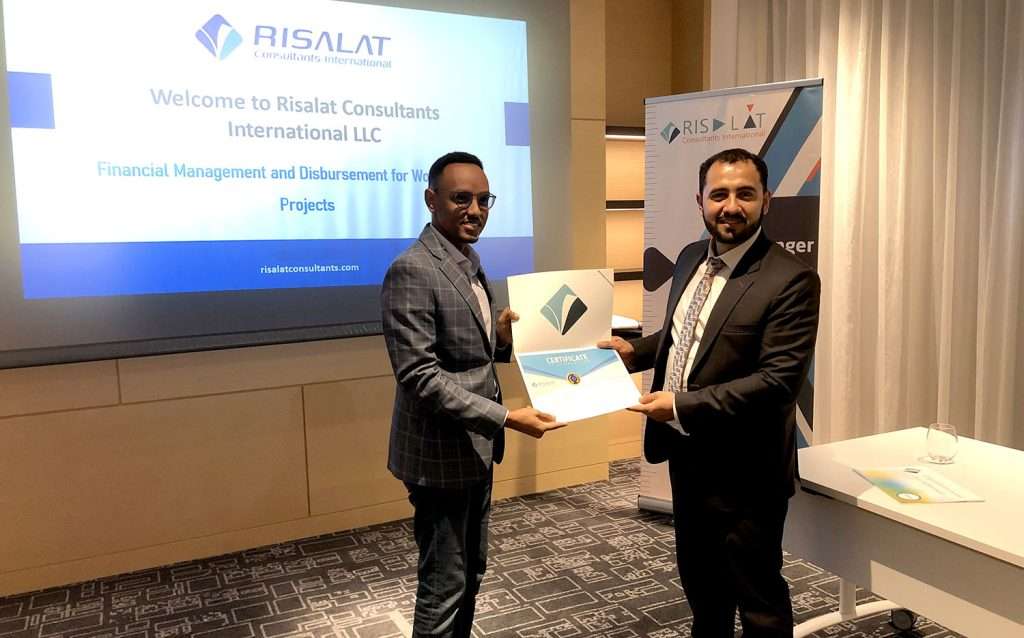
Throughout the course, participants strengthen their ability to analyze project financial data, manage resources efficiently, assess financial viability, and support successful project outcomes in both public and private sector contexts, including donor-funded and development projects. The programme also aligns well with donor-financed project environments, including financial management and disbursement requirements commonly applied in World Bank–funded operations.
Download the Financial Resilience Framework (PDF)
A concise reference outlining the financial systems, controls, and practices that support resilient project delivery across the project lifecycle.
The short video below explains why projects often fail financially, not because of missing funds, but due to weak planning, poor cost control, and limited financial visibility across the project lifecycle.
Target Audience for Financial Management for Project Development
- Finance executives and senior managers
- Project managers, supervisors, and programme officers
- Finance and accounting professionals supporting projects
- Development practitioners working on donor-funded or public sector projects
- Professionals involved in project budgeting, costing, and financial reporting
Objectives of Financial Management for Project Development Training
- Apply financial management principles across the full project lifecycle
- Develop realistic project budgets and financial forecasts
- Monitor and control project costs effectively
- Manage project cash flow and financial risks
- Distinguish between cost types and costing methods
- Apply value management and through-life costing concepts
- Assess project viability using investment appraisal techniques
- Prepare and interpret key financial statements for projects
These objectives reflect practical financial management for project development across public, private, and donor-funded project environments.
Programme Contents
- Project management basics and the project life cycle
- Role of financial management in project development
- Linking project objectives to financial planning
- Key financial concepts for project managers
- Project financial planning processes
- Types and functions of project budgets
- Practical approaches to building accurate project budgets
- Consolidated budgets and cost structures
- Budgeting for core, operational, and overhead costs, particularly for projects implemented at the local and subnational level, where budget execution capacity directly affects project performance.
- Cash flow forecasting and management techniques
- Elements of project cash flow
- Project cost allocation methods
- Cost monitoring and control tools
- Using cost information for project decision-making
- Importance of financial reporting in project environments
- Principles of financial accounting for projects
- Profit and loss accounts and balance sheets
- Auditing and internal control in project implementation. This session aligns with practical approaches used in effective internal audit execution within project and organizational settings.
- Legal, regulatory, and compliance considerations
- Measuring project financial performance
- Financial performance assessment is closely linked to results-based monitoring and evaluation frameworks used in development and investment projects.
- Key financial ratios for project analysis
- Value management and through-life costing
- Investment appraisal methods (NPV, IRR, payback period), these appraisal techniques are also applied in capital-intensive sectors such as energy, infrastructure, and extractive industries.
- Assessing project viability and financial sustainability, including principles used in financial management for sustainable project development
Full day-by-day contents
Day 1 – Foundations of Project Financial Management
- Project management basics and the project life cycle
- Role of financial management in project development
- Linking project objectives to financial planning
- Key financial concepts for project managers
Day 2 – Financial Planning and Budgeting for Projects
- Project financial planning processes
- Types and functions of project budgets
- Practical approaches to building accurate project budgets
- Consolidated budgets and cost structures
- Budgeting for core, operational, and overhead costs, particularly for projects implemented at the local and subnational level, where budget execution capacity directly affects project performance.
Day 3 – Cash Flow Management and Cost Control
- Cash flow forecasting and management techniques
- Elements of project cash flow
- Project cost allocation methods
- Cost monitoring and control tools
- Using cost information for project decision-making
Day 4 – Financial Reporting, Accounting, and Control
- Importance of financial reporting in project environments
- Principles of financial accounting for projects
- Profit and loss accounts and balance sheets
- Auditing and internal control in project implementation. This session aligns with practical approaches used in effective internal audit execution within project and organizational settings.
- Legal, regulatory, and compliance considerations
Day 5 – Financial Performance and Investment Appraisal
- Measuring project financial performance
- Financial performance assessment is closely linked to results-based monitoring and evaluation frameworks used in development and investment projects.
- Key financial ratios for project analysis
- Value management and through-life costing
- Investment appraisal methods (NPV, IRR, payback period), these appraisal techniques are also applied in capital-intensive sectors such as energy, infrastructure, and extractive industries.
- Assessing project viability and financial sustainability, including principles used in financial management for sustainable project development
Financial Management for Project Development – Training Methodology
The training is delivered using a practical, adult-learning approach that combines expert-led sessions, real-world project examples, group discussions, simulations, case studies, and applied exercises. This approach reflects internationally recognized project financial management practices commonly applied in development and investment projects, including guidance promoted by the World Bank. Participants actively work on budgeting, cost control, cash flow analysis, and financial reporting scenarios to ensure immediate application of learning outcomes within their own project environments.
This methodology supports immediate application of financial management for projects in real-world implementation settings.
Host Country Profile
Armenia provides a relevant and practical setting for financial management and project development training, reflecting the financial governance and project implementation challenges faced by many emerging and transition economies. As the country continues to implement infrastructure, development, and investment projects, strengthening project financial management capacity remains a key priority.
Hosting the programme in Yerevan, Armenia’s economic and administrative center, offers participants exposure to an environment where public sector projects, donor-funded initiatives, and private investments intersect. This setting supports applied learning, peer exchange, and practical discussion relevant to diverse project and institutional contexts. This context strengthens applied learning in financial management for project development within emerging and transition economies.
Course Deliverables
Participants will enjoy a full-service experience that covers everything needed before, during, and after the programme:
Before the Programme
- Participant Pre-Assessment to ensure effective preparation
- Complimentary Visa Support & Advisory (E-visa applications are fully processed by our team)
- Airport Pickup & Welcome Assistance
- Accommodation with Breakfast for the full duration
- Welcome Dinner for networking and connecting with fellow Participants & the Risalat Team
During the Programme
- Risalat Training Kit, including: bag, water bottle, coffee mug, t-shirt, cap, passport cover, pens, notebook, magnet, keychain
- Lunch Provided Daily during training days
- Comprehensive Course Manual & Training Materials
- Project-Based Templates, Tools, and Worksheets
- Mini pad / tablet provided for convenient access to digital resources, which participants may keep after the programme.
- Digital Case Studies, Reading Packs & Reference Materials
- Access to Sample Datasets & Practical Exercises
- Field Visit (where applicable)
- Complimentary Refreshments & Full Training Venue Facilities
- Access to Online Learning Resources
- Entertaining City Tour
- Certificate of Completion
- Risalat Programme Participation Recognition Award
After the Programme
- Post-Training Support & Follow-Up Guidance
- Programme Report
All deliverables are designed to reinforce hands-on application of project financial management tools and techniques.
Organizations may also request this Financial Management for Project Development Training as a customized in-house or regional programme, delivered on dates aligned with their operational needs.
£2,740 per participant · invoice and bank transfer · groups of 5 or more receive a discount
Five or more from one organisation: ask for the group rate on the invoice request.
Ten or more: an in-house version for your institution may cost less per person. Ask for an in-house quote.
Registration closes in 66 days (23 Dec 2026)