Key facts
- Dates
- 15–19 Mar 2027 (5 days)
- Where
- Bellevue Park Hotel, Riga, Latvia
- Fee per participant
- £3,410 (GBP)
- Payment
- By invoice and bank transfer
- Registration closes
- 24 Jan 2027
- Format
- 5-day short course: a practical capacity-building programme for government, NGO and project teams in Riga
- In-house option
- Run it for your team, on your dates
On this page 12 sections
Planning & Managing PR Campaigns Training in Riga
Programme Overview
A well-planned PR campaign is a powerful tool that significantly impacts brand reputation. It can transform the future of the business and have a tremendous effect on its profitability. Sustainable PR campaigns are cost-effective means of changing perceptions and increasing stakeholder value for any given organisation. Planning & Managing PR Campaigns Workshop in Riga, Latvia is designed for any organisation that aims to employ PR as a core part of its business processes.
The course takes a problem-solving approach towards the designing of suitable PR campaigns, fitting them to organisational priorities alongside overall strategic objectives. Participants will develop the skills essential for designing, planning and delivering successful PR campaigns using the full range of media channels, reinforcing the entity’s key messages and strategy.
Delivered by Risalat Consultants International in Riga, Latvia, the programme combines expert-led sessions, real cases and group work, ensuring participants can apply what they learn directly within their own institutions.
The programme strengthens institutional capability in:
- An overview of the scope and role of PR in the organisation
- The importance of reputation management
- The role of the brand
- The PR transfer process and communications theory
- The definition of PR campaigns
- The six-point PR plan framework for campaigns
- Assessing your PR situation
- Setting objectives to meet your business needs
- Understanding the policy and institutional context
- Applying current good practice
- Planning and prioritising work
- Managing risks and resources
Why this matters now
Organisations increasingly require professionals capable of:
- Applying current good practice in their field
- Planning and prioritising work effectively
- Managing risks and resources
- Using evidence in decisions
- Leading improvement in their teams
Strong professional and institutional capability systems help organisations:
- Improve the quality of services and decisions
- Use resources efficiently
- Meet the expectations of partners and citizens
- Sustain improvements over time
Who Should Attend
This programme is designed for:
- Middle and senior managers tasked with the direct delivery of campaigns or oversight of specialist sub-contractors
- Senior operational managers with responsibility for managing teams whose role includes PR campaigns
- Senior managers up to Board level with responsibility for the strategic use of public relations
- Directors and senior managers
- Heads of department and unit
- Technical and professional staff
- Project and programme managers
- Planning and policy officers
- Staff of ministries and public agencies
- Staff of donor-funded projects
- NGO and civil society staff
- Private sector professionals working with government
Tick what your team needs to be able to do.
Programme Objectives
By the end of this programme participants will be able to:
- List and define PR concepts and differentiate between PR and advertising
- Employ the problem-solving approach to match PR campaign strategy to business objectives
- Plan PR campaigns strategically and set clear objectives with behavioural outcomes and measurable results
- Measure and mitigate PR campaign risks and overall campaign effectiveness
- Explain the importance of organisational and corporate image
- Explain the current context and challenges in their field
- Apply good practice methods and tools
- Plan and prioritise work for better results
- Identify and manage risks
- Work effectively with stakeholders
Training Structure & Contents
- An overview of the scope and the role of PR in the organisation
- The six-point PR plan framework for campaigns
- Assessing what your stakeholders think of you
- Keeping your objectives in mind
- Conducting interviews and briefing interviewees
- The role of corporate websites and lobbying
- Measurement (production, exposure) and small group application workshop
- The importance of reputation management
- Assessing your PR situation and learning their language
- Choosing the right titles for the right audience
- Managing to film and social media in campaigns
- Costing a campaign
- Weaknesses of the traditional approach
- Small group application workshop to agree practical next steps
- The role of the brand and setting objectives to meet business needs
- Applying creativity to messaging
- Mass media news generation and management
- Photography and events as part of campaigns
- Purpose of campaign evaluation (output, outcome)
- Measurement techniques
- Case study analysis on risks, resources and stakeholders in practice
- The PR transfer process and communications theory
- Translating objectives into practical campaign outcomes
- The importance of third-party endorsement
- Media story selection: what is in it for them?
- Involving in-house media and using VIPs or celebrities
- Evaluating process and goals alongside crisis management and contingencies
- Small group evidence and results application workshop
- The definition of PR campaigns and identifying your public
- Features and facets of newspapers, magazines, TV and radio
- Invitations, press releases and corporate video
- Direct face-to-face communication
- Matching objectives and results
- The in-house PR team: staffing, setting up and running it
- Capstone exercise: developing and presenting an institutional action plan
Full day-by-day contents
First Day | Context and foundations
- An overview of the scope and the role of PR in the organisation
- The six-point PR plan framework for campaigns
- Assessing what your stakeholders think of you
- Keeping your objectives in mind
- Conducting interviews and briefing interviewees
- The role of corporate websites and lobbying
- Measurement (production, exposure) and small group application workshop
Second Day | Methods and tools
- The importance of reputation management
- Assessing your PR situation and learning their language
- Choosing the right titles for the right audience
- Managing to film and social media in campaigns
- Costing a campaign
- Weaknesses of the traditional approach
- Small group application workshop to agree practical next steps
Third Day | Risks, resources and stakeholders
- The role of the brand and setting objectives to meet business needs
- Applying creativity to messaging
- Mass media news generation and management
- Photography and events as part of campaigns
- Purpose of campaign evaluation (output, outcome)
- Measurement techniques
- Case study analysis on risks, resources and stakeholders in practice
Fourth Day | Evidence and results
- The PR transfer process and communications theory
- Translating objectives into practical campaign outcomes
- The importance of third-party endorsement
- Media story selection: what is in it for them?
- Involving in-house media and using VIPs or celebrities
- Evaluating process and goals alongside crisis management and contingencies
- Small group evidence and results application workshop
Fifth Day | Implementation and action Planning & Managing PR Campaigns
- The definition of PR campaigns and identifying your public
- Features and facets of newspapers, magazines, TV and radio
- Invitations, press releases and corporate video
- Direct face-to-face communication
- Matching objectives and results
- The in-house PR team: staffing, setting up and running it
- Capstone exercise: developing and presenting an institutional action plan
Training Methodology
Planning & Managing PR Campaigns Workshop in Riga, Latvia is activity and discussion based. Formal presentations are supported by a range of case studies, practice problems and group discussions. Sharing participant experience is a key feature, providing delegates with the opportunity to discuss their own projects or challenges in a problem-solving setting. A short pre-assessment helps facilitators adapt examples to the group, and each day concludes with a reflection session.
- Expert-led sessions on current practice
- Regional and international case studies
- Group work and practical exercises
- Simulations and role plays where relevant
- Discussion of participants’ own challenges
- Peer learning across institutions and countries
- Practical tools and templates to take back to work
- Daily reflection and action planning
Expected Outcomes
- Apply good practice in their field
- Plan and prioritise work
- Manage risks and resources
- Work effectively with stakeholders
- Use evidence in decisions
- Lead improvement in their institution
- Produce a personal action plan with practical tools to apply from the first week back
£3,410 per participant · invoice and bank transfer · groups of 5 or more receive a discount
Five or more from one organisation: ask for the group rate on the invoice request.
Ten or more: an in-house version for your institution may cost less per person. Ask for an in-house quote.
Registration closes in 57 days (24 Jan 2027)
Regional Relevance & Application
- Europe: European institutions apply professional and institutional capability within detailed regulatory frameworks and reform agendas, allowing participants to compare practice with other regions and test established methods under varying conditions.
- Africa: Across Africa, ministries, agencies and project teams operate alongside donor-financed programmes requiring clear systems and evidence, with the training helping adapt good practice to available resources.
- Middle East: National development strategies and diversification plans place growing demands on capability, enabling participants to explore methods to build strategic capacity in public bodies and commercial entities.
- Asia: Institutions combine rapid growth with modernisation agendas, offering an environment to share experiences in scaling systems quickly and adopting proven approaches.
- Pacific: Addresses constraints of size, distance and capacity with practical, proportionate approaches tailored to smaller institutions.
Host Country Profile
Latvia
Who Will Deliver This Programme
Each date is delivered by a team assigned from Risalat's expert network for this subject. For this programme we assign:
How we choose them: Experience in the region of the participants or comparable settings; Command of the financier rules that apply (World Bank, ADB, AfDB, EU, UN) where relevant; Delivery in English; other languages on request for in-house groups; No conflict of interest with participants' institutions.
Training courses in RigaPublic Relations & Media training courses
Why Riga for this programme
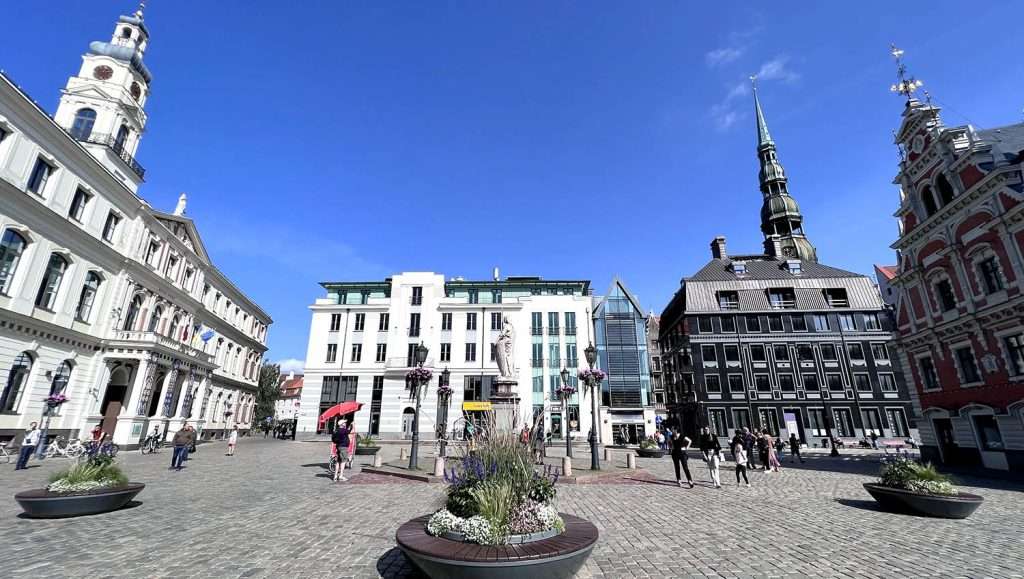
Riga provides access to national ministries, the Parliament of Latvia, and European Union bodies such as the Body of European Regulators for Electronic Communications. Visiting delegations can observe public administration reforms, port management practices, and modern municipal infrastructure. The city is straightforward to reach through direct air connections across Europe.
The Planning & Managing PR Campaigns Training in Riga programme in March 2027 brings together officials and professionals from across Europe, Africa, the Middle East and Asia. Sessions combine short inputs, case studies and group work on participants' own files, and the city's institutions can be added as a study visit on request.
Getting there: Riga International Airport (RIX).
Check whether you need a visa with the free Visa Checker, and ask for an invitation letter once you are registered.
The same topic in other cities
- Digital Government and Citizen e-Services Training for North African Officials in Sliema (Sliema)
- AI and Cybersecurity for Government Institutions Training in Abu Dhabi (Abu Dhabi)
- Emergency Nutrition & Essential Health Package Delivery in Conflict in Cairo (Cairo)
- Social Registry Field Data Collection and Household Profiling in Cairo (Cairo)
- Agricultural Pest Management and Veterinary Vaccine Cold Storage in Muscat (Muscat)
- Digital Agrarian Cadastre & Individual Land Titling Workflows in Singapore (Singapore)
Other programmes in Riga
Questions before you nominate your team? Book a 30-minute call with us, or ask for this programme in-house.
Is there latvia training for government officials in Riga in March 2027?
Can "Planning & Managing PR Campaigns Training in Riga" be delivered in-house for one organisation?
How do organisations register and pay?
For teams and institutions
Bring your team
Teams that learn together apply more at work. Tell us how many people and how you would like to take part: we reply with a group quote within two working days.
More training courses in Latvia · All programmes in Europe · Full training calendar
Plan this programme in a roadmap: why it matters, why to approve it, the dates to plan and the career it builds.