Key facts
- Dates
- 15–19 Nov 2027 (5 days)
- Where
- Nairobi, Kenya
- Fee per participant
- £2,150 (GBP)
- Payment
- By invoice and bank transfer
- Registration closes
- 16 Oct 2027
- Who it is for
- County commissioners, executive directors, and administrative officers from sub-national authorities; Payam administrators and local community deve…
- Certificate
- Certificate of completion
- In-house option
- Run it for your team, on your dates
On this page 12 sections
Programme Overview
Sub-national governance structures in fragile and conflict-affected environments face severe operational hurdles when translating central policies into local community assets. This five-day course equips participants with practical tools to establish participatory local planning cycles, administer bottom-up resource allocations, and reinforce fiduciary accountability. Local authorities must coordinate closely with community committees to build transparent, inclusive planning frameworks that address urgent basic service gaps whilst adhering to public financial management regulations and donor governance baselines.
The curriculum addresses the entire sub-project lifecycle, focusing heavily on fiduciary oversight, community procurement thresholds, and decentralised expenditure management. Practitioners evaluate methods for verifying community contributions, managing direct cash grants, and executing minor civil works contracts in remote administrative levels such as bomas and payams. By reviewing realistic case scenarios, attendees examine internal controls, anti-corruption safeguards, and multi-tier reconciliation procedures required to secure external development financing and demonstrate compliance with statutory audit standards.
Participants also examine field-tested verification protocols, physical asset monitoring methods, and community-led grievance redress mechanisms. Through hands-on exercises, the programme builds institutional capacity to detect fiduciary red flags early, carry out independent local project audits, and report accurately across sub-national administrative divisions. Practitioners depart with practical frameworks to bridge local priorities and national development goals, ensuring community-level interventions remain fully auditable, cost-efficient, and resilient to ongoing operational disruptions across vulnerable territories.
Sub-national institutions and project implementation units operating in volatile operating environments face pressing requirements to demonstrate transparent, verifiable delivery under major multi-year donor portfolios. With substantial funding mobilised for local community resilience, including the US$120m Enhancing Community Resilience and Local Governance Project Phase II (ECRP-II), local administrations must urgently close capacity gaps at boma, payam, and county levels. Establishing reliable sub-project fiduciary controls, sound community procurement, and verifiable financial tracking is essential to unlock devolved funding tranches, maintain development partner confidence, and protect public resources dedicated to vulnerable populations.
Delivered by Risalat Consultants International in Nairobi, Kenya, it combines expert-led sessions, real cases and group work, so that participants can apply what they learn in their own institution.
The Programme Strengthens Institutional Capability
- Sub-national governance structures: county, payam, and boma institutional interfaces
- Participatory planning methodologies: community mapping, needs ranking, and resource profiling
- Integrating local action plans into county budgets and national development strategies
- Inclusion strategies: securing equitable representation of vulnerable groups in local committees
- Institutional role mapping: defining responsibilities between local government and project secretariats
- Simplified procurement methods for community committees under World Bank and donor frameworks
- Preparation of standard community bidding documents, bills of quantities, and petty contracts
- Managing local quotations, commercial supplier selection, and conflict of interest disclosures
- Environmental and social risk screening
- Assessment instruments and management plans
- Stakeholder engagement planning
- Grievance mechanisms that work
It is designed for county commissioners, executive directors, and administrative officers from sub-national authorities, payam administrators and local community development officers, project accountants and internal auditors within decentralised delivery secretariats and others who want practical, current skills in environmental, social and stakeholder management.
- Transaction
- Record
- Control
- Evidence
- Opinion
The Growing Importance of Local Governance Planning and Community Sub-Project Fiduciary Controls in Nairobi
Financiers now require projects to identify and manage environmental and social risks from the start, and to involve the people affected. Weak safeguards management causes delays, suspended disbursements and lasting harm to communities.
Good practice in stakeholder engagement, grievance handling, inclusion and resettlement protects people and keeps projects on track. Teams who understand the standards and apply them early save time and build trust.
Organisations increasingly require professionals capable of:
- Screen and classify environmental and social risks
- Prepare and implement management plans
- Engage stakeholders meaningfully throughout the project
- Run grievance mechanisms that resolve issues
- Monitor and report on commitments to financiers
Strong environmental, social and stakeholder management systems help organisations:
- Avoid delays and suspended disbursements
- Protect communities and workers
- Meet financier standards and commitments
- Build trust with affected people and the public
This Local Governance Planning and Community Sub-Project Fiduciary Controls in Nairobi programme brings these elements together in a practical format, so that participants understand not only what good practice looks like but also how to introduce it in their own setting, with the people and resources they have.
Who Should Attend This Local Governance Planning and Community Sub-Project Fiduciary Controls in Nairobi Training?
This programme is designed for:
- County commissioners, executive directors, and administrative officers from sub-national authorities
- Payam administrators and local community development officers
- Project accountants and internal auditors within decentralised delivery secretariats
- Fiduciary compliance specialists and finance officers managing donor-funded grants
- Procurement officers responsible for community-driven development and simplified bidding
- Monitoring, evaluation, and verification officers attached to local infrastructure programmes
- Boma and community project committee facilitators and oversight specialists
- Civil society liaison managers focusing on local governance, transparency, and accountability
- Public financial management advisors working with sub-national government agencies
- Environmental and social specialists
- Safeguards officers in PIUs
- Project and programme managers
The programme suits experienced professionals as well as those moving into new responsibilities. Groups that mix institutions and countries are encouraged, because participants learn a great deal from each other’s experience.
Tick what your team needs to be able to do.
Local Governance Planning and Community Sub-Project Fiduciary Controls in Nairobi Training Objectives
Upon successful completion of this Local Governance Planning and Community Sub-Project Fiduciary Controls in Nairobi Training, participants will be able to:
- Design inclusive, participatory local development plans that reflect grassroots priorities and sub-national development strategies
- Apply community procurement guidelines in compliance with international financial institution standards and national legislation
- Establish robust sub-national cash management, reconciliation, and financial reporting procedures for remote locations
- Formulate fiduciary risk management matrices tailored to decentralised project execution in low-capacity and fragile areas
- Implement physical verification and engineering compliance protocols for minor community infrastructure works
- Deploy community-based grievance redress and social accountability mechanisms to deter corrupt practices and mismanagement
- Produce consolidated expenditure reports and audit trails linking boma-level transactions to central project accounting systems
- Explain the environmental and social standards that apply to their projects
- Screen and classify risks and impacts
- Prepare the key instruments and management plans
Each objective is practised during the programme through exercises, cases or group work, so that participants leave able to do it, not only to describe it.
Programme Contents and Structure
- Sub-national governance structures: county, payam, and boma institutional interfaces
- Participatory planning methodologies: community mapping, needs ranking, and resource profiling
- Integrating local action plans into county budgets and national development strategies
- Inclusion strategies: securing equitable representation of vulnerable groups in local committees
- Institutional role mapping: defining responsibilities between local government and project secretariats
- Simplified procurement methods for community committees under World Bank and donor frameworks
- Preparation of standard community bidding documents, bills of quantities, and petty contracts
- Managing local quotations, commercial supplier selection, and conflict of interest disclosures
- Receipt, storage, and inventory accounting for procured construction materials in remote areas
- Community contracting risks: price inflation, collusion, and local market supply limitations
- Mapping fiduciary vulnerabilities across decentralized grant mechanisms in fragile operating contexts
- Cash advances, petty cash operations, and direct community grant management in payams and bomas
- Designing multi-signatory bank account protocols and alternative cash transfer safeguards
- Detecting fraudulent expenditure, invoice manipulation, and unauthorized budget reallocations
- Segregation of duties and authorisations within resource-constrained local administrations
- Simplified bookkeeping tools: maintenance of cashbooks, asset registers, and receipt logs
- Sub-national financial reporting formats: aggregating payam returns into county-level accounts
- Reconciling bank accounts, mobile money transactions, and community in-kind contributions
- Variance analysis and budget utilisation tracking against approved sub-project allocation schedules
- Preparing source documentation, payment vouchers, and backup files for external donor verification
- Physical project verification procedures: tracking civil works milestones prior to tranche releases
- Implementing social audits, public project display boards, and community scorecards
- Operationalising community-level grievance redress mechanisms and whistleblower channels
- Conducting pre-audit compliance reviews in line with statutory and donor audit terms of reference
- Action planning: establishing remedial fiduciary control roadmaps for sub-national deployment
Full day-by-day contents
The programme runs over 5 days. Each day combines expert input, practical work and a closing workshop or case study:
- First Day: Decentralised Planning and Participatory Development Frameworks
- Second Day: Community-Driven Procurement and Asset Contracting
- Third Day: Fiduciary Risk Management and Sub-National Financial Controls
- Fourth Day: Financial Reporting, Bookkeeping, and Expenditure Tracking
- Fifth Day: Verification Protocols, Social Accountability, and Audit Preparedness
Full day-by-day contents
First Day | Decentralised Planning and Participatory Development Frameworks
- Sub-national governance structures: county, payam, and boma institutional interfaces
- Participatory planning methodologies: community mapping, needs ranking, and resource profiling
- Integrating local action plans into county budgets and national development strategies
- Inclusion strategies: securing equitable representation of vulnerable groups in local committees
- Institutional role mapping: defining responsibilities between local government and project secretariats
Workshop: Decentralised Planning and Participatory Development Frameworks: Applying It to Your Institution
Working in small groups, participants apply the day's methods to examples from their own institutions and agree practical next steps.
Second Day | Community-Driven Procurement and Asset Contracting
- Simplified procurement methods for community committees under World Bank and donor frameworks
- Preparation of standard community bidding documents, bills of quantities, and petty contracts
- Managing local quotations, commercial supplier selection, and conflict of interest disclosures
- Receipt, storage, and inventory accounting for procured construction materials in remote areas
- Community contracting risks: price inflation, collusion, and local market supply limitations
Workshop: Community-Driven Procurement and Asset Contracting: Applying It to Your Institution
Working in small groups, participants apply the day's methods to examples from their own institutions and agree practical next steps.
Third Day | Fiduciary Risk Management and Sub-National Financial Controls
- Mapping fiduciary vulnerabilities across decentralized grant mechanisms in fragile operating contexts
- Cash advances, petty cash operations, and direct community grant management in payams and bomas
- Designing multi-signatory bank account protocols and alternative cash transfer safeguards
- Detecting fraudulent expenditure, invoice manipulation, and unauthorized budget reallocations
- Segregation of duties and authorisations within resource-constrained local administrations
Case Study: Fiduciary Risk Management and Sub-National Financial Controls in Practice
Participants analyse a realistic case, compare the choices made with good practice and draw lessons they can use in their own setting.
Fourth Day | Financial Reporting, Bookkeeping, and Expenditure Tracking
- Simplified bookkeeping tools: maintenance of cashbooks, asset registers, and receipt logs
- Sub-national financial reporting formats: aggregating payam returns into county-level accounts
- Reconciling bank accounts, mobile money transactions, and community in-kind contributions
- Variance analysis and budget utilisation tracking against approved sub-project allocation schedules
- Preparing source documentation, payment vouchers, and backup files for external donor verification
Workshop: Financial Reporting, Bookkeeping, and Expenditure Tracking: Applying It to Your Institution
Working in small groups, participants apply the day's methods to examples from their own institutions and agree practical next steps.
Fifth Day | Verification Protocols, Social Accountability, and Audit Preparedness
- Physical project verification procedures: tracking civil works milestones prior to tranche releases
- Implementing social audits, public project display boards, and community scorecards
- Operationalising community-level grievance redress mechanisms and whistleblower channels
- Conducting pre-audit compliance reviews in line with statutory and donor audit terms of reference
- Action planning: establishing remedial fiduciary control roadmaps for sub-national deployment
Capstone Exercise: Local Governance Planning and Community Sub-Project Fiduciary Controls in Nairobi Action Plan for Your Institution
Participants bring the week together in an action plan for their own institution, with priorities, owners and first steps, and present it for feedback from peers and facilitators.
Local Governance Planning and Community Sub-Project Fiduciary Controls in Nairobi Training Methodology
The training employs a participatory, adult-learning methodology designed for operational public servants and project personnel. Instruction combines analytical technical presentations with realistic scenario-based exercises, group reviews of actual financial documentation, and simulations of community procurement committees. Participants evaluate practical challenges using contextualised case studies from fragile operating settings, develop bespoke control checklists, and peer-review financial tracking templates to ensure immediate operational relevance upon return to their duty stations.
The programme combines:
- Expert-led sessions on current practice
- Regional and international case studies
- Group work and practical exercises
- Simulations and role plays where relevant
- Discussion of participants' own challenges
- Peer learning across institutions and countries
- Practical tools and templates to take back to work
- Daily reflection and action planning
Before the programme, a short pre-assessment helps the facilitators understand each participant’s role and priorities, so that examples and exercises can be adjusted to the group. Each day ends with a short reflection in which participants note what they will apply at work.
Expected Outcomes
Upon completion of this Local Governance Planning and Community Sub-Project Fiduciary Controls in Nairobi Training, participants will be able to:
- Produce fully costed, prioritised community development plans aligned with national development frameworks
- Supervise compliant community procurement processes using standardized, simplified bidding tools
- Operate structured sub-national financial accounting records that satisfy donor and government audits
- Identify and mitigate fiduciary vulnerabilities unique to remote project locations and cash-based transfers
- Execute rigorous physical and financial milestone checks before issuing phased grant disbursements
- Establish functional community accountability tools, public disclosure boards, and grievance logs
- Screen and classify environmental and social risks
- Prepare and apply management plans
Participants leave with a personal action plan and practical tools they can use in their institution from the first week back. Institutions that send several participants can use the programme to agree shared methods and templates across teams, which makes improvements easier to sustain.
£2,150 per participant · invoice and bank transfer · groups of 5 or more receive a discount
Five or more from one organisation: ask for the group rate on the invoice request.
Ten or more: an in-house version for your institution may cost less per person. Ask for an in-house quote.
Registration closes in 341 days (16 Oct 2027)
Institutional Application of Local Governance Planning and Community Sub-Project Fiduciary Controls in Nairobi Training
This programme supports organisations in strengthening:
- Environmental and social risk management
- Stakeholder engagement
- Grievance redress
- Contractor management
- Inclusion of vulnerable groups
Participants return with practical tools to improve:
- Management plans
- Engagement plans
- Grievance logs
- Monitoring reports
- Incident reporting
The programme is built so that learning moves from the classroom into the institution. Participants work on their own processes and documents where possible, and leave with an action plan that their managers can review and support.
Regional Relevance & Application
Europe
European institutions apply environmental, social and stakeholder management within detailed regulatory frameworks and reform agendas. Participants from Europe can compare their practice with colleagues from other regions and test how established methods work under different conditions.
Africa
Across Africa, ministries, agencies and project teams working in environmental, social and stakeholder management increasingly operate alongside donor-financed programmes that expect clear systems and evidence. The programme helps participants adapt good practice to the institutions and resources they work with.
Middle East
In the Middle East, national development strategies and diversification plans place growing demands on environmental, social and stakeholder management. Participants explore how to build the capability these plans need inside public bodies and companies.
Asia
Institutions across Asia combine rapid growth with ambitious modernisation programmes. Participants from Asia can share their experience of scaling systems quickly and learn from approaches used elsewhere.
Pacific
Small island and Pacific states face particular constraints of size, distance and capacity. The programme highlights practical, proportionate approaches to environmental, social and stakeholder management that suit smaller institutions.
Holding the programme in Nairobi, Kenya brings participants together away from their daily pressures, so they can compare how environmental, social and stakeholder management is handled in different settings. The same programme can also be delivered in-house for one institution, in its own country or online, with cases taken from its current work.
Host Country Profile – Kenya
Programmes, Workshops, Exposures, Training Courses in Nairobi, Kenya by Risalat Consultants International
Studying away from their own country gives participants time to focus, a fresh view of their own institution and the chance to build a network with colleagues from other countries.
Local Governance Planning and Community Sub-Project Fiduciary Controls in Nairobi Training Deliverables
Participants receive support before, during and after the programme, so that preparation, learning and follow-up form one continuous experience.
Before the Programme
- Participant Pre-Assessment
- Local Governance Planning and Community Sub-Project Fiduciary Controls in Nairobi Readiness Assessment
- Local Governance Planning and Community Sub-Project Fiduciary Controls in Nairobi Resource Pack
- Preparatory Reading Materials
- Complimentary Visa Support & Advisory
During the Programme
- Airport Pickup & Welcome Assistance
- Accommodation with Breakfast
- Welcome Networking Dinner
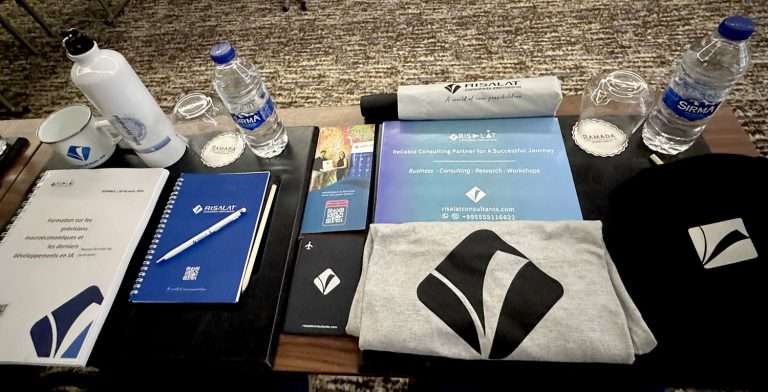
- Risalat Training Kit (Bag, Bottle, Mug, T-Shirt, Cap, Passport Cover, Pens, Notebook, Magnet & Keychain)
- Comprehensive Local Governance Planning and Community Sub-Project Fiduciary Controls in Nairobi Training Manual
- Risk Screening Checklist
- Stakeholder Engagement Plan Template
- Grievance Log Template
- Environmental and Social Monitoring Template
- Practical Workshops & Simulations
- Group Discussions & Peer Learning
- Daily Lunch and Refreshments
- Full Access to Training Venue Facilities
- Mini Pad / Tablet with Digital Learning Materials
- Field Visit (where applicable)
- Entertaining City Tour
After the Programme
- Certificate of Completion
- Risalat Programme Participation Recognition Award
- Post-Training Reference Materials
- Commitment Tracking Sheet
- Contractor Compliance Checklist
- Post-Training Support & Follow-Up Guidance
- Programme Report
Institutions can also request a tailored in-house version of this programme, delivered at their premises or online. Request a proposal.
Common Challenges in Local Governance Planning and Community Sub-Project Fiduciary Controls in Nairobi, And How This Training Helps
How can institutions screen and classify environmental and social risks?
The programme addresses this directly on the first day (Decentralised Planning and Participatory Development Frameworks), where participants practise the methods involved and adapt them to their own institution, then build it into their action plan.
How can institutions prepare and implement management plans?
The programme addresses this directly on the second day (Community-Driven Procurement and Asset Contracting), where participants practise the methods involved and adapt them to their own institution, then build it into their action plan.
How can institutions engage stakeholders meaningfully throughout the project?
The programme addresses this directly on the third day (Fiduciary Risk Management and Sub-National Financial Controls), where participants practise the methods involved and adapt them to their own institution, then build it into their action plan.
How can institutions run grievance mechanisms that resolve issues?
The programme addresses this directly on the fourth day (Financial Reporting, Bookkeeping, and Expenditure Tracking), where participants practise the methods involved and adapt them to their own institution, then build it into their action plan.
How can institutions monitor and report on commitments to financiers?
The programme addresses this directly on the fifth day (Verification Protocols, Social Accountability, and Audit Preparedness), where participants practise the methods involved and adapt them to their own institution, then build it into their action plan.
Frequently Asked Questions
When and where does the Local Governance Planning and Community Sub-Project Fiduciary Controls in Nairobi programme take place?
It runs from 15 Nov 2027 to 19 Nov 2027, in Nairobi, Kenya. The registration deadline is shown at the top of this page.
Who should attend?
The programme is designed for county commissioners, executive directors, and administrative officers from sub-national authorities, payam administrators and local community development officers, project accountants and internal auditors within decentralised delivery secretariats, fiduciary compliance specialists and finance officers managing donor-funded grants, and others who want practical skills in environmental, social and stakeholder management.
Will I receive a certificate?
Yes. Participants who complete the programme receive a Certificate of Completion from Risalat Consultants International.
Can this programme be delivered for our institution only?
Yes. We can deliver a tailored in-house version at your premises, in another city or online, built around your own cases. Use the proposal request on this page.
Do I need prior experience in environmental, social and stakeholder management?
No specialist background is required beyond experience in a related role. A short pre-assessment helps the facilitators adapt the sessions to the group.
Training courses in NairobiBusiness and Communication training courses
Why Nairobi for this programme
Nairobi hosts UNEP, UN-Habitat and many regional offices, with flights across Africa.
The Local Governance Planning and Community Sub-Project Fiduciary Controls in Nairobi programme in November 2027 brings together officials and professionals from across the Africa region and beyond. Sessions combine short inputs, case studies and group work on participants' own files, and the city's institutions can be added as a study visit on request.
Getting there: Jomo Kenyatta (NBO).
Check whether you need a visa with the free Visa Checker, and ask for an invitation letter once you are registered.
The same topic in other cities
- Youth Employment Interventions and Productive Public Works in Accra (Accra)
- Women Economic Empowerment and Smallholder Enterprise Incubation in Kigali (Kigali)
- Community-Driven Development and Sub-National Grievance Handling in Kigali (Kigali)
- Climate-Smart Livestock Systems and Extension Delivery in Zanzibar (Zanzibar)
- Urban Public Works, Youth Apprenticeships and Micro-Enterprise Grants in Kigali (Kigali)
- Decentralised Public Financial Accountability in Local Admin in Muscat (Muscat)
Other programmes in Nairobi
- Decentralised Renewable Energy Concessions and Solar Hybrid Systems in Nairobi
- Women Livelihood Grants Administration and GBV Prevention Integration in Nairobi
- Environmental & Social Management Frameworks for Solar Developments in Nairobi
- Solar Resource Assessment & Distributed Rooftop PV Deployment in Nairobi
- Girls’ School Retention, Safe Learning Environments and Gender Equity in Nairobi
- Open Contracting Partnership Open Contracting Partnership
- OECD (Organisation for Economic Co-operation and Development) OECD
- United Nations Development Programme UNDP
More training courses in Kenya · All programmes in Africa · Full training calendar
Plan this programme in a roadmap: why it matters, why to approve it, the dates to plan and the career it builds.