Key facts
- Dates
- 6–9 Sep 2027 (4 days)
- Where
- Mauritius, Mauritius
- Fee per participant
- £2,200 (GBP)
- Payment
- By invoice and bank transfer
- Registration closes
- 7 Aug 2027
- Who it is for
- Commercial regulatory officers reviewing business rules; Investment climate and business environment advisors; Public administrative reform and mod…
- Certificate
- Certificate of completion
- In-house option
- Run it for your team, on your dates
On this page 13 sections
Programme Overview
Private Sector Regulatory Impact Assessment and Business Licensing in Mauritius provides rigorous, practical training on systematic administrative simplification and evidence-based rulemaking. Designed for professionals steering ease of doing business programmes, this course covers modern methodologies to assess commercial legislation before enactment. Participants analyse real-world institutional setups, international regulatory standards, and transparent public consultation mechanisms that protect the public interest while cutting avoidable overheads for micro, small, and medium-sized enterprises across diverse island economies.
Delegates will explore practical techniques for regulatory impact analysis, standard cost modelling, and end-to-end licensing workflow re-engineering. Through guided sessions, attendees examine how to identify compliance bottlenecks, map administrative burdens, and apply risk-based verification rather than universal ex-ante inspections. The curriculum addresses digital transformation pathways, including single electronic windows and inter-agency data exchange, ensuring that licensing frameworks facilitate formalisation, support private enterprise growth, and foster regional competitiveness in high-value services and sustainable tourism.
The programme equips teams to design actionable reform roadmaps tailored to small island developing states. Participants review international good practice from institutions such as the World Bank Group and OECD to eliminate overlapping permits, introduce statutory review periods, and implement silent-is-consent rules. By testing modern appraisal templates on live case studies, practitioners leave with the skills needed to draft targeted policies, reduce compliance costs, and build agile commercial registries capable of adapting to emerging economic priorities.
Governments across the region are accelerating institutional measures to modernise their domestic investment climates and diversify economic revenue streams. This imperative directly reflects policy priorities under the Seychelles First Sustainable and Inclusive Growth Development Policy Operation, which targets structural improvements in commercial regulation, transparent permitting, and streamlined administrative procedures. As international development partners emphasise sustainable private sector growth and fiscal resilience, regulatory bodies require immediate, capable technical capacity to appraise proposed business legislation rigorously and deploy automated, risk-based licensing frameworks.
Delivered by Risalat Consultants International in Mauritius, it combines expert-led sessions, real cases and group work, so that participants can apply what they learn in their own institution.
The Programme Strengthens Institutional Capability
- Core principles of regulatory impact assessment in small island economies
- OECD and World Bank guidelines for regulatory quality and good governance
- Defining policy problems and articulating clear regulatory objectives
- Assessing regulatory and non-regulatory alternatives including market-based mechanisms
- Establishing systematic stakeholder consultation and transparent scrutiny protocols
- Introduction to the Standard Cost Model for administrative burden measurement
- Mapping procedural steps, documentation demands, and processing timelines
- Differentiating substantive compliance costs from avoidable administrative friction
- Theory of change and results chains
- Logical frameworks and results frameworks
- SMART indicators, baselines and targets
- Data collection methods and tools
It is designed for commercial regulatory officers reviewing business rules, investment climate and business environment advisors, public administrative reform and modernisation specialists and others who want practical, current skills in monitoring and evaluation.
- Collect
- Clean
- Store
- Analyse
- Decide
The Growing Importance of Private Sector Regulatory Impact Assessment and Business Licensing in Mauritius
Governments and financiers want to know what changed, not only what was spent. Results frameworks, indicators and credible evidence now decide how programmes are judged and whether they receive further funding.
Many teams collect large amounts of data but struggle to turn it into decisions. Strong monitoring and evaluation links activities to results, shows progress early and supports learning across the institution.
Organisations increasingly require professionals capable of:
- Design results frameworks with measurable indicators
- Collect and check data that can be trusted
- Analyse progress and explain variances
- Plan and manage evaluations
- Use evidence to adjust plans and report results
Strong monitoring and evaluation systems help organisations:
- Show results clearly to financiers and citizens
- Detect delays and problems early
- Improve the quality of decisions
- Meet reporting and evaluation requirements
This Private Sector Regulatory Impact Assessment and Business Licensing in Mauritius programme brings these elements together in a practical format, so that participants understand not only what good practice looks like but also how to introduce it in their own setting, with the people and resources they have.
Who Should Attend This Private Sector Regulatory Impact Assessment and Business Licensing in Mauritius Training?
This programme is designed for:
- Commercial regulatory officers reviewing business rules
- Investment climate and business environment advisors
- Public administrative reform and modernisation specialists
- Registrars of companies and commercial registration staff
- Sectoral licensing directors from trade and tourism ministries
- Legal draftsmen and legislative scrutiny analysts
- Government digital transformation and e-service leads
- Donor-funded project implementation unit (PIU) specialists
- Policy analysts from ministries of finance and economic planning
- M&E officers and managers
- Project and programme managers
- PIU staff responsible for reporting
The programme suits experienced professionals as well as those moving into new responsibilities. Groups that mix institutions and countries are encouraged, because participants learn a great deal from each other’s experience.
Tick what your team needs to be able to do.
Private Sector Regulatory Impact Assessment and Business Licensing in Mauritius Training Objectives
Upon successful completion of this Private Sector Regulatory Impact Assessment and Business Licensing in Mauritius Training, participants will be able to:
- Apply regulatory impact assessment principles to evaluate proposed commercial regulations
- Measure administrative compliance costs on enterprises using standard cost model techniques
- Redesign business licensing workflows to remove redundant procedural requirements
- Integrate risk-based principles into pre-establishment inspections and ongoing compliance regimes
- Formulate public consultation strategies that incorporate structured private sector feedback
- Assess institutional requirements for business licensing automation and single-window interoperability
- Draft a practical, sequenced regulatory simplification roadmap for target economic sectors
- Build a theory of change and results chain for a programme
- Design a results framework with SMART indicators
- Set baselines, targets and means of verification
Each objective is practised during the programme through exercises, cases or group work, so that participants leave able to do it, not only to describe it.
Programme Contents and Structure
- Core principles of regulatory impact assessment in small island economies
- OECD and World Bank guidelines for regulatory quality and good governance
- Defining policy problems and articulating clear regulatory objectives
- Assessing regulatory and non-regulatory alternatives including market-based mechanisms
- Establishing systematic stakeholder consultation and transparent scrutiny protocols
- Introduction to the Standard Cost Model for administrative burden measurement
- Mapping procedural steps, documentation demands, and processing timelines
- Differentiating substantive compliance costs from avoidable administrative friction
- Data gathering strategies for small business compliance overheads
- Hands-on exercise calculating administrative burdens in retail and service permits
- Conducting comprehensive regulatory guillotine and licensing rationalisation exercises
- Applying risk-based classification to replace ex-ante approvals with ex-post audits
- Legal instruments for administrative certainty: silent-is-consent and one-in-one-out rules
- Designing sector-specific licensing reviews for commercial trade, tourism, and services
- Inter-agency coordination mechanisms to eliminate overlapping agency inspections
- Architectural prerequisites for automated licensing systems and digital registries
- Interoperability standards and data-sharing protocols across inspection bodies
- Monitoring and evaluation frameworks for business climate interventions
- Overcoming institutional resistance to deregulation and automated services
- Drafting and presenting institutional regulatory reform and automation roadmaps
Full day-by-day contents
The programme runs over 4 days. Each day combines expert input, practical work and a closing workshop or case study:
- First Day: Regulatory Impact Assessment Foundations and Legal Scrutiny
- Second Day: Quantifying Compliance Costs and Administrative Burden Mapping
- Third Day: Business Licensing Rationalisation and Risk-Based Inspection
- Fourth Day: Digital Business Licensing, Governance, and Reform Roadmaps
Full day-by-day contents
First Day | Regulatory Impact Assessment Foundations and Legal Scrutiny
- Core principles of regulatory impact assessment in small island economies
- OECD and World Bank guidelines for regulatory quality and good governance
- Defining policy problems and articulating clear regulatory objectives
- Assessing regulatory and non-regulatory alternatives including market-based mechanisms
- Establishing systematic stakeholder consultation and transparent scrutiny protocols
Workshop: Regulatory Impact Assessment Foundations and Legal Scrutiny: Applying It to Your Institution
Working in small groups, participants apply the day's methods to examples from their own institutions and agree practical next steps.
Second Day | Quantifying Compliance Costs and Administrative Burden Mapping
- Introduction to the Standard Cost Model for administrative burden measurement
- Mapping procedural steps, documentation demands, and processing timelines
- Differentiating substantive compliance costs from avoidable administrative friction
- Data gathering strategies for small business compliance overheads
- Hands-on exercise calculating administrative burdens in retail and service permits
Workshop: Quantifying Compliance Costs and Administrative Burden Mapping: Applying It to Your Institution
Working in small groups, participants apply the day's methods to examples from their own institutions and agree practical next steps.
Third Day | Business Licensing Rationalisation and Risk-Based Inspection
- Conducting comprehensive regulatory guillotine and licensing rationalisation exercises
- Applying risk-based classification to replace ex-ante approvals with ex-post audits
- Legal instruments for administrative certainty: silent-is-consent and one-in-one-out rules
- Designing sector-specific licensing reviews for commercial trade, tourism, and services
- Inter-agency coordination mechanisms to eliminate overlapping agency inspections
Case Study: Business Licensing Rationalisation and Risk-Based Inspection in Practice
Participants analyse a realistic case, compare the choices made with good practice and draw lessons they can use in their own setting.
Fourth Day | Digital Business Licensing, Governance, and Reform Roadmaps
- Architectural prerequisites for automated licensing systems and digital registries
- Interoperability standards and data-sharing protocols across inspection bodies
- Monitoring and evaluation frameworks for business climate interventions
- Overcoming institutional resistance to deregulation and automated services
- Drafting and presenting institutional regulatory reform and automation roadmaps
Capstone Exercise: Private Sector Regulatory Impact Assessment and Business Licensing in Mauritius Action Plan for Your Institution
Participants bring the week together in an action plan for their own institution, with priorities, owners and first steps, and present it for feedback from peers and facilitators.
Private Sector Regulatory Impact Assessment and Business Licensing in Mauritius Training Methodology
The training employs a participatory, adult-learning methodology centred on practical policy exercises, interactive lectures, and case assessments. Participants evaluate regulatory documents, calculate administrative compliance costs using standard cost model templates, and draft process maps for existing licensing procedures. Facilitated group work encourages comparative analysis between Mauritius and Seychelles, enabling delegates to simulate inter-agency coordination, conduct multi-criteria options analysis, and produce complete reform roadmaps directly applicable to their institutional mandates.
The programme combines:
- Expert-led sessions on current practice
- Regional and international case studies
- Group work and practical exercises
- Simulations and role plays where relevant
- Discussion of participants' own challenges
- Peer learning across institutions and countries
- Practical tools and templates to take back to work
- Daily reflection and action planning
Before the programme, a short pre-assessment helps the facilitators understand each participant’s role and priorities, so that examples and exercises can be adjusted to the group. Each day ends with a short reflection in which participants note what they will apply at work.
- Inputs
- Activities
- Outputs
- Outcomes
- Impact
Expected Outcomes
Upon completion of this Private Sector Regulatory Impact Assessment and Business Licensing in Mauritius Training, participants will be able to:
- Competence in drafting comprehensive Regulatory Impact Statements for proposed commercial rules
- Ability to calculate enterprise administrative costs using the Standard Cost Model methodology
- Capability to identify and eliminate obsolete, duplicative business licences across sectors
- Practical skill in designing risk-based inspection policies that reduce business interruptions
- Readiness to formulate functional requirements for digital licensing and e-registry portals
- A completed, sequenced administrative simplification roadmap ready for domestic adoption
- Design results frameworks with measurable indicators
- Set baselines and targets that can be tracked
Participants leave with a personal action plan and practical tools they can use in their institution from the first week back. Institutions that send several participants can use the programme to agree shared methods and templates across teams, which makes improvements easier to sustain.
£2,200 per participant · invoice and bank transfer · groups of 5 or more receive a discount
Five or more from one organisation: ask for the group rate on the invoice request.
Ten or more: an in-house version for your institution may cost less per person. Ask for an in-house quote.
Registration closes in 268 days (7 Aug 2027)
Institutional Application of Private Sector Regulatory Impact Assessment and Business Licensing in Mauritius Training
This programme supports organisations in strengthening:
- Results frameworks
- Indicator systems
- Data quality
- Evaluation planning
- Results reporting
Participants return with practical tools to improve:
- Indicator reference sheets
- Data collection tools
- Progress reports
- Evaluation terms of reference
- Learning reviews
The programme is built so that learning moves from the classroom into the institution. Participants work on their own processes and documents where possible, and leave with an action plan that their managers can review and support.
Regional Relevance & Application
Europe
European institutions apply monitoring and evaluation within detailed regulatory frameworks and reform agendas. Participants from Europe can compare their practice with colleagues from other regions and test how established methods work under different conditions.
Africa
Across Africa, ministries, agencies and project teams working in monitoring and evaluation increasingly operate alongside donor-financed programmes that expect clear systems and evidence. The programme helps participants adapt good practice to the institutions and resources they work with.
Middle East
In the Middle East, national development strategies and diversification plans place growing demands on monitoring and evaluation. Participants explore how to build the capability these plans need inside public bodies and companies.
Asia
Institutions across Asia combine rapid growth with ambitious modernisation programmes. Participants from Asia can share their experience of scaling systems quickly and learn from approaches used elsewhere.
Pacific
Small island and Pacific states face particular constraints of size, distance and capacity. The programme highlights practical, proportionate approaches to monitoring and evaluation that suit smaller institutions.
Holding the programme in Mauritius brings participants together away from their daily pressures, so they can compare how monitoring and evaluation is handled in different settings. The same programme can also be delivered in-house for one institution, in its own country or online, with cases taken from its current work.
Host Country Profile – Mauritius
Risalat Consultants International runs open-enrolment training programmes in Mauritius, Mauritius for officials, project teams and professionals from across the region. Dates, fees and what each programme covers are listed above, and any programme can also be delivered in-house for your institution.
Studying away from their own country gives participants time to focus, a fresh view of their own institution and the chance to build a network with colleagues from other countries.
Private Sector Regulatory Impact Assessment and Business Licensing in Mauritius Training Deliverables
Participants receive support before, during and after the programme, so that preparation, learning and follow-up form one continuous experience.
Before the Programme
- Participant Pre-Assessment
- Private Sector Regulatory Impact Assessment and Business Licensing in Mauritius Readiness Assessment
- Private Sector Regulatory Impact Assessment and Business Licensing in Mauritius Resource Pack
- Preparatory Reading Materials
- Complimentary Visa Support & Advisory
During the Programme
- Airport Pickup & Welcome Assistance
- Accommodation with Breakfast
- Welcome Networking Dinner
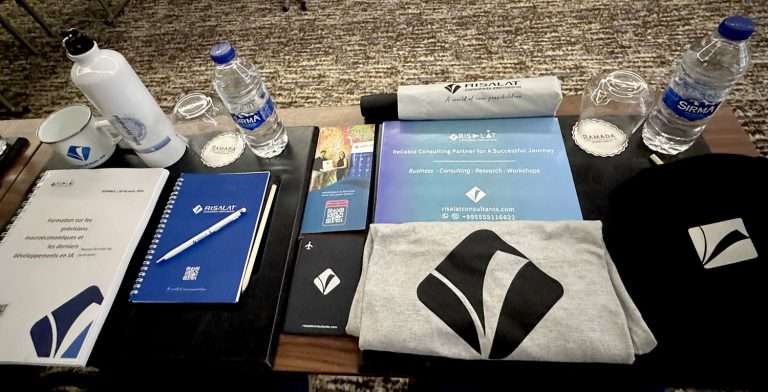
- Risalat Training Kit (Bag, Bottle, Mug, T-Shirt, Cap, Passport Cover, Pens, Notebook, Magnet & Keychain)
- Comprehensive Private Sector Regulatory Impact Assessment and Business Licensing in Mauritius Training Manual
- Theory of Change Template
- Indicator Reference Sheet Template
- Data Quality Checklist
- Evaluation Terms of Reference Template
- Practical Workshops & Simulations
- Group Discussions & Peer Learning
- Daily Lunch and Refreshments
- Full Access to Training Venue Facilities
- Mini Pad / Tablet with Digital Learning Materials
- Field Visit (where applicable)
- Entertaining City Tour
After the Programme
- Certificate of Completion
- Risalat Programme Participation Recognition Award
- Post-Training Reference Materials
- Results Framework Review Guide
- Progress Report Template
- Post-Training Support & Follow-Up Guidance
- Programme Report
Institutions can also request a tailored in-house version of this programme, delivered at their premises or online. Request a proposal.
Common Challenges in Private Sector Regulatory Impact Assessment and Business Licensing in Mauritius, And How This Training Helps
How can institutions design results frameworks with measurable indicators?
The programme addresses this directly on the first day (Regulatory Impact Assessment Foundations and Legal Scrutiny), where participants practise the methods involved and adapt them to their own institution, then build it into their action plan.
How can institutions collect and check data that can be trusted?
The programme addresses this directly on the second day (Quantifying Compliance Costs and Administrative Burden Mapping), where participants practise the methods involved and adapt them to their own institution, then build it into their action plan.
How can institutions analyse progress and explain variances?
The programme addresses this directly on the third day (Business Licensing Rationalisation and Risk-Based Inspection), where participants practise the methods involved and adapt them to their own institution, then build it into their action plan.
How can institutions plan and manage evaluations?
The programme addresses this directly on the fourth day (Digital Business Licensing, Governance, and Reform Roadmaps), where participants practise the methods involved and adapt them to their own institution, then build it into their action plan.
How can institutions use evidence to adjust plans and report results?
The programme addresses this directly on the first day (Regulatory Impact Assessment Foundations and Legal Scrutiny), where participants practise the methods involved and adapt them to their own institution, then build it into their action plan.
Frequently Asked Questions
When and where does the Private Sector Regulatory Impact Assessment and Business Licensing in Mauritius programme take place?
It runs from 6 Sep 2027 to 9 Sep 2027, in Mauritius. The registration deadline is shown at the top of this page.
Who should attend?
The programme is designed for commercial regulatory officers reviewing business rules, investment climate and business environment advisors, public administrative reform and modernisation specialists, registrars of companies and commercial registration staff, and others who want practical skills in monitoring and evaluation.
Will I receive a certificate?
Yes. Participants who complete the programme receive a Certificate of Completion from Risalat Consultants International.
Can this programme be delivered for our institution only?
Yes. We can deliver a tailored in-house version at your premises, in another city or online, built around your own cases. Use the proposal request on this page.
Do I need prior experience in monitoring and evaluation?
No specialist background is required beyond experience in a related role. A short pre-assessment helps the facilitators adapt the sessions to the group.
Who Will Deliver This Programme
Each date is delivered by a team assigned from Risalat's expert network for this subject. For this programme we assign:
How we choose them: Experience in the region of the participants or comparable settings; Command of the financier rules that apply (World Bank, ADB, AfDB, EU, UN) where relevant; Delivery in English; other languages on request for in-house groups; No conflict of interest with participants' institutions.
Names and short CVs of the assigned experts are shared with registered participants and sponsoring organisations before the programme, on request. Are you an expert in this subject? Join our expert network.
Training courses in MauritiusBusiness and Communication training courses
Why Mauritius for this programme
Mauritius combines strong public institutions with a retreat setting.
The Private Sector Regulatory Impact Assessment and Business Licensing in Mauritius programme in September 2027 brings together officials and professionals from across the Africa region and beyond. Sessions combine short inputs, case studies and group work on participants' own files, and the city's institutions can be added as a study visit on request.
Getting there: Sir Seewoosagur Ramgoolam (MRU).
Check whether you need a visa with the free Visa Checker, and ask for an invitation letter once you are registered.
The same topic in other cities
- Rural Electrification Grid Extension and Line Construction in Kigali (Kigali)
- Policy-Based Guarantees and Sovereign Debt De-risking Structuring in Brussels (Brussels)
- Perennial Crop Export Logistics and Phytosanitary Certification Systems in Brussels (Brussels)
- Blue Economy Sector Governance and Investment Frameworks in Cape Town (Cape Town)
- Island Waste Segregation and Circular Material Recovery Models in Mauritius (Mauritius)
- Social Assistance Labour Activation and Graduation Pathways in Cape Town (Cape Town)
Other programmes in Mauritius
- Social Welfare Case Management and Re-Certification Systems in Mauritius
- Payment System Interoperability and Retail Financial Infrastructure in Mauritius
- Port Infrastructure Rehabilitation and Interisland Terminal Works in Mauritius
- Cyclone-Resilient Housing Reconstruction and Building Standards in Mauritius
Related: Enterprise and SME development programmes · free Training Needs Assessment · all programmes
- OECD (Organisation for Economic Co-operation and Development) OECD
- United Nations Development Programme UNDP
- Open Contracting Partnership Open Contracting Partnership
For teams and institutions
Bring your team
Teams that learn together apply more at work. Tell us how many people and how you would like to take part: we reply with a group quote within two working days.
More training courses in Mauritius · All programmes in Africa · Full training calendar
Plan this programme in a roadmap: why it matters, why to approve it, the dates to plan and the career it builds.