Programme Overview
International development and mega-infrastructure projects bring together diverse teams from government agencies, international consultants, donor institutions, and contractors often representing many different parts of the world with distinct ways of working, communicating, and making decisions.
In these complex environments, miscommunication, cultural misunderstandings, contrasting decision-making styles, and differing expectations can quickly become hidden barriers that slow implementation, create tension, and undermine project performance, highlighting the critical importance of Cross-Cultural Communication in International Projects.
This intensive 5-day programme equips participants with the practical skills, tools, and cultural intelligence needed to communicate with clarity, collaborate confidently, and lead multicultural project teams with professionalism, diplomacy, and cultural awareness.
Explore This Programme
Interactive overview
- Improved cultural intelligence (CQ)
- Clearer and more effective cross-cultural communication
- Stronger relationship-building and trust
- Better negotiation and conflict-management skills
- Enhanced ability to lead multicultural teams
- More effective meetings and stakeholder coordination
Tick what your team needs to be able to do.
Target Audience
This Training Course is designed for:
- PIU officials (World Bank, ADB, EBRD-funded projects)
- Ministry-level project teams
- Infrastructure, energy, water & digital transformation project staff
- Engineers, procurement staff, M&E officers
- International relations / donor coordination units
- Consultants, contractors, and project managers
- Private sector companies engaging with foreign partners
Course Objectives
By the end of this programme on Cross-Cultural Communication in International Projects, participants will be able to:
- Build strong intercultural communication competence (CQ)
- Understand cultural dimensions affecting project delivery
- Communicate more clearly with diverse consultants, contractors, and donors
- Manage conflict arising from cultural misunderstandings
- Adapt leadership and negotiation styles for different cultures
- Improve relationship-building and trust in multicultural teams
- Navigate hierarchical vs. egalitarian cultures
- Conduct more effective donor meetings, technical discussions, and site briefings
- Avoid communication errors that delay project implementation
Programme Contents
DAY 1 – Foundations of Cross-Cultural Communication
Module 1: Understanding Culture & Cultural Intelligence (CQ)
- Why cross-cultural skills matter in international projects
- Layers of culture: values, norms, behaviors
- CQ framework: knowledge, strategy, motivation, action
Module 2: Cultural Dimensions & Their Impact on Projects
(Hofstede, GLOBE, Lewis Model)
- Power distance
- Individualism vs collectivism
- Communication context (high vs low)
- Time orientation (strict vs flexible)
- Universalism vs particularism
DAY 2 – Communication Patterns Across Cultures
Module 3: High-Context vs Low-Context Communication
- Written vs verbal communication differences
- How misunderstandings arise in technical instructions
- Case studies from infrastructure & energy projects
Module 4: Direct vs Indirect Communication Styles
- How different cultures give feedback
- How to avoid unintentional offense
- Managing silence, pauses, and non-verbal cues
DAY 3 – Cultural Approaches to Leadership & Decision-Making
Module 5: Hierarchical vs Egalitarian Cultures
- How authority is perceived
- Escalation procedures
- Meeting dynamics across cultures
Module 6: Project Management Through a Cultural Lens
- Multicultural team leadership
- Delegation styles
- Culturally sensitive supervision
DAY 4 – Negotiation, Conflict, and Donor Communication
Module 7: Cross-Cultural Negotiation Techniques
- Bargaining strategies across cultures
- Avoiding deadlocks
- When to use formal vs informal channels
Module 8: Conflict Management in Multicultural Teams
- Dispute resolution styles (assertive, collaborative, avoiding)
- Cultural triggers for conflict
- Handling misunderstandings in virtual communication
DAY 5 – Practical Tools for International Project Success
Module 9: Intercultural Communication in Donor-Funded Projects
- Communication styles used in WB, ADB, and EBRD-funded projects
- Preparing cross-cultural progress reports
- Conducting effective meetings and supervision missions
Module 10: Building Trust, Rapport & Long-Term Partnerships
- Relationship-building strategies
- Hosting international visitors
- Professional etiquette across cultures (Chinese, Turkish, Western, Gulf, etc.)
Programme Methodology
- Interactive lectures + discussions
- Real case studies from global projects
- Role-plays and negotiation simulations
- Group activities and peer feedback
- Videos, cultural mapping tools, CQ assessments
- Practical problem-solving workshops
- Daily reflections on real-life workplace challenges
Expected Outcome
Key Outcomes of the Cross-Cultural Communication in International Projects Training in Barcelona
- Improved cultural intelligence (CQ)
- Clearer and more effective cross-cultural communication
- Stronger relationship-building and trust
- Better negotiation and conflict-management skills
- Enhanced ability to lead multicultural teams
- More effective meetings and stakeholder coordination
- Ability to identify and prevent cultural misunderstandings
- Improved overall project collaboration and performance
Host Country Profile
Barcelona stands as one of Europe’s most vibrant multicultural cities, making it an exceptional setting for a cross-cultural communication programme. With its rich blend of European, Latin American, Mediterranean, Middle Eastern, and international communities, the city offers a living laboratory of diverse communication styles, cultural norms, and global perspectives. Home to multinational companies, international organizations, creative industries, and a thriving expatriate population, Barcelona provides participants with real exposure to multicultural dynamics that mirror modern international project environments. Its inspiring architecture, welcoming atmosphere, and world-class training facilities further enhance the learning experience, creating the ideal backdrop for developing cultural intelligence, global collaboration skills, and international leadership capacity.
Course Deliverables
Participants will enjoy a full-service experience that covers everything needed before, during, and after the programme:
Before the Programme
- Participant Pre-Assessment to ensure effective preparation
- Complimentary Visa Support & Advisory (E-visa applications are fully processed by our team)
During the Programme
- Airport Pickup & Welcome Assistance
- Accommodation with Breakfast for the full duration
- Welcome Dinner for networking and connecting with fellow Participants & the Risalat Team
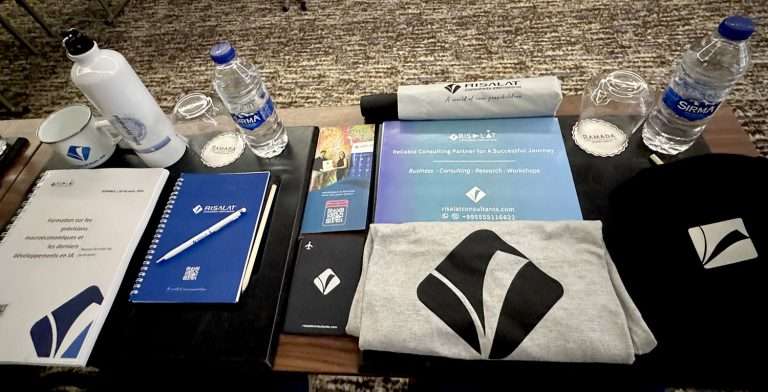
- Risalat Training Kit, including: bag, water bottle, coffee mug, t-shirt, cap, passport cover, pens, notebook, magnet, keychain
- Lunch Provided Daily during training days
- Comprehensive Course Manual & Training Materials
- Project-Based Templates, Tools, and Worksheets
- Mini Pad / Tablet for convenient access to digital resources
- Digital Case Studies, Reading Packs & Reference Materials
- Access to Sample Datasets & Practical Exercises
- Field Visit (where applicable)
- Complimentary Refreshments & Full Training Venue Facilities
- Access to Online Learning Resources
- Entertaining City Tour
- Certificate of Completion
- Risalat Programme Participation Recognition Award
After the Programme
- Post-Training Support & Follow-Up Guidance
- Programme Report