Key facts
- Dates
- 1–5 Mar 2027 (5 days)
- Where
- Tugcu Hotel, Bursa, Türkiye
- Fee per participant
- £4,780 (GBP)
- Payment
- By invoice and bank transfer
- Registration closes
- 10 Jan 2027
- Certificate
- Certificate of completion
- In-house option
- Run it for your team, on your dates
On this page 15 sections
Programme Overview
Ports continue to be important transportation hubs facilitating the movement of goods worldwide. As trade expands globally ports are expected to strengthen their capacities by increasing efficiency and investing in infrastructure to support larger vessels. Market-responsive ports are the ones that remain competitive, attracting more businesses whilst meeting the standards of accountability. To render ports economically efficient and viable sound supervision skills and a detailed understanding of their operations are vital. This workshop and study tour has been exclusively created by Risalat to aid the development of port supervisors and other professionals that are heavily involved in operational activities associated with cargo and passenger transfer. Throughout this programme, we will cover the types and functions of port terminals in-depth as well as their management, operation, and maintenance.
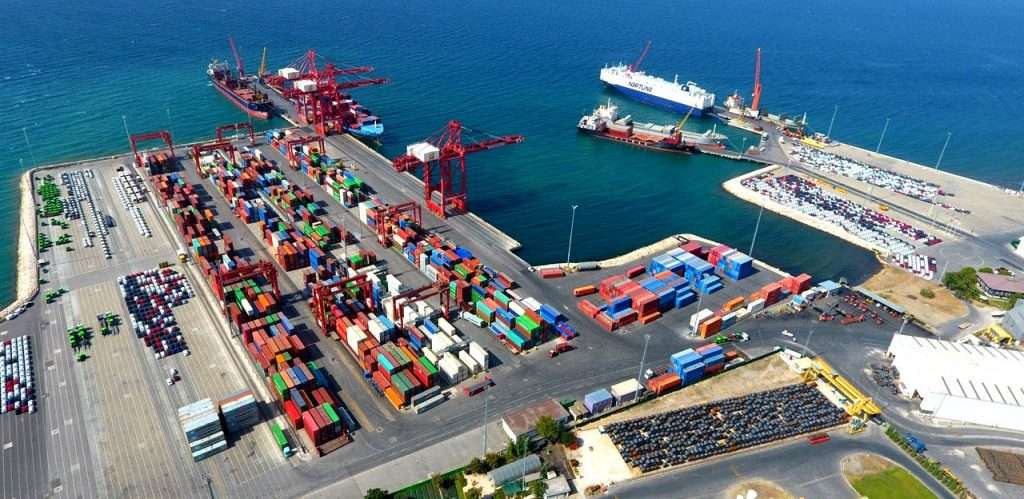
Host Country Profile Located on the Euro-Asia Border, Türkiye is a significant player in the international shipping arena. For the year 2021, Turkish seaports reported handling 526.3 million tons of cargo. Local ports receive tens of thousands of vessels of different sizes yearly. The Gemlik port of Bursa is a pivotal zone for all industrial imports and is among the oldest major ports in Türkiye. Operations run 12-18 hours daily with extensions for certain periods with up to 237’000 arrivals annually.
Delivered by Risalat Consultants International in Bursa, Türkiye, it combines expert-led sessions, real cases and group work, so that participants can apply what they learn in their own institution.
The Programme Strengthens Institutional Capability
- Ports, International Trade, and Policy
- Understanding Shipping, its role, patterns, and features
- Ship Types and Fleet
- Ports, Canals, and Waterways
- Ports and Terminals
- Port Operations and their handling
- Equipment for container and cargo handling
- Port Services
- Budget preparation and execution
- Financial reporting and accounting standards
- Cash and treasury management
- Internal control over payments and assets
It is designed for senior and mid-level managers in the port industry, port and maritime authority personnel, shipping line managers and agents and others who want practical, current skills in public financial management and finance.
The Growing Importance of Workshop
Sound financial management is the basis for credible budgets, timely payments and clean audits. Governments and financiers expect accurate reporting, disciplined budget execution and transparent use of funds.
Changes in reporting standards, digital payment systems and financier requirements mean finance teams must keep their skills current. Strong financial management also frees time and money for the services that matter.
Organisations increasingly require professionals capable of:
- Prepare and execute budgets in line with plans
- Produce accurate, timely financial reports
- Apply controls over payments and assets
- Meet financier financial management requirements
- Use financial information to support decisions
Strong public financial management and finance systems help organisations:
- Improve budget credibility and execution
- Produce reliable reports and clean audits
- Reduce payment delays and errors
- Build trust with financiers and oversight bodies
This Workshop and programme brings these elements together in a practical format, so that participants understand not only what good practice looks like but also how to introduce it in their own setting, with the people and resources they have.
Who Should Attend This Workshop and Training?
This programme is designed for:
- Senior and mid-level managers in the port industry
- Port and maritime authority personnel
- Shipping line managers and agents
- Freight, cargo, and logistics service providers
- Government personnel, regulators, and planners
- Infrastructure and investment managers
- Finance managers and accountants
- Budget officers and analysts
- Treasury and cash management staff
- Financial management specialists in PIUs
- Internal auditors
- CFOs and finance directors
The programme suits experienced professionals as well as those moving into new responsibilities. Groups that mix institutions and countries are encouraged, because participants learn a great deal from each other’s experience.
Tick what your team needs to be able to do.
Workshop and Training Objectives
Upon successful completion of this Workshop and Training, participants will be able to:
- Understand the importance and role of ports as well as their patterns of operation
- Comprehend port operations and their handling in detail
- Analyze the possibilities of developing ports and their infrastructure
- Assess port viability as well as its financial standing and effectiveness of pricing
- Form a detailed understanding of all business areas essential to port managers and supervisors
- Define tech solutions that may be applied to the development of specific ports
- Work on the enhancement of port capabilities and operational effectiveness
- Explain the budget cycle and the role of each actor
- Prepare and monitor budgets linked to plans
- Apply the main principles of the relevant reporting standards
Each objective is practised during the programme through exercises, cases or group work, so that participants leave able to do it, not only to describe it.
Programme Contents and Structure
- Ports, International Trade, and Policy
- Port Operations and their handling
- People Management and Labor in Ports
- Contemporary Ports and Sustainability
- The budget cycle from planning to audit
- Roles of finance, planning and oversight
- Legal and institutional framework
- Understanding Shipping, its role, patterns, and features
- Equipment for container and cargo handling
- Port Economics, Pricing, and Financing
- Exposure visits around the local port and real-time observance of port operations
- Budget preparation and costing
- Budget execution and commitment control
- Variance analysis and reallocations
- Ship Types and Fleet
- Port Services
- HSE in Port Operations
- Panel meeting with local port management and exchange of knowledge and best practices
- Reporting standards in practice
- Chart of accounts and classification
- Financial statements and interim reports
- Ports, Canals, and Waterways
- Developing Ports
- Essential Skills for Port Managers and Supervisors
- Study visits on port technology, automation, and their application
- Payment controls and approvals
- Cash and treasury management
- Asset registers and inventories
- Ports and Terminals
- Port Masterplans and Engineering
- Technology and Automation in Port Operations
- Audit preparation and evidence
- Responding to audit findings
- Financial analysis and indicators
- Reporting to management and financiers
Full day-by-day contents
The programme runs over 5 days. Each day combines expert input, practical work and a closing workshop or case study:
- First Day: Financial management foundations
- Second Day: Budgeting and execution
- Third Day: Accounting and reporting
- Fourth Day: Controls, cash and assets
- Fifth Day: Technical Visits, International Practice & Institutional Action Planning
Full day-by-day contents
First Day | Financial management foundations
- Ports, International Trade, and Policy
- Port Operations and their handling
- People Management and Labor in Ports
- Contemporary Ports and Sustainability
- The budget cycle from planning to audit
- Roles of finance, planning and oversight
- Legal and institutional framework
- Common weaknesses and their causes
Workshop: Financial management foundations: Applying It to Your Institution
Working in small groups, participants apply the day's methods to examples from their own institutions and agree practical next steps.
Second Day | Budgeting and execution
- Understanding Shipping, its role, patterns, and features
- Equipment for container and cargo handling
- Port Economics, Pricing, and Financing
- Exposure visits around the local port and real-time observance of port operations
- Budget preparation and costing
- Budget execution and commitment control
- Variance analysis and reallocations
- Medium-term planning links
Workshop: Budgeting and execution: Applying It to Your Institution
Working in small groups, participants apply the day's methods to examples from their own institutions and agree practical next steps.
Third Day | Accounting and reporting
- Ship Types and Fleet
- Port Services
- HSE in Port Operations
- Panel meeting with local port management and exchange of knowledge and best practices
- Reporting standards in practice
- Chart of accounts and classification
- Financial statements and interim reports
- Reconciliations and closing
Case Study: Accounting and reporting in Practice
Participants analyse a realistic case, compare the choices made with good practice and draw lessons they can use in their own setting.
Fourth Day | Controls, cash and assets
- Ports, Canals, and Waterways
- Developing Ports
- Essential Skills for Port Managers and Supervisors
- Study visits on port technology, automation, and their application
- Payment controls and approvals
- Cash and treasury management
- Asset registers and inventories
- Fraud risks in finance
Workshop: Controls, cash and assets: Applying It to Your Institution
Working in small groups, participants apply the day's methods to examples from their own institutions and agree practical next steps.
Fifth Day | Technical Visits, International Practice & Institutional Action Planning
- Ports and Terminals
- Port Masterplans and Engineering
- Technology and Automation in Port Operations
- Audit preparation and evidence
- Responding to audit findings
- Financial analysis and indicators
- Reporting to management and financiers
- Personal action plan for your unit
Capstone Exercise: Workshop and Action Plan for Your Institution
Participants bring the week together in an action plan for their own institution, with priorities, owners and first steps, and present it for feedback from peers and facilitators.
Workshop and Training Methodology
The Workshop and Study Tour on Port Operations and Supervision in Bursa, Türkiye is a highly practical programme exclusively designed by Risalat. Content is scheduled to be delivered alongside modern adult-learning principles with a key focus on the practical application of the material covered. Workshop sessions will ensure to formation essential understanding of needed concepts and practices. Case studies and video demonstrations will be used to reinforce participant comprehension and complement tailored group assignments. Study tours shall be aimed at the exchange of best practices and knowledge transfer between the partner organization and the delegates.
The programme combines:
- Expert-led sessions on current practice
- Regional and international case studies
- Group work and practical exercises
- Simulations and role plays where relevant
- Discussion of participants' own challenges
- Peer learning across institutions and countries
- Technical visits to institutions and sites
- Daily reflection and action planning
Before the programme, a short pre-assessment helps the facilitators understand each participant’s role and priorities, so that examples and exercises can be adjusted to the group. Each day ends with a short reflection in which participants note what they will apply at work.
Technical Visits and Site Programme
The programme includes visits to institutions, projects or sites in and around Bursa where participants see current practice at first hand and meet the professionals responsible. Visits are confirmed with the host organisations before the programme and may change for operational reasons.
- Briefings by host institutions on their approach and results
- Guided site visits with time for questions
- Structured observation notes for each visit
- Group debrief linking what was seen to participants' own institutions
Expected Outcomes
Upon completion of this Workshop and Training, participants will be able to:
- Prepare and monitor budgets linked to plans
- Produce accurate financial reports
- Apply sound payment and cash controls
- Meet financier financial management requirements
- Prepare for audits and close findings
- Use financial analysis in decisions
Participants leave with a personal action plan and practical tools they can use in their institution from the first week back. Institutions that send several participants can use the programme to agree shared methods and templates across teams, which makes improvements easier to sustain.
£4,780 per participant · invoice and bank transfer · groups of 5 or more receive a discount
Five or more from one organisation: ask for the group rate on the invoice request.
Ten or more: an in-house version for your institution may cost less per person. Ask for an in-house quote.
Registration closes in 64 days (10 Jan 2027)
Institutional Application of Workshop and Training
This programme supports organisations in strengthening:
- Budget preparation and execution
- Financial reporting
- Payment and cash controls
- Donor financial management
- Audit readiness
Participants return with practical tools to improve:
- Budget monitoring
- Interim financial reports
- Reconciliations
- Asset management
- Audit follow-up
The programme is built so that learning moves from the classroom into the institution. Participants work on their own processes and documents where possible, and leave with an action plan that their managers can review and support.
Regional Relevance & Application
Europe
European institutions apply public financial management and finance within detailed regulatory frameworks and reform agendas. Participants from Europe can compare their practice with colleagues from other regions and test how established methods work under different conditions.
Africa
Across Africa, ministries, agencies and project teams working in public financial management and finance increasingly operate alongside donor-financed programmes that expect clear systems and evidence. The programme helps participants adapt good practice to the institutions and resources they work with.
Middle East
In the Middle East, national development strategies and diversification plans place growing demands on public financial management and finance. Participants explore how to build the capability these plans need inside public bodies and companies.
Asia
Institutions across Asia combine rapid growth with ambitious modernisation programmes. Participants from Asia can share their experience of scaling systems quickly and learn from approaches used elsewhere.
Pacific
Small island and Pacific states face particular constraints of size, distance and capacity. The programme highlights practical, proportionate approaches to public financial management and finance that suit smaller institutions.
Holding the programme in Bursa, Türkiye brings participants together away from their daily pressures, so they can compare how public financial management and finance is handled in different settings. The same programme can also be delivered in-house for one institution, in its own country or online, with cases taken from its current work.
Host Country Profile – Türkiye
Bursa, Türkiye, is one of the cities where Risalat Consultants International runs practical training programmes for officials, project teams and professionals, with 1 programme listed here.
Studying away from their own country gives participants time to focus, a fresh view of their own institution and the chance to build a network with colleagues from other countries.
The programme takes place at Tugcu Hotel.
Workshop and Training Deliverables
Participants receive support before, during and after the programme, so that preparation, learning and follow-up form one continuous experience.
Before the Programme
- Participant Pre-Assessment
- Workshop and Readiness Assessment
- Workshop and Resource Pack
- Preparatory Reading Materials
- Complimentary Visa Support & Advisory
During the Programme
- Airport Pickup & Welcome Assistance
- Accommodation with Breakfast
- Welcome Networking Dinner
- Risalat Training Kit (Bag, Bottle, Mug, T-Shirt, Cap, Passport Cover, Pens, Notebook, Magnet & Keychain)
- Comprehensive Workshop and Training Manual
- Budget Monitoring Template
- Interim Financial Report Template
- Reconciliation Checklist
- Audit Preparation Checklist
- Practical Workshops & Simulations
- Group Discussions & Peer Learning
- Daily Lunch and Refreshments
- Full Access to Training Venue Facilities
- Mini Pad / Tablet with Digital Learning Materials
- Field Visit (where applicable)
- Entertaining City Tour
After the Programme
- Certificate of Completion
- Risalat Programme Participation Recognition Award
- Post-Training Reference Materials
- Financial Management Self-Assessment
- Payment Control Checklist
- Post-Training Support & Follow-Up Guidance
- Programme Report
Institutions can also request a tailored in-house version of this programme, delivered at their premises or online. Request a proposal.
Common Challenges in Workshop and, And How This Training Helps
How can institutions prepare and execute budgets in line with plans?
The programme addresses this directly on the first day (Financial management foundations), where participants practise the methods involved and adapt them to their own institution, then build it into their action plan.
How can institutions produce accurate, timely financial reports?
The programme addresses this directly on the second day (Budgeting and execution), where participants practise the methods involved and adapt them to their own institution, then build it into their action plan.
How can institutions apply controls over payments and assets?
The programme addresses this directly on the third day (Accounting and reporting), where participants practise the methods involved and adapt them to their own institution, then build it into their action plan.
How can institutions meet financier financial management requirements?
The programme addresses this directly on the fourth day (Controls, cash and assets), where participants practise the methods involved and adapt them to their own institution, then build it into their action plan.
How can institutions use financial information to support decisions?
The programme addresses this directly on the fifth day (Technical Visits, International Practice & Institutional Action Planning), where participants practise the methods involved and adapt them to their own institution, then build it into their action plan.
Frequently Asked Questions
When and where does the Workshop and programme take place?
It runs from 1 Mar 2027 to 5 Mar 2027, in Bursa, Türkiye (Tugcu Hotel). The registration deadline is shown at the top of this page.
Who should attend?
The programme is designed for senior and mid-level managers in the port industry, port and maritime authority personnel, shipping line managers and agents, freight, cargo, and logistics service providers, and others who want practical skills in public financial management and finance.
Will I receive a certificate?
Yes. Participants who complete the programme receive a Certificate of Completion from Risalat Consultants International.
Can this programme be delivered for our institution only?
Yes. We can deliver a tailored in-house version at your premises, in another city or online, built around your own cases. Use the proposal request on this page.
Do I need prior experience in public financial management and finance?
No specialist background is required beyond experience in a related role. A short pre-assessment helps the facilitators adapt the sessions to the group.
Training courses in BursaShips, Terminals, and Port Management training courses
Why Bursa for this programme
Bursa, Türkiye, was chosen for this programme because it is easy to reach for the participants we expect and has suitable venues for practical, interactive training.
The Workshop and Study Tour on Port Operations and Supervision programme in March 2027 brings together officials and professionals. Sessions combine short inputs, case studies and group work on participants' own files, and the city's institutions can be added as a study visit on request.
Check whether you need a visa with the free Visa Checker, and ask for an invitation letter once you are registered.
The same topic in other cities
- Accessing Climate Finance: GCF and Adaptation Fund Proposals in Nadi (Nadi)
- Strategic Leadership for Senior Government Officials in Amman (Amman)
- PPP and Infrastructure Project Finance Training for Southern African Officials in Johannesburg (Johannesburg)
- PPP and Infrastructure Project Finance Training for Southern African Officials in Cape Town (Cape Town)
- Renewable Energy Planning and Mini-Grids Training for Central Asian Officials in Tbilisi (Tbilisi)
- Digital Government and Citizen e-Services Training in Amman (Amman)
More training courses in Türkiye · All programmes in Europe · Full training calendar