

关键信息
- 日期
- 2027年2月22–26日(5天)
- 地点
- 华沙金郁金香中心酒店(波兰华沙)
- 每位学员费用
- £3,580(英镑)
- 付款
- 通过发票和银行转账付款
- 报名截止
- 2027年1月3日
- 形式
- 5-day short course: a practical capacity-building programme for government, NGO and project teams in Warsaw
- 证书
- 结业证书
- 内训选项
- 按您的日期,为您的团队专场举办
本页内容17个部分
培训项目概述
Security risk management gives humanitarian organisations a structured way to keep their most important asset, their people, from being exposed to unacceptable risk while still reaching those in need. Approaches differ between organisations because their mandates, values, risk thresholds and resources differ, but the core disciplines are shared: understanding the context, assessing threats and vulnerabilities, planning, managing incidents and meeting the duty of care.
The need is greater than ever. Humanitarian Outcomes’ Aid Worker Security Database recorded at least 280 aid workers killed in 2023, then the deadliest year on record, followed by 383 killed in 2024 and 350 in 2025. In 2025, 1,187 aid workers were victims of major security incidents, including 235 kidnapped and 280 detained or arrested. National staff carry most of this burden: in 2023 they made up 569 of 595 victims.
Funding cuts have made the task harder. The Aid Worker Security Report 2025 describes how the sudden loss of a large share of global humanitarian funding in early 2025 forced organisations to cut programmes and security posts, weakened shared security services and pushed more risk onto local partners with the fewest resources.
This Security Management for Humanitarians Training in Warsaw equips managers with a complete, practical security risk management cycle built on current good practice, including the 2025 third edition of Good Practice Review 8, Humanitarian Security Risk Management, and guidance from the Global Interagency Security Forum (GISF). It covers three areas the original programme was built on, security risk assessment, security planning and critical incident management, and adds duty of care, partnerships, digital risks and crisis management.
Warsaw is a fitting venue. Poland has been a central hub for the humanitarian response to the war in Ukraine, and UNHCR runs its country office in the city. The programme closes with an exposure visit so participants can see security management applied in practice.
The Programme Strengthens Institutional Capability
- 不安全环境下的背景分析与行动者绘图
- Security risk assessment using threat, vulnerability and impact
- Setting and communicating organisational risk thresholds
- 平衡风险与计划关键性
- Acceptance, protection and deterrence strategies
- Security plans, standard operating procedures and contingency plans
- Travel safety, movement control and communications
- Incident reporting, analysis and information management
- Critical incident and crisis management
- Hibernation, relocation and evacuation planning
- Duty of care, governance and accountability for security
- 与国家和地方组织建立伙伴关系的安全保障
- 性别、身份与以人为本的安全方法
- Digital security, disinformation and data protection
- Staff care and psychosocial support after incidents
- Security budgeting and resourcing under funding pressure
Throughout the week participants work on their own organisation’s security documents, so the outputs can be used as soon as they return.
- 收集
- 清洗
- 存储
- 分析
- 决策
The Growing Importance of Humanitarian Security Management
The security environment for aid workers has deteriorated across many contexts. In 2024 the highest numbers of victims were recorded in Gaza, Sudan and South Sudan, with Nigeria, Lebanon, Ukraine, Ethiopia, Somalia, Syria and the Democratic Republic of the Congo also among the ten most affected contexts. State actors were responsible for a growing share of deaths and detentions, and kidnappings rose sharply in 2025.
Political attention has followed. UN Security Council resolution 2730, adopted in May 2024, demands respect for the protection of humanitarian and UN personnel, gives particular attention to locally recruited staff and calls for impartial investigations. The Secretary-General’s November 2024 recommendations cover access, accountability and support for survivors. Organisations are now expected to show that their own security systems are equally robust.
各机构日益需要具备以下能力的专业人员:
- 对新址和现有场所开展结构化安全风险评估
- Translating risk analysis into clear, usable security plans
- Deciding when risk is acceptable in relation to programme criticality
- Building acceptance with communities, authorities and other actors
- Managing movements, convoys and field travel safely
- Handling serious incidents such as abduction, detention or attack
- Analysing incident data to spot trends and adjust measures
- Supporting national staff and local partners equitably
- Integrating gender and identity factors into security decisions
- Managing digital threats and misinformation targeting aid
- Briefing boards and donors on residual risk
- Coordinating with inter-agency security networks
Strong humanitarian security systems help organisations:
- 在保障员工安全的同时维持对需要帮助的人群的访问
- Meet legal and moral duty of care obligations
- Make consistent, documented decisions on risk
- Respond quickly and calmly to critical incidents
- Share risk fairly with partners rather than transferring it
- Maintain donor confidence and compliance
- Continue operations during crises and disruption
- Learn from incidents and near misses
- Protect organisational reputation and relationships
因此,安全风险管理是一项管理职责,而不仅仅是一个专业角色。审查其系统的组织可以从Risalat的免费项目健康检查开始。
来源:Humanitarian Outcomes,援助人员安全数据库数据(2026)
1. How many aid workers were killed in 2024, the deadliest year recorded?
Humanitarian Outcomes' Aid Worker Security Database recorded 383 aid workers killed in 2024 across 27 countries.
2. In 2023, what share of aid worker victims were national staff?
The Aid Worker Security Report 2024 records 569 national staff among 595 victims in 2023.
3. 哪项安全理事会决议(2024年)涉及保护人道主义和联合国人员?
Resolution 2730 was adopted on 24 May 2024 and gives particular attention to locally recruited personnel and accountability.
Who Should Attend This Humanitarian Security Management Training?
本培训项目适合:
- Country directors and heads of mission of humanitarian organisations
- Executive and senior managers of NGOs and national societies
- Security managers, advisers and focal points
- Field programme and area managers
- Operations, logistics and movement coordinators
- 人力资源和员工关怀经理
- Partnership and localisation managers
- Managers of national and local NGOs working in insecure areas
- Staff of UN agencies and international organisations responsible for field safety
- Programme managers of donor-funded projects in fragile settings
- Staff preparing for deployment to insecure environments
- Board members with responsibility for risk and duty of care
- Donor staff who review partner security arrangements
Participants need no prior security qualification. Sessions suit both managers new to security responsibility and experienced focal points updating their practice.
勾选您的团队需要具备的能力。
Humanitarian Security Management Training Objectives
Upon successful completion of this Humanitarian Security Management Training, participants will be able to:
- Describe current trends in violence against aid workers and their causes
- Distinguish safety from security and apply the core risk vocabulary
- Conduct a context analysis and security risk assessment
- Define risk thresholds and weigh them against programme criticality
- Select a balanced mix of acceptance, protection and deterrence measures
- Draft a security plan, standard operating procedures and contingency plans
- Plan hibernation, relocation and evacuation
- Respond to and manage critical incidents and crises
- Report and analyse incidents to improve decisions
- 对员工、合作伙伴和志愿者履行谨慎责任义务
- Integrate gender, identity and digital risks into security planning
- Design a security risk management framework for their organisation
每个目标都与工作坊产出相挂钩,因此参训人员离开时带走的是经过检验的草案,而非笔记。
培训项目内容与结构
- 人道主义行动中的风险概念
- 安全与安保及其不同的管理需求
- Trends from the Aid Worker Security Database, 2023–2025
- Effects of humanitarian funding cuts on security capacity
- Humanitarian principles and their operational interpretation
- Environmental scanning and context analysis
- Actor mapping: authorities, armed groups, criminal networks and communities
- Threat, vulnerability and impact as building blocks
- 风险矩阵及其局限性
- Risk thresholds, red lines and programme criticality
- Acceptance, protection and deterrence strategies
- Person-centred security and personal risk profiles
- Gender, identity and security
- 伙伴关系中的安全以及转移风险的风险
- Structure of a security plan and who it serves
- Writing usable standard operating procedures
- Travel safety, movement control and check-in systems
- Site and residence security
- Communications plans and equipment
- Security levels and phased response
- Hibernation, relocation and evacuation planning
- Incident reporting: what, when and to whom
- Incident analysis, trend tracking and information management
- Immediate response to serious incidents
- Crisis management structures and roles
- Abduction, detention and arrest of staff
- Communication with families, media and authorities during a crisis
- 事件发生期间及之后的业务连续性
- Duty of care: legal and moral obligations
- Organisational policies, governance and accountability for security
- Roles of boards, senior managers and security focal points
- Resolution 2730 (2024) and its implications for organisations
- 对当地组织的负责任伙伴关系与支持
- Inter-agency security coordination and networks
- Compliance monitoring, audits and reviews
完整的每日课程内容
The programme follows the security risk management cycle from analysis to planning, response and governance.
- Day 1: risk concepts, trends and context analysis
- Day 2: risk assessment and security strategies
- Day 3: security plans and standard procedures
- 第4天:事件与危机管理
- Day 5: duty of care, governance, exposure visit and capstone
完整的每日课程内容
First Day | Risk, Context and the Security Environment
- 人道主义行动中的风险概念
- 安全与安保及其不同的管理需求
- Trends from the Aid Worker Security Database, 2023–2025
- Effects of humanitarian funding cuts on security capacity
- Humanitarian principles and their operational interpretation
- Environmental scanning and context analysis
- Actor mapping: authorities, armed groups, criminal networks and communities
- Differing perceptions of risk across staff and organisations
- 组织分析:职责、概况和风险暴露
Workshop: Building a Context Analysis
Teams receive a fictional country brief with political, conflict, crime and community data. They map the main actors, their interests and attitudes towards aid, and identify how the organisation is perceived. Each team presents a one-page context analysis and receives challenge questions from another team, building the basis for the risk assessment on the second day.
Second Day | Security Risk Assessment and Strategy
- Threat, vulnerability and impact as building blocks
- 风险矩阵及其局限性
- Risk thresholds, red lines and programme criticality
- Acceptance, protection and deterrence strategies
- Person-centred security and personal risk profiles
- Gender, identity and security
- 伙伴关系中的安全以及转移风险的风险
- Security of national staff and locally recruited personnel
- 数字威胁、虚假信息与数据保护
Workshop: Security Risk Assessment Clinic
团队利用其背景分析评估五项威胁,对缓解前后的可能性和影响进行评分。他们根据项目关键性决定哪些风险可以接受,哪些需要对项目进行调整。主持人对各团队的结果进行比较,展示不同的假设如何导致不同的决策,以及记录这些假设的重要性。
Third Day | Security Planning and Standard Procedures
- Structure of a security plan and who it serves
- Writing usable standard operating procedures
- Travel safety, movement control and check-in systems
- Site and residence security
- Communications plans and equipment
- Security levels and phased response
- Hibernation, relocation and evacuation planning
- Medical support and emergency procedures
- Budgeting for security in proposals and project plans
Workshop: Drafting the Security Plan
Each participant drafts key sections of a security plan for their own operation or a realistic fictional one: risk summary, security levels, movement procedures and a relocation plan. Peers review drafts against a checklist drawn from GISF guidance and Good Practice Review 8, and participants revise them before the end of the day.
Fourth Day | Incident and Crisis Management
- Incident reporting: what, when and to whom
- Incident analysis, trend tracking and information management
- Immediate response to serious incidents
- Crisis management structures and roles
- Abduction, detention and arrest of staff
- Communication with families, media and authorities during a crisis
- 事件发生期间及之后的业务连续性
- Staff care, psychosocial support and recovery
- Learning reviews and after-action analysis
Case Study: Crisis Management Simulation
Participants form a crisis management team and work through a timed, escalating scenario in which a field team loses contact during a road movement. Injects test reporting lines, decision-making, family liaison and external communication. A structured debrief identifies what worked, where gaps appeared and what each participant would change in their own crisis plan.
Fifth Day | Duty of Care, Governance and Field Practice
- Duty of care: legal and moral obligations
- Organisational policies, governance and accountability for security
- Roles of boards, senior managers and security focal points
- Resolution 2730 (2024) and its implications for organisations
- 对当地组织的负责任伙伴关系与支持
- Inter-agency security coordination and networks
- Compliance monitoring, audits and reviews
- Exposure visit: security management in practice
- Action planning and peer feedback
Capstone Exercise: Organisational Security Framework Review
Teams use the framework elements set out in GISF guidance, from policy and governance to incident monitoring, crisis management and compliance, to assess a sample organisation and then their own. They combine findings from the week and the exposure visit into a prioritised improvement plan with owners, timelines and resource needs, and present it to a panel.
Humanitarian Security Management Training Methodology
The programme blends short expert inputs with practical work on realistic scenarios and participants’ own documents. Learning is cumulative: each day’s output feeds the next.
本培训项目融合了:
- Short presentations on concepts and current good practice
- Analysis of Aid Worker Security Database trends
- Context analysis and actor mapping exercises
- Risk assessment clinics with peer review
- Drafting of security plans and procedures
- A timed crisis management simulation
- Group discussion of real dilemmas raised by participants
- 性别与以人为本的安全演练
- Duty of care and governance self-assessment
- An exposure visit linked to the Ukraine response context
- Daily review and feedback
情景是虚构的或匿名的,侧重于管理决策。该项目不提供武器、近身保镖或战术训练。
技术参观与现场考察安排
The fifth day includes an exposure visit in or near Warsaw so participants can see how organisations involved in the regional response to the war in Ukraine manage safety, security and staff care in practice. Depending on availability, the visit may cover a humanitarian coordination or operations office, a refugee support service or a logistics function.
Visits are confirmed with host organisations closer to the programme dates and follow their security and confidentiality rules. Participants prepare questions in advance and the visit is followed by a structured debrief that feeds directly into the capstone exercise.
预期成果
Upon completion of this Humanitarian Security Management Training, participants will be able to:
- Lead a context analysis and security risk assessment for their operation
- Present risk decisions clearly to senior managers and boards
- Produce or revise a security plan and core procedures
- Prepare relocation and evacuation plans that staff understand
- Act effectively as a member of a crisis management team
- Improve incident reporting and use incident data in decisions
- Apply duty of care consistently to staff, volunteers and partners
- Strengthen security support to local partners
- Set out a prioritised plan for improving their organisation’s security framework
Organisations benefit from managers who can make, document and defend security decisions under pressure.
每位学员£3,580 · 通过发票和银行转账付款 · 5人及以上团体报名可享优惠
同一机构五人及以上:请在申请发票时索取团体价。
Ten or more: an in-house version for your institution may cost less per person. Ask for an in-house quote.
注册截止于 41天后 (2027年1月3日)
Institutional Application of Humanitarian Security Management Training
本培训项目帮助机构加强:
- 安全政策与最低标准
- Governance and accountability for security decisions
- Risk assessment processes across country offices
- Security plans and standard operating procedures
- Incident reporting and information management
- Crisis management structures and readiness
- Duty of care arrangements for all categories of personnel
- Security support to national and local partners
- 员工关怀与心理社会支持
- Security budgeting in proposals and projects
- Inter-agency coordination and information sharing
学员将带着实用工具回到工作岗位,以提升:
- 背景分析模板
- Security risk assessment matrices
- Security plan outlines
- 移动和出行安全检查表
- Incident report forms and logs
- Crisis management team role cards
- 搬迁和撤离规划人员
- 注意义务自我评估工具
For a broader review of systems and capacity, organisations can use Risalat’s free institutional capacity assessment alongside this programme.
区域相关性与应用
欧洲
乌克兰是2024年援助人员受害者最多的十个环境之一,支持波兰和其他邻国响应的组织管理着跨境、远程和基于伙伴的运营。这些环境需要明确的风险阈值、强有力的合作伙伴支持和经过充分练习的搬迁计划。
非洲
Sudan recorded a record 71 aid workers killed in 2025, and South Sudan, the Democratic Republic of the Congo, Nigeria, Somalia and Ethiopia were among the most affected contexts in 2024. Teams there need robust movement control, acceptance strategies and support for national staff.
中东
Gaza was the deadliest context for aid workers in 2024 and 2025, and Lebanon, Syria and Yemen also saw high levels of incidents, with Yemen accounting for about a third of state detentions of aid workers in 2025. Detention, deconfliction and crisis management are central concerns in the region.
亚洲
Afghanistan was among the contexts with significant increases in attacks on aid workers between 2023 and 2024. Organisations there need context-sensitive acceptance strategies and careful attention to gender and identity in security planning.
拉丁美洲
Haiti was identified as a high-insecurity context in 2025, where criminal violence and kidnapping shape how humanitarian organisations plan movements and protect staff.
Across regions the same management disciplines apply; the programme helps participants adapt them to their own context and partnerships.
东道国概况:波兰
Warsaw, Poland’s capital, is a well-connected European city with an international airport, modern conference facilities and a strong presence of international organisations. It offers a calm, practical setting for a demanding management programme close to one of Europe’s largest humanitarian responses.
Poland has been a key hub for the response to the war in Ukraine. UNHCR’s September 2024 fact sheet reported 970,120 refugees from Ukraine recorded in Poland, a country office and field office in Warsaw, further offices in Lublin, Rzeszów and Kraków, and a refugee response coordinating 103 organisations, most of them local. This makes Poland a useful benchmark for cross-border coordination, partnerships with local organisations and support to staff working in and around a conflict-affected country.
Poland is part of the European Union and the Schengen Area. Participants who need a visa apply for a Schengen short-stay visa through Polish consulates, and should apply early to allow for appointments and processing. Risalat provides invitation letters and visa guidance.
Humanitarian Security Management Training Deliverables
Participants receive a full package of preparation, practical tools and follow-up support.
培训开始前
- 学员课前评估
- 人道主义安全就绪评估
- Humanitarian Security Resource Pack
- 课前阅读资料
- 免费签证支持与咨询
培训期间
- 机场接机与欢迎协助
- Accommodation with breakfast: 6 nights, check-in Sunday 21 February 2027, check-out Saturday 27 February 2027 (one night before and one night after the programme)
- 欢迎交流晚宴
- Risalat培训礼包(背包、水瓶、马克杯、T恤、帽子、护照套、笔、笔记本、冰箱贴及钥匙扣)
- Comprehensive Humanitarian Security Management Training Manual
- Context Analysis Template
- Security Risk Assessment Matrix
- Security Plan and SOP Templates
- Incident Report Form and Log
- Crisis Management Team Role Cards
- Relocation and Evacuation Planner
- 实践研讨与模拟演练
- 小组讨论与同伴学习
- 每日午餐与茶歇
- 全面使用培训场地设施
- 装有数字学习资料的迷你平板电脑
- 实地考察(如适用)
- 城市休闲观光
培训结束后
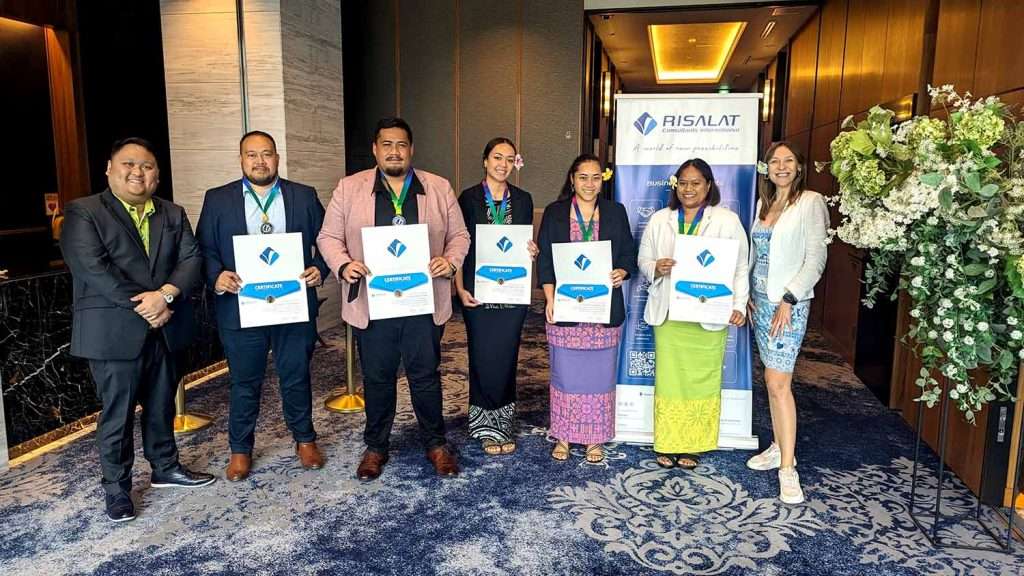
- 结业证书
- Risalat培训项目参与表彰奖
- 培训后参考资料
- Duty of Care Self-Assessment Tool
- Security Framework Improvement Plan
- 培训后支持与跟进指导
- 培训项目报告
Humanitarian organisations, UN agencies and project teams can request a tailored in-house version built around their contexts and procedures. Request a proposal and Risalat will design it with your team.
人道主义安全管理中的常见挑战,以及此培训如何提供帮助
How can we decide what level of risk is acceptable?
The second day covers risk thresholds, red lines and programme criticality, and the risk assessment clinic shows how to document and justify decisions.
如何使安全计划在实地发挥作用?
On the third day participants draft and peer review plan sections and procedures with a checklist, focusing on clarity and practicality rather than length.
How should we respond when a staff member goes missing or is detained?
The fourth day crisis simulation rehearses the first hours of such an incident, including roles, family liaison and communication.
How can we support local partners without simply transferring risk?
Sessions on the second and fifth days address responsible partnership and the shift of risk to local organisations described in recent sector reports, with practical support options.
How can security be sustained when budgets are cut?
The third day covers security budgeting in proposals, and the capstone helps participants prioritise improvements that protect people first.
我们如何更好地利用事件数据?
The fourth day covers reporting, logging and trend analysis so incidents and near misses inform decisions rather than sitting in files.
How can boards and senior managers meet their duty of care?
The fifth day sets out governance roles and accountability, and the capstone produces a framework review leaders can act on. Teams can also benchmark wider systems with Risalat’s governance audit.
常见问题
Is this a tactical or close protection course?
No. It is a management programme on security risk management, planning, incident response and duty of care. It does not include weapons or tactical training.
它遵循哪些良好实践指南?
它借鉴了《良好实践审阅8:人道主义安全风险管理》(第三版,2025年)以及全球机构间安全论坛(GISF)的指导意见。
Is there a field component?
Yes. The fifth day includes an exposure visit linked to the Ukraine response context. Visits are confirmed with host organisations closer to the dates.
Why Warsaw?
Poland has been a central hub for the humanitarian response to the war in Ukraine, and UNHCR's country office is in Warsaw, which gives participants a relevant benchmark for cross-border and partner-based operations.
能否以内训形式举办?
是的。Risalat可以根据组织自身的背景定制情境、程序和工具,并为其团队运行该项目。
Who Will Deliver This Programme
Each date is delivered by a team assigned from Risalat's expert network for this subject. For this programme we assign:
How we choose them: Experience in the region of the participants or comparable settings; Command of the financier rules that apply (World Bank, ADB, AfDB, EU, UN) where relevant; Delivery in English; other languages on request for in-house groups; No conflict of interest with participants' institutions.
华沙培训课程Security Management training courses
为何选择在华沙举办本培训项目
Warsaw hosts key national institutions, including the Chancellery of the Prime Minister, the Sejm, and the Warsaw Stock Exchange. Visiting delegations can examine Polish public administration reform and European Union integration models. The city is easily reached via direct flights from major international hubs across Europe and other regions.
The Security Management for Humanitarians Training in Warsaw programme in February 2027 brings together officials and professionals from across Europe, Africa, the Middle East and Asia. Sessions combine short inputs, case studies and group work on participants' own files, and the city's institutions can be added as a study visit on request.
Getting there: Warsaw Chopin Airport (WAW).
使用免费的签证查询工具确认您是否需要签证,完成报名后即可申请邀请函。
其他城市的同主题培训
华沙的其他培训项目
Teams often travel here from Ukraine. Funding, visa letters and group rates are explained on each country page.
- 经济合作与发展组织(OECD) OECD
- 联合国开发计划署(UNDP) 联合国开发计划署
For teams and institutions
Bring your team
Teams that learn together apply more at work. Tell us how many people and how you would like to take part: we reply with a group quote within two working days.
Other dates and cities for this subject: Humanitarian Programme Management training courses (44 upcoming dates).
在路线图中规划此项目:为什么重要、为什么要批准它、要计划的日期以及它所构建的职业生涯。
