Programme Overview
Agriculture holds immense for any country’s economy. It is paramount not only to meeting basic human needs but also to promoting economic growth, alleviating poverty, ensuring food security, and fostering sustainable development. Effective agricultural leadership drives innovation across the sector and sets a compelling vision for success. Therefore, it is critical to addressing the contemporary challenges of the industry. Sound leadership requires various skills, technical knowledge, and a detailed understanding of the complex evolving nature of agriculture industry.
This interactive short-term training programme has been designed to equip its delegates with managerial, analytical, and creative decision-making skills crucial to contemporary leaders. The programme revolves around strategic thinking and innovative leadership development to meet the needs of today’s ever-competitive agribusiness market.
Target Audience
Agricultural Leadership Development Training in Manila, Philippines has been designed for following professionals:
- Entrepreneurs in the agriculture sector
- Managers and supervisors
- Individuals interested in engaging with agribusinesses
- Professionals willing to enhance their agricultural leadership skills
Programme Objectives
Upon completion of this intensive course, the attendees will:
- Develop an understanding of personal strengths and weaknesses of leadership style and approach
- Comprehend the peculiarities of the agriculture sector and understand how to attend to contemporary challenges
- Form and lead high-performing teams in agricultural enterprise/project
- Employ innovative thinking and practices in strategic planning and day-to-day operations
- Be an ambassador of change in agrarian enterprises/projects
Programme Contents
First Day
- Understanding agricultural leadership and emerging trends in agribusiness management
- Fundamental leadership principles in Agriculture
- Characteristics of effective leaders
- SWOT analysis for agrarian leadership
- Developing personal leadership philosophy; Adopting individual leadership styles
- Essentials of communication for agricultural leaders; Effective communication strategies
- Establishing and maintaining relationships with stakeholders
Second Day
- Conflict management and resolution skills
- Public speaking skills; Creating and delivering impactful presentations
- Developing strategic mindset; Strategic thinking
- Analyzing market trends; Forecasting skills
- Effective decision-making
- Risk Management and Resilience for agricultural leaders
Third Day
- Building high-performing teams
- Goal setting and action planning
- Establishing a culture of collaboration and innovation
- Delegation and team empowerment
- Self-awareness and reflection for personal growth
- Stress management
- Ethics and integrity
- Networking skills
Fourth Day
- Ethical Leadership and Sustainability in Agriculture
- Environmental stewardship and conservation; Promoting sustainable practices
- Social Responsibility and community engagement in the agricultural sector
- Implementing and managing agriculture projects
- Financial management for agrarian leadership
- Monitoring and evaluation of agricultural projects
Fifth Day – Skills Application and Industry Exchange
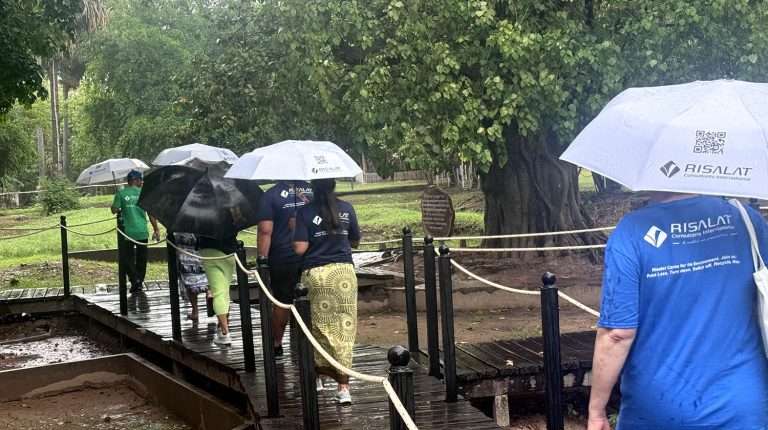
The last day of the programme will be entirely dedicated to application exercises and exposure visits to successful agricultural enterprises. Throughout the skills application session, programme delegates will be engaged in a number of case studies and scenarios to test their abilities in strategic planning and critical thinking. In addition, during the visit, they will have a chance to meet multiple leaders working across different agricultural domains and share their experiences, insights, and best practices.
Programme Methodology
Agricultural Leadership Development Training is centered on practical skills development and knowledge enhancement in selected leadership areas. The presentation, exercises, simulations, case studies, and discussion questions are explicitly tailored to professionals working in the agricultural sector.
Proven adult-learning methodology and principles guide the entire process intending to maximize the effectiveness of the delivery and create a long-lasting impact. Industry exchange and skills application exercises target the development of real-life capabilities essential to driving agricultural enterprises or projects with inspiration and innovation.
£2,630 per participant · invoice and bank transfer · groups of 5 or more receive a discount
Five or more from one organisation: ask for the group rate on the invoice request.
Ten or more: an in-house version for your institution may cost less per person. Ask for an in-house quote.
Registration closes in 5 days (23 Oct 2026)
Host Country Profile
Agriculture plays a paramount role in the Philippine economy. The industry employs nearly 40% of workers across the country and contributes approximately 20% to its GDP. The government has been focusing on transforming the sector into a dynamic, high-growth market. Thereby, significant efforts have been made to develop the industry, especially after the pandemic, to speed up economic recovery.
The Philippines has been prioritizing the establishment of strong food value chains, the availability of affordable and nutritious food, and the development of a vibrant rural economy. Many agribusinesses are present, operating both locally and internationally, with a large number of exporters among those.
Course Deliverables
Participants will enjoy a full-service experience that covers everything needed before, during, and after the programme:
Before the Programme
- Participant Pre-Assessment to ensure effective preparation
- Complimentary Visa Support & Advisory (E-visa applications are fully processed by our team)
- Airport Pickup & Welcome Assistance
- Accommodation with Breakfast for the full duration
- Welcome Dinner for networking and connecting with fellow Participants & the Risalat Team
During the Programme
- Risalat Training Kit, including: bag, water bottle, coffee mug, t-shirt, cap, passport cover, pens, notebook, magnet, keychain
- Lunch Provided Daily during training days
- Comprehensive Course Manual & Training Materials
- Project-Based Templates, Tools, and Worksheets
- Mini Pad / Tablet for convenient access to digital resources
- Digital Case Studies, Reading Packs & Reference Materials
- Access to Sample Datasets & Practical Exercises
- Field Visit (where applicable)
- Complimentary Refreshments & Full Training Venue Facilities
- Access to Online Learning Resources
- Entertaining City Tour
- Certificate of Completion
- Risalat Programme Participation Recognition Award
After the Programme
- Post-Training Support & Follow-Up Guidance
- Programme Report