Hydropower Dam Safety, Operation and Environmental Flows in Geneva
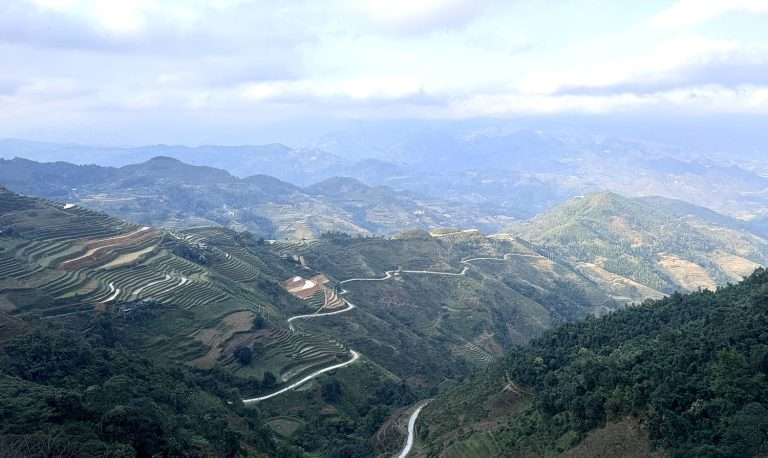
Hydropower infrastructure demands rigorous engineering surveillance and proactive operational governance throughout its working life.
2027年1月4–8日 添加到日历
在任意页面按/键即可搜索 · 按Esc键关闭
支持向可持续发展的长期转型。减缓气候变化,促进自然资源的负责任利用。
Climate Change & Environment training courses from Risalat Consultants International: 131 open dates in Bali, Bangkok, Nairobi and Nadi, for governments, international organisations, project teams and companies. Choose a date below, or ask us to run any course in-house.
Hydropower infrastructure demands rigorous engineering surveillance and proactive operational governance throughout its working life.
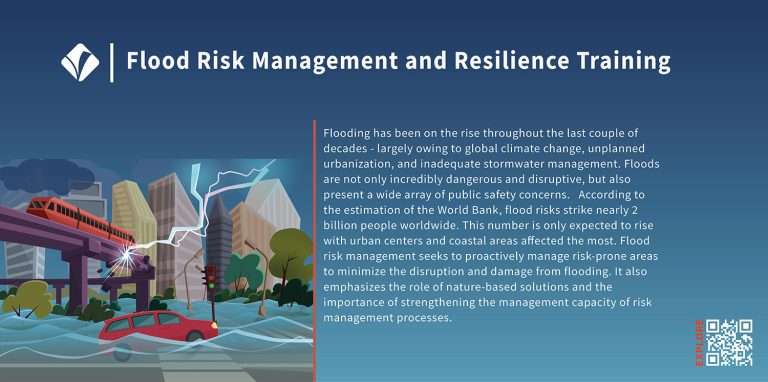
Delta cities confront severe flood vulnerabilities driven by high astronomical tides, land subsidence, and intensified upstream fluvial discharge.
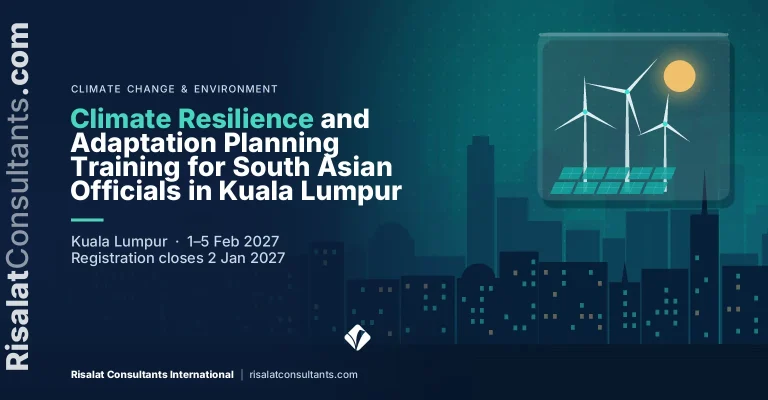
This programme gives officials and project teams the practical methods of climate resilience and adaptation planning, built around real cases from public institutions and…
This five-day professional training programme delivers critical capabilities in climate-smart livestock husbandry, disease surveillance, and agri-food value-chain modernisation.
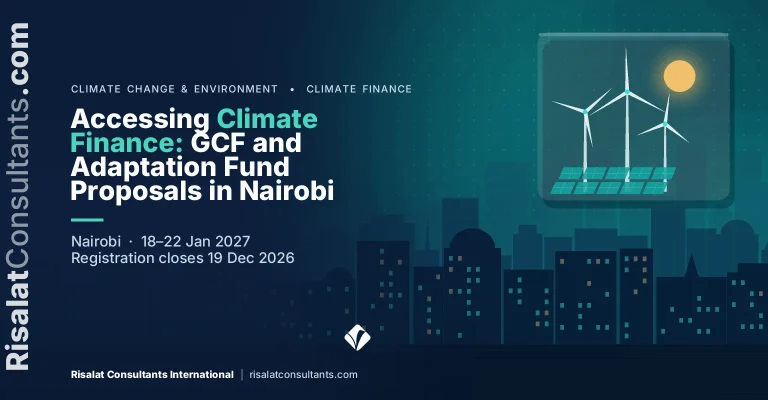
This programme gives officials and project teams the practical methods of accessing climate finance: gcf and adaptation fund proposals, built around real cases from…
This programme gives officials and project teams the practical methods of accessing climate finance: gcf and adaptation fund proposals, built around real cases from…
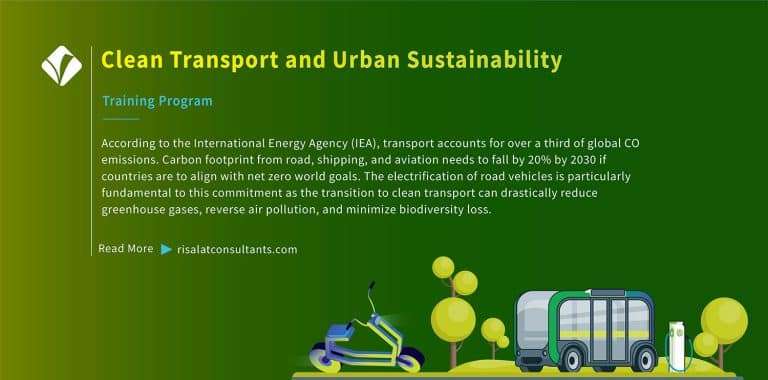
According to the International Energy Agency (IEA), transport accounts for over a third of global CO emissions.
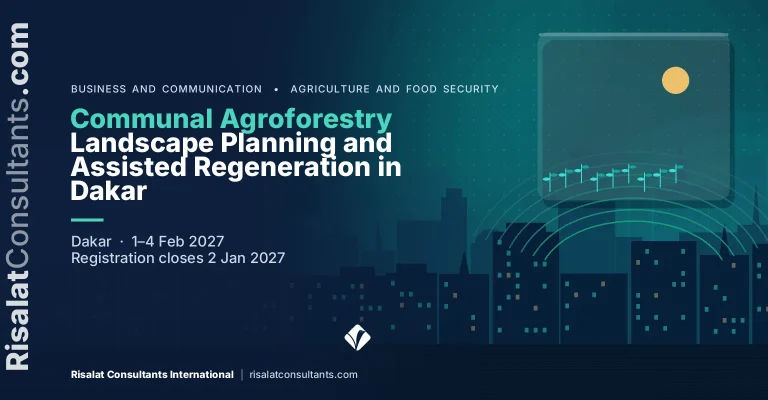
This four-day professional course addresses the critical demand for integrated communal landscape planning across the Sudano-Sahelian zone.
Community-based forest governance and coastal wetland management represent critical priorities for climate adaptation, rural livelihoods, and biodiversity protection.
Ecotourism concessions offer public wildlife authorities and local communities structured pathways to commercialise protected area assets sustainably.
Livestock systems across East Africa face severe disruption from accelerating climate variability, land degradation, and prolonged dry spells.
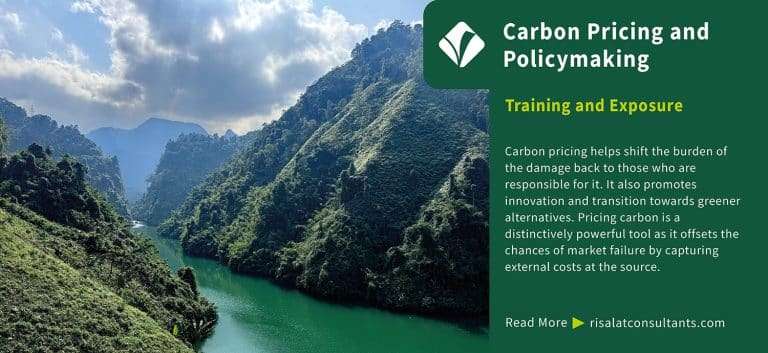
This four-day professional programme in Tokyo provides public sector leaders and technical specialists with direct exposure to operational carbon pricing mechanisms.
This programme gives officials and project teams the practical methods of climate resilience and adaptation planning, built around real cases from public institutions and…
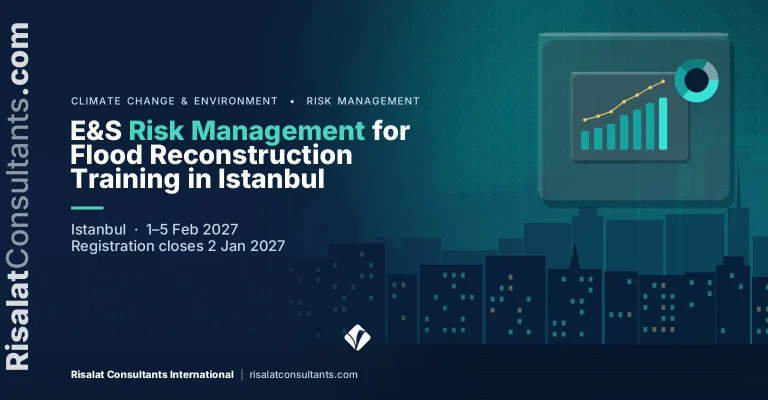
在伊斯坦布尔举办的5天培训项目,面向开展洪灾后重建的项目实施单位:紧急情况下的世界银行ESF、土地与移民安置、申诉处理、受益人核实、性别以及……
Air pollution continues to be one of the most pressing environmental and public health challenges worldwide.
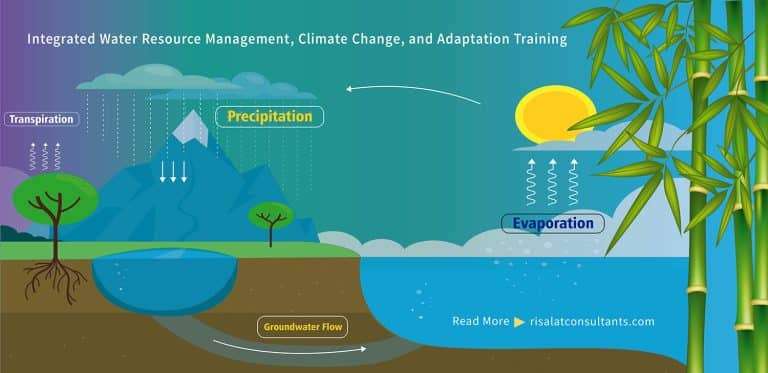
Water is a critical resource and a key pillar for sustainable development.
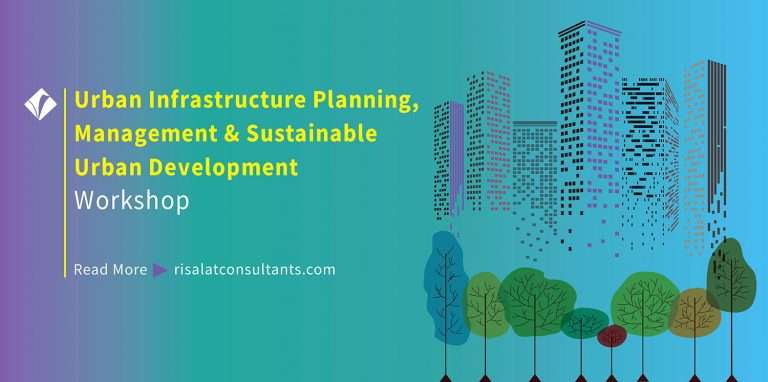
Urban infrastructure planning and sustainable development have become central priorities for governments, city authorities, and development partners as cities face rapid population growth, climate…
Cross-sectoral, Participative, and Integrated Land use planning has been recognized as an essential tool for local resource management.
Due to expeditious economic development and increased urbanization, the levels of industrial solid waste have experienced significant growth in recent years.
Wildlife Management is crucial to maintaining the health and balance of ecosystems.
Forest and wildlife conservation are essential for the stability and resilience of ecosystems.
An applied programme in Phnom Penh for public agencies and development project teams seeking practical capability in rural road safeguards and resettlement planning, with…
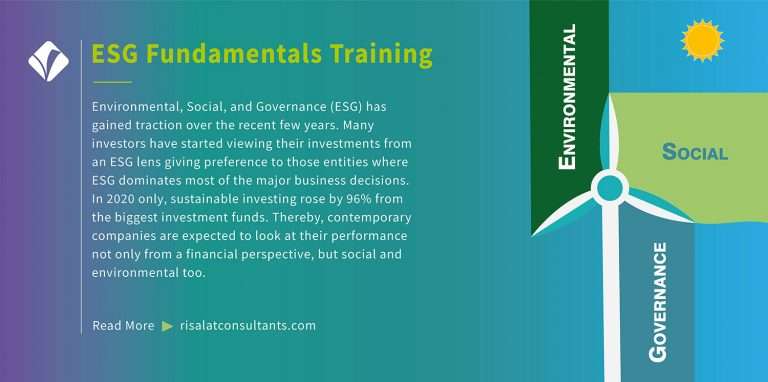
Environmental, Social, and Governance (ESG) has gained traction over the recent few years.
Agriculture is one of the very first industries heavily affected by climate change.
Governments are frequently the largest purchasers of various products, services, and works.
Aviation expansion in vulnerable coastal zones requires rigorous environmental safeguarding to balance operational connectivity with ecological stability.
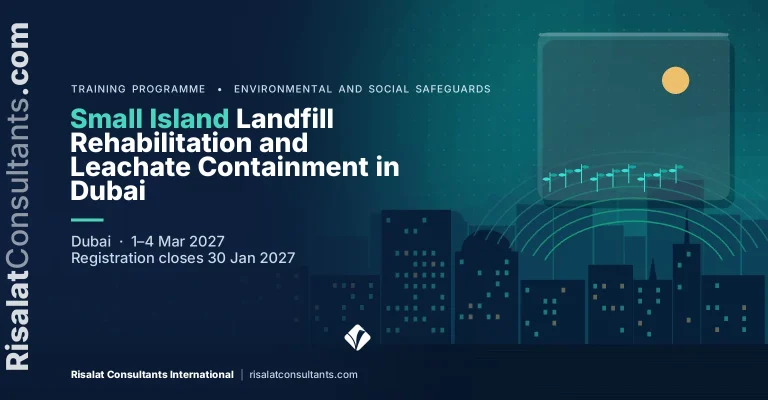
Small island developing states face distinct geographical challenges in municipal waste management, characterised by severe land scarcity, fragile marine ecosystems, and dispersed atoll populations.…
This programme gives officials and project teams the practical methods of environmental and social safeguards (esf) for project teams, built around real cases from…
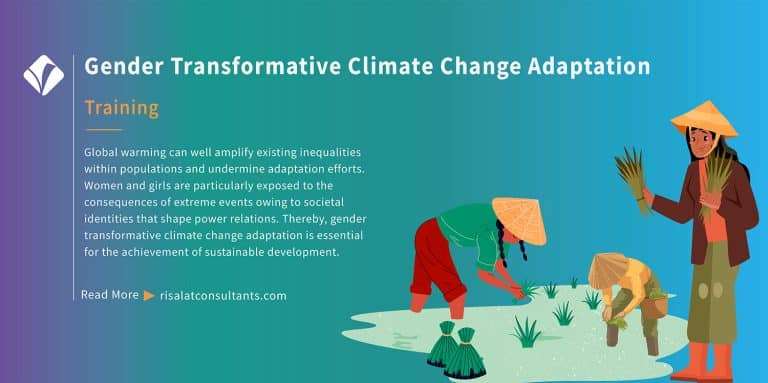
The Gender Transformative Climate Change Adaptation Training equips government officials, development practitioners, and climate professionals with practical frameworks to integrate gender equality into climate…
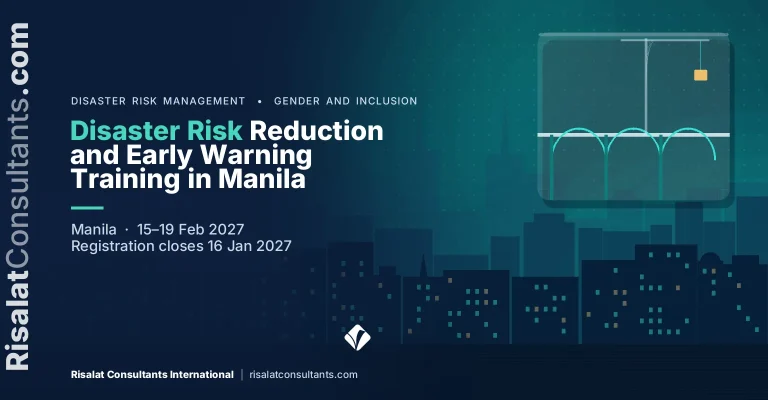
A five-day programme in Manila for national disaster authorities and early warning teams: from risk information and monitoring to warnings people act on, emergency…
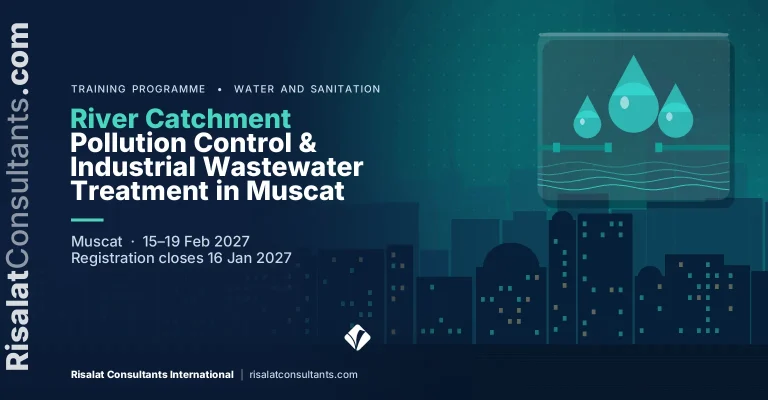
River catchment pollution management requires robust technical interventions, rigorous environmental surveillance, and sound engineering designs.
Agricultural systems face mounting challenges from climate volatility, pest incursions, and shifting seasonal patterns, requiring robust seed systems that ensure access to high-yielding, resilient…
This programme gives officials and project teams the practical methods of environmental and social safeguards (esf) for project teams, built around real cases from…
在万象举办的5天实操培训项目,讲授如何运用GIS、哨兵卫星数据和Google Earth Engine进行灾害与风险制图、预警以及……
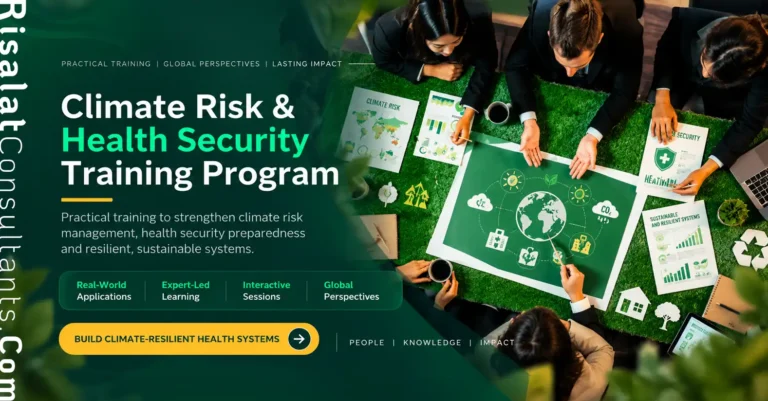
Climate Risk & Health Security Capacity Building Training focuses on strengthening the ability of governments, health institutions, and development partners to anticipate, assess, and…
Climate change is a global phenomenon with far-reaching consequences, affecting ecosystems, economies, and human societies in profound ways.
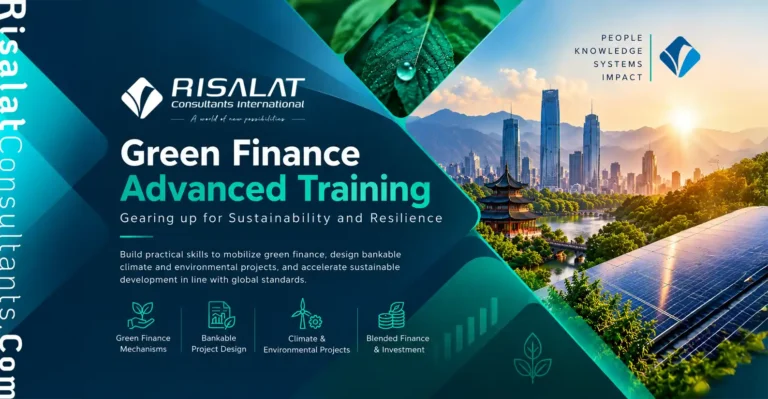
Green & Transition Finance Executive Training in Beijing is designed for institutions that need to move beyond awareness of sustainable finance and translate policy…
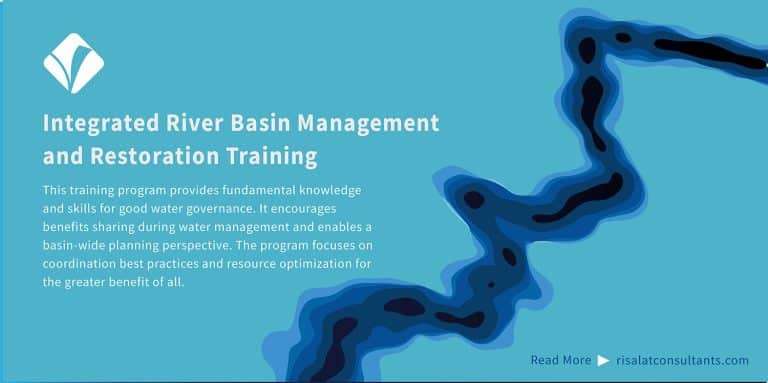
Nealy 82% of the world population is served by rivers meeting the ends of global freshwater demand.
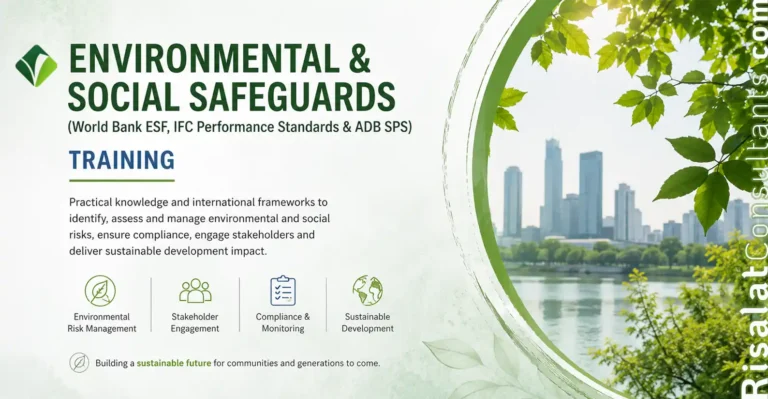
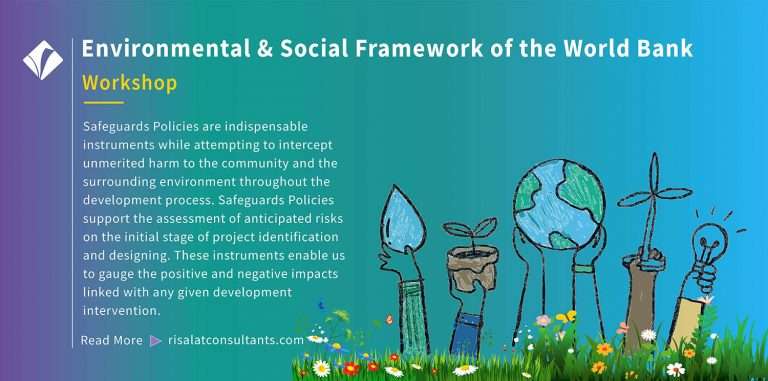
Environmental & Social Safeguards (World Bank ESF, IFC Performance Standards & ADB SPS) Training equips professionals with practical knowledge, tools, and internationally recognized frameworks…
Small island developing states face critical spatial constraints and acute ecological vulnerabilities when managing municipal waste disposal.
Jurisdictional REDD+ programmes require rigorous alignment between national environmental targets, provincial land administration, and international carbon accounting rules.
Healthcare facilities generate considerable quantities of hazardous biomedical residues that pose severe environmental and public health hazards if mishandled.
This programme gives officials and project teams the practical methods of blue economy, fisheries and ocean governance, built around real cases from public institutions…
The oil and gas industry has undergone tremendous growth throughout recent decades.
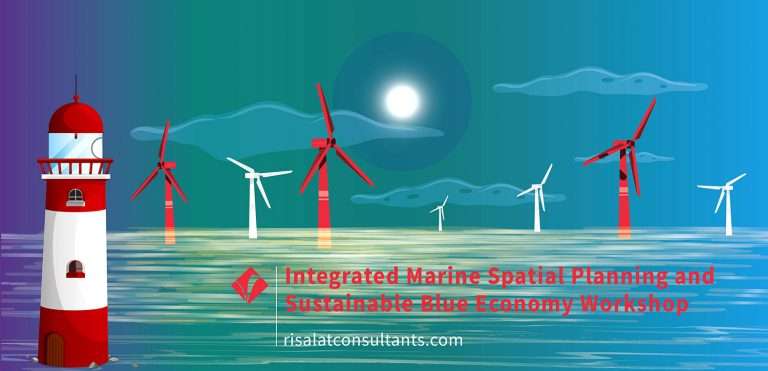
在布鲁塞尔举办的为期五天的综合海洋空间规划培训项目:数据、功能区划、利益相关方参与、保护、蓝色金融和规划审查,借鉴比利时、欧盟和国际…
The extractives sector requires robust regulatory oversight to balance mineral production with ecological preservation.
Semi-arid landscapes face accelerating land degradation, sand encroachment, and severe soil erosion, which threaten rural livelihoods and water security across vulnerable river basins.
Climate-Responsive Public Investment Management (PIM) is essential for governments seeking to align national infrastructure portfolios with climate objectives.
River basins across South and Southeast Asia face escalating risks from intense monsoon variability, urban expansion, and catchment degradation.
Forest carbon accounting and robust measurement, reporting, and verification systems are central to accessing climate finance under international conventions.
Green, Resilient and Inclusive Development represents an integrated approach to economic recovery and sustainable growth.
在新加坡举办的5天培训项目,围绕CSDDD、EUDR、CBAM、ISO 20400等,探讨可持续采购、供应商尽职调查、范围3排放和绿色物流……
The extraction of mineral resources provides critical economic opportunities for developing nations, yet it presents acute environmental and social challenges.
Island environments face acute structural challenges in municipal solid waste management, dictated by strict land boundaries, geographic isolation, and vulnerable marine ecosystems.
Rural transport networks in fragile regions face severe disruptions from unmanaged surface runoff, sudden flash floods, and accelerated erosion.
Rapid urbanisation and intensifying climatic variability present severe operational challenges for water utilities and municipal authorities operating in arid regions across Southern Africa.
Municipalities and public environmental agencies face growing pressure to shift from unmanaged disposal sites to compliant, modern sanitary infrastructure.
Coastal and island administrations require robust spatial intelligence and ecologically balanced governance frameworks to manage fisheries sustainably.
Artisanal and small-scale mining provides essential rural livelihoods but creates severe environmental liabilities across mineral-rich jurisdictions.
This programme gives officials and project teams the practical methods of blue economy, fisheries and ocean governance, built around real cases from public institutions…
This programme gives officials and project teams the practical methods of disaster risk management and early warning systems, built around real cases from public…
Community-driven resilience planning has become essential for maintaining basic service delivery and safeguarding community assets in fragile and conflict-affected contexts.
The oil and gas industry has undergone tremendous growth throughout recent decades.
Small island developing states face critical spatial and environmental constraints in processing dangerous byproducts and oversized discarded materials.
Delta environments across Southeast Asia face accelerating salinity intrusion driven by sea level rise, upstream hydrological shifts, and reduced dry season freshwater flows.
Run-of-river hydropower diversion projects across the Himalayan river systems alter downstream hydrological regimes and aquatic ecosystems.
This five-day professional training programme provides specialized technical competencies in degraded catchment management, soil conservation, and dryland afforestation across fragile drylands.
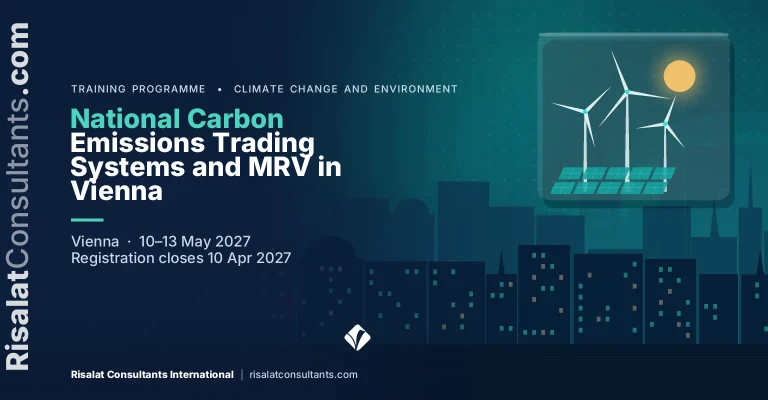
This intensive four-day training programme in Vienna equips public sector officials and statutory market operators with advanced technical competencies required to manage national emissions…
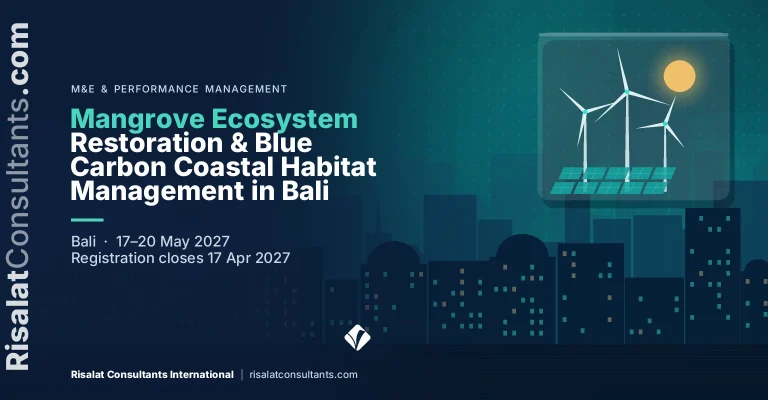
Mangrove ecosystems provide vital coastal protection, sustain marine biodiversity, and serve as extraordinary natural carbon sinks.
Macroeconomic stability in climate-vulnerable island states and developing nations requires modern budgetary tools that recognise physical and transition risks.
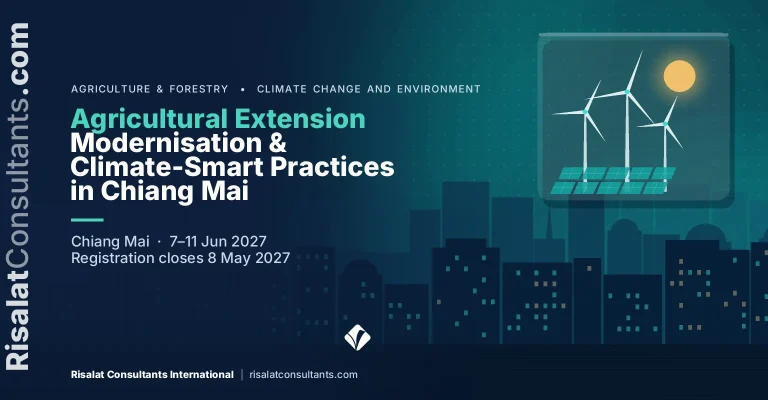
Agricultural extension systems face an urgent mandate to adapt to accelerating environmental volatility in fragile mountain landscapes.
This programme gives officials and project teams the practical methods of accessing climate finance: gcf and adaptation fund proposals, built around real cases from…
This programme gives officials and project teams the practical methods of disaster risk management and early warning systems, built around real cases from public…
Rapid urbanisation across West and North Africa places critical pressure on municipal infrastructure, demanding resilient waste containment and modern treatment solutions.
Pastoral and agro-pastoral communities across the Horn of Africa confront severe land degradation, recurring droughts, and fragmented market systems.
Coastal ecosystems across Southeast Asia face intense pressure from overfishing, habitat degradation, and climate vulnerabilities.
Volcanic island hydrogeology presents complex subsurface environments characterised by fractured basaltic layers, lava tubes, and extreme permeability variations.
Upland watershed degradation poses acute risks to downstream water supply, agricultural yields, and community resilience across mountainous tropical regions.
This five-day professional training programme equips agricultural practitioners with practical tools to strengthen certified seed value chains, upgrade advisory services, and embed climate-resilient practices…
Managing municipal solid waste across dispersed archipelagos presents severe operational and environmental challenges.
Coastal ecosystems across the South Pacific encounter intensifying pressure from resource extraction, environmental degradation, and shifting climate patterns.
This programme gives officials and project teams the practical methods of disaster risk management and early warning systems, built around real cases from public…
Large-scale irrigation infrastructure requires rigorous environmental and social management to prevent ecological harm, secure local livelihoods, and guarantee international compliance.
Healthcare systems require rigorous biohazard management to protect public health, clinical personnel, and surrounding ecosystems from biological and chemical contamination.
Large-scale canal irrigation schemes demand robust environmental and social governance to manage footprint impacts across extensive command areas.
Dryland ecosystems across Central Asia face accelerating degradation from prolonged droughts, overgrazing, and historic land use pressures.
Landscape degradation, soil erosion, and forest fragmentation compromise water security and rural livelihoods across the South Caucasus.
This programme gives officials and project teams the practical methods of accessing climate finance: gcf and adaptation fund proposals, built around real cases from…
The transition towards a resilient ocean economy requires robust institutional structures and sound investment frameworks.
Catchment degradation poses severe challenges to water security, agricultural productivity, and infrastructure durability across sub-Saharan Africa.
Urban centres across Central Asia confront critical air quality challenges, particularly during winter heating seasons when particulate matter concentrations surge.
This programme gives officials and project teams the practical methods of environmental and social safeguards (esf) for project teams, built around real cases from…
Forest carbon finance requires rigorous accountability to translate emission reductions into verified payments.
Rapid urbanisation and intensifying monsoon patterns present acute operational threats to low-lying metropolitan areas across Southeast Asia.
This programme gives officials and project teams the practical methods of disaster risk management and early warning systems, built around real cases from public…
Coastal and island states face escalating pressure to balance marine biodiversity protection with the sustainable exploitation of shared pelagic stocks.
The transition to a low-carbon, resource-efficient economic model demands coherent policy coordination, robust institutional frameworks and precise regulatory sequencing.
This four-day professional course provides public sector leaders and conservation specialists with the practical skills required to design, regulate, and manage sustainable ecotourism activities…
This programme gives officials and project teams the practical methods of climate resilience and adaptation planning, built around real cases from public institutions and…
Community-driven disaster risk reduction is essential for strengthening local resilience across vulnerable rural landscapes.
Marine spatial planning serves as an essential mechanism for balancing economic development, conservation, and resource stewardship across sensitive coastal areas.
This programme gives officials and project teams the practical methods of disaster risk management and early warning systems, built around real cases from public…
Rapid urban growth in Southeast Asia exerts severe pressure on municipal infrastructure, leading to open dumping, plastic leakage into waterways, and public health risks.…
This programme gives officials and project teams the practical methods of accessing climate finance: gcf and adaptation fund proposals, built around real cases from…
This programme gives officials and project teams the practical methods of environmental and social safeguards (esf) for project teams, built around real cases from…
This programme gives officials and project teams the practical methods of blue economy, fisheries and ocean governance, built around real cases from public institutions…
Artisanal and small-scale mining presents acute regulatory, spatial, and environmental challenges for resource-rich administrations across West Africa.
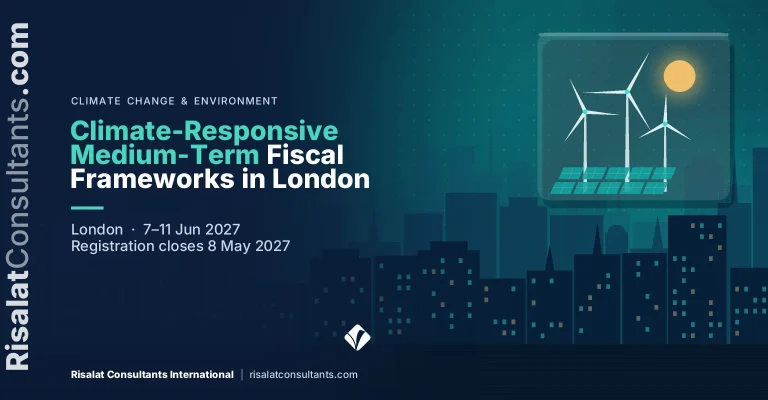
Green Budget Tagging and Climate Fiscal Risk Management is an intensive four-day professional programme designed for public finance managers navigating the intersection of macro-fiscal…
Government agencies and development programmes operate under increasing exposure to compounding natural hazards.
This programme gives officials and project teams the practical methods of climate resilience and adaptation planning, built around real cases from public institutions and…
This intensive five-day programme delivers comprehensive operational knowledge on Environmental and Social Management Frameworks (ESMF) tailored specifically to utility-scale solar parks and grid connection…
Protected area authorities across Eastern and Southern Africa face growing pressure to reconcile biodiversity preservation with the economic security of fringe communities.
This four-day professional course delivers practical technical knowledge on bagasse-based biomass cogeneration and associated carbon offset verification systems.
Ageing water infrastructure and shifting precipitation patterns present severe operational risks to multi-purpose storage assets worldwide.
Forest Landscape Restoration and Protected Area Conservation Management requires an integrated approach that connects biodiversity preservation with sustainable socio-economic development.
This programme gives officials and project teams the practical methods of blue economy, fisheries and ocean governance, built around real cases from public institutions…
This programme gives officials and project teams the practical methods of climate resilience and adaptation planning, built around real cases from public institutions and…
This programme gives officials and project teams the practical methods of blue economy, fisheries and ocean governance, built around real cases from public institutions…
This programme gives officials and project teams the practical methods of environmental and social safeguards (esf) for project teams, built around real cases from…
Risalat has 131 open Climate Change & Environment courses in 52 cities (Bali, Bangkok, Nairobi, Nadi, Cape Town and Istanbul and others), from 4 Jan 2027 to 15 Nov 2027. A typical course lasts 5 days. Fees start at £1,750 per participant.
Subjects covered most often: Climate change and environment, Water and sanitation, Energy and utilities, Agriculture and food security and Infrastructure and urban development.
The courses are written for governments, public agencies, teams running donor-financed projects and companies. Sessions combine short inputs, case studies and group work on participants' own files.
Ranked by how often the subject has run in this field and by registrations.
Risalat also advises institutions on these subjects:
Free tools to prepare before a course:
There are 131 upcoming Climate Change & Environment courses in Bali, Bangkok, Nairobi, Nadi, Cape Town and Istanbul, starting between 4 Jan 2027 and 15 Nov 2027.
Fees for the upcoming courses range from £1,750 to £7,560 per participant. Each programme page shows its own fee. Payment is by invoice and bank transfer.
The next one is Hydropower Dam Safety, Operation and Environmental Flows in Geneva, 4-8 Jan 2027 in Geneva (5 days). Registration closes on 5 Dec 2026.
Upcoming dates are in Bali, Bangkok, Nairobi, Nadi, Cape Town, Istanbul, Casablanca and Dubai. Teams from any country can join, and the course can also be delivered in your own country or online.
Yes. Any Risalat programme can be delivered in-house for one institution, in your own country or online, on dates that suit your team and adapted to your own documents. Request a proposal.
It depends on your passport: the free Visa Check shows the visa type, processing time and documents for the host country. Registered participants can request an invitation letter: self-funded participants receive it after full payment, sponsored participants on receipt of an official nomination letter and a payment commitment. Embassies can check the letter online.
Yes. Participants receive a Risalat certificate with its own code and QR code, which anyone can check online at risalatconsultants.com/verify.
You qualify for the discount if you register as a group. See the discount plans and cancellation policy.
我们可为您的机构量身定制任何培训项目,以内训、在线或在您选定的城市举办,内容围绕您的项目设计。通过发票和银行转账付款。
Essential cookies keep this site secure. With your permission we also use analytics and advertising cookies. Cookie policy
Google Analytics counts visits: in the EU, the UK and Switzerland only after you accept, elsewhere unless you reject it. You can change your choice at any time from “Cookie settings” at the bottom of every page.
The Risalat Brief: one short report a week on a real delivery problem in procurement, safeguards, M&E or public finance, its causes and what works. No adverts; unsubscribe any time.
订阅即表示您同意接收我们的简报。隐私政策Most questions (dates, fees, visas, registration, invoices) are answered fastest in our website chat, which also keeps a record for your team. For anything else, email info@risalatconsultants.com.
Still urgent?
Please do not send documents or payment details by WhatsApp.