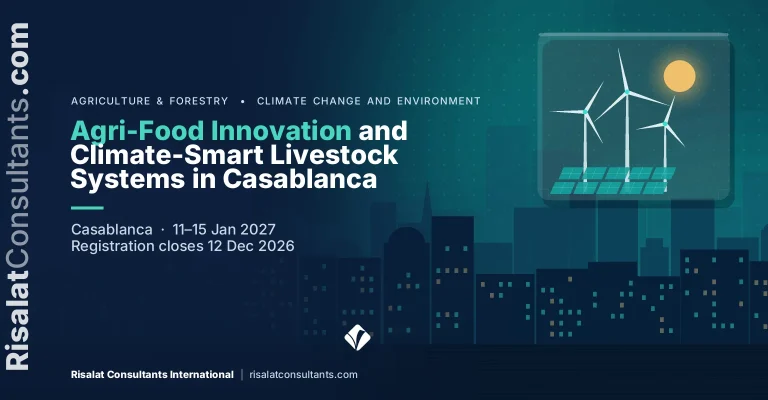
Agri-Food Innovation and Climate-Smart Livestock Systems in Casablanca
This five-day professional training programme delivers critical capabilities in climate-smart livestock husbandry, disease surveillance, and agri-food value-chain modernisation.
Your choices are remembered on this device. Designed to WCAG 2.2 AA · keyboard: Tab to move, Esc to close. Read our accessibility statement.
Press / to search from any page · Esc to close
Gain comprehensive knowledge in the field of your specific interest. A wide variety of uniquely designed programmes from crop cultivation and livestock to soil management, irrigation, and sustainable food production.
Agriculture & Forestry training courses from Risalat Consultants International: 126 open dates in Bangkok, Bali, Kigali and Tbilisi, for governments, international organisations, project teams and companies. Choose a date below, or ask us to run any course in-house.
This five-day professional training programme delivers critical capabilities in climate-smart livestock husbandry, disease surveillance, and agri-food value-chain modernisation.
Agro-logistics hubs serve as essential infrastructure to reduce post-harvest losses, maintain perishable produce quality, and connect smallholder farmers with regional export markets.
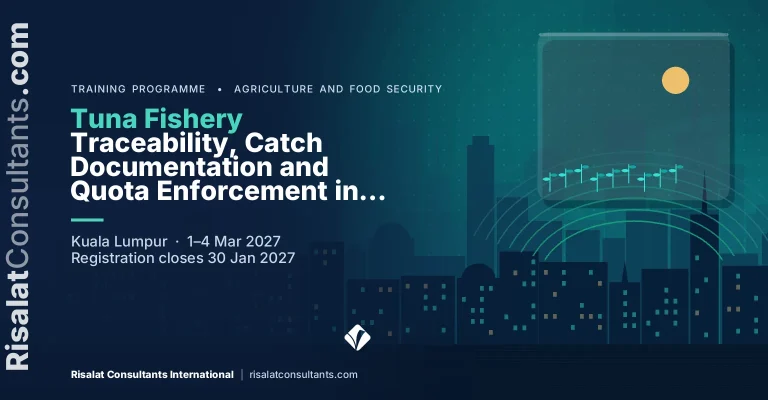
Commercial offshore fisheries management requires robust digital architectures and harmonised statutory frameworks to ensure sustainable ocean exploitation.
Agribusiness development across Central Asia requires robust post-harvest infrastructure and commercial consolidation models to unlock export potential.
This four-day professional course addresses the critical demand for integrated communal landscape planning across the Sudano-Sahelian zone.
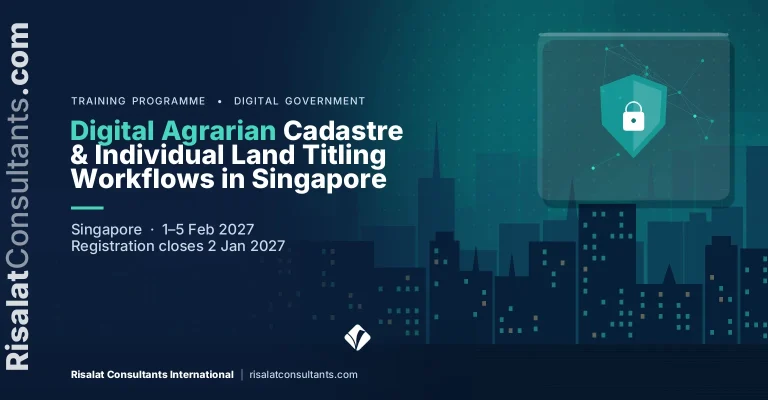
Digital transformation in agrarian reform requires robust spatial frameworks and reliable administrative titling systems.
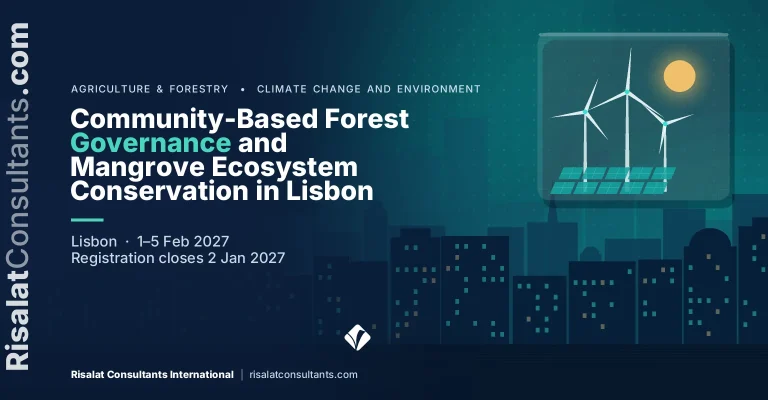
Community-based forest governance and coastal wetland management represent critical priorities for climate adaptation, rural livelihoods, and biodiversity protection.
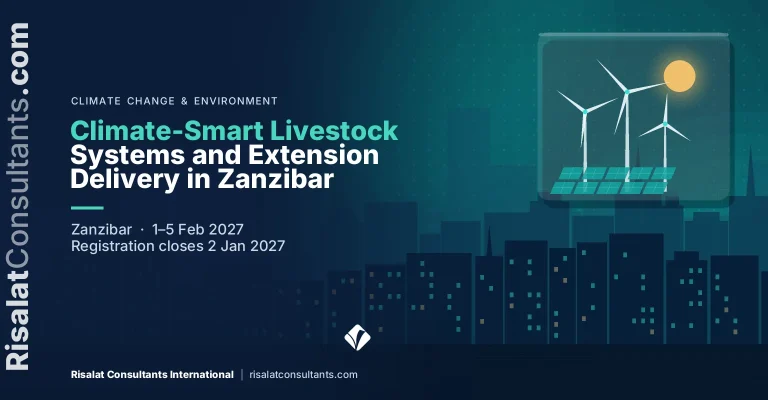
Livestock systems across East Africa face severe disruption from accelerating climate variability, land degradation, and prolonged dry spells.
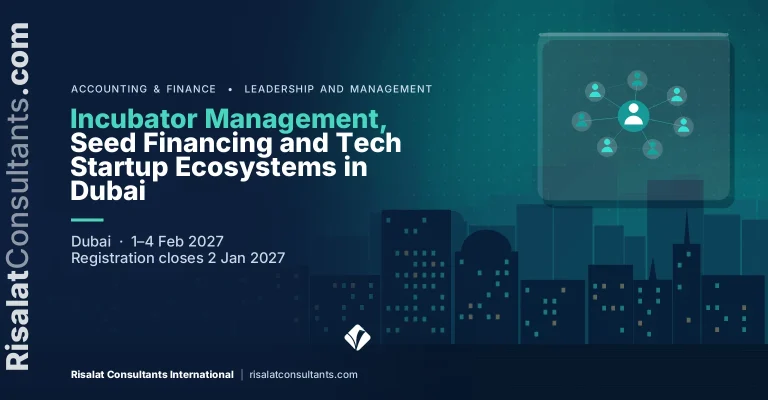
This intensive four-day professional programme in Dubai provides public sector managers, technology park authorities, and enterprise development professionals with the operational capabilities required to…
A five-day programme in Manila for managers of agriculture agencies, rural development projects, cooperatives and agribusinesses, combining leadership practice with value-chain, resilience and project…
A five-day programme in Tbilisi on agricultural market research, positioning, pricing, channels, branding and export access, using Georgia's wine, origin products and EU trade…
Forest and wildlife conservation are essential for the stability and resilience of ecosystems.
Soil is a critical natural resource that anchors all life.
Irrigation is an essential determinant of agriculture while its inadequacies are one of the most powerful constraints of agricultural production.
Agriculture is one of the very first industries heavily affected by climate change.
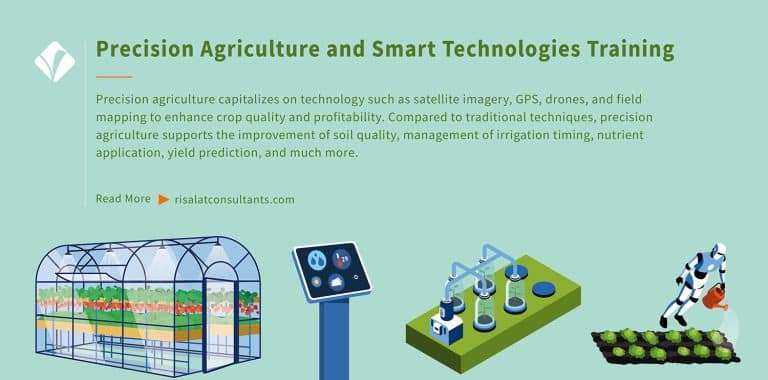
Precision agriculture capitalizes on technology such as satellite imagery, GPS, drones, and field mapping to enhance crop quality and profitability.
A five-day programme in Colombo on agribusiness planning, value chain finance, post-harvest management, food safety and market access, using Sri Lankan projects financed by…
Perennial crop export logistics require rigorous technical alignment with international sanitary and phytosanitary standards.
Groundwater resources represent a vital lifeline for agricultural resilience across arid and semi-arid regions.
Agribusiness commercialisation requires robust systems to integrate smallholder farmers into structured value chains.
This five-day professional training programme delivers comprehensive technical instruction on modern agricultural irrigation systems and drainage asset management.
Agricultural systems face mounting challenges from climate volatility, pest incursions, and shifting seasonal patterns, requiring robust seed systems that ensure access to high-yielding, resilient…
Sustainable fisheries governance demands robust administrative systems capable of balancing ecological limits with economic returns.
A five-day advanced agronomy programme in Hanoi on yield gaps, soil health, fertiliser efficiency, water-saving irrigation, crop protection, digital tools and MRV, using Vietnam's…
Smallholder irrigation development is essential for rural livelihoods and resilient agricultural production across Southern Africa.
Large-scale agricultural production relies heavily on the reliability, hydraulic performance, and efficiency of conveyance infrastructure.
This four-day professional course provides public sector officials with operational knowledge on small-scale fisheries governance, coastal resource protection, and post-harvest handling infrastructure.
This intensive four-day professional programme equips maritime authorities, fisheries regulators, and project teams with the operational capabilities required to secure tuna supply chains.
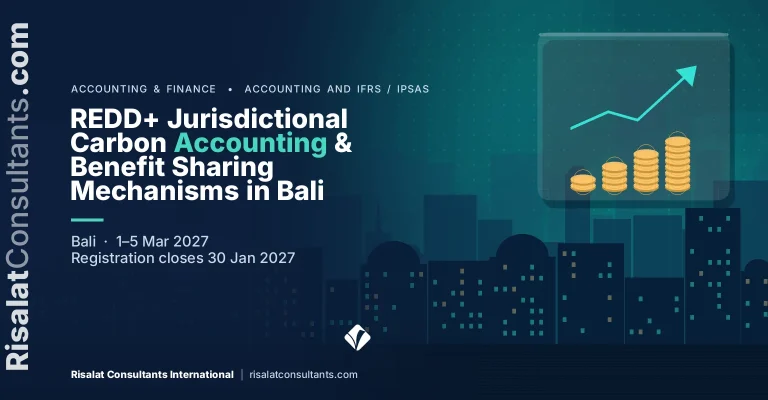
Jurisdictional REDD+ programmes require rigorous alignment between national environmental targets, provincial land administration, and international carbon accounting rules.
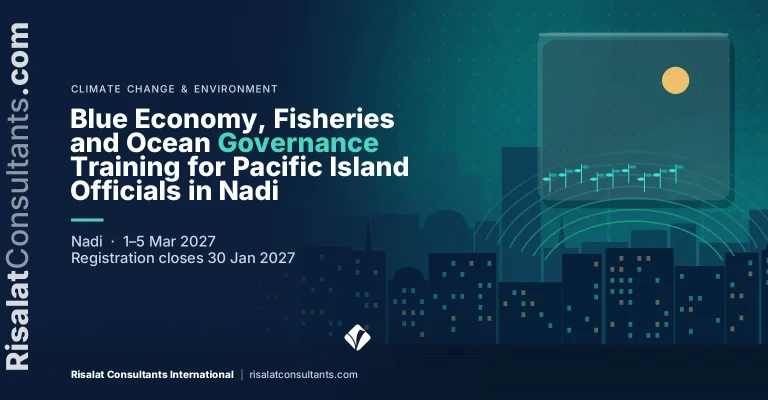
This programme gives officials and project teams the practical methods of blue economy, fisheries and ocean governance, built around real cases from public institutions…
This intensive four-day professional course equips public sector professionals and project teams with technical skills required to plan, design, and manage decentralised smallholder irrigation…
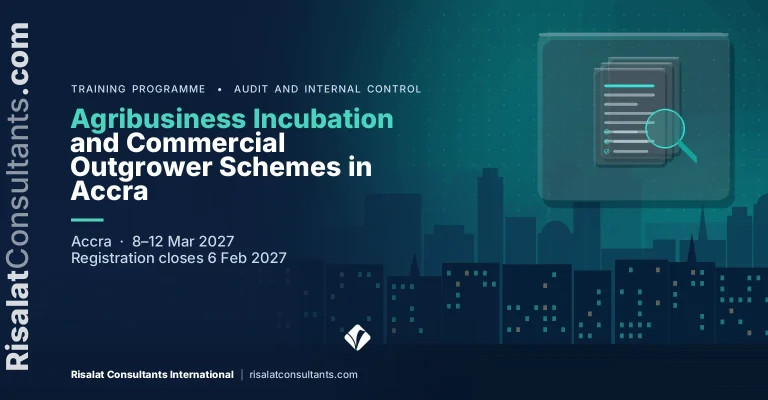
Agribusiness incubation and commercial outgrower schemes serve as foundational pillars for developing sustainable rural economies and strengthening food systems across West Africa.
Agricultural development across Southeast Asia increasingly depends on transitioning smallholders from subsistence farming to market-oriented agribusiness.
Strategic Grain Reserve Logistics and Wheat Supply Chain Resilience addresses the operational and financial challenges of securing staple food supplies during severe macroeconomic turbulence.…
Forest carbon accounting and robust measurement, reporting, and verification systems are central to accessing climate finance under international conventions.
A five-day programme in Istanbul for irrigation and water agencies on basin allocation, canal efficiency, water accounting, pumping energy, user organisations and cost recovery,…
This five-day professional development course equips agricultural practitioners with practical tools to establish resilient seed supply systems and strengthen farmer-led advisory networks.
Coastal and island administrations require robust spatial intelligence and ecologically balanced governance frameworks to manage fisheries sustainably.
Ageing hydraulic infrastructure across Central Asia requires urgent modernisation to counter water scarcity, operational inefficiencies, and escalating climate risks.
Livestock-dependent economies require robust animal health safeguards, reliable cold chains, and end-to-end traceability systems to access high-value export markets.
This four-day professional course addresses the operational and regulatory requirements of post-harvest management, cold chain integrity, and agricultural export compliance.
Agribusiness Value Addition and Smallholder Market Linkages is an intensive five-day programme delivered in Accra, Ghana.
Modernising agricultural water infrastructure demands an integrated approach combining technological upgrading with robust local governance.
This programme gives officials and project teams the practical methods of blue economy, fisheries and ocean governance, built around real cases from public institutions…
Ageing agricultural water conveyance infrastructure requires systematic upgrading to meet contemporary demands for efficiency, equity, and climatic resilience.
Agricultural development across the Pacific relies on transforming subsistence farming into sustainable, commercially viable enterprise.
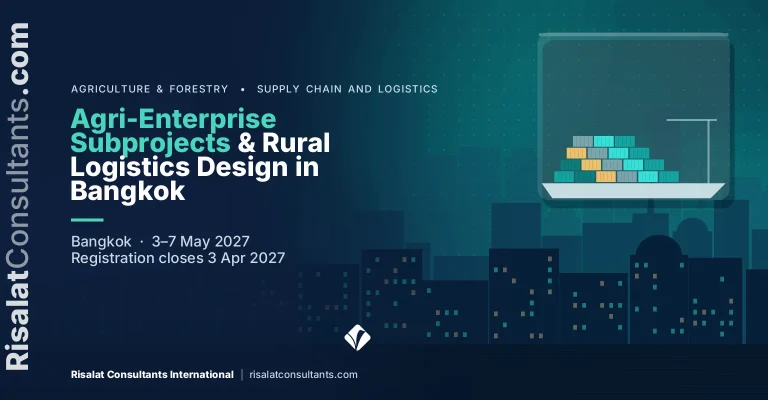
Agri-enterprise development and rural logistics infrastructure are critical drivers for transforming smallholder agriculture into viable, market-oriented supply chains.
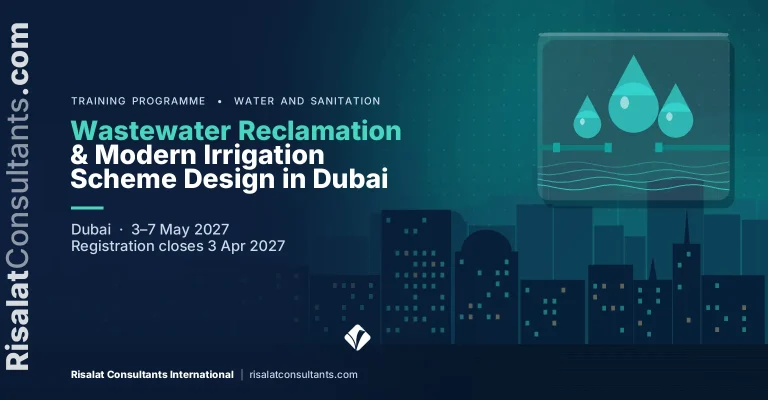
Municipal wastewater reclamation and modernised irrigation infrastructure are critical pillars for arid regions facing structural water deficits.
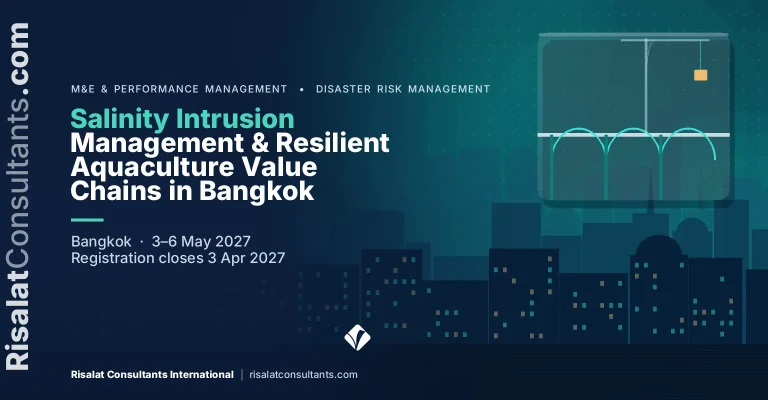
Delta environments across Southeast Asia face accelerating salinity intrusion driven by sea level rise, upstream hydrological shifts, and reduced dry season freshwater flows.
Horticultural development across Central Asia demands robust cold chain logistics to reduce post-harvest losses and safeguard seed viability.
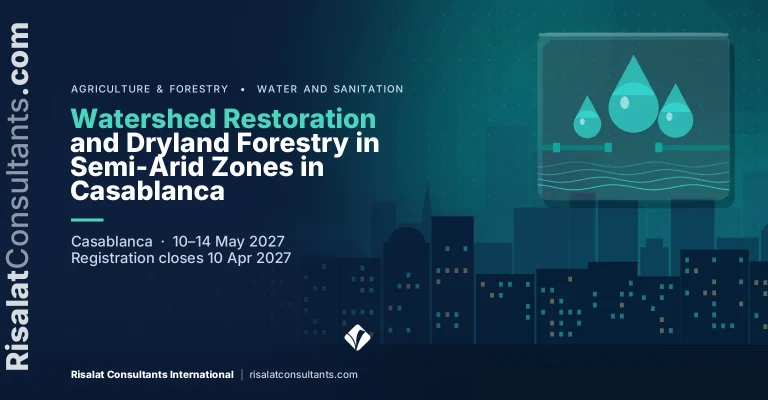
This five-day professional training programme provides specialized technical competencies in degraded catchment management, soil conservation, and dryland afforestation across fragile drylands.
This four-day professional course equips practitioners with tools to transition smallholder producers into structured, commercially viable export agribusinesses.
Smallholder farming in rugged and arid terrains requires specialised engineering and agronomic interventions to secure household livelihoods.
Small-scale fisheries represent a vital source of coastal livelihoods and nutrition, yet post-harvest losses remain a persistent challenge across Pacific island economies.
Agri-Tech Startup Incubation and Digital Venture Matching provides operational capabilities for institutions fostering technology-driven agricultural entrepreneurship.
Agricultural extension systems face an urgent mandate to adapt to accelerating environmental volatility in fragile mountain landscapes.
This intensive four-day professional course equips regulatory authorities and export inspection bodies with the expertise required to monitor, verify, and validate seafood supply chains.…
Pastoral and agro-pastoral communities across the Horn of Africa confront severe land degradation, recurring droughts, and fragmented market systems.
Coastal ecosystems across Southeast Asia face intense pressure from overfishing, habitat degradation, and climate vulnerabilities.
High-value tree crops are central to agricultural transformation, climate resilience, and rural income generation across Sub-Saharan Africa.
This intensive five-day programme delivers practical engineering and governance competencies required to plan, operate, and sustain smallholder irrigation schemes.
This five-day training programme in Bangkok equips agricultural leaders and technical specialists to design, operationalise, and monitor nutrition-sensitive agriculture strategies.
Coastal fisheries across Southeast Asia face urgent demands to balance resource conservation with post-harvest economic viability.
Upland watershed degradation poses acute risks to downstream water supply, agricultural yields, and community resilience across mountainous tropical regions.
Large-scale gravity irrigation networks form the backbone of agricultural transformation programmes across Southern Africa, demanding rigorous operational discipline and structured asset management.
This five-day professional training programme equips agricultural practitioners with practical tools to strengthen certified seed value chains, upgrade advisory services, and embed climate-resilient practices…
Coastal fisheries play an indispensable role in securing livelihoods, food security, and economic resilience for coastal communities.
Coastal ecosystems across the South Pacific encounter intensifying pressure from resource extraction, environmental degradation, and shifting climate patterns.
This five-day professional training programme delivers rigorous competencies in agribusiness economics, extension delivery systems, and smallholder grant administration.
Pastoral livestock economies across Central Asia and Mongolia face acute logistics and market integration bottlenecks.
This programme gives officials and project teams the practical methods of agricultural value chains and food security, built around real cases from public institutions…
Large-scale irrigation infrastructure requires rigorous environmental and social management to prevent ecological harm, secure local livelihoods, and guarantee international compliance.
This four-day professional course addresses the critical engineering and logistical challenges of rural connectivity across West Africa, focusing on agricultural corridors in Senegal.
This five-day professional training programme delivers critical competencies in marine resources governance, focusing on the management of artisanal fisheries and coastal ecosystems.
Large-scale canal irrigation schemes demand robust environmental and social governance to manage footprint impacts across extensive command areas.
Dryland ecosystems across Central Asia face accelerating degradation from prolonged droughts, overgrazing, and historic land use pressures.
This programme gives officials and project teams the practical methods of agricultural value chains and food security, built around real cases from public institutions…
Effective management of marine living resources requires robust administrative systems, transparent licensing mechanisms, and reliable coastal surveillance.
Fisheries governance across developing coastal states demands robust oversight to protect marine ecosystems and sustain local livelihoods.
Landscape degradation, soil erosion, and forest fragmentation compromise water security and rural livelihoods across the South Caucasus.
Agricultural development programmes increasingly face the imperative to deliver measurable nutritional improvements alongside traditional production targets.
This programme gives officials and project teams the practical methods of agricultural value chains and food security, built around real cases from public institutions…
Smallholder horticulture offers a rapid pathway to improved rural livelihoods, enhanced food security, and agricultural diversification.
Technical and vocational education systems require systemic updates to bridge the gap between classroom delivery and labour market realities.
This intensive five-day programme in Vienna equips public sector professionals with the technical and institutional expertise required to modernise agricultural water delivery and secure…
This intensive four-day professional course in Sydney equips public sector maritime authorities with operational capabilities in ocean fisheries monitoring, control, and surveillance.
Livestock development and dairy productivity are critical drivers of rural economic transformation, food security, and income generation across South Asia.
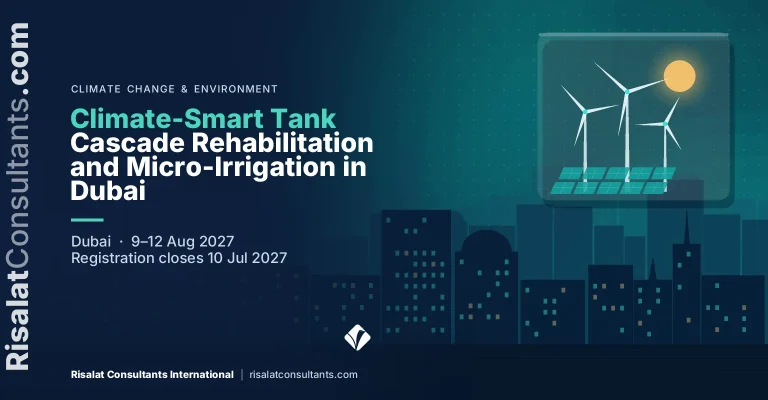
Climate-smart tank cascade rehabilitation and micro-irrigation are vital for agricultural resilience in drought-prone landscapes.
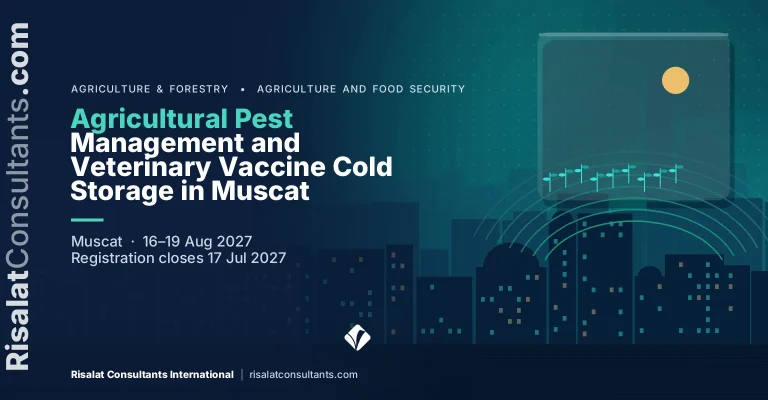
This four-day professional course in Muscat provides public sector professionals and project teams with practical competencies in agricultural pest management and veterinary vaccine cold…
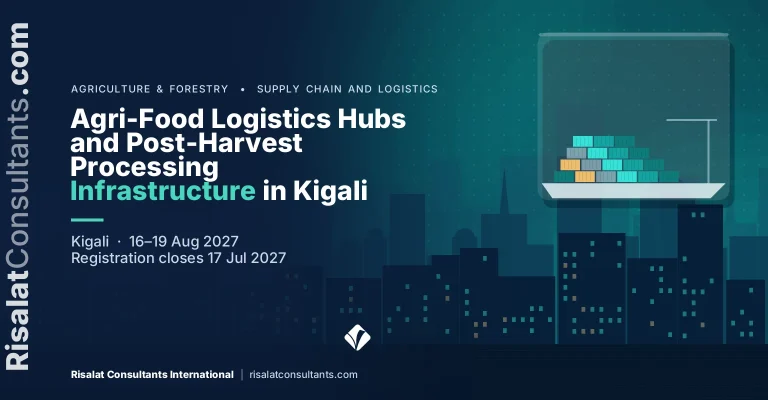
Efficient agri-food logistics hubs and post-harvest infrastructure are critical for reducing food losses and integrating smallholder producers into regional commercial markets.
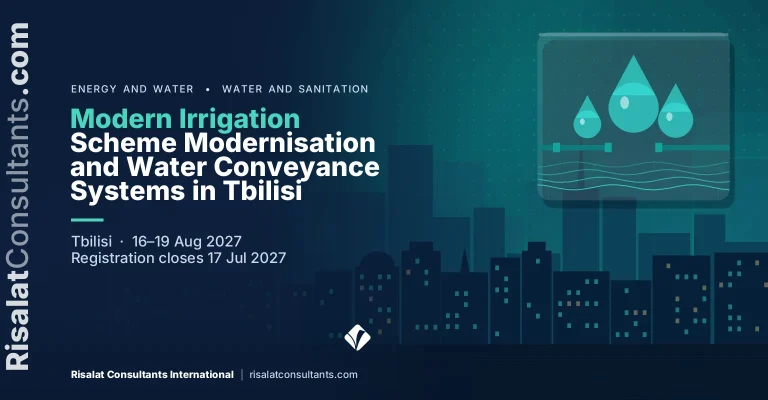
Ageing conveyance infrastructure and changing hydrological patterns across the South Caucasus necessitate a systemic transition towards modernised agricultural water management.
Agricultural development depends on the efficient translation of scientific research into practical advisory services for farming communities.
Smallholder agriculture across developing economies faces systemic bottlenecks in transitioning from subsistence production to structured commercial engagement.
This programme gives officials and project teams the practical methods of agricultural value chains and food security, built around real cases from public institutions…
This four-day professional course addresses the critical interface between rural infrastructure development and smallholder market integration.
Coastal and island states face escalating pressure to balance marine biodiversity protection with the sustainable exploitation of shared pelagic stocks.
This four-day professional course addresses the critical engineering and community governance requirements for sustainable water infrastructure across arid and semi-arid lands.
Agricultural development policies increasingly demand a pivot from basic staple production towards high-value, nutrition-sensitive commodities.
Agricultural productivity and cross-border agribusiness depend directly on robust crop protection and functional diagnostic infrastructure.
Pastoral systems and dairy production represent fundamental pillars of rural livelihoods, food security, and regional trade across sub-Saharan Africa.
Commercial agribusiness matching grants serve as vital instruments for accelerating private sector investment, fostering farmer-agribusiness linkages, and unlocking high-value export pathways.
Agribusiness commercialisation requires robust institutional linkages between organised smallholder producers and commercial buyers to modernise rural supply chains.
This programme gives officials and project teams the practical methods of agricultural value chains and food security, built around real cases from public institutions…
Ageing conveyance infrastructure and inadequate drainage systems present critical operational risks across arid river basins, particularly within Central Asia.
Livestock productivity, animal health security, and food safety remain essential priorities for public agricultural authorities and donor-financed initiatives across developing nations.
Commercial agriculture initiatives across West Africa increasingly rely on structured private sector partnerships to raise rural productivity and expand market access.
This four-day professional course addresses the critical operational and engineering considerations required to establish and run sustainable agri-market infrastructure.
Solar-powered irrigation offers a reliable, low-carbon pathway to secure agricultural production against erratic rainfall patterns.
Agri-business small and medium enterprises face persistent capital constraints when attempting to scale operations, upgrade processing technology, and integrate smallholders into commercial value chains.…
Smart irrigation modernisation is critical for sustaining agricultural productivity across arid and semi-arid regions facing acute water shortages.
This intensive five-day programme provides hydraulic engineers and scheme managers with advanced technical competencies for upgrading deteriorating irrigation networks and managing complex command areas.…
This four-day executive training programme delivers rigorous technical and institutional methodologies for modernising gravity-fed irrigation systems.
This programme gives officials and project teams the practical methods of blue economy, fisheries and ocean governance, built around real cases from public institutions…
Developing sustainable water infrastructure in arid rangelands requires balancing robust engineering with inclusive local governance.
Agricultural transformation demands structured commercial channels connecting smallholder producer organisations with high-value domestic, regional, and international buyers.
Livestock production is central to rural livelihoods, food security, and agricultural trade across Central Asia.
Government agencies and development programmes operate under increasing exposure to compounding natural hazards.
Protected area authorities across Eastern and Southern Africa face growing pressure to reconcile biodiversity preservation with the economic security of fringe communities.
Public sector agricultural programmes require robust appraisal mechanisms to ensure enterprise investments achieve financial viability and developmental impact.
Climate change, water scarcity, and evolving export market requirements demand a systematic transition towards climate-smart agribusiness systems across the Middle East and North Africa.…
Forest Landscape Restoration and Protected Area Conservation Management requires an integrated approach that connects biodiversity preservation with sustainable socio-economic development.
Modern agricultural development relies heavily on effective advisory services that bridge the gap between scientific research and farm practices.
Farmer-managed small-scale irrigation systems are critical lifelines for rural livelihoods, particularly in dryland regions where agricultural productivity relies entirely on divertible river flows.
This programme gives officials and project teams the practical methods of blue economy, fisheries and ocean governance, built around real cases from public institutions…
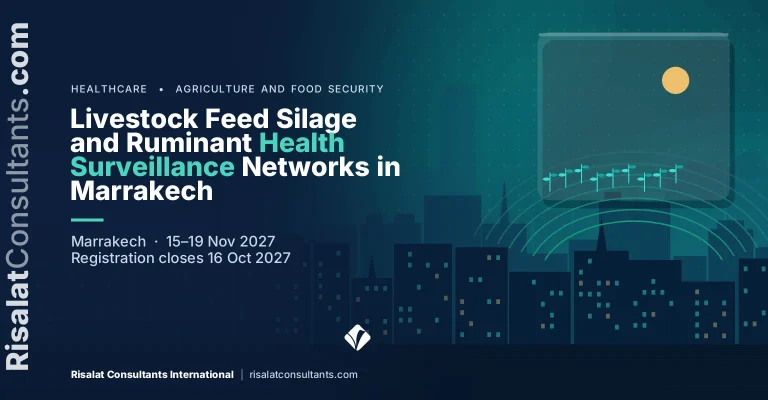
This intensive five-day programme provides technical specialists with advanced competencies in livestock nutrition preservation and epidemiological surveillance systems.
This programme gives officials and project teams the practical methods of blue economy, fisheries and ocean governance, built around real cases from public institutions…
Try another month or city, or ask us to run this programme on dates that suit you.
Request your datesRisalat has 126 open Agriculture & Forestry courses in 38 cities (Bangkok, Bali, Kigali, Tbilisi, Casablanca and Colombo and others), from 11 Jan 2027 to 15 Nov 2027. A typical course lasts 5 days. Fees start at £1,550 per participant.
Subjects covered most often: Agriculture and food security, Climate change and environment, Governance and anti-corruption, Water and sanitation and Infrastructure and urban development.
The courses are written for governments, public agencies, teams running donor-financed projects and companies. Sessions combine short inputs, case studies and group work on participants' own files.
Ranked by how often the subject has run in this field and by registrations.
Risalat also advises institutions on these subjects:
Free tools to prepare before a course:
There are 126 upcoming Agriculture & Forestry courses in Bangkok, Bali, Kigali, Tbilisi, Casablanca and Colombo, starting between 11 Jan 2027 and 15 Nov 2027.
Fees for the upcoming courses range from £1,550 to £4,470 per participant. Each programme page shows its own fee. Payment is by invoice and bank transfer.
The next one is Agri-Food Innovation and Climate-Smart Livestock Systems in Casablanca, 11-15 Jan 2027 in Casablanca (5 days). Registration closes on 12 Dec 2026.
Upcoming dates are in Bangkok, Bali, Kigali, Tbilisi, Casablanca, Colombo, Dubai and Cairo. Teams from any country can join, and the course can also be delivered in your own country or online.
Yes. Any Risalat programme can be delivered in-house for one institution, in your own country or online, on dates that suit your team and adapted to your own documents. Request a proposal.
It depends on your passport: the free Visa Check shows the visa type, processing time and documents for the host country. Registered participants can request an invitation letter: self-funded participants receive it after full payment, sponsored participants on receipt of an official nomination letter and a payment commitment. Embassies can check the letter online.
Yes. Participants receive a Risalat certificate with its own code and QR code, which anyone can check online at risalatconsultants.com/verify.
You qualify for the discount if you register as a group. See the discount plans and cancellation policy.
We tailor any programme to your institution, in-house, online or in a city of your choice, with content built around your projects. Payment is by invoice and bank transfer.

Essential cookies keep this site secure. With your permission we also use analytics and advertising cookies. Cookie policy
Google Analytics counts visits: in the EU, the UK and Switzerland only after you accept, elsewhere unless you reject it. You can change your choice at any time from “Cookie settings” at the bottom of every page.
The Risalat Brief: one short report a week on a real delivery problem in procurement, safeguards, M&E or public finance, its causes and what works. No adverts; unsubscribe any time.
By subscribing you agree to receive our newsletter. Privacy policyMost questions (dates, fees, visas, registration, invoices) are answered fastest in our website chat, which also keeps a record for your team. For anything else, email info@risalatconsultants.com.
Still urgent?
Please do not send documents or payment details by WhatsApp.