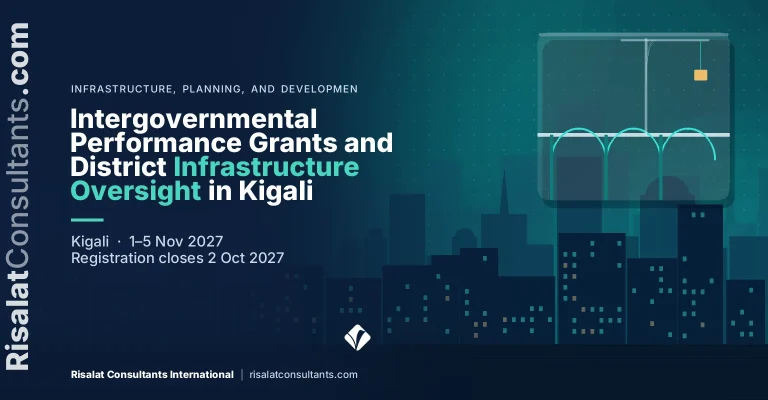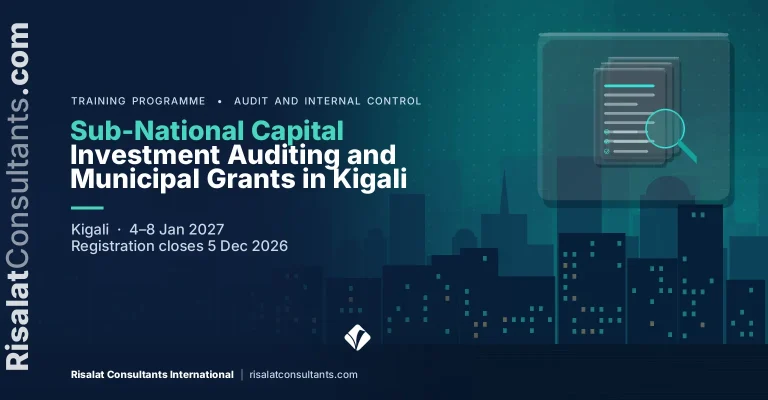
Sub-National Capital Investment Auditing and Municipal Grants in Kigali
Sub-national governments face mounting pressure to manage capital resources transparently while expanding essential basic services.
4–8 Jan 2027 Add to calendar
Your choices are remembered on this device. Designed to WCAG 2.2 AA · keyboard: Tab to move, Esc to close. Read our accessibility statement.
Press / to search from any page · Esc to close
An extensive array of accounting, finance, and audit-related programmes. Gain up-to-date knowledge and practical skills in budgeting, taxation, financial management, reporting, cost control, and much more.
Accounting & Finance training courses from Risalat Consultants International: 185 open dates in Dubai, Istanbul, Kigali and Singapore, for governments, international organisations, project teams and companies. Choose a date below, or ask us to run any course in-house.
Sub-national governments face mounting pressure to manage capital resources transparently while expanding essential basic services.
Sovereign exposure to climate shocks and natural hazards poses severe threats to macroeconomic stability and public expenditure programmes.
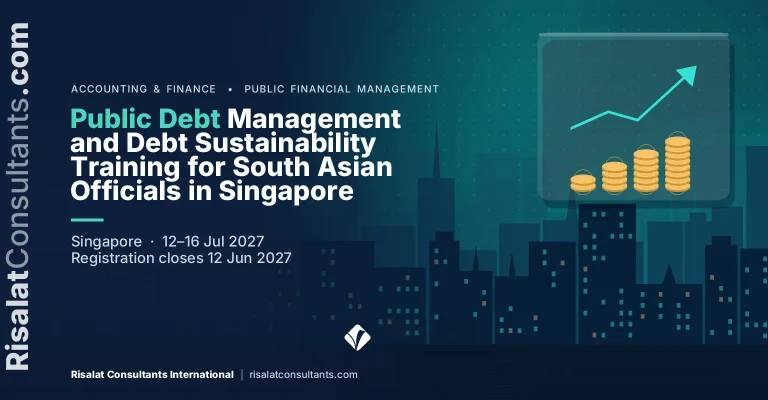
This programme gives officials and project teams the practical methods of public debt management and debt sustainability, built around real cases from public institutions…
The concept of revenue management is growing to gain acceptance in the restaurant industry.
Sub-national public expenditure requires rigorous oversight to guarantee that fiscal transfers yield tangible development outcomes.
Mega hydropower schemes require sophisticated financing architectures that blend public capital, commercial debt, and development assistance.
Small island developing states face severe macroeconomic vulnerabilities driven by narrow economic bases, external trade shocks, and disproportionate exposure to climate risks.
State-owned power utilities across developing markets face acute fiscal pressures, underpinned by unsustainable operational subsidies, aging network infrastructure, and severe revenue leakages.
This three-day professional training programme delivers rigorous capacity building in emergency fiscal mobilisation and post-disaster treasury execution.
This programme gives officials and project teams the practical methods of accessing climate finance: gcf and adaptation fund proposals, built around real cases from…
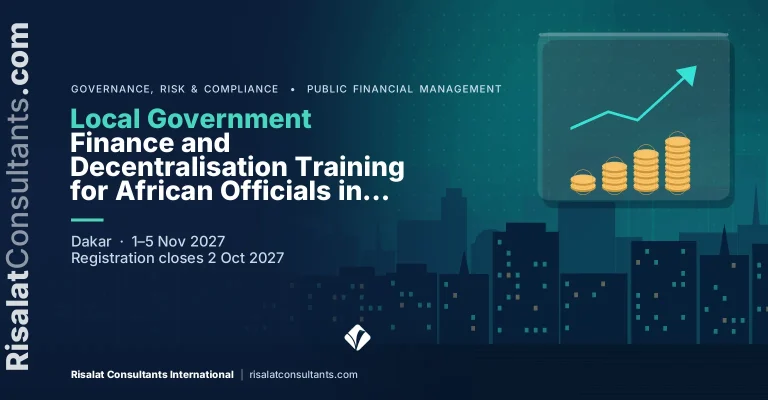
This programme gives officials and project teams the practical methods of local government finance and decentralisation, built around real cases from public institutions and…
A five-day programme in Almaty on running an internal audit function under the IIA Global Internal Audit Standards: charter, risk-based planning, COSO control testing,…
Macroeconomic volatility, terms of trade shocks, and climate vulnerability require robust domestic policy mechanisms to safeguard fiscal stability and economic growth.
Public transport infrastructure requires systematic valuation frameworks to ensure financial transparency, informed asset management, and sustained network serviceability.
Rapid urban growth in secondary cities requires local authorities to plan, finance, and maintain municipal infrastructure with greater strategic discipline.
This programme gives officials and project teams the practical methods of accessing climate finance: gcf and adaptation fund proposals, built around real cases from…
A five-day programme for distribution utilities, energy and finance ministries and regulators on energy accounting, metering, revenue protection, collection and results-based financing, with Dubai's…
A five-day programme in Budapest on accurate payroll preparation, controls and reconciliation, payroll audit and ghost worker detection, budgeting, Excel analysis and preparing payroll…
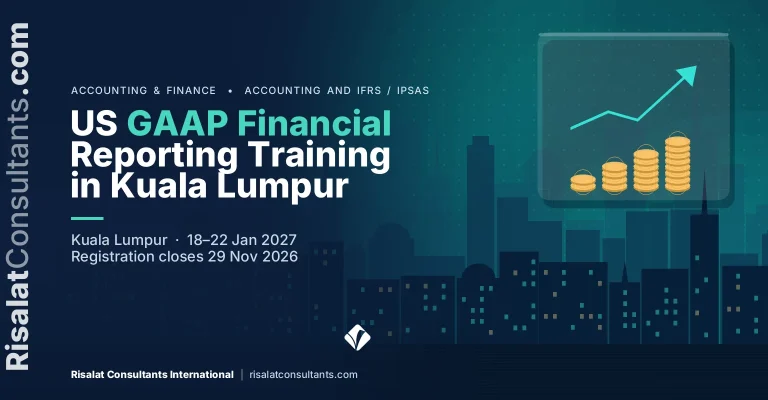
Practical us gaap financial reporting training in Kuala Lumpur with applied cases, structured exercises and an institutional action plan.
The information acquired from the organization’s financial statement is a primary indicator of its financial viability and helps to determine the entity’s overall direction.…
The role of CFO has been evolving along with the development or capital markets and organizational structures.
A five-day programme for road agencies, road funds, PPP units and finance ministries on maintenance planning and financing, performance-based contracts, payment planning, variations and…
Practical IFRS financial reporting training in Tbilisi with applied cases, structured exercises and an institutional action plan.
The oil and gas industry is quite diversified and heterogeneous.
Across developing and transition economies, World Bank-funded projects play a critical role in infrastructure, social development, and institutional reform, supported by practical approaches applied…
A three-day, hands-on programme in Delhi on preparing credible budgets: costing, baseline and outcome budgets, cash planning, rolling forecasts and variance analysis, using India's…
This programme gives officials and project teams the practical methods of ppp and infrastructure project finance, built around real cases from public institutions and…
This intensive training is designed to strengthen the capabilities of public sector professionals in managing public finances efficiently and aligning financial resources with measurable…
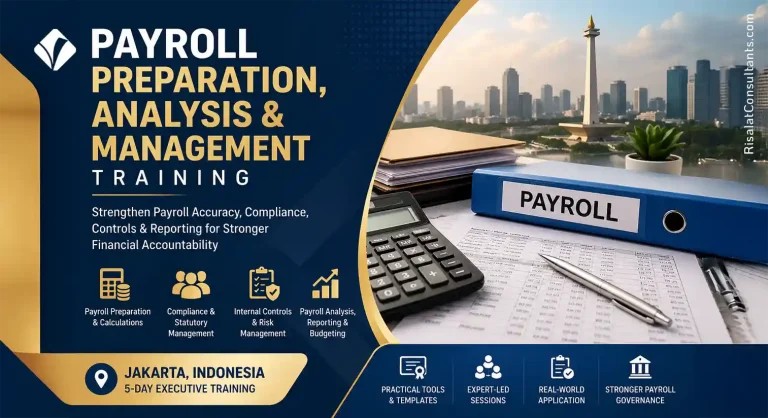
Strengthen payroll compliance, salary administration, internal controls, payroll reporting, budgeting, and financial accountability through executive Payroll Preparation Training in Jakarta designed for HR leaders,…
Applied five-day forensic accounting and fraud control training in Vilnius, with realistic case exercises, institutional tools and a practical improvement plan.
Practical Tools for Strategic Planning, Financial Discipline, and Performance Management The Effective Budgeting and Cost Control Training equips finance professionals, planning officers, auditors, and…
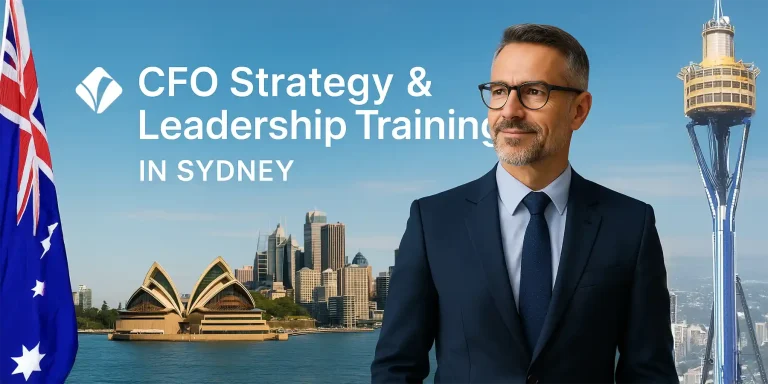
A five-day programme in Sydney for CFOs and senior finance leaders on strategy, capital allocation, treasury and risk, climate reporting under AASB S2, AI…
A five-day Helsinki programme on designing carbon taxes and emissions trading, assessing impacts, responding to the EU CBAM and Article 6, with an exposure…
Gender equality and social inclusion (GESI) are inevitably linked to the economic, social, and health outcomes of populations.
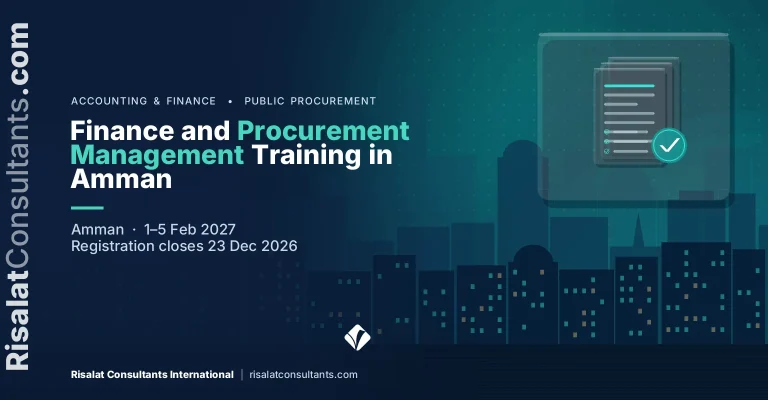
A five-day Amman programme linking budgeting, cash control and financial analysis with procurement planning, e-tendering, contract and supplier management, using Jordan's procurement and investment…
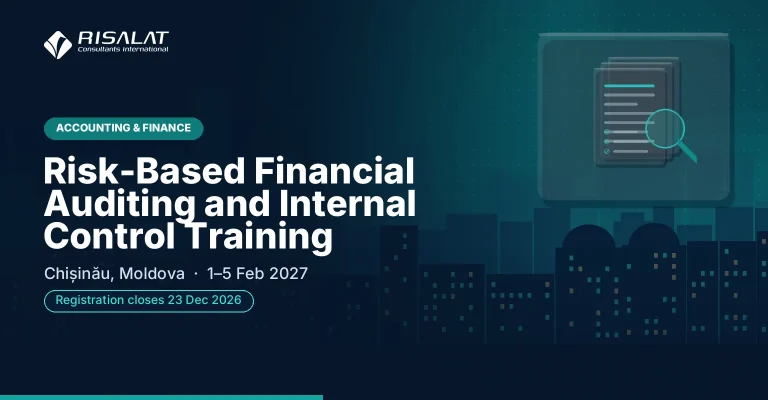
The Risk-Based Financial Auditing & Internal Control Training in Chisinau is designed to strengthen the ability of auditors and finance professionals to move beyond…
Applied five-day project financial management training in Yerevan, with realistic case exercises, institutional tools and a practical improvement plan.
A five-day advanced programme in Bangkok for budget, treasury, accounting and audit leaders: PEFA diagnostics, fiscal rules, MTEF, programme-based budgeting, fiscal risk, IPSAS and…
Applied five-day ESG investing and sustainable finance training in Stockholm, with realistic case exercises, institutional tools and a practical improvement plan.
The Recent Global Financial Crisis along with severe fiscal constraints experienced by many countries has underscored the need for governments to transparently report all…
Following the Paris Climate Accords, the world has witnessed a resurgence in the interest of policy instruments that put a price on greenhouse gas…
Public debt sustainability management is paramount for every country’s economic stability and resilience.
Adaptive social protection systems require robust delivery architectures to reach vulnerable populations during shocks and chronic poverty.
Sub-national governments face urgent demands to expand fiscal space and reduce reliance on volatile resource transfers.
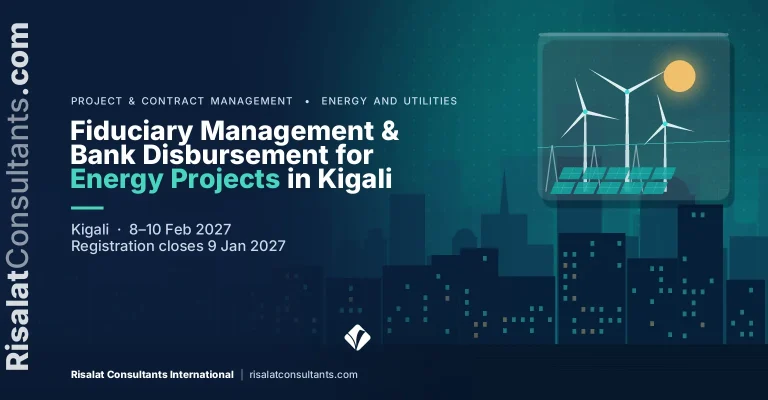
Energy sector investments funded by international development institutions require rigorous fiduciary control and adherence to precise financial management regulations.
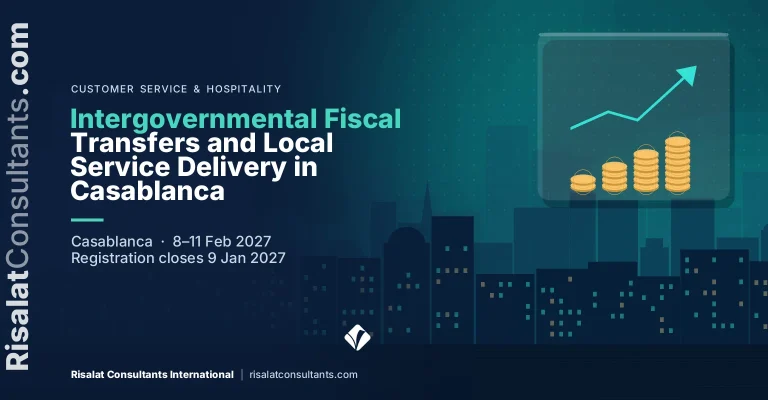
Effective intergovernmental fiscal transfers are essential for funding equitable local basic services in decentralising nations.
Sovereign exposure to climate extremes and natural hazards poses recurring threats to public balance sheets in vulnerable island economies.
School Non-Salary Budget Tracking and Digital Fund Automation is an intensive four-day professional programme in Baku designed to address the operational and governance challenges…
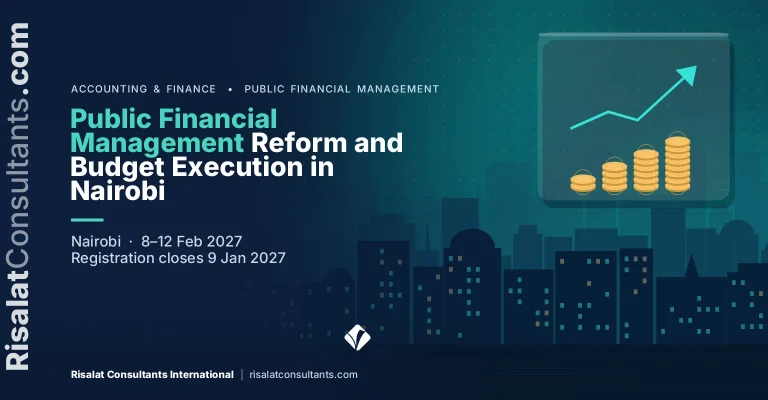
This programme gives officials and project teams the practical methods of public financial management reform and budget execution, built around real cases from public…
A five-day programme in Rotterdam on making regional trade corridors work: border waiting times, axle-load control, road fund revenue, asset management, PPPs, climate resilience…
Climate Finance Access & Proposal Development Training equips professionals with practical skills to design, structure, and submit bankable climate projects to international funding mechanisms.
Budgets play a crucial role in determining how an organization allocates and manages its resources, directly influencing operational efficiency and long-term sustainability.
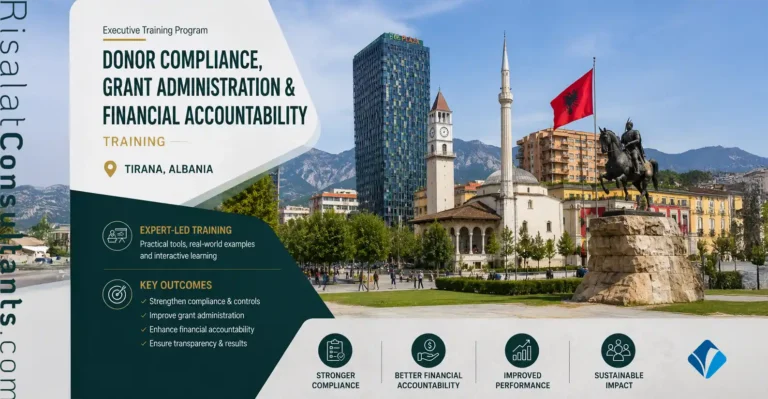
Donor Compliance, Grant Administration & Financial Accountability Training in Tirana equips professionals with practical tools to strengthen donor-funded project compliance, grants management, financial reporting,…
Public sector wage bills represent a substantial share of government expenditure, demanding rigorous oversight to prevent fiscal leakage.
Macroeconomic stabilization demands rigorous fiscal planning and quantitative forecasting, particularly when governments rationalise universal subsidies.
State-owned enterprises play a critical role in providing essential public services and driving national infrastructure development.
Sovereign disaster risk financing has emerged as an essential discipline for safeguarding national balance sheets against climate shocks and geological catastrophes.
A five-day IPSAS programme in Tbilisi based on the 2026 IPSASB Handbook, covering IPSAS 43, 45, 46, 47 and 48, financial instruments, consolidation, first-time…
Financial Management of Banks training in Jakarta, with practical methods for bank finance, capital, liquidity, asset-liability management and risk controls.
This programme gives participants practical knowledge and tools in fraud, audit and internal control, with a focus on what works in public institutions and…
This programme will provide an overview of risk management frameworks and will introduce the concept of fraud risk, including the factors that influence it.
A five-day programme in Phnom Penh for SOEs, agencies and companies that links process, capacity and inventory decisions to budgeting, costing, cash, CIFRS reporting…
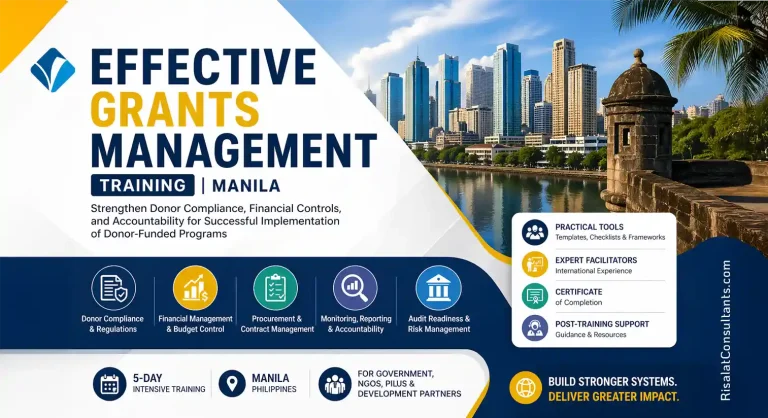
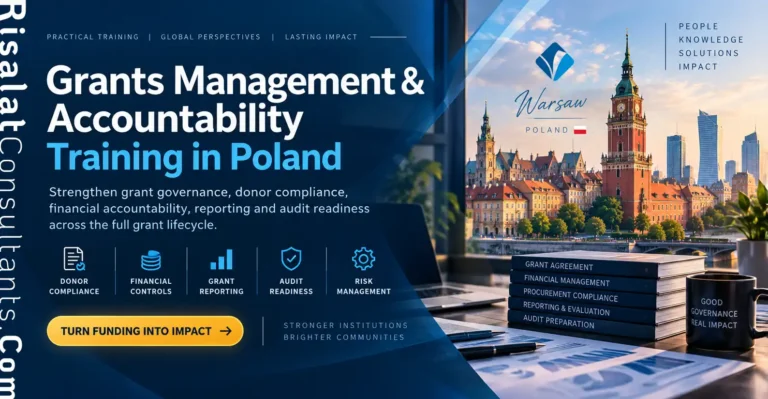
Effective Grants Management Training helps professionals strengthen donor compliance, grant administration, financial oversight, reporting systems, and institutional accountability across donor-funded projects, NGOs, government programmes,…
This programme gives participants practical knowledge and tools in public financial management and finance, with a focus on what works in public institutions and…
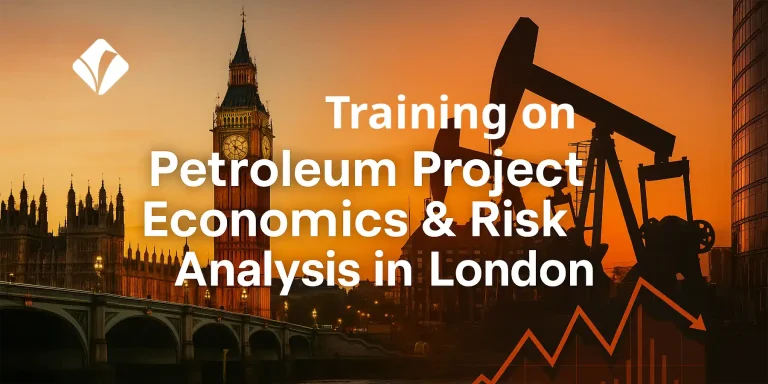
A five-day, Excel-based programme in London on petroleum cash flow modelling, fiscal regimes and government take, decision trees, Monte Carlo simulation and energy transition…
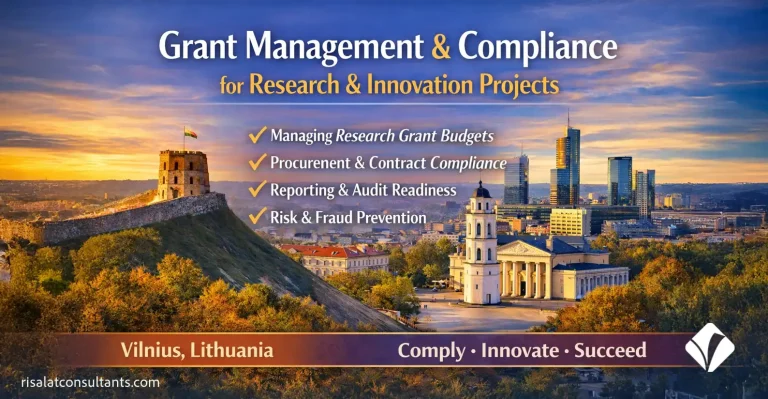
An applied programme in Vilnius for public agencies and development project teams seeking practical capability in research and innovation grant compliance, with guided workshops…
Fraud Investigation Detection & Prevention Training equips professionals with practical tools and forensic techniques to identify, investigate, and mitigate fraud risks across public sector…
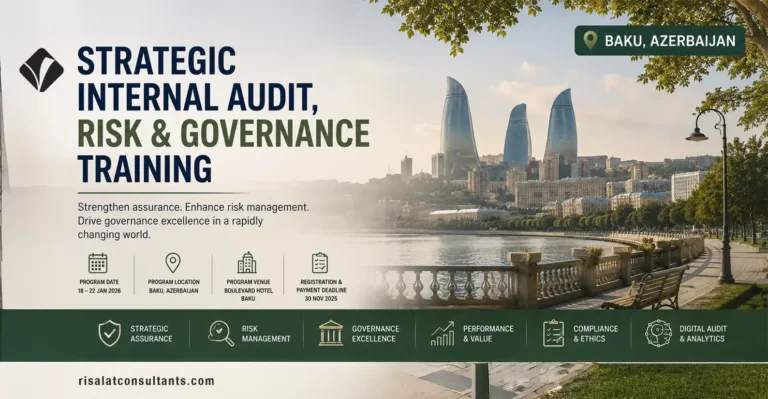
Strategic Internal Audit Training in Baku equips professionals with modern tools to strengthen governance, risk management, compliance, cybersecurity assurance, fraud prevention, organizational resilience, and…
Grants Management and Accountability Training covers all the administrative tasks related to handling funds, reporting, and programme implementation in a way that meets generally…
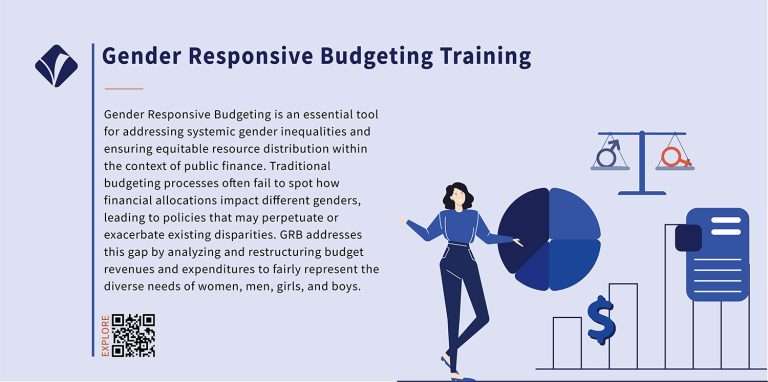
A three-day programme in Reykjavik for finance ministries, line ministries, municipalities and project teams that want to build gender analysis into budget preparation, tagging,…
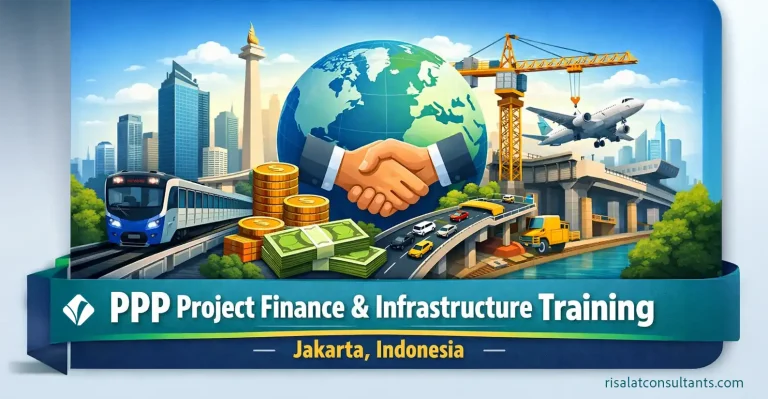
PPP Project Finance & Infrastructure Training plays a critical role in enabling infrastructure development where public finance alone is insufficient.
Budgets are essential to resource allocation allowing organizations to plan and organize financial, human, and material resources.
A five-day practical programme in Bishkek for ministries, agencies and enterprises on revenue forecasting, medium-term and programme budgeting, costing, variance analysis, cash flow and…
Effective Public Financial Management (PFM) is central to fiscal discipline, service delivery, transparency, and long-term economic stability.
This programme gives officials and project teams the practical methods of public financial management reform and budget execution, built around real cases from public…
State electricity utilities face severe financial pressures stemming from non-technical losses, unmetered consumption, and persistent billing collection deficits.
Sovereign disaster risk financing requires robust operational frameworks to ensure rapid liquidity deployment following acute shocks.
Climate-Responsive Public Investment Management (PIM) is essential for governments seeking to align national infrastructure portfolios with climate objectives.
Revenue administrations are undergoing significant operational transformations driven by digital systems, transaction-level reporting, and sophisticated analytical tools.
This programme gives officials and project teams the practical methods of ppp and infrastructure project finance, built around real cases from public institutions and…
This programme gives officials and project teams the practical methods of public debt management and debt sustainability, built around real cases from public institutions…
Sustainable project development requires not only technical expertise but also robust financial management.
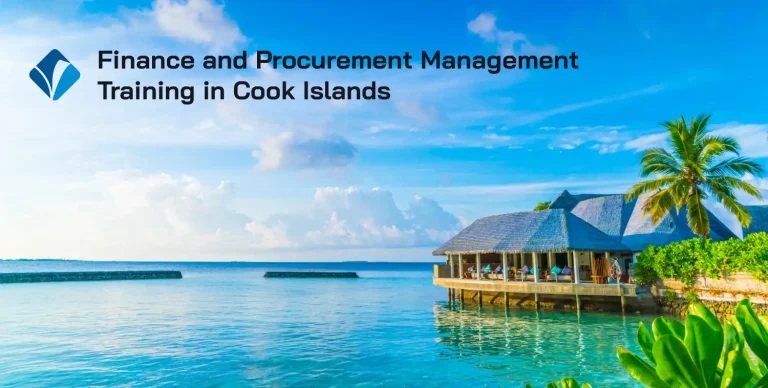
Finance and Procurement Management Training in Aitutaki, Cook Islands equips professionals with practical tools to strengthen financial performance, procurement efficiency, and accountability in donor-funded…
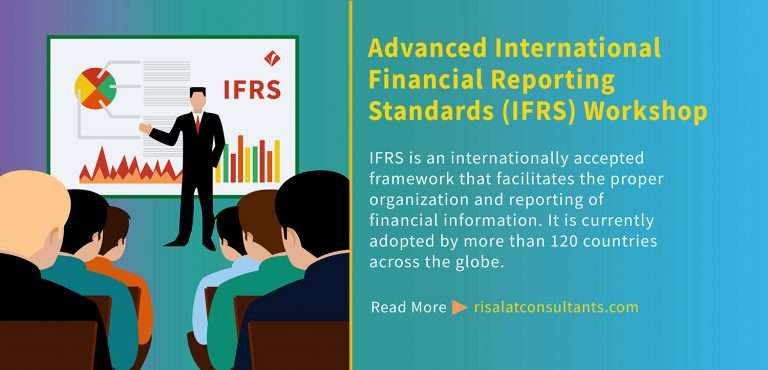
Practical advanced IFRS reporting training in Istanbul with applied cases, structured exercises and an institutional action plan.
Asset Management and Write-offs training in Hanoi, with practical methods for asset registers, lifecycle planning, verification and disposal controls.
A five-day programme in Riga on developing and financing wind, solar and storage projects: permitting, PPAs, financial modelling, debt structuring and development bank finance,…
Sub-national payroll auditing and intergovernmental fiscal verification are essential capabilities for public financial management in federated and decentralised governance structures.
Power utilities across developing economies face systemic liquidity crises, accumulating severe inter-agency arrears and mounting operational debt.
Green, Resilient and Inclusive Development represents an integrated approach to economic recovery and sustainable growth.
This programme gives officials and project teams the practical methods of local government finance and decentralisation, built around real cases from public institutions and…
A five-day programme in Singapore for finance, treasury and audit teams on bank reconciliation, trust and receiver accounts, investment, debt and guarantee registers, IFMS…
A five-day programme in Tbilisi for health managers and finance teams on budgeting, cash flow, service costing, provider payment, accrual-based reporting under current IPSAS,…
A five-day applied programme in Hong Kong on consistent macroeconomic frameworks, GDP nowcasting, machine-learning forecasting and responsible use of generative AI in ministries, central…
Fiscal decentralization plays a critical role in enhancing government efficiency, accountability, and responsiveness.
Fiscal decentralisation requires robust frameworks to balance local spending autonomy with central fiduciary oversight.
Public finance management during climate and seismic crises requires structured ex-ante planning and dependable contingency financing.
Industrial facilities account for a substantial share of energy consumption and greenhouse gas emissions across developing Asia.
This programme gives officials and project teams the practical methods of public financial management reform and budget execution, built around real cases from public…
This programme gives officials and project teams the practical methods of ppp and infrastructure project finance, built around real cases from public institutions and…
Health systems across sub-Saharan Africa are transitioning from input-based historical budgeting towards strategic purchasing and performance-based financing mechanisms.
This programme gives officials and project teams the practical methods of local government finance and decentralisation, built around real cases from public institutions and…
This programme gives officials and project teams the practical methods of natural resource revenue and sovereign fund governance, built around real cases from public…
This programme gives officials and project teams the practical methods of local government finance and decentralisation, built around real cases from public institutions and…
Modern public sector governance requires rigorous scrutiny of resources, programme delivery, and fiduciary management.
The governance of extractive industries requires public institutions to balance economic development with environmental stewardship and fiscal rigour.
Sound public financial management requires robust internal oversight, dependable payroll systems, and disciplined sub-national budget execution.
Sub-national authorities across Central and West Africa increasingly shoulder statutory mandates to deliver core public works while operating under stringent fiscal constraints.
This programme gives officials and project teams the practical methods of health systems strengthening and health financing, built around real cases from public institutions…
Contingent disaster financing operations represent an essential buffer against catastrophic climatic and geological shocks, protecting macroeconomic stability when extreme events unfold.
Decentralised school funding mechanisms are central to modern basic education service delivery across Africa.
This programme gives officials and project teams the practical methods of public financial management reform and budget execution, built around real cases from public…
Decentralised basic education funding requires robust institutional systems to translate national education grants into measurable learning outcomes.
Public investment management and public sector performance auditing are critical disciplines for ensuring capital expenditure translates into sustainable economic infrastructure.
Primary healthcare networks face profound operational pressures when balancing surging patient loads with fiscal constraints.
Revenue administrations face mounting pressure to optimise domestic resource mobilisation while transitioning away from burdensome, universal manual inspections.
Developing resilient domestic capital markets remains an essential policy priority for transitional economies seeking to reduce reliance on external foreign currency borrowing.
This programme gives officials and project teams the practical methods of natural resource revenue and sovereign fund governance, built around real cases from public…
This programme gives officials and project teams the practical methods of natural resource revenue and sovereign fund governance, built around real cases from public…
This programme gives officials and project teams the practical methods of ppp and infrastructure project finance, built around real cases from public institutions and…
Macroeconomic stability in climate-vulnerable island states and developing nations requires modern budgetary tools that recognise physical and transition risks.
Public finance institutions face intense operational pressures during major catastrophe events, requiring rapid liquidity mobilisation alongside rigorous budgetary control.
Primary education infrastructure requires systematic upkeep to guarantee safe, inclusive, and durable learning environments for children.
Electronic payment systems and digital cash transfers are central to modern social protection programmes, providing lifeline resources to vulnerable households.
Intergovernmental fiscal relations and recurrent expenditure controls form the backbone of modern public financial management in decentralised and federal states.
This programme gives officials and project teams the practical methods of accessing climate finance: gcf and adaptation fund proposals, built around real cases from…
Municipalities face intense pressure to deliver reliable local infrastructure whilst operating under strict budgetary constraints.
National power utilities face severe financial pressures stemming from sub-economic tariffs, legacy operational debts, and poor cash collection disciplines.
Sub-national public financial management requires transparent expenditure control, realistic medium-term commitments, and accountable intergovernmental funding mechanisms.
This programme gives officials and project teams the practical methods of ppp and infrastructure project finance, built around real cases from public institutions and…
Sound cash management and disciplined budget execution are indispensable for public sector financial resilience.
The Extractive Industries Transparency Initiative standard represents the global benchmark for the open and accountable management of oil, gas and mineral resources.
Small island developing states face distinct structural vulnerabilities, fiscal constraints, and external economic shocks that necessitate rapid, policy-based budget support.
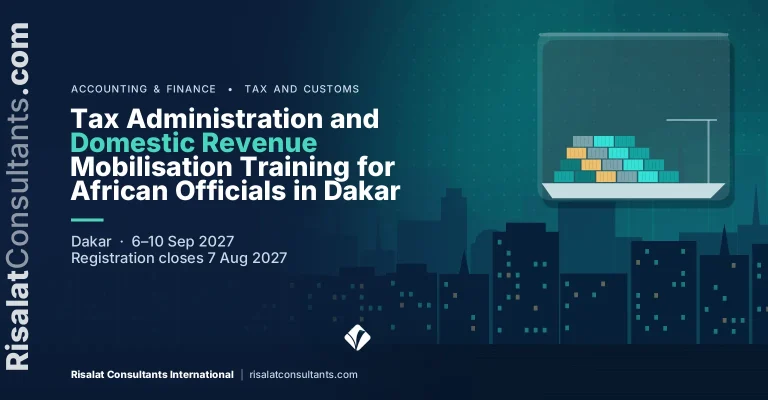
This programme gives officials and project teams the practical methods of tax administration and domestic revenue mobilisation, built around real cases from public institutions…
Multi-donor trust funds operate in intricate operational environments requiring rigorous oversight, multi-stakeholder reporting, and unyielding financial controls.
Energy sector financial viability remains a structural challenge for transition economies seeking to modernise their power systems and attract private capital.
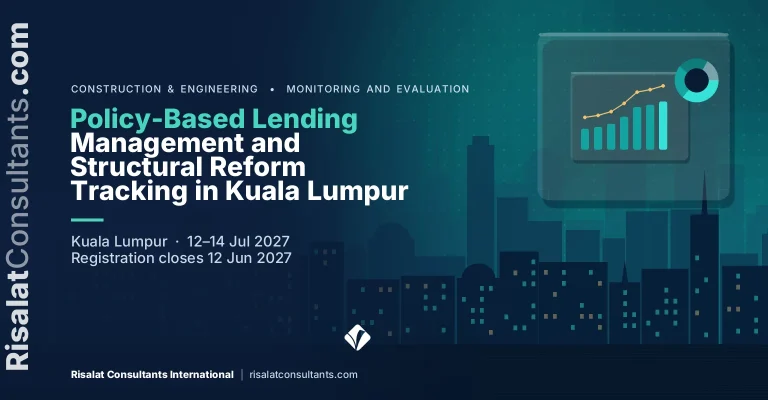
Policy-based lending operations require robust administrative machinery to ensure structural reform commitments translate into tangible policy achievements and timely loan disbursements.
This programme gives officials and project teams the practical methods of public debt management and debt sustainability, built around real cases from public institutions…
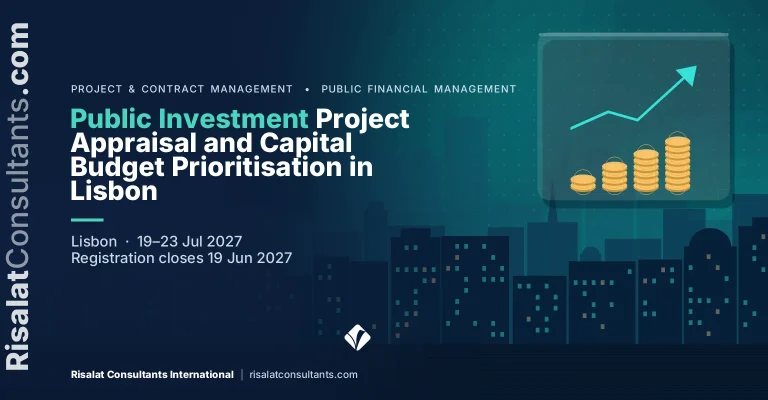
Sound capital budgeting demands robust analytical techniques and clear prioritisation mechanisms to ensure scarce public funds yield maximum socioeconomic returns.
This five-day professional training programme provides public sector leaders and economic advisors with advanced capabilities to steer, coordinate, and verify structural policy reforms.
Intergovernmental fiscal transfers form the cornerstone of subnational service delivery in decentralised public finance systems.
This programme gives officials and project teams the practical methods of accessing climate finance: gcf and adaptation fund proposals, built around real cases from…
This programme gives officials and project teams the practical methods of tax administration and domestic revenue mobilisation, built around real cases from public institutions…
Modern public financial management relies heavily on the strength, security, and integrity of digital architectures.
This programme gives officials and project teams the practical methods of health systems strengthening and health financing, built around real cases from public institutions…
Sovereign borrowers face complex financing environments requiring sophisticated credit enhancement mechanisms to access long-term commercial capital.
Maternal and child cash transfer programmes represent a vital lifeline for vulnerable households, yet delivering funds reliably requires robust administrative architecture.
Frontline primary health facilities in remote provinces face persistent operational bottlenecks that compromise service delivery.
Sub-national authorities operate on the front line of climate emergencies, requiring immediate access to liquidity following disaster events.
This four-day executive course equips financial authorities with technical tools to supervise savings and credit cooperatives, credit unions and microfinance institutions effectively.
This five-day professional training programme addresses the operational mechanics required to scale up safety net cash distributions in response to sudden climate anomalies.
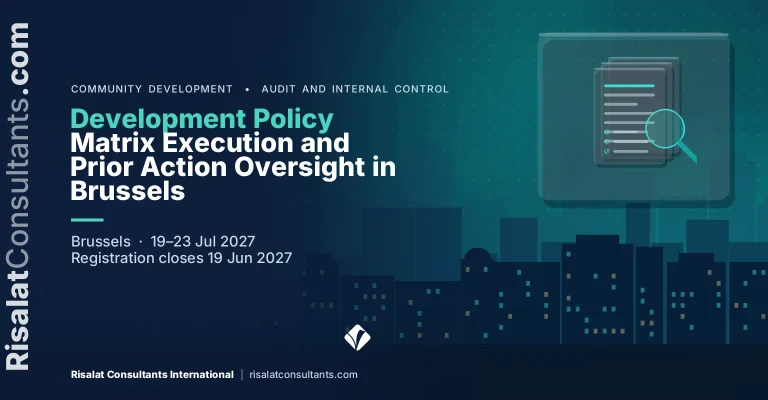
Development Policy Operations demand rigorous institutional coordination to translate high-level policy commitments into verified administrative actions.
Rapid urban growth across East Africa has created an urgent requirement for scalable residential housing finance solutions.
Treasury Single Account (TSA) architectures and sub-national financial control systems are vital components of modern public financial management reforms.
State-owned enterprises represent critical drivers of infrastructure delivery, employment, and public services, yet their commercial performance directly shapes national fiscal sustainability.
Achieving universal health coverage requires rigorous, transparent financing mechanisms that protect impoverished populations from catastrophic out-of-pocket medical expenditure.
This programme gives officials and project teams the practical methods of tax administration and domestic revenue mobilisation, built around real cases from public institutions…
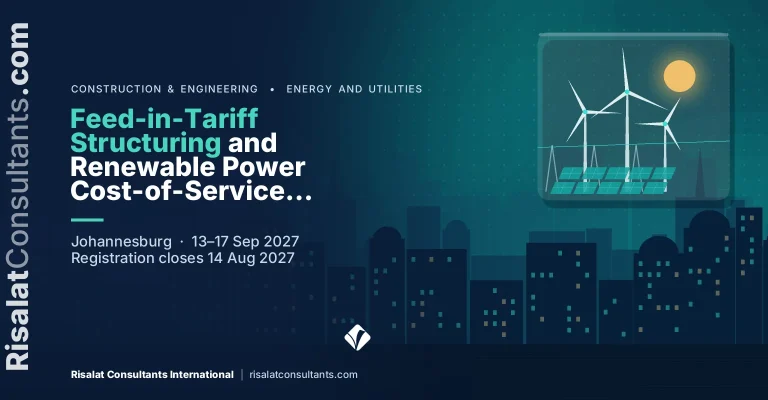
This five-day professional training programme delivers rigorous competencies in feed-in-tariff design and cost-of-service financial modelling for grid-connected renewable energy installations above 50kW.
Child healthcare systems require robust monitoring structures to ensure clinical standards translate into measurable reductions in infant and under-five mortality.
Sub-national governments face critical responsibilities in delivering frontline public services, requiring robust financial architecture and responsive governance.
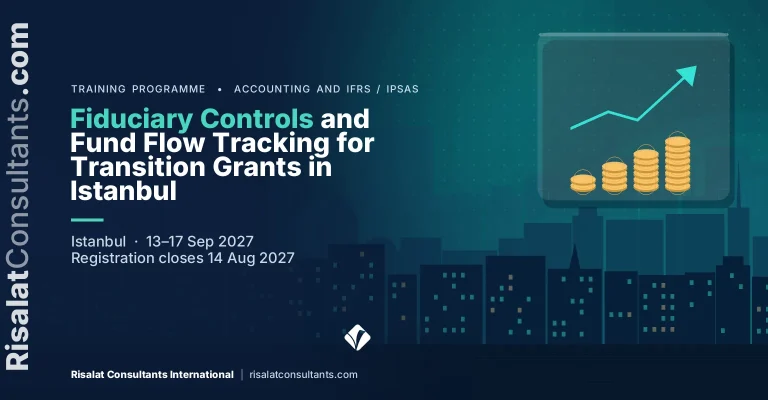
Transition grants deployed in fragile environments face considerable financial governance risks, requiring rigorous oversight and disciplined administrative stewardship.
The concept of revenue management is growing to gain acceptance in the restaurant industry.
Sovereign and sub-sovereign entities face an urgent imperative to mobilise private capital for climate resilience and sustainable infrastructure.
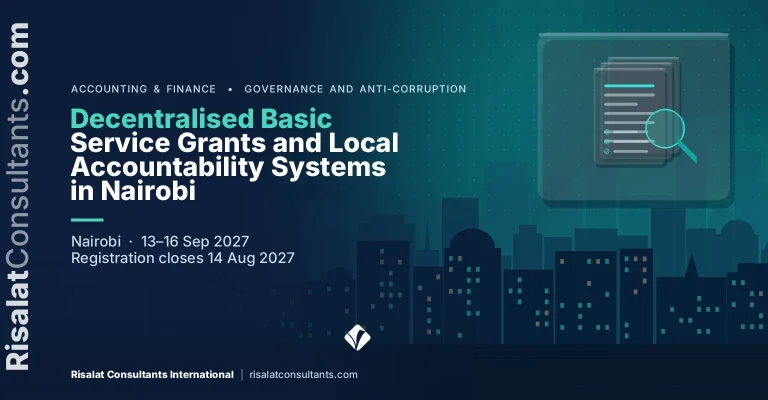
Decentralised Public Financial Accountability in Local Admin addresses the critical operational requirements for managing public resources at the sub-national tier.
This programme gives officials and project teams the practical methods of public debt management and debt sustainability, built around real cases from public institutions…
Commercial agriculture initiatives across West Africa increasingly rely on structured private sector partnerships to raise rural productivity and expand market access.
Sub-national administrations face continuous pressure to transform intergovernmental fiscal allocations into tangible public services.
This programme gives officials and project teams the practical methods of tax administration and domestic revenue mobilisation, built around real cases from public institutions…
This programme gives officials and project teams the practical methods of accessing climate finance: gcf and adaptation fund proposals, built around real cases from…
Development Policy Operations (DPOs) serve as critical instruments for delivering fast-disbursing budget support tied to institutional reforms.
Public finance systems in hazard-prone regions require robust architecture to navigate the fiscal shocks of climate events and natural disasters.
This programme gives officials and project teams the practical methods of natural resource revenue and sovereign fund governance, built around real cases from public…
Delivering emergency assistance and infrastructure support in conflict-affected regions demands rigorous oversight under severe access limitations.
Green Budget Tagging and Climate Fiscal Risk Management is an intensive four-day professional programme designed for public finance managers navigating the intersection of macro-fiscal…
This programme gives officials and project teams the practical methods of natural resource revenue and sovereign fund governance, built around real cases from public…
Intergovernmental fiscal transfers increasingly rely on performance-based allocations to incentivise institutional performance and improve local capital investments.
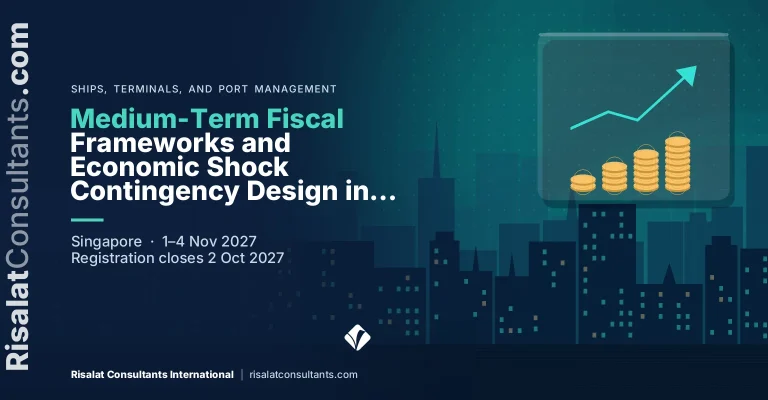
This four-day executive course in Singapore provides public finance professionals with modern methodologies to construct medium-term fiscal frameworks resilient to exogenous economic shocks.
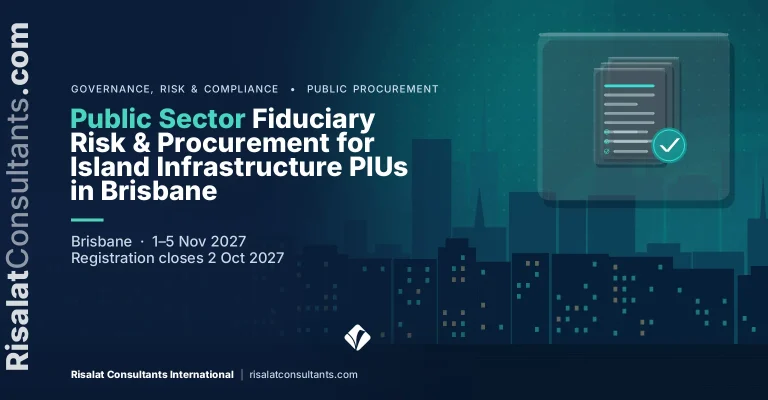
Island infrastructure development demands rigorous adherence to international public procurement standards alongside robust internal financial controls.
This programme gives officials and project teams the practical methods of local government finance and decentralisation, built around real cases from public institutions and…
This programme gives officials and project teams the practical methods of public financial management reform and budget execution, built around real cases from public…
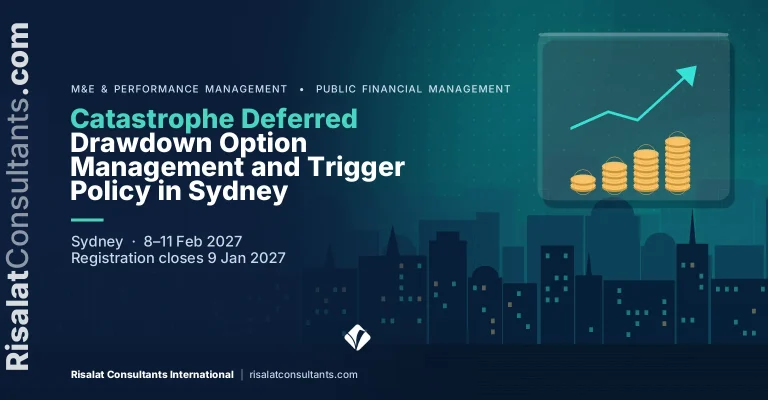
This five-day training programme delivers comprehensive operational expertise on Catastrophe-Deferred Drawdown Options and contingent liquidity facilities.
Sovereign disaster risk financing requires robust operational architecture to bridge the critical gap between immediate catastrophe response and long-term reconstruction.
This five-day professional training programme provides intensive instruction on operational controls for cash-based social assistance.
Sub-national governance structures in fragile and conflict-affected environments face severe operational hurdles when translating central policies into local community assets.
Sovereign guarantee operations and policy reform implementation have become central to modern public financial management.
Sub-national governments face mounting pressure to deliver resilient public infrastructure whilst managing constrained intergovernmental revenue allocations.
Try another month or city, or ask us to run this programme on dates that suit you.
Request your datesRisalat has 185 open Accounting & Finance courses in 59 cities (Dubai, Istanbul, Kigali, Singapore, Casablanca and Nairobi and others), from 4 Jan 2027 to 15 Nov 2027. A typical course lasts 5 days. Fees start at £1,300 per participant.
Subjects covered most often: Audit and internal control, Public financial management, Governance and anti-corruption, Accounting and IFRS / IPSAS and Climate change and environment.
The courses are written for governments, public agencies, teams running donor-financed projects and companies. Sessions combine short inputs, case studies and group work on participants' own files.
Ranked by how often the subject has run in this field and by registrations.
Risalat also advises institutions on these subjects:
Free tools to prepare before a course:
There are 185 upcoming Accounting & Finance courses in Dubai, Istanbul, Kigali, Singapore, Casablanca and Nairobi, starting between 4 Jan 2027 and 15 Nov 2027.
Fees for the upcoming courses range from £1,300 to £6,750 per participant. Each programme page shows its own fee. Payment is by invoice and bank transfer.
The next one is Sub-National Capital Investment Auditing and Municipal Grants in Kigali, 4-8 Jan 2027 in Kigali (5 days). Registration closes on 5 Dec 2026.
Upcoming dates are in Dubai, Istanbul, Kigali, Singapore, Casablanca, Nairobi, Bangkok and Kuala Lumpur. Teams from any country can join, and the course can also be delivered in your own country or online.
Yes. Any Risalat programme can be delivered in-house for one institution, in your own country or online, on dates that suit your team and adapted to your own documents. Request a proposal.
It depends on your passport: the free Visa Check shows the visa type, processing time and documents for the host country. Registered participants can request an invitation letter: self-funded participants receive it after full payment, sponsored participants on receipt of an official nomination letter and a payment commitment. Embassies can check the letter online.
Yes. Participants receive a Risalat certificate with its own code and QR code, which anyone can check online at risalatconsultants.com/verify.
You qualify for the discount if you register as a group. See the discount plans and cancellation policy.
We tailor any programme to your institution, in-house, online or in a city of your choice, with content built around your projects. Payment is by invoice and bank transfer.
Essential cookies keep this site secure. With your permission we also use analytics and advertising cookies. Cookie policy
Google Analytics counts visits: in the EU, the UK and Switzerland only after you accept, elsewhere unless you reject it. You can change your choice at any time from “Cookie settings” at the bottom of every page.
The Risalat Brief: one short report a week on a real delivery problem in procurement, safeguards, M&E or public finance, its causes and what works. No adverts; unsubscribe any time.
By subscribing you agree to receive our newsletter. Privacy policyMost questions (dates, fees, visas, registration, invoices) are answered fastest in our website chat, which also keeps a record for your team. For anything else, email info@risalatconsultants.com.
Still urgent?
Please do not send documents or payment details by WhatsApp.