Municipal Piped Water Network Operations and NRW Reduction in Dili
Municipal piped water systems face acute operational stresses that undermine service reliability and revenue collection.
4–8 Jan 2027 Add to calendar
Your choices are remembered on this device. Designed to WCAG 2.2 AA · keyboard: Tab to move, Esc to close. Read our accessibility statement.
Press / to search from any page · Esc to close
A unique assortment of programmes to help you build strong capacity for infrastructure planning and coordination and serve both new and existing development.
Infrastructure, Planning, and Development training courses from Risalat Consultants International: 178 open dates in Dubai, Istanbul, Singapore and Casablanca, for governments, international organisations, project teams and companies. Choose a date below, or ask us to run any course in-house.
Municipal piped water systems face acute operational stresses that undermine service reliability and revenue collection.
Rapid urban expansion across developing regions places acute pressure on public sanitation and stormwater infrastructure.
Rural feeder road engineering is central to expanding agricultural logistics, market access, and basic social services across sub-Saharan Africa.
Rural feeder road networks form the backbone of agricultural supply chains and socio-economic integration across East Africa.
Rapid metropolitan expansion across East Africa places severe pressure on natural drainage basins and municipal infrastructure.
Community-Driven Rural Infrastructure Planning and Asset Management in Baku equips municipal and regional practitioners with practical skills to plan, execute, and sustain village-level infrastructure.…
Airfield infrastructure in small island developing states faces severe operational and environmental pressures, requiring stringent adherence to international civil aviation norms.
Rapid urban growth in secondary cities places immense strain on storm drainage networks, natural outfalls, and collector roads.
This five-day professional training programme provides comprehensive instruction on international aerodrome safety certification and compliance frameworks.
Mega hydropower schemes require sophisticated financing architectures that blend public capital, commercial debt, and development assistance.
Coastal transport infrastructure in small island developing states faces acute vulnerability to sea-level rise, intense storm surges, and cyclonic weather patterns.
Developing national fibre optic backbones requires robust contractual frameworks and technical oversight to ensure non-discriminatory open access.
This intensive five-day programme delivers operational engineering and regulatory skills required to implement cyclone-resilient housing recovery in island environments.
Municipalities across Armenia face pressing demands to modernise micro-projects and municipal utilities while securing durable public value.
Urban transit interchanges serve as critical nodes within modern public transport networks, bridging spatial fragmentation and facilitating high-capacity passenger movement across diverse modes.
Public transport infrastructure requires systematic valuation frameworks to ensure financial transparency, informed asset management, and sustained network serviceability.
Rapid urban growth in secondary cities requires local authorities to plan, finance, and maintain municipal infrastructure with greater strategic discipline.
A five-day programme for road agencies, road funds, PPP units and finance ministries on maintenance planning and financing, performance-based contracts, payment planning, variations and…
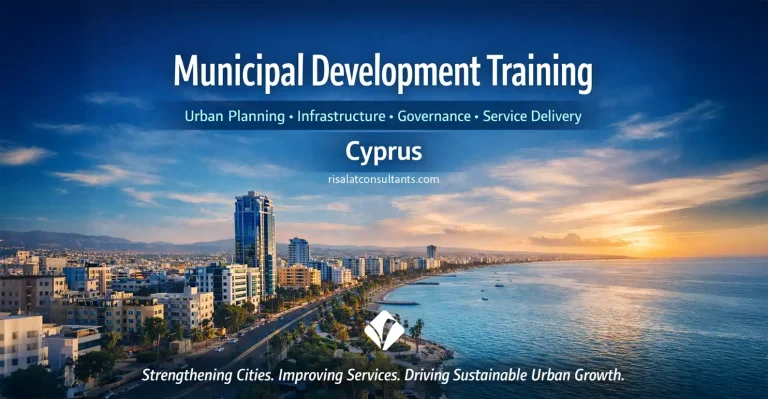
Municipal Development Training focuses on strengthening the capacity of local governments, municipalities, and development partners to design, plan, and manage sustainable urban development initiatives.…
Humanitarian Shelter and Settlements training in Helsinki, with practical methods for shelter options, site planning and protection-led humanitarian delivery.
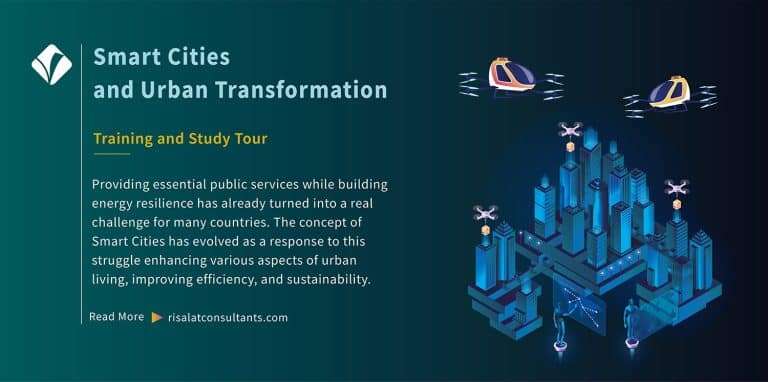
Smart Cities and Urban Transformation have become central priorities for governments and urban authorities as cities expand rapidly across the globe.
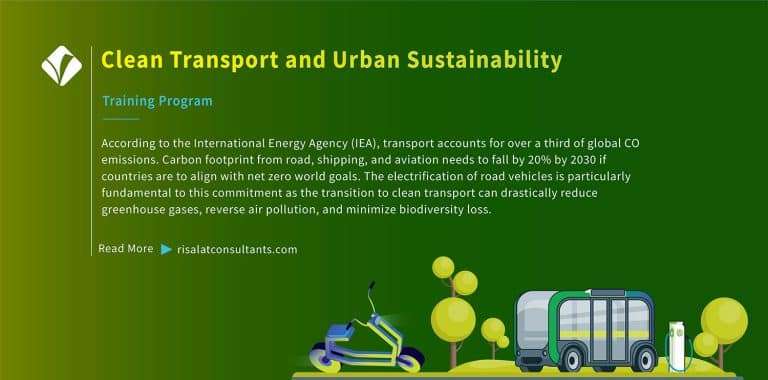
According to the International Energy Agency (IEA), transport accounts for over a third of global CO emissions.
Digital transformation in agrarian reform requires robust spatial frameworks and reliable administrative titling systems.
Rapid urban growth demands high-capacity, dependable public transport networks that alleviate severe road congestion and cut carbon emissions.
Rural sanitation programmes require robust technical solutions adapted to low-density settlements and challenging ground conditions.
Secondary cities face growing pressure to modernise aging infrastructure, expand public services, and stimulate local economic development.
This programme gives officials and project teams the practical methods of road asset management and road safety, built around real cases from public institutions…
This programme gives officials and project teams the practical methods of ppp and infrastructure project finance, built around real cases from public institutions and…
Urban infrastructure planning and sustainable development have become central priorities for governments, city authorities, and development partners as cities face rapid population growth, climate…
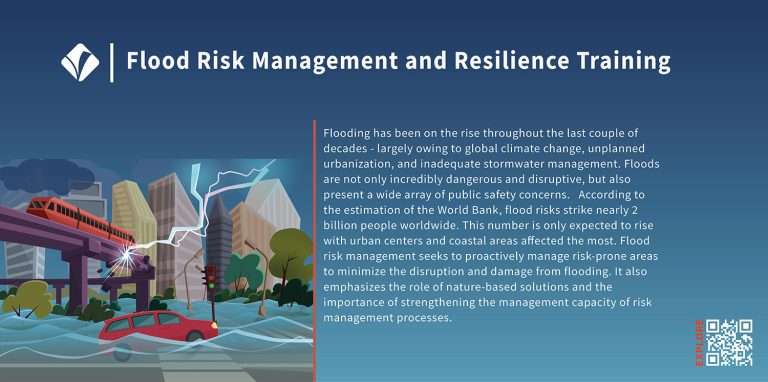
Flood Risk Management, Climate Resilience & Urban Flood Adaptation Training equips professionals with practical knowledge, internationally recognized frameworks, and innovative approaches to reduce flood…
Cross-sectoral, Participative, and Integrated Land use planning has been recognized as an essential tool for local resource management.
An applied programme in Phnom Penh for public agencies and development project teams seeking practical capability in rural road safeguards and resettlement planning, with…
Aviation expansion in vulnerable coastal zones requires rigorous environmental safeguarding to balance operational connectivity with ecological stability.
Small island developing states face distinct geographical challenges in municipal waste management, characterised by severe land scarcity, fragile marine ecosystems, and dispersed atoll populations.…
High-capacity urban transit systems require rigorous operational planning, dependable asset stewardship, and robust digital integration to deliver reliable public transport services.
Rural road infrastructure serves as the primary lifeline for agricultural productivity, basic service delivery, and market integration across developing economies.
The Trans-Caspian International Transport Route, known as the Middle Corridor, is a vital trade artery connecting East Asia to Europe.
This five-day professional training programme delivers specialised technical competencies for designing, upgrading, and preserving highway infrastructure in mountainous and high-rainfall tropical environments.
A five-day programme in Rotterdam on making regional trade corridors work: border waiting times, axle-load control, road fund revenue, asset management, PPPs, climate resilience…
This intensive five-day programme delivers essential engineering methodologies for the rapid rehabilitation and protection of vital transit routes subject to severe degradation and geohazards.…
Airfield infrastructure demands rigorous oversight to guarantee operational safety, regulatory compliance, and asset longevity.
This programme gives officials and project teams the practical methods of urban planning and municipal service delivery, built around real cases from public institutions…
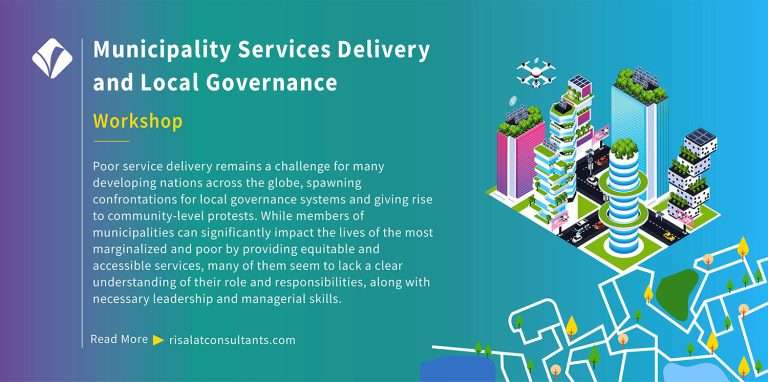
Municipal Governance Training in Vienna equips public-sector professionals, municipalities, urban authorities, and development practitioners with practical tools to strengthen local governance systems, improve public…
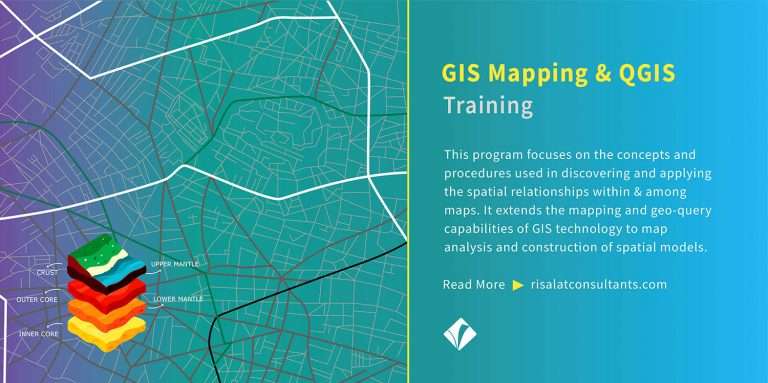
Practical gis mapping and qgis training in Abu Dhabi with applied cases, structured exercises and an institutional action plan.
Road networks play a critical role in economic development and regional connectivity, facilitating trade, mobility, and access to employment opportunities while supporting industrial growth,…
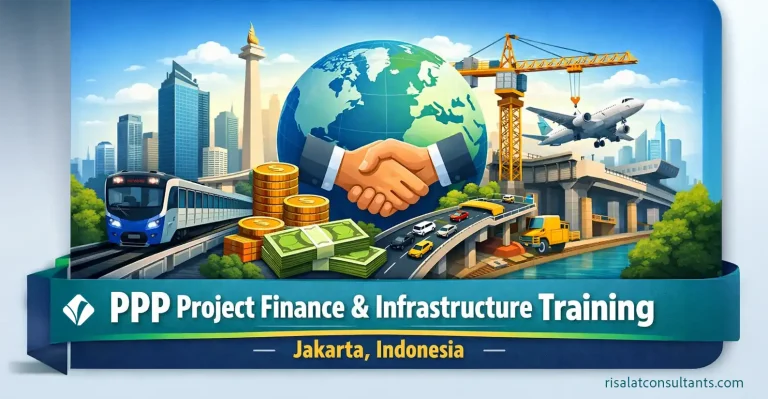
PPP Project Finance & Infrastructure Training plays a critical role in enabling infrastructure development where public finance alone is insufficient.
National digital transformation agendas depend on reliable, high-capacity middle-mile infrastructure to connect underserved regions and lower wholesale transit costs.
Rapid urban expansion across Southeast Asia places severe operational pressure on municipal drainage infrastructure.
Branch road networks are essential for linking rural communities to agricultural markets, basic healthcare, and administrative centres.
Rural feeder roads provide the critical link between isolated farming communities and regional economic hubs across West Africa.
Rapid urbanization, fragile institutional frameworks, and intensifying climatic extremes pose severe challenges to municipal infrastructure across developing and post-conflict regions.
Expanding affordable home ownership requires robust institutional frameworks that combine state-backed financial assistance with sound credit underwriting.
Road traffic collisions present an urgent challenge for national highway networks, requiring rigorous engineering interventions to prevent fatalities and severe injuries.
Rural feeder road networks across Pacific island nations face severe operational challenges due to high-intensity rainfall, steep catchments, and vulnerable subgrades.
Modernising public administration requires resilient digital foundations that dismantle data silos and improve public service delivery.
This programme gives officials and project teams the practical methods of road asset management and road safety, built around real cases from public institutions…
A five-day Brussels programme on integrated marine spatial planning: data, zoning, stakeholder engagement, protection, blue finance and plan review, using Belgian, EU and international…
Air navigation services are undergoing rapid technological transformation driven by satellite capability, digital integration, and stringent international safety standards.
Island environments present unique technical challenges for civil infrastructure, where high groundwater tables, porous coralline soils, and low-lying topography limit conventional gravity networks.
High-volume transit corridors across Central Asia face severe structural degradation from increasing axle loads and heavy freight traffic.
Rapid urbanisation across Pacific Island nations has accelerated the growth of unplanned peri-urban areas and informal settlements.
This programme gives officials and project teams the practical methods of ppp and infrastructure project finance, built around real cases from public institutions and…
Health facility infrastructure upgrading demands a rigorous alignment between architectural civil works, clinical engineering, and operational systems.
Digital transformation across emerging markets requires robust broadband infrastructure to support expanding public e-services and commercial enterprise.
Coastal transport corridors across the Pacific region face severe structural vulnerability due to marine exposure, intense tropical rainfall, and terrain instability.
Rapid displacement presents severe operational challenges for urban municipal authorities and rural host settlements.
Rural transport networks in fragile regions face severe disruptions from unmanaged surface runoff, sudden flash floods, and accelerated erosion.
Municipalities and public environmental agencies face growing pressure to shift from unmanaged disposal sites to compliant, modern sanitary infrastructure.
This programme gives officials and project teams the practical methods of urban planning and municipal service delivery, built around real cases from public institutions…
The transition to zero-emission public transport corridors requires specialised operational oversight and robust infrastructure management.
Rapid urbanisation across East African coastal regions has led to the proliferation of informal settlements situated within flood-prone, low-lying basins.
This five-day professional training programme provides highway maintenance managers and engineers with practical tools to implement long-term performance-based maintenance contracts (PBC).
This programme gives officials and project teams the practical methods of ppp and infrastructure project finance, built around real cases from public institutions and…
Rapid urbanisation and intensifying precipitation events present critical engineering challenges for municipal authorities across East Africa.
Rapid urbanisation across East Africa demands structured mechanisms for municipal capital expenditure and resilient infrastructure delivery.
This four-day professional course addresses the operational demands of delivering employment-intensive civil works within rural transport networks.
Mountain road infrastructure faces sustained threats from extreme weather, seismic activity, and slope instability, disrupting vital connectivity for isolated rural communities.
This five-day professional training programme provides specialised instruction on sustainable infrastructure planning, physical siting, and environmental stewardship for outer island tourist circuits.
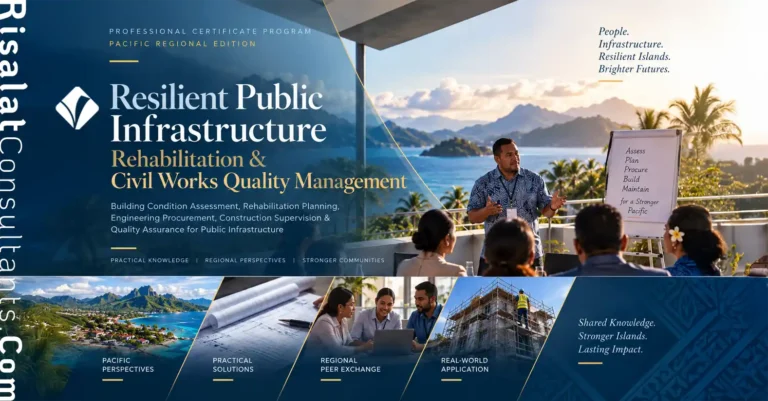
This Public Infrastructure Rehabilitation Training provides a practical framework for building condition assessment, rehabilitation planning, climate-resilient design, engineering procurement, construction supervision and QA/QC.
This five-day professional training programme provides public sector specialists with essential technical and operational knowledge for implementing large-scale broadband infrastructure.
Sub-national authorities across Central and West Africa increasingly shoulder statutory mandates to deliver core public works while operating under stringent fiscal constraints.
Healthcare infrastructure planning requires technical precision, clinical compliance, and structural resilience.
Output and Performance-Based Road Contracts represent a fundamental shift from traditional input-based civil works contracting to long-term service level management.
Municipalities and public transit bodies across emerging markets are transitioning from diesel-reliant fleets to clean electric transport systems.
Public transport authorities face expanding mandates requiring institutional realignment, robust regulatory structures, and unified service standards.
Municipal district heating systems across Central Asia face acute operational challenges rooted in aged infrastructure, high distribution losses, and severe network inefficiencies.
Cross-border trade efficiency relies on streamlined customs procedures, coordinated border agency interventions, and robust transport corridor operations.
Modern airport passenger terminals are energy-intensive facilities operating continuously under demanding environmental and operational constraints.
Rapid urbanisation in developing economies places severe pressure on public health and sanitation infrastructure.
Rapid urban expansion across small island developing states requires robust spatial planning frameworks that prevent settlement sprawl into fragile ecological areas.
This programme gives officials and project teams the practical methods of road asset management and road safety, built around real cases from public institutions…
Rapid urban growth around major maritime gateways creates acute tensions between commercial logistics operations and daily metropolitan mobility.
Road authorities across developing economies face critical challenges in reducing road traffic fatalities along regional transport corridors.
Efficient freight connectivity underpins economic diversification and industrial competitiveness across emerging trade corridors.
Secondary Road Rehabilitation and Climate-Proof Pavement Design is an intensive five-day programme delivered in Tbilisi, Georgia.
This programme gives officials and project teams the practical methods of ppp and infrastructure project finance, built around real cases from public institutions and…
This four-day professional executive programme equips public sector leaders and technical experts to structure sustainable public-private partnerships for rural broadband infrastructure.
Aviation infrastructure modernisation requires rigorous attention to social risk management, land acquisition, and local community rights.
Rapid urbanisation across West and North Africa places critical pressure on municipal infrastructure, demanding resilient waste containment and modern treatment solutions.
Municipalities face intense pressure to deliver reliable local infrastructure whilst operating under strict budgetary constraints.
Expanding digital connectivity into underserved rural areas requires robust public intervention, sound regulatory instruments, and well-structured capital investments.
Island states face acute vulnerabilities to extreme weather events that regularly sever critical transport corridors.
Mountain road networks in rugged terrains face severe vulnerability to rainfall-triggered landslides, surface erosion, and toe slope destabilisation.
This programme gives officials and project teams the practical methods of road asset management and road safety, built around real cases from public institutions…
This programme gives officials and project teams the practical methods of ppp and infrastructure project finance, built around real cases from public institutions and…
Cross-border road transport corridors serve as vital economic lifelines across West Africa, connecting landlocked regions and production centres to international maritime gateways.
Municipal infrastructure in conflict-affected and fragile settings requires rapid, structured restoration to ensure civilian mobility and public health.
Rapid urban expansion across West Africa demands resilient, high-capacity public transport networks capable of reducing severe congestion and structuring metropolitan growth.
Modernising land administration requires robust spatial foundations and streamlined legal processes.
This four-day executive training programme delivers rigorous capacity building in telecommunications policy, legal architecture, and regulatory enforcement.
Sub-national industrial cluster planning and resilient local economic infrastructure are essential for balanced territorial growth.
Managing municipal solid waste across dispersed archipelagos presents severe operational and environmental challenges.
Lowland and coastal transport corridors present critical engineering risks that demand rigorous geotechnical and hydraulic expertise.
Island economies depend fundamentally on resilient air connectivity to sustain trade, food security, and access to essential medical supplies.
This four-day professional course addresses the critical engineering and logistical challenges of rural connectivity across West Africa, focusing on agricultural corridors in Senegal.
High-volume expressway corridors require robust engineering oversight, disciplined contract administration, and reliable revenue collection architectures.
Heritage asset management requires balancing rigorous physical conservation with financial sustainability and visitor access.
Rapid urban growth across Pacific Island nations has intensified the demand for low-cost residential housing that can withstand severe tropical cyclones and earthquakes.
Sound capital budgeting demands robust analytical techniques and clear prioritisation mechanisms to ensure scarce public funds yield maximum socioeconomic returns.
Affordable housing delivery depends on well-capitalised financial intermediaries and robust secondary market institutions.
Coastal settlements face increasing threats from intense tropical cyclones, storm surges, and riverine flooding.
Rapid urbanisation and climate volatility present severe operational risks to municipal authorities responsible for secondary cities and metropolitan centres.
This four-day professional course equips public sector technology leaders with the strategic and operational competencies required to implement robust digital infrastructure.
Urban centres across Central Asia confront critical air quality challenges, particularly during winter heating seasons when particulate matter concentrations surge.
Modern agrarian reform initiatives require reliable, digital spatial frameworks to convert collective land holdings into individual property titles.
Climate change continues to escalate the frequency and severity of extreme rainfall events across Southeast Asia, placing rural transport networks under unprecedented hydrological stress.…
Preserving rural road networks requires robust contracting systems and consistent local oversight.
Mountain highway networks in Central Asia and the South Caucasus face severe geotechnical hazards that disrupt essential transit corridors and community access.
Groundwater depletion, saline intrusion, and insufficient wastewater conveyance create severe public health and infrastructure hurdles across rapidly urbanising basins.
Road maintenance management is undergoing a structural shift towards Output- and Performance-Based Road Contracts (OPBRC) across emerging transport corridors.
Subsea fibre-optic infrastructure forms the critical foundation of global connectivity, yet landing a cable does not automatically translate into affordable access.
Commercial agri-corridor roads form the operational backbone for agricultural transformation, connecting farming communities to regional processing hubs and export markets.
Rapid urbanisation requires public authorities to modernise transit corridors, upgrade terminal infrastructure, and transition informal services into regulated networks.
Mountainous highway corridors face continuous operational and structural threats from geotechnical hazards, rockfalls, and rainfall-induced slope failures.
Developing resilient national backbone networks requires public institutions to transition towards open-access principles and structured wholesale telecommunications markets.
Sub-national administrations face distinct operational hurdles when translating central policies into resilient community infrastructure.
This programme gives officials and project teams the practical methods of climate-resilient low-cost housing design and rural reconstruction, built around real cases from public…
This four-day professional course addresses the critical structural challenges that constrain micro, small, and medium enterprise finance in developing economies.
Secondary education systems across Eastern Africa face urgent demands to modernise scientific and technical learning spaces while addressing systemic barriers affecting female learners.
Output- and Performance-Based Road Contracting (OPBRC) represents a substantial shift from traditional ad-hoc road maintenance to long-term asset preservation.
Rural road networks across island economies face severe maintenance deficits, leaving critical corridors vulnerable to severe weather, erosion, and rapid deterioration.
This programme gives officials and project teams the practical methods of road asset management and road safety, built around real cases from public institutions…
Rapid urbanisation across intermediate municipalities requires rigorous approaches to transport planning and traffic operations.
Rapid urbanisation across Southern African metropolitan areas demands high-capacity public transport solutions to resolve chronic corridor congestion.
Industrial parks and special economic zones serve as vital instruments for accelerating structural transformation, attracting foreign direct investment, and generating high-value employment.
Rural feeder road networks form the backbone of local economies, enabling market access and social mobility across secondary and rural regions.
Inland waterway transport offers an energy-efficient, high-capacity alternative to congested road networks, particularly for rapidly industrialising economies managing substantial bulk and containerised cargo volumes.…
Modern land governance demands reliable, transparent, and accessible digital systems that guarantee property rights and secure tenure for all citizens.
This four-day professional course addresses the critical operational and engineering considerations required to establish and run sustainable agri-market infrastructure.
Solar-powered irrigation offers a reliable, low-carbon pathway to secure agricultural production against erratic rainfall patterns.
The Rural Broadband Network Rollout and Open-Access Telecoms programme delivers technical, regulatory, and commercial competencies for deploying high-capacity digital infrastructure in underserved regions.
Rapid urban growth in Southeast Asia exerts severe pressure on municipal infrastructure, leading to open dumping, plastic leakage into waterways, and public health risks.…
Municipal infrastructure expansion increasingly relies on the seamless integration of intelligent transport systems with traditional civil works.
Economic corridor planning and inter-urban highway management are essential disciplines for regional economic integration and high-volume freight mobility.
Community-based needs identification and local service mapping are vital competencies for municipal administrations seeking to deliver equitable public services.
Climate-Resilient Subgrade Engineering and Geohazard Mitigation provides advanced technical methodologies for civil works design engineers and geotechnical specialists operating in harsh continental environments.
This programme gives officials and project teams the practical methods of rural cold chain infrastructure & vaccine logistics management, built around real cases from…
Modern cadastre systems require strong links between technical survey accuracy and institutional land administration processes.
High-altitude transport routes face severe environmental pressures, including freeze-thaw cycles, seismic activity, rapid snowmelt, and intense slope instability.
This intensive four-day professional training course equips technical specialists and public officials with essential methodologies for disaster-resilient housing reconstruction and vulnerability assessment.
Rapid urbanisation and climate volatility present severe challenges to metropolitan infrastructure across developing economies.
Modern socio-economic development relies on resilient public digital infrastructure and pervasive broadband networks.
This five-day professional training programme provides an intensive technical review of contemporary railway signalling, automatic train protection, and track infrastructure safety management.
Inter-urban freight corridors and rural access roads form the backbone of national supply chains, linking remote production centres to regional markets and international borders.…
Rapid urbanisation and climate volatility present severe challenges to riverine and coastal settlements across Southeast Asia.
Economic corridor development requires synchronising trunk transport infrastructure with trade facilitation, spatial planning, and industrial policies.
Technical and vocational education and training institutions require specialised operational governance to deliver industry-relevant skills.
This programme gives officials and project teams the practical methods of runway civil works supervision and airfield pavement quality control, built around real cases…
Intergovernmental fiscal transfers increasingly rely on performance-based allocations to incentivise institutional performance and improve local capital investments.
Efficient border crossing points are vital for landlocked economies in Central Asia seeking competitive access to regional and global markets.
Coastal regions across South and Southeast Asia face severe exposure to tropical cyclones, monsoon storm surges, and long-term coastal erosion.
National digital transformation requires resilient, high-capacity transmission networks alongside efficient domestic traffic exchange.
Rural road networks across Sub-Saharan Africa face severe operational challenges due to intensified precipitation regimes and hydrological extremes.
Cross-border transport and telecommunications corridors require integrated technical supervision and cross-sector coordination to succeed.
Rapid urbanisation in emerging economies demands integrated civil engineering solutions to mitigate surface water flooding and manage expanding municipal waste volumes.
Road corridor modernisation initiatives increasingly demand targeted interventions to translate civil works investments into measurable economic growth for adjacent rural communities.
Rapid urbanisation and rising motorisation rates place unprecedented pressure on arterial corridors in expanding capital cities.
Mountain highway corridors across Southeast Asia face severe geotechnical risks, including rainfall-triggered landslides, cut-slope failures, and chronic rockfall.
Try another month or city, or ask us to run this programme on dates that suit you.
Request your datesRisalat has 178 open Infrastructure, Planning, and Development courses in 56 cities (Dubai, Istanbul, Singapore, Casablanca, Kigali and Kuala Lumpur and others), from 4 Jan 2027 to 15 Nov 2027. A typical course lasts 5 days. Fees start at £1,550 per participant.
Subjects covered most often: Infrastructure and urban development, Climate change and environment, Public procurement, Disaster risk management and Audit and internal control.
The courses are written for governments, public agencies, teams running donor-financed projects and companies. Sessions combine short inputs, case studies and group work on participants' own files.
Ranked by how often the subject has run in this field and by registrations.
Risalat also advises institutions on these subjects:
Free tools to prepare before a course:
There are 178 upcoming Infrastructure, Planning, and Development courses in Dubai, Istanbul, Singapore, Casablanca, Kigali and Kuala Lumpur, starting between 4 Jan 2027 and 15 Nov 2027.
Fees for the upcoming courses range from £1,550 to £4,860 per participant. Each programme page shows its own fee. Payment is by invoice and bank transfer.
The next one is Municipal Piped Water Network Operations and NRW Reduction in Dili, 4-8 Jan 2027 in Dili (5 days). Registration closes on 5 Dec 2026.
Upcoming dates are in Dubai, Istanbul, Singapore, Casablanca, Kigali, Kuala Lumpur, Bangkok and Cape Town. Teams from any country can join, and the course can also be delivered in your own country or online.
Yes. Any Risalat programme can be delivered in-house for one institution, in your own country or online, on dates that suit your team and adapted to your own documents. Request a proposal.
It depends on your passport: the free Visa Check shows the visa type, processing time and documents for the host country. Registered participants can request an invitation letter: self-funded participants receive it after full payment, sponsored participants on receipt of an official nomination letter and a payment commitment. Embassies can check the letter online.
Yes. Participants receive a Risalat certificate with its own code and QR code, which anyone can check online at risalatconsultants.com/verify.
You qualify for the discount if you register as a group. See the discount plans and cancellation policy.
We tailor any programme to your institution, in-house, online or in a city of your choice, with content built around your projects. Payment is by invoice and bank transfer.
Essential cookies keep this site secure. With your permission we also use analytics and advertising cookies. Cookie policy
Google Analytics counts visits: in the EU, the UK and Switzerland only after you accept, elsewhere unless you reject it. You can change your choice at any time from “Cookie settings” at the bottom of every page.
The Risalat Brief: one short report a week on a real delivery problem in procurement, safeguards, M&E or public finance, its causes and what works. No adverts; unsubscribe any time.
By subscribing you agree to receive our newsletter. Privacy policyMost questions (dates, fees, visas, registration, invoices) are answered fastest in our website chat, which also keeps a record for your team. For anything else, email info@risalatconsultants.com.
Still urgent?
Please do not send documents or payment details by WhatsApp.